






Carved Wooden Weapon
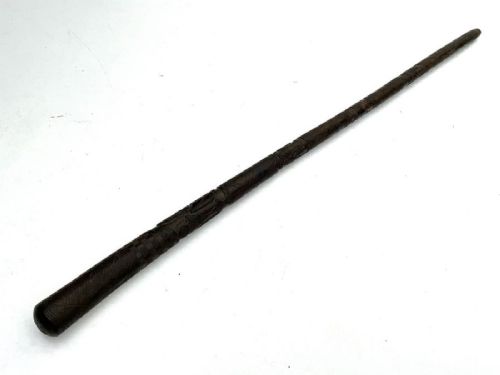
These carved wooden weapon examples span nineteenth century tribal artefacts and traditional implements crafted from hardwood and steel.
Carved Wooden Weapon
A carved wooden weapon encompasses ethnographic objects, tribal artefacts, and decorative weapons originating from various global traditions. Buyers seeking a carved wooden weapon will encounter regional pieces ranging from African tribal art to Oceanic tribal items and Japanese traditional implements.
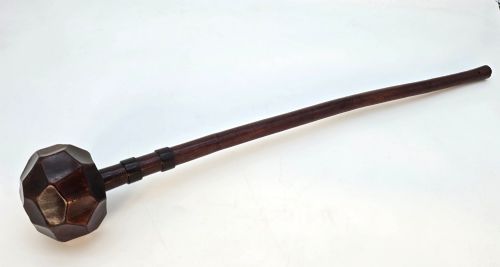
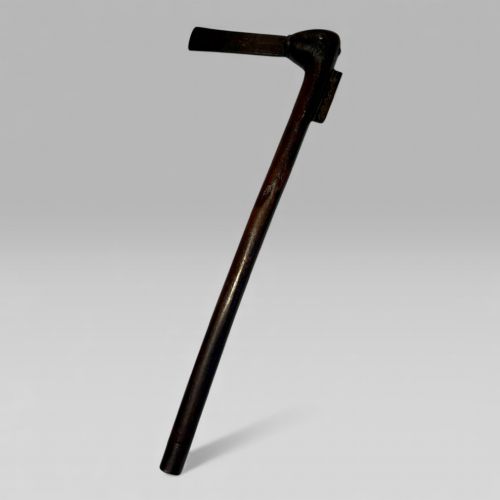
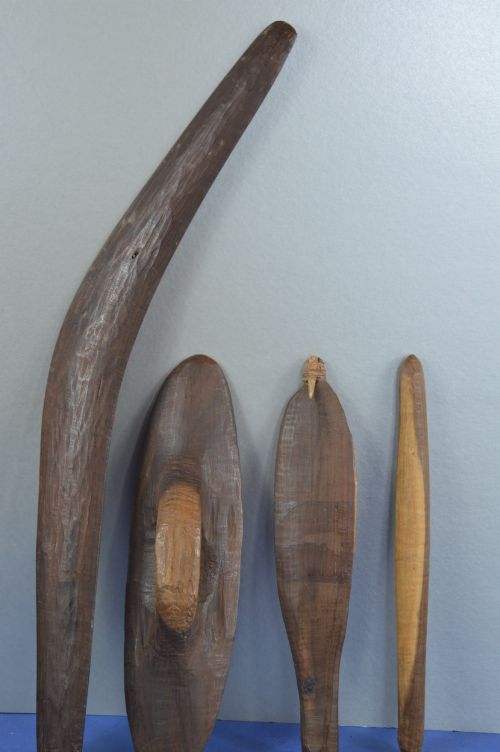
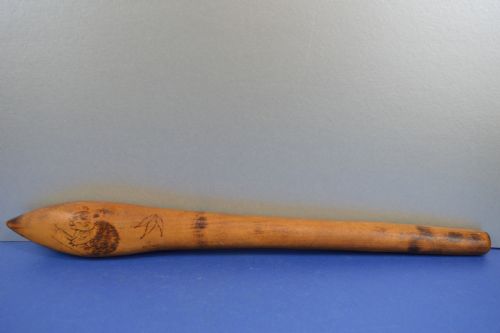
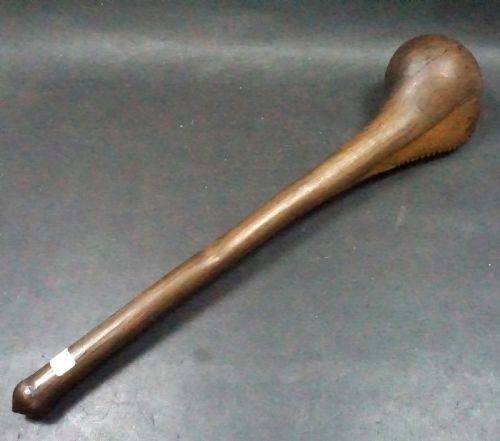
The selections available here lean heavily toward nineteenth century examples, including Australian Aboriginal throwing clubs, Southern African knobkerries, and Fijian war clubs. Alongside these ethnographic pieces, nineteenth century sword sticks and ceremonial axes appear.
Originating from diverse cultures, these items served practical fighting, ceremonial, and daily purposes before transitioning into collected antiques. Each piece demonstrates the specific regional woodworking methods and timber selections of its maker.
How they were made
Construction relies upon dense indigenous hardwood, Kashi oak, and general wood shaped with hand tools. Many pieces incorporate supplementary materials such as steel, brass, iron, and metal for blades, fixings, or reinforcement.
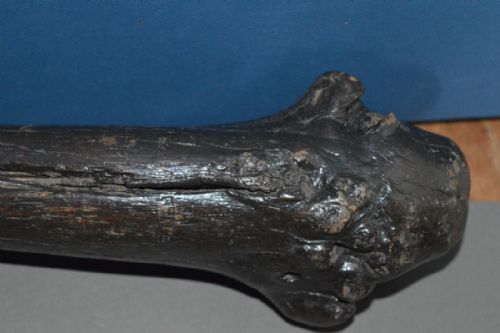
Makers utilised traditional carving techniques to form the balanced weights required for throwing clubs, war clubs, and ceremonial axes. Handles and shafts often show deliberate shaping, root integration, or ribbed textures to improve grip.
Carved Wooden Weapon Retail Price Guide 2026
Typical asking prices for carved wooden weapon among the pieces listed under this phrase on Sellingantiques today, from the lower quarter to the upper quarter. They describe what is for sale here now, not the wider market.
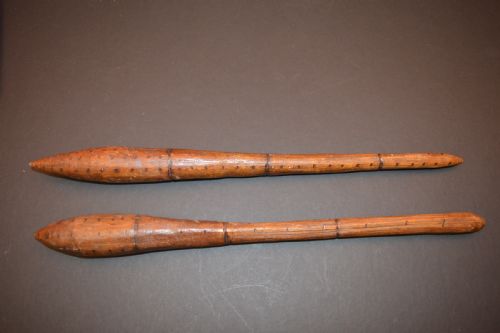
Among the nineteenth century items, a child's hunting set sits alongside full-sized war clubs and concealed sword sticks.
What varies in quality
Quality rests upon the crispness of the carving, the selection of dense hardwood, and the integrity of the original form. Pieces exhibiting distinct regional motifs or purposeful balance demonstrate superior craftsmanship compared to simpler items.
Surface patination and the preservation of natural wood grain heavily influence the character of each object. Examples retaining clear tool marks and authentic age-related wear hold greater visual presence.
The Carved Wooden Weapon Glossary
- Knobkerrie
- A traditional Southern African wooden club characterised by a heavy knob at the end. These items functioned primarily as throwing clubs for hunting or fighting.
- Ula
- A traditional Fijian throwing club featuring a lobed head and a carved wooden shaft. Warriors used these balanced implements in close combat or hurled them at targets.
- Woomera
- An Australian Aboriginal spear thrower that increases the velocity and force of a launched spear. These wooden implements double as utility tools.
- Bokken
- A traditional Japanese wooden sword utilised for training in martial arts. These items replicate the size and shape of a katana whilst utilising solid wood construction.
- Keris
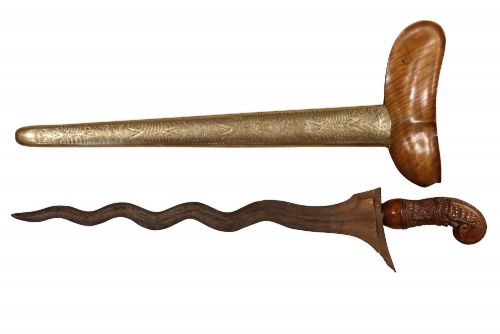
- An asymmetrical dagger associated with Southeast Asian cultures, featuring distinctive blade patterns and wooden framing. These weapons carry significant cultural and ceremonial status.
Carved Wooden Weapon: Frequently Asked Questions
How are Fijian war clubs identified?
Fijian war clubs, such as the Vunikau or Ula types, display distinct island-specific carving styles and heavy timber construction. Their forms range from root-stock heads to intricately ribbed striking surfaces.
Originating primarily across the nineteenth century, these pieces reflect specific regional warfare traditions.
What is a woomera?
A woomera is an Australian Aboriginal spear thrower designed to leverage distance and velocity when launching spears. They are shaped from hardwood and often feature carved grips.
Beyond hunting and combat utility, these wooden tools frequently served secondary purposes as carrying trays or fire-starting equipment.
Are sword sticks considered weapons?
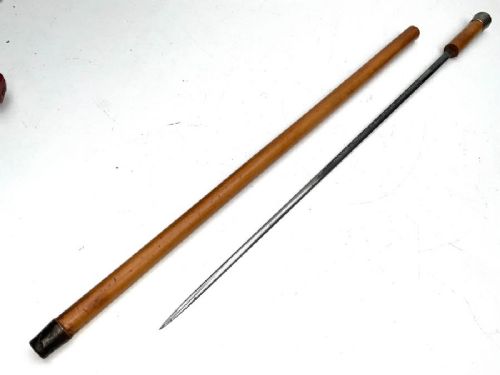
Sword sticks combine a concealed steel blade within a traditional gentleman's walking stick or cane. Victorian and early twentieth century examples often feature brass collars or root-ended wooden handles.
They functioned primarily as personal defence items for travellers navigating nineteenth century streets.
What woods were used for these pieces?
Makers utilised dense regional hardwoods, indigenous timber, Kashi oak, and root sections to ensure durability during impact or daily use. The choice of wood depended entirely on the geographic origin and intended function.
Over time, these timbers develop a deep patination that highlights the original hand-carving techniques.