



Carved Wooden Putti Sculpture
A carved wooden putti sculpture brings the theatrical energy of Baroque and Renaissance revival church interiors directly into a room.
Carved Wooden Putti Sculpture
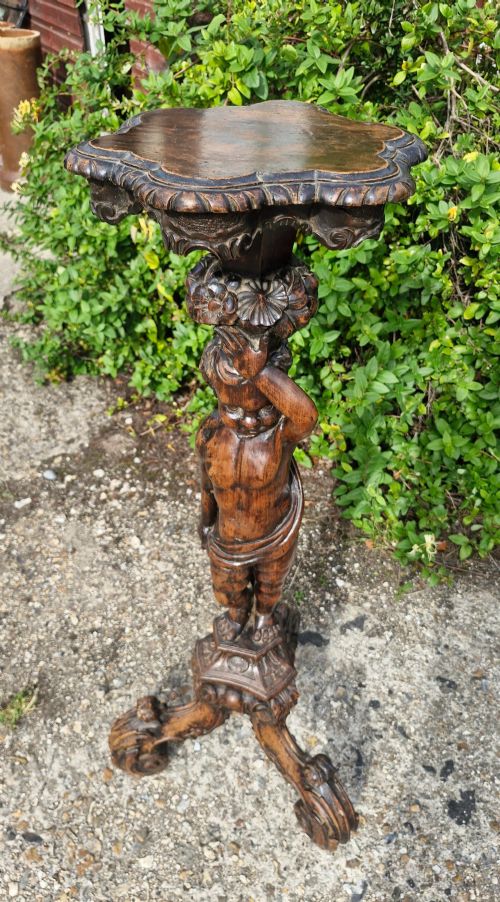
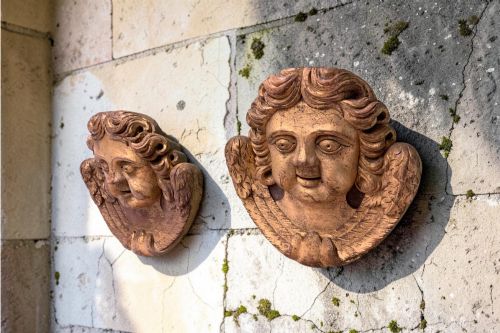
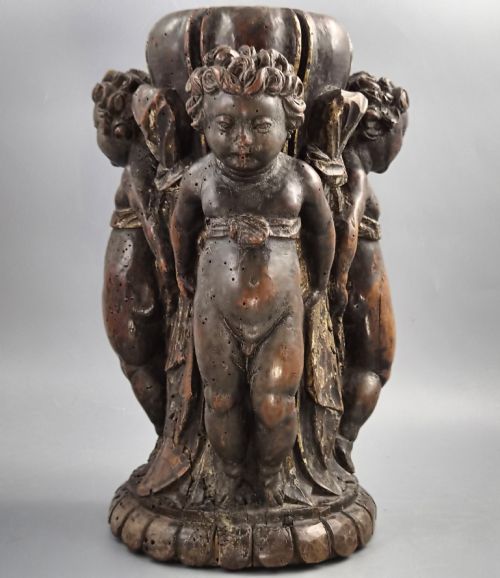
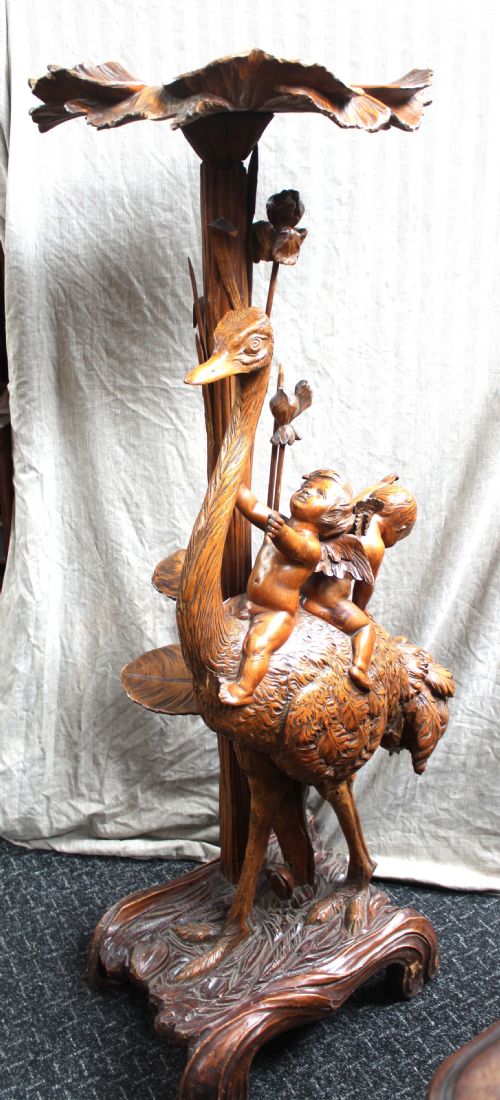
A carved wooden putti sculpture represents winged mythological infants or cherubs, appearing frequently as standalone figures, wall carvings, and torchiere bases. The examples gathered under this search phrase span from the seventeenth century through to the late nineteenth century, reflecting enduring European reverence for these heavenly motifs.
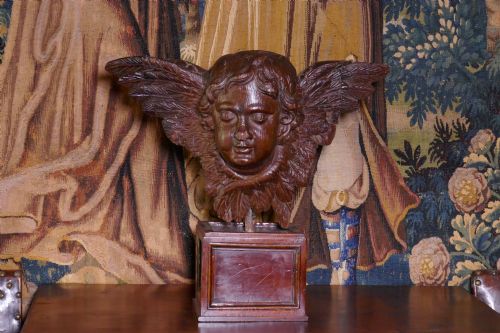
Buyers encounter diverse regional interpretations, predominantly Italian and French works executed in styles ranging from robust Baroque to Victorian revivals. Common formats include single cherub heads, paired altar angels, and figures perched upon clouds or architectural stands.
Materials and construction methods
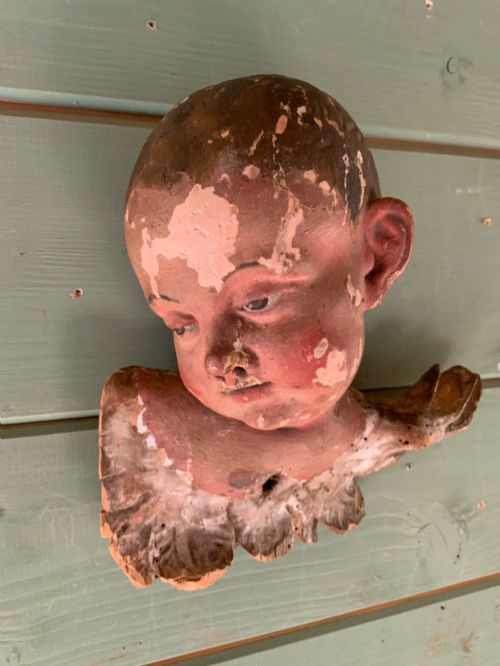
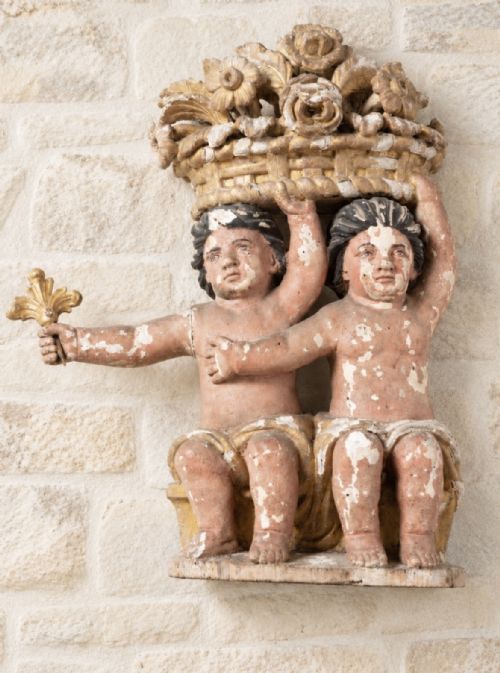
Many surfaces received layers of gesso before being finished with gold leaf, silver, or polychrome paint. This preparation provided a smooth ground for gilding and added colour, though centuries of handling often leave these delicate finishes worn and patinated.
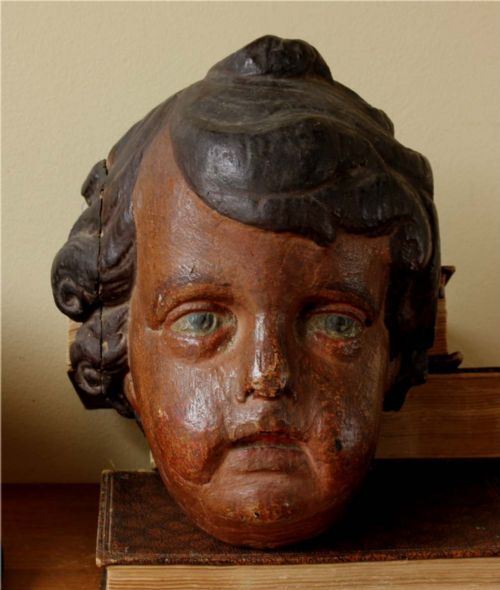
Some cherub heads gaze downward with solemn expressions, while others appear ready to float off their cloud bases entirely.
Variations in sculptural quality
Anatomy and proportion separate spirited sculptural work from stiff, mechanical production. Superior pieces demonstrate fluid movement in the limbs and naturalistic depth in the wings, whereas lesser carvings appear rigid and flat.
The handling of surface finishes also distinguishes the range. Original polychrome and gold leaf applied over gesso retain subtle textural nuances that modern or unsympathetic repainting tends to obscure.
The Carved Wooden Putti Sculpture Glossary
- Putti
- Plumed or unwinged infant figures derived from classical art and heavily utilised in Renaissance and Baroque decoration. They symbolise divine presence or playful spirits.
- Torchiere
- A tall ornamental stand or torch-holder, often supported by carved wooden figures at the base. These architectural elements elevate lighting fixtures within a grand interior.
- Polychrome
- Painted in several colours. This multi-layered surface treatment brings realistic flesh tones and garment colours to wooden sculptures.
- Gesso
- A plaster-like mixture applied to wood to prepare a smooth surface for gilding or painting. It allows intricate relief details to catch the light effectively.
- Term
- A pillar or pedestal tapering downward, topped with a bust or head such as a cherubic face. These architectural supports bridge classical form and sculptural ornamentation.
Carved Wooden Putti Sculpture: Frequently Asked Questions
How do I hang a wall carving?
Wall sculptures and cherub heads usually require secure screw fixings into solid masonry or studwork, utilising existing rear brackets or concealed plates.
Weight varies considerably depending on the density of the wood and the presence of gesso layers, so checking the mounting points prior to installation is essential.
What is the difference between putti and cherubs?
Art historical conventions often use putti to describe secular infant figures and cherubs for heavenly messengers, though antique dealers and makers frequently treat the terms as interchangeable.
Both forms share the characteristic winged infant aesthetic seen across seventeenth and eighteenth century religious woodcarvings.
How should I clean a gilded wooden sculpture?
Dusting gently with a dry, soft brush is the safest method for preserving fragile gold leaf and polychrome surfaces.
Water and chemical cleaning agents must be avoided because moisture quickly softens historic gesso and lifts delicate metallic leaf.
Are these figures from churches?
Many Italian and French carvings originated as architectural elements from altars, chapels, and processional stands before entering the domestic art market.
Their religious context accounts for the frequent presence of cloud bases, wings, and ecclesiastical revival styles.