


Carved Wooden Planter
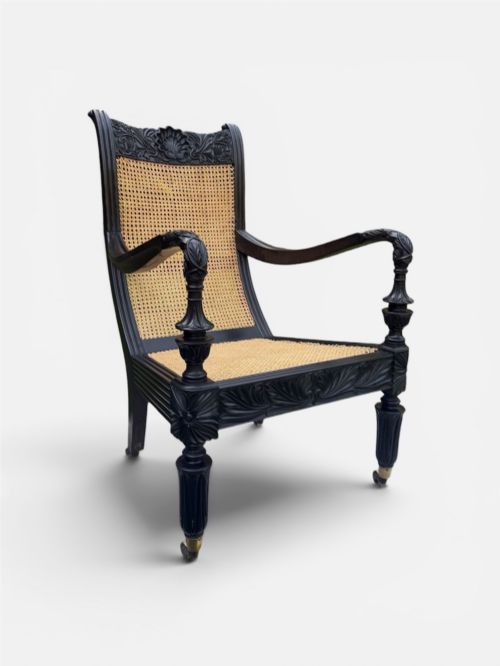
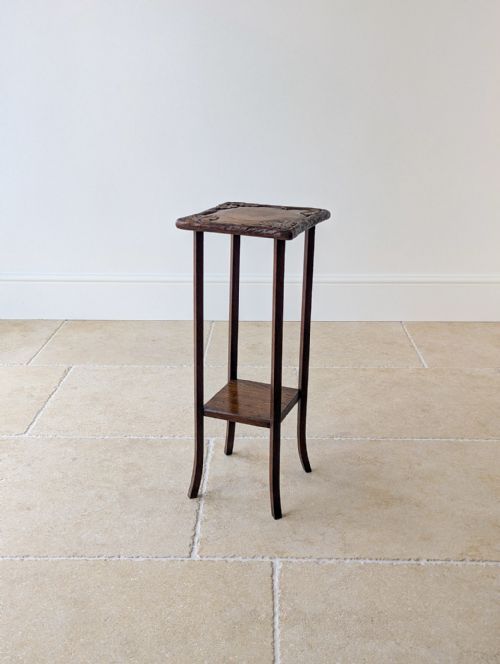
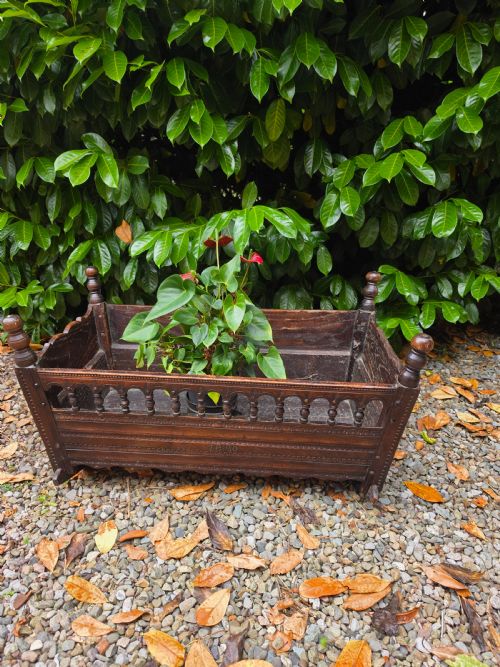
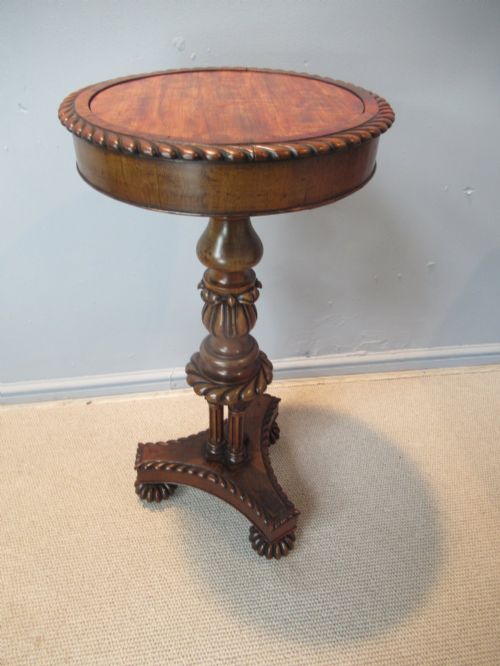
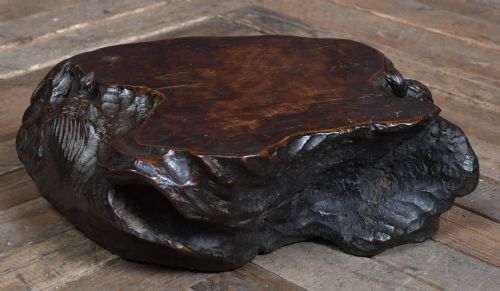
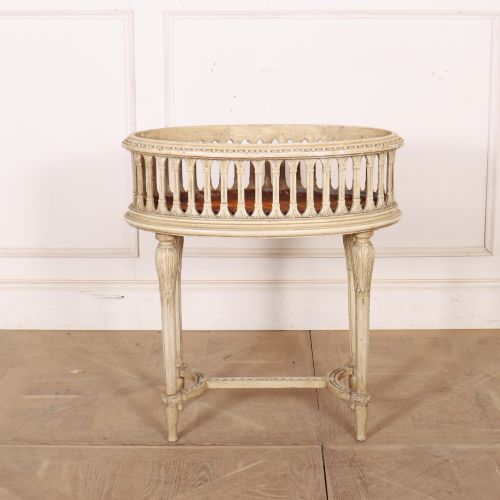
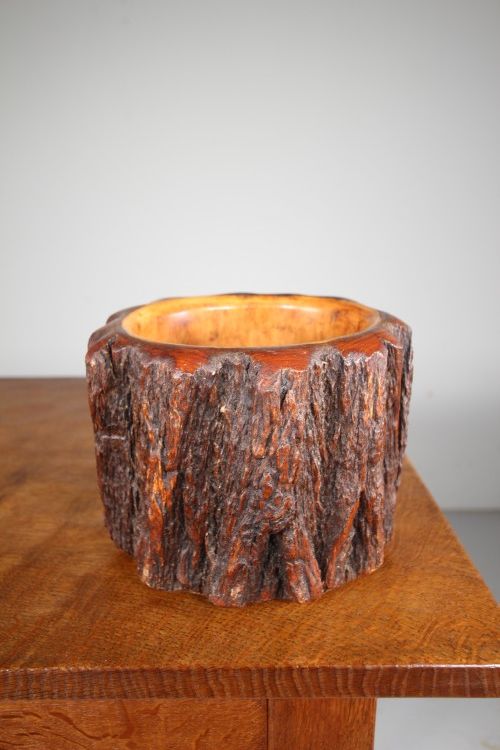
These carved wooden planter pieces range from sturdy country oak to ornate rosewood stands designed to display indoor greenery.
Carved Wooden Planter
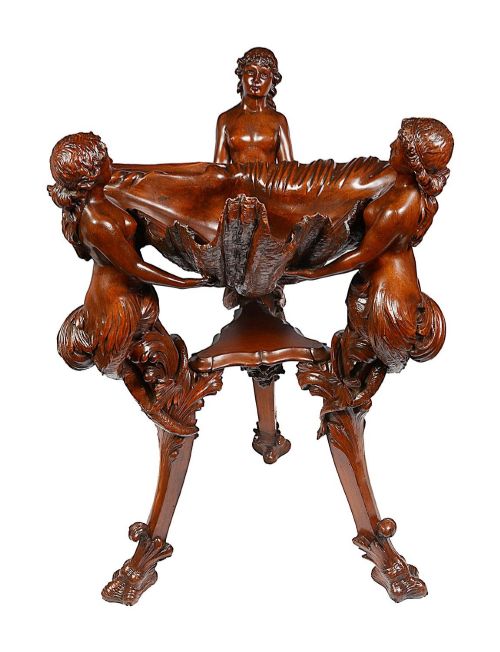
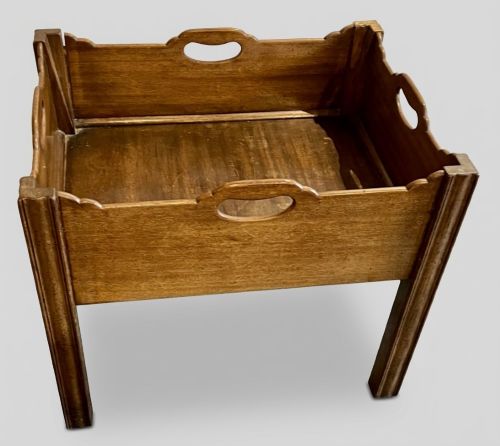
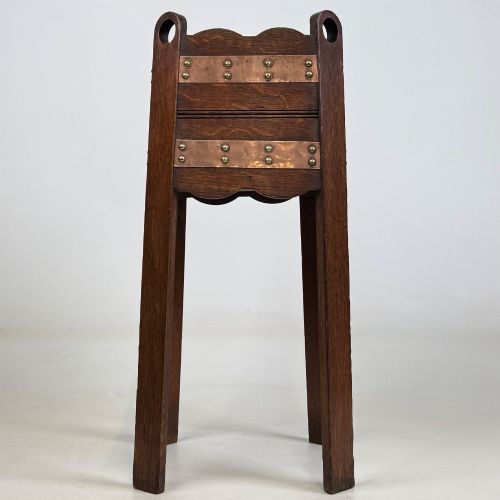
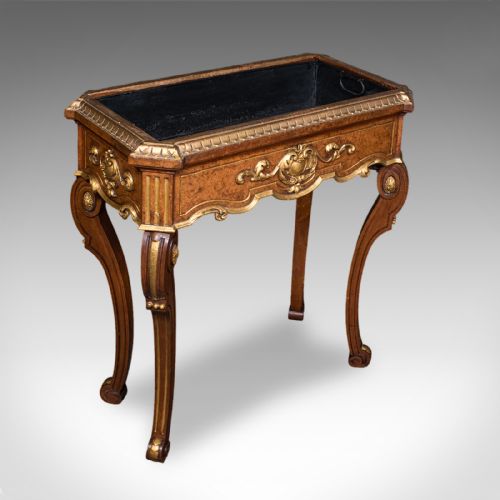
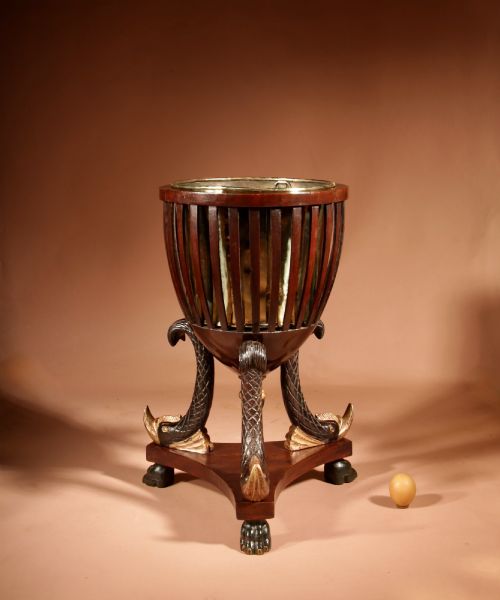
A carved wooden planter serves to house or display indoor plants, operating under various historical designations such as jardiniere stands, plant tables, and wine coolers. When exploring a carved wooden planter selection, one encounters items spanning multiple centuries, from 17th-century oak vessels to Edwardian arts and crafts designs.
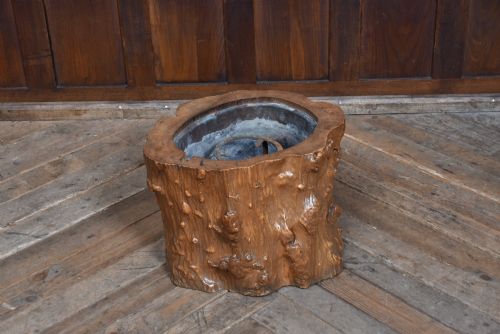
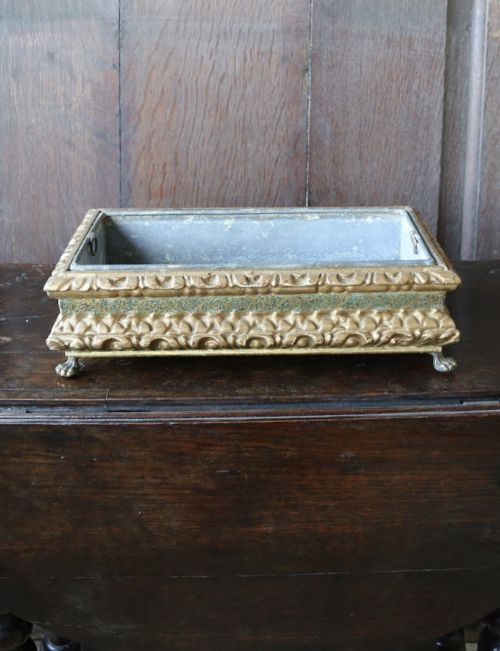
The objects take diverse physical forms, including multi-tiered plant stands, coopered barrels, tripod bases, and dugout tree trunks. Many pieces incorporate functional waterproof linings or metal inserts, particularly zinc or brass, to protect the timber from moisture.
Geographic origins vary widely across the selection, encompassing English rustic country pieces, French walnut tables, Anglo-Indian rosewood items, and Chinese or Japanese export stands. This international range means buyers encounter distinct regional carving traditions and indigenous hardwoods alongside standard European oaks and mahoganies.
Materials and construction methods
Cabinet makers utilised a variety of dense hardwoods, predominantly oak, walnut, mahogany, and rosewood, often pairing them with secondary woods like pine or fruitwood. Metal components such as brass bindings, copper liners, and zinc inserts were integrated to manage damp soil and water runoff.
Construction techniques combine traditional joinery with coopered stave work for bucket-style vessels and solid dugout excavation for tree trunk forms. Carving is executed directly into the timber body, utilising styles ranging from Gothic architectural elements and barley twist turnings to intricate oriental motifs.
Surface finishes rely on natural wax, polish, or traditional painted applications that preserve the grain while offering some resistance to atmospheric changes. Metal liners are typically secured with rivets or interior flanges to maintain structural integrity during daily use.
Carved Wooden Planter Retail Price Guide 2026
Typical asking prices for carved wooden planter among the pieces listed under this phrase on Sellingantiques today, from the lower quarter to the upper quarter. They describe what is for sale here now, not the wider market.
Periods represented across the items include the 17th century, Regency, William IV, Victorian, Arts and Crafts, and Edwardian eras.
Distinctions in construction and design
Quality rests upon the crispness of the hand-carving and the selection of figured timber, such as burr walnut or dense ebony, rather than plain secondary woods. Superior examples display seamless joinery and well-integrated metal liners that show proper integration with the wooden frame.
Proportion and architectural balance dictate the visual weight of a piece, separating refined parlour items from heavier, utilitarian country furniture. Original hardware, intact tripod bases, and matching stands elevate the integrity of items originating from specific design movements like the Arts and Crafts period or Anglo-Indian workshops.
The Carved Wooden Planter Glossary
- Jardiniere
- An ornamental pot or stand for holding flowers or plants. Originating from French domestic interiors, these vessels often feature decorative metal linings.
- Coopered
- Constructed from curved wooden staves bound together by metal hoops, similar to barrel making. This technique provides watertight integrity for holding damp earth.
- Torchere
- A tall stand designed to support a light or a decorative object. In plant displays, it refers to elevated single-column tables used for drooping foliage.
- Hibachi
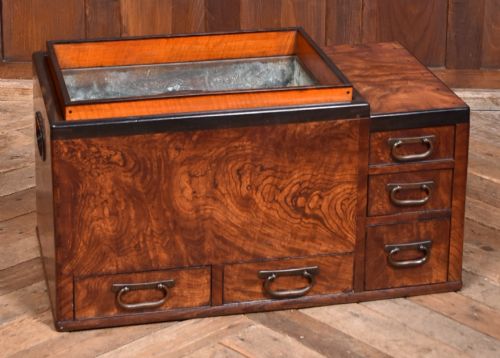
- A traditional Japanese heating device or brazier. In decorative contexts, these wooden or ceramic fire bowls are repurposed as planters or display vessels.
Carved Wooden Planter: Frequently Asked Questions
How do I protect the wood from water damage?
Most antique planters rely on removable metal inserts, such as zinc or brass liners, to catch drainage and keep moisture away from the timber structure. If a liner is missing, placing a modern saucer inside the vessel prevents direct contact between wet soil and the historic wood.
Regularly checking and emptying these interior containers ensures that humidity does not warp the baseboards or lift the surrounding veneer over time.
Were these always used for plants?
Historical domestic items often served multiple functions depending on the season and the household's needs. Many pieces designated as jardiniere tables or plant stands originally doubled as wine coolers, decanter caddies, or general display surfaces for ceramics.
Conversion between plant display and decorative furniture occurred frequently as interior fashions shifted throughout the Victorian and Edwardian eras.
How do I distinguish regional styles?
Regional characteristics emerge through the choice of timber and the specific vocabulary of the carving. English country pieces tend to utilise native oak and pine with robust, straightforward joinery, whereas Anglo-Indian examples showcase dense exotic hardwoods like rosewood and ebony with deep, intricate floral carving.
Continental pieces from France or the Netherlands often feature walnut veneers, classical Revival motifs, and curved cabriole or empire lines.
Can these support heavy modern pots?
Evaluating the structural capacity requires inspecting the base construction, leg attachments, and the condition of any internal framing. Solid wood items like dugout tree trunks or heavy coopered oak barrels handle substantial weight easily, while delicate three-legged stands or slender torchere columns suit lighter, smaller potted arrangements.
Distributing weight evenly and avoiding excessive moisture loading preserves the historical joinery of lighter display tables.