


Carved Wooden Madonna
These carved wooden madonna figures bring centuries of devotional art into your home, offering immediate presence and tangible history through centuries-old timber.
Identifying carved wooden madonna figures
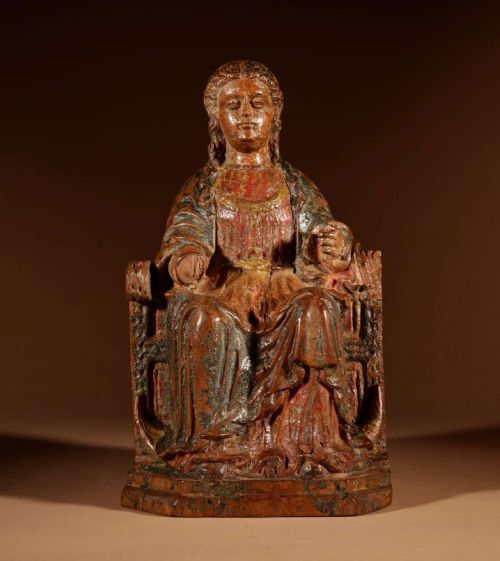
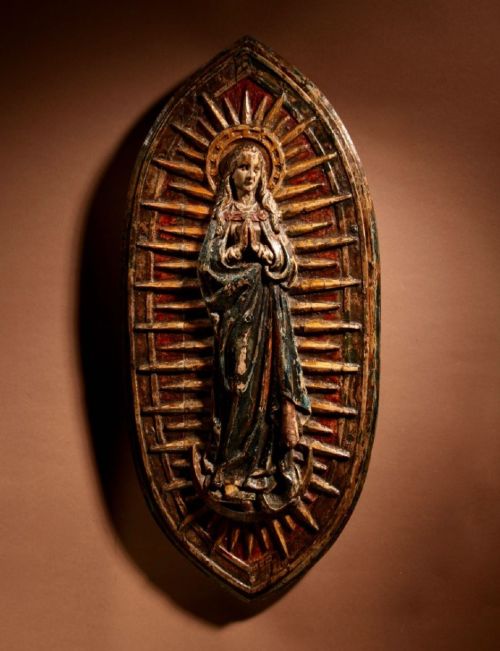
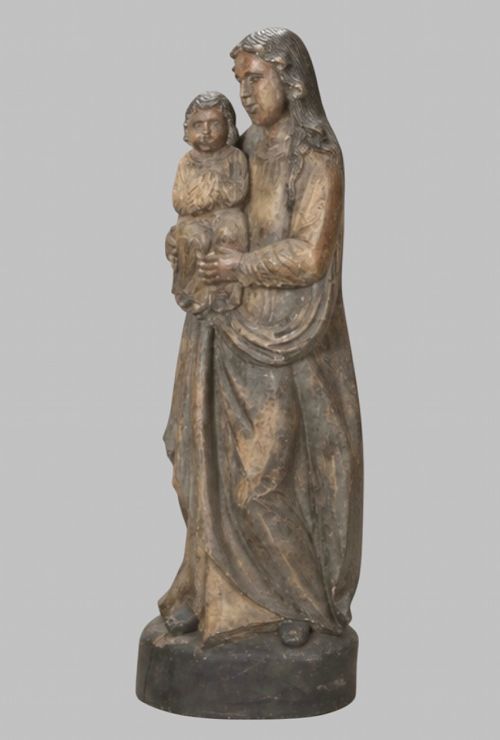
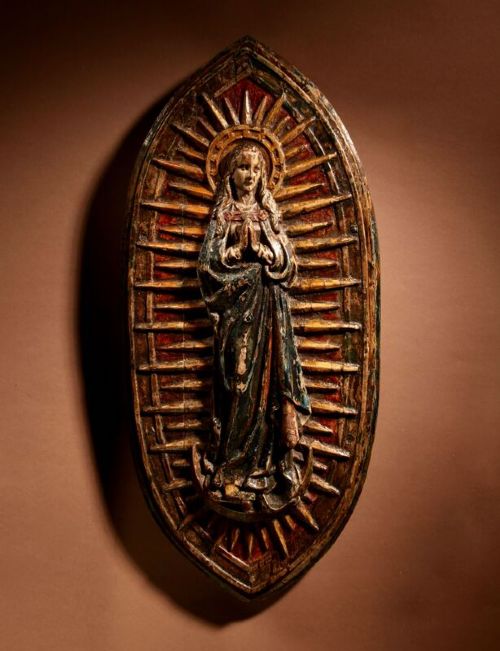
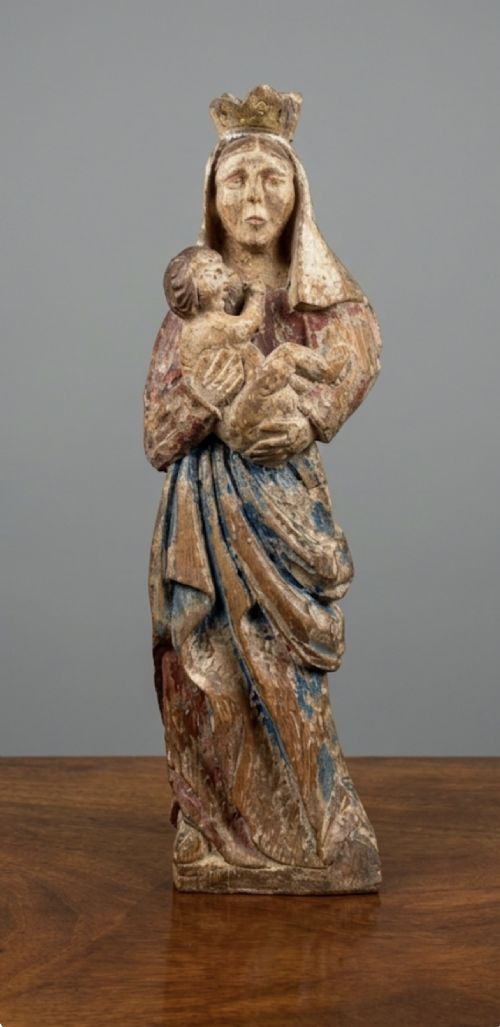
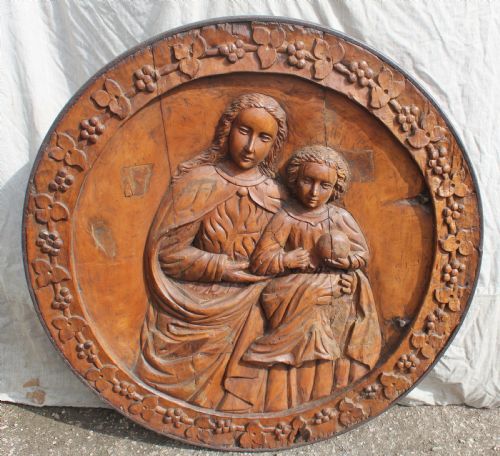
A carved wooden madonna represents the Virgin Mary, often shown standing, praying, or holding the Christ child. These devotional sculptures appear as individual statues, wall sculptures, and central panels from larger altarpieces.
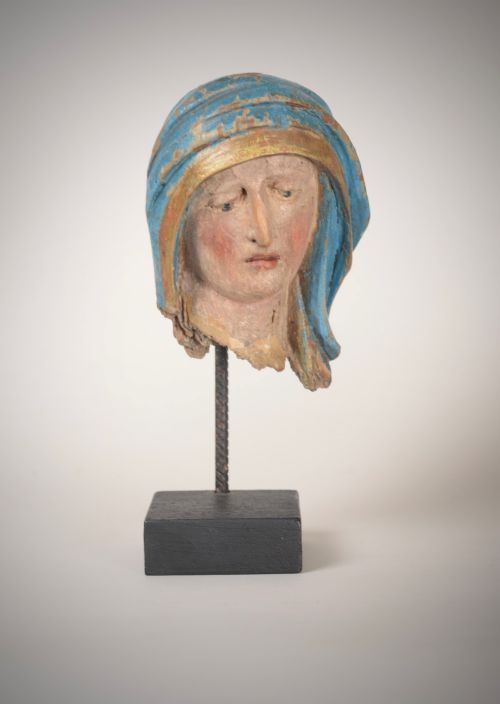
You will most commonly encounter pieces dating from the sixteenth century, alongside examples from the seventeenth and nineteenth centuries. Forms range from medieval fragments to larger nineteenth-century giltwood figures.
The objects originate across European traditions, spanning Gothic, Renaissance, Baroque, and Regency styles. Materials vary from plain oak to polychrome paint and gold leaf surfaces.
Materials and construction methods
Carvers shaped these figures primarily from solid oak or general carved wood. Artisans selected timber for its grain and stability before executing detailed sculptural work by hand.
Many surfaces received preparation layers of gesso before painters applied polychrome paint and gold leaf. These finishes added vibrant colour and rich metallic detail to the wooden core.
Retail Price Guide 2026
Typical UK retail prices for carved wooden madonna, calculated from the Sellingantiques database of over a million retail prices indexed since 2003. This retail price guide relies exclusively on Sellingantiques data; no external sources or auction records are used, so the figures do not describe the wider market.
Listings feature oak, carved wood, gold leaf, polychrome, gesso, and polychrome paint across multiple centuries.
Assessing quality and craftsmanship
Surface preservation dictates much of the appeal in older pieces. Figures retaining original polychrome paint or gold leaf display greater historical integrity than those stripped to bare wood or heavily repainted.
The Carved Wooden Madonna Glossary
- Polychrome
- Painted in several colours. This surface treatment brings medieval and Renaissance wooden sculpture to life.
- Gesso
- A plaster mix applied to wood as a base for gilding or painting. It creates a smooth white ground.
- Giltwood
- Wood covered with a thin layer of gold leaf. This technique provides a brilliant reflective surface on religious figures.
- Altarpiece
- A structure depicting a religious subject set above an altar. Central panels often feature carved wooden madonna figures.
Frequently Asked Questions
What is a carved wooden madonna?
A carved wooden madonna is a devotional sculpture depicting the Virgin Mary, created from timber and frequently ornamented with paint or gold leaf.
These pieces served religious functions in churches, chapels, and private domestic shrines across Europe over several centuries.
How were these statues used originally?
These sculptures stood on altars, within church niches, or acted as central panels in larger wooden altarpieces for contemplation and prayer.
Smaller figures may have been utilised in domestic settings for personal worship and household devotion.
How do I care for antique wood?
Keep wooden sculptures away from direct heat sources and sudden temperature shifts to prevent the timber from splitting.
Maintain stable indoor humidity and dust the surface gently with a dry, soft cloth without applying modern polishes.
How can I tell the period?
Dating relies on stylistic clues, tool marks, and the ageing of the oak or underlying gesso and paint layers.
Compare the drapery style and sculptural form against known Gothic, Renaissance, or Baroque examples to narrow down the century.