


Carved Wooden Low Stool
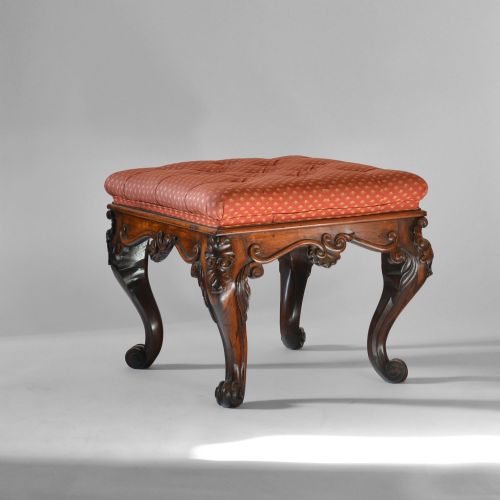
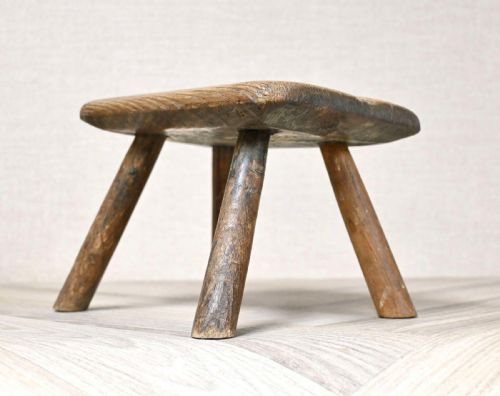
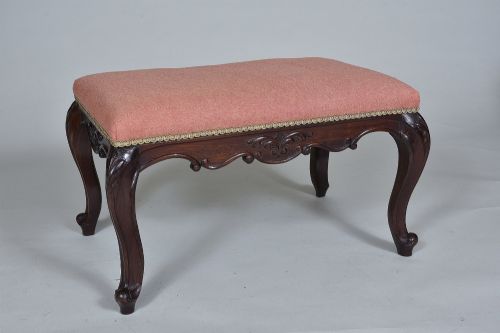
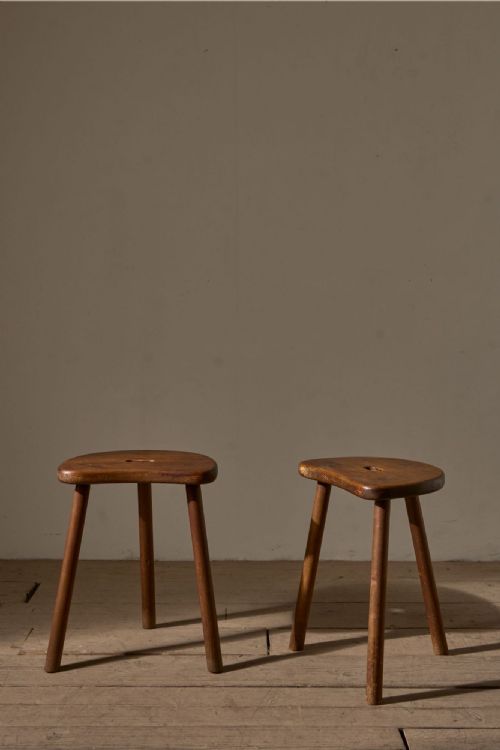
These carved wooden low stool selections range from rustic country milking forms to formal walnut and rosewood dressing seats.
Carved Wooden Low Stool
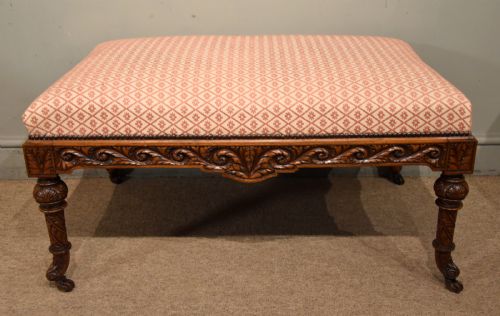
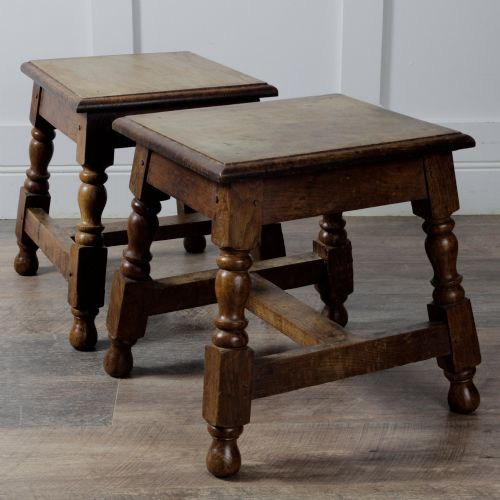
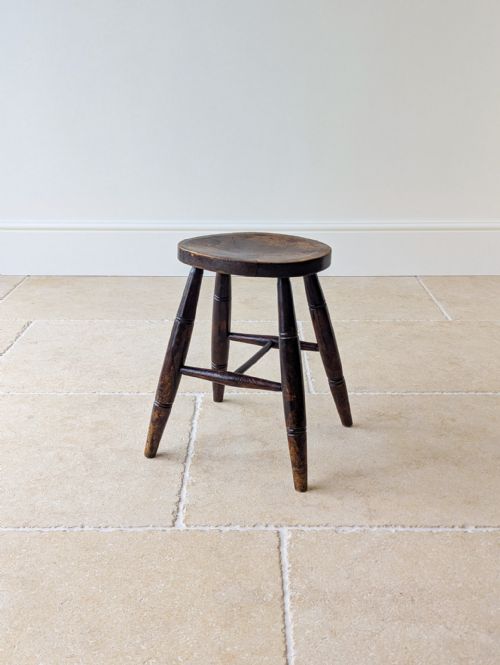
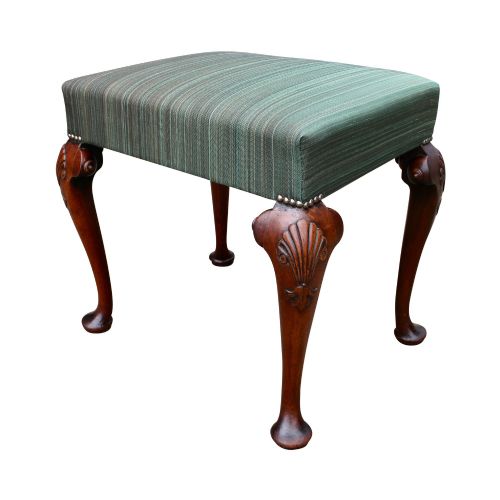
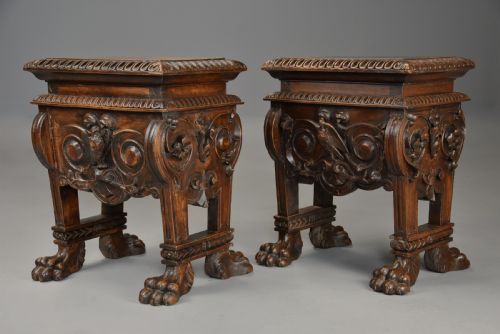
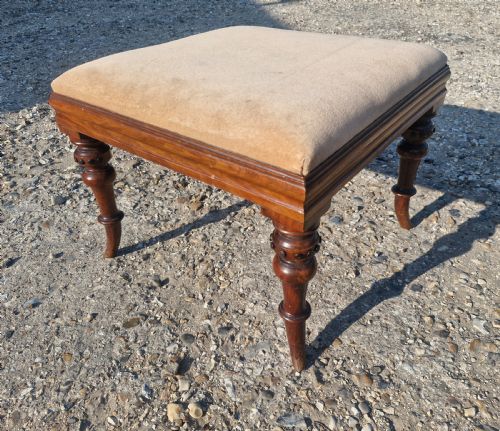
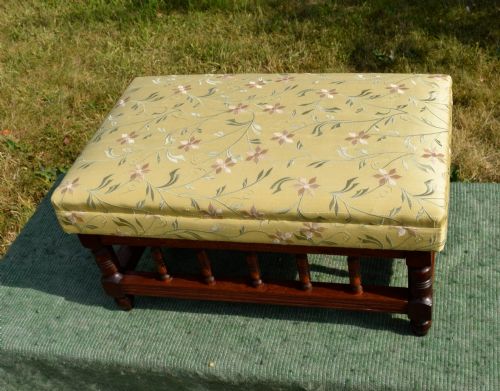
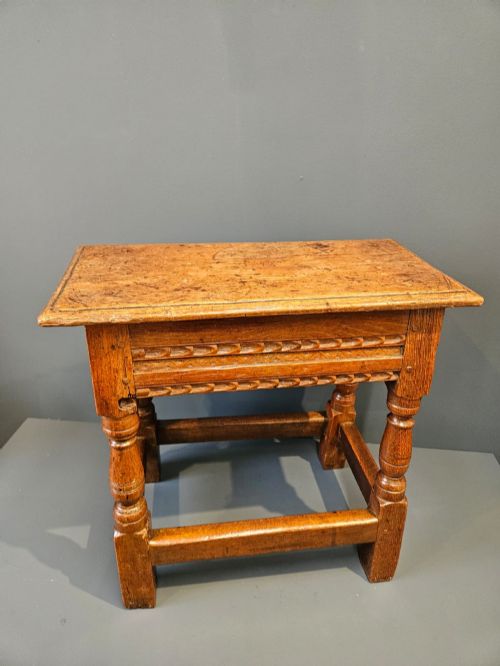
When you search for a carved wooden low stool, you encounter a wide variety of seating forms spanning several centuries. The pieces on this page include utilitarian milking stools, joint stools, dressing stools, and hearth stools designed for domestic use.
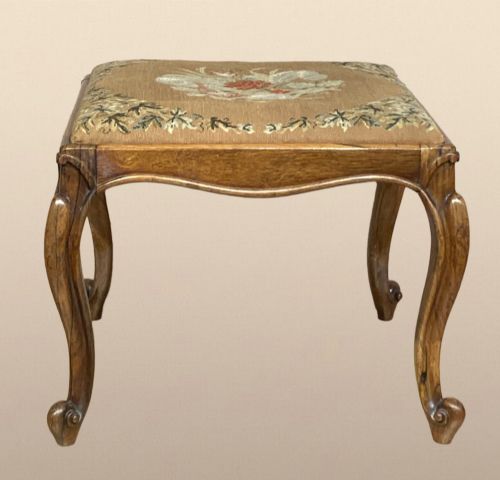
You are most likely to meet 19th-century oak and mahogany examples alongside Victorian rosewood dressing stools. The selection also encompasses Arts and Crafts designs, primitive vernacular pieces, and occasional low seating originating from diverse regional traditions.
What varies in quality
The choice of timber and the depth of the carving determine the initial tier of quality among these low stools. Dense hardwoods like rosewood and walnut, combined with crisp hand-carving on the frame, separate formal parlour pieces from everyday utility items.
The integrity of the construction and the retention of original timber surfaces govern the overall standard. Pieces that maintain their structural rigidity without excessive replacement to the wooden components command greater attention from collectors.
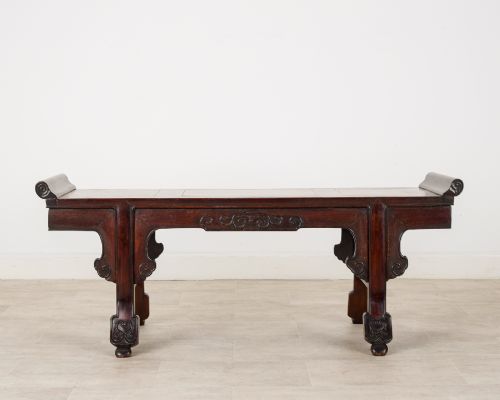
Object forms range from traditional joint stools and milking seats to candle stands and altar benches.
Jack Grimble·J. Shoolbred
The Carved Wooden Low Stool Glossary
- Joint stool
- A sturdy wooden stool constructed with mortise and tenon joints, commonly associated with the 17th and 18th centuries. These pieces were often utilised for sitting or as small side tables.
- Milking stool
- A simple, low three-legged or one-legged seat traditionally used by agricultural workers for milking livestock. They exhibit primitive construction and rustic charm.
- Hearth stool
- A low, wide seating piece designed to sit comfortably by an open fireplace. They frequently feature upholstered tops supported by timber frames.
- Cabriole leg
- A furniture leg that curves out and then in, resembling the leg of an animal. This stylistic element appears frequently on Victorian and revival seating.
- Vernacular
- Everyday furniture made by local craftsmen using regional materials, prioritising utility over high-style academic design.
Carved Wooden Low Stool: Frequently Asked Questions
What were low stools used for originally?
Low stools served practical domestic purposes near firesides, dressing tables, and workspaces. Milking stools provided stable seating on uneven agricultural ground.
Other variants functioned as footstools or low resting seats in period parlours and bedchambers.
Are these stools suitable for modern coffee tables?
Many larger low stools and hearth stools adapt well to modern living spaces as low coffee tables or window seats. Their sturdy wooden frames and low profiles suit contemporary interior layouts.
Upholstered versions provide soft surfaces, while wooden tops offer stable placement for objects.
How do I tell Victorian stools apart from earlier pieces?
Victorian examples often display rosewood or walnut timbers paired with cabriole legs and elaborate upholstery. Earlier pieces from the 18th century or Georgian periods lean towards simpler oak construction and primitive forms.
Revival styles from the 19th century borrow decorative vocabulary from earlier centuries.