




Carved Wooden Floor Clock
A carved wooden floor clock anchors a room with mechanical gravity, bringing centuries of skilled joinery and ticking brass into a domestic space.
Carved Wooden Floor Clock
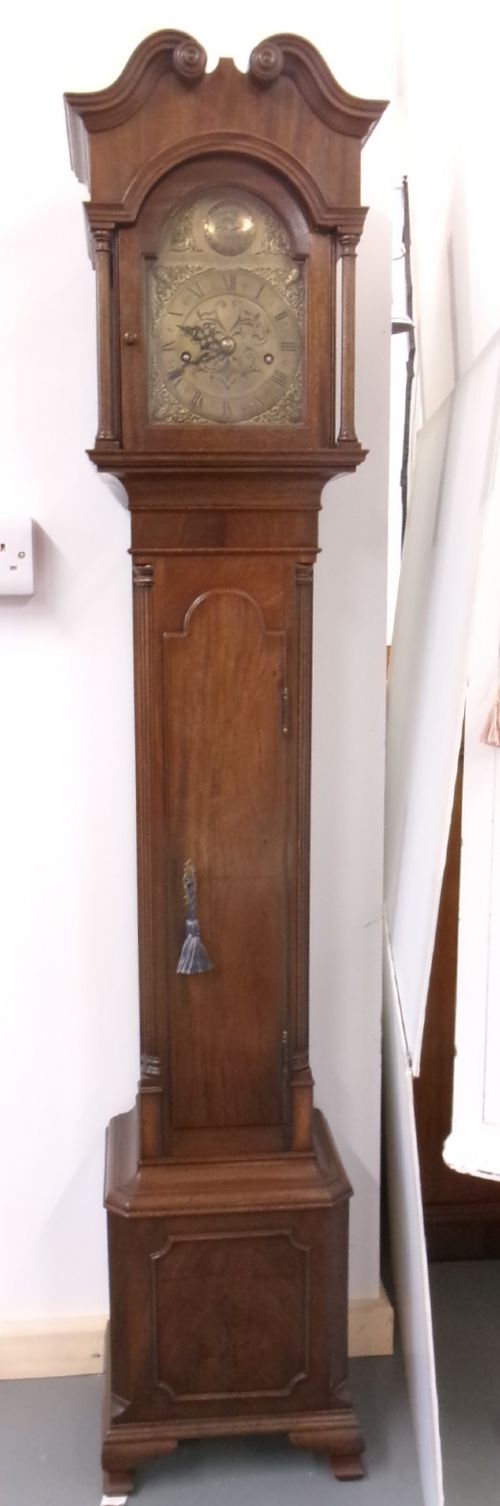
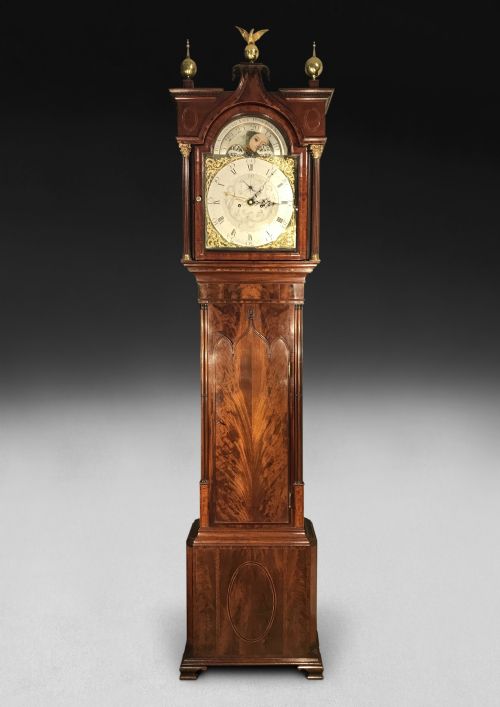
A carved wooden floor clock is an upright timekeeper enclosed in a tall timber case, historically designed to protect the pendulum and weights. The selection spans grand proportions and smaller formats, including grandfathers, granddaughters, and miniature longcase clocks.
The periods represented stretch from the seventeenth century through Georgian eras into early twentieth-century revivals. Oak, mahogany, and walnut dominate the timber choices, often decorated with carved details and architectural hood designs.
Buyers encounter regional variations, such as Welsh moonphase dials and Scottish long case pieces, alongside London-made works bearing traditional engraved brass faces. Smaller domestic versions, like the compact grandmother clock, suit modern ceiling heights while retaining traditional proportions.
Materials and construction
Cabinet makers built these tall cases primarily using solid oak, rich mahogany, and figured walnut timbers. Joinery methods relied on panel construction and dovetailing to house heavy movements without warping the tall trunk.
Dial construction combined brass chapter rings with engraved silvered or painted metal faces, protecting the intricate gear trains behind glazed doors. Movements ranged from thirty-hour weight-driven systems to eight-day spring and fusee mechanisms.
The evidence includes regional British pieces alongside miniature longcase and quarter-chiming grandmother clocks.
Distinctions in quality
Quality rests in the depth and crispness of the timber carving and the fidelity of the cabinet proportions. Finer examples display carefully selected grain figures in the mahogany or walnut veneers, matched symmetrically across the door and trunk.
Mechanical execution separates standard production from exceptional horology, seen in complex movements like quarter-chiming gear trains and signed brass dial work. Original components and untouched dial signatures elevate the standing of any longcase clock.
Edward East·Samuel Young·John Harrington·Joseph Windmills
The Carved Wooden Floor Clock Glossary
- Longcase clock
- A tall pendulum clock enclosed in a wooden floor-standing case, commonly called a grandfather clock. These housing structures protected the weights and pendulum from drafts and dust.
- Fusee
- A conical pulley used in clock movements to maintain an even tension on the gear train as the mainspring unwinds. This mechanism improves the timekeeping accuracy over the duration of the wind.
- Grandmother clock
- A smaller, more slender version of the traditional longcase clock, typically produced in the twentieth century. They fit lower ceiling heights while maintaining traditional mechanical movements.
- Moonphase
- A specialised dial mechanism that tracks the lunar cycle through a rotating painted disc showing the phases of the moon. This feature added utility and visual complexity to higher-grade clocks.
- Chapter ring
- The metal ring on a clock dial that bears the numerical hours and minute markings. They were frequently silvered and engraved on better London-made movements.
Carved Wooden Floor Clock: Frequently Asked Questions
How do I wind a longcase clock?
Most eight-day movements require the use of a winding crank inserted into specific holes on the dial face to lift the internal weights. Care must be taken not to overwind the mechanism.
Thirty-hour versions use suspended pull-up cords rather than a crank handle. Regular winding maintains steady tension on the gear train.
Where should I place a floor clock?
Select an interior wall away from direct sunlight, heating vents, and exterior doors to protect the timber case from extreme humidity shifts. A stable floor ensures the pendulum swings evenly.
Level the case using adjustable feet or shims so the tick remains perfectly regular. Uneven placement causes the escapement to stall.
What is the difference between a grandfather and a grandmother clock?
Grandfather clocks stand significantly taller and wider, housing heavier weights and longer pendulums designed for expansive hallways. Their proportions date back to earlier centuries of cabinet making.
Grandmother clocks are scaled-down variants produced mostly in the twentieth century to suit more modest domestic spaces. They offer similar mechanical complexity in a shorter case.
How do I identify the period of an oak longcase clock?
Examine the construction of the hood door, hinge types, and the carving style on the trunk panels. Earlier seventeenth and eighteenth-century pieces display hand-cut joinery and simpler regional proportions.
Revival pieces from the early twentieth century often combine older aesthetic styles with standardised internal mechanisms. Dial signatures and wood patination offer further clues to the date of manufacture.