




Carved Wooden Fish
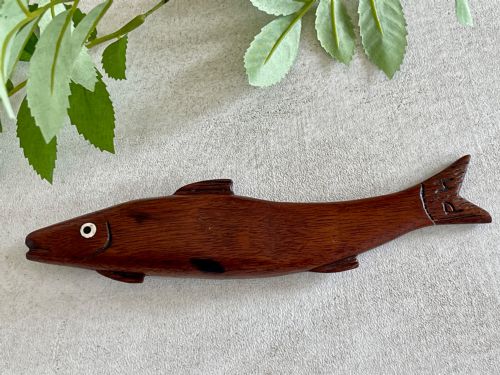
These carved wooden fish combine folk craft and marine form, offering tactile charm and decorative presence for any interior.
Carved Wooden Fish
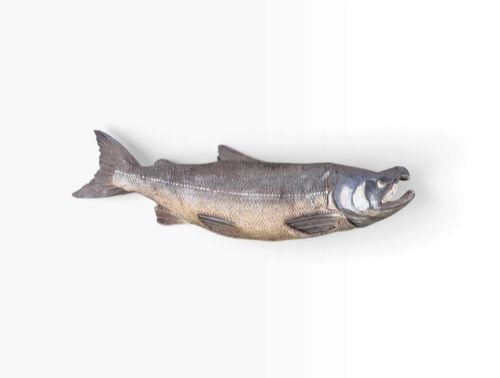
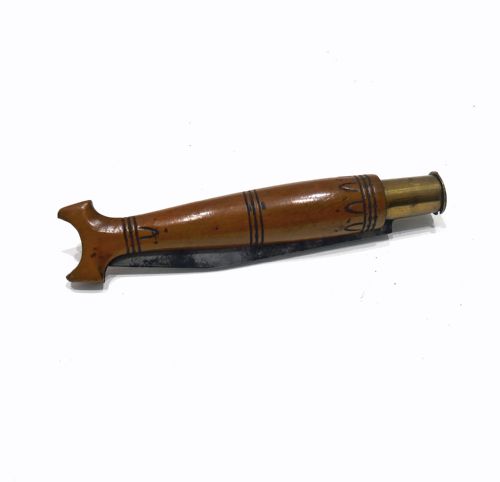
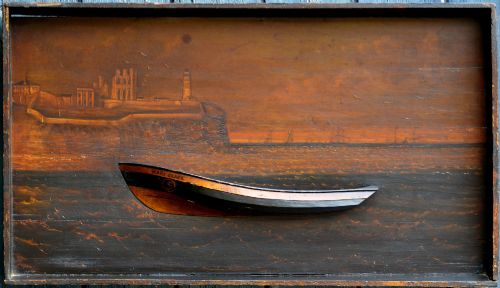
A search for carved wooden fish reveals an array of sculptural objects, wall art, and functional treen pieces spanning the nineteenth and twentieth centuries. These items range from folk art shop signs and knitting sheaths to detailed models and decorative figures.
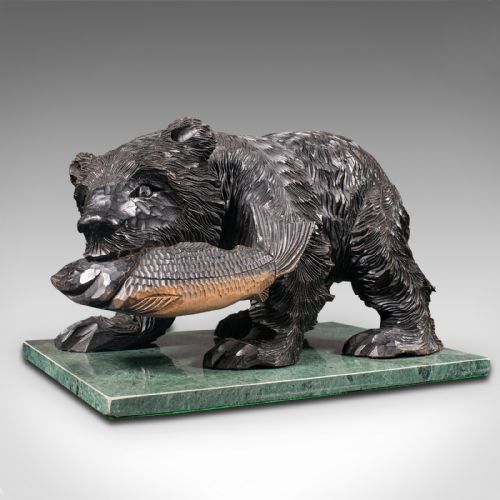
Most examples encountered on this page reflect traditional craftsmanship from periods such as the Edwardian era, the nineteenth century, and the early nineteen-hundreds. They frequently manifest as standalone sculptures, bookends, note holders, and utilitarian implements shaped with maritime or aquatic motifs.
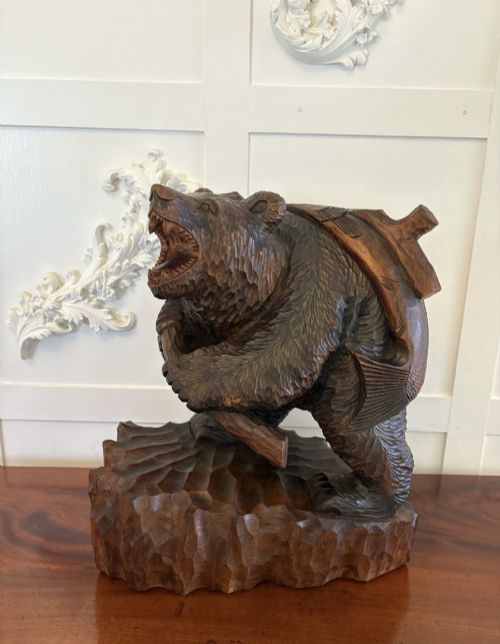
Makers across different regions utilised local timbers to interpret the form, resulting in distinct regional characteristics. Collectors often find pieces linked to broader genres like folk art, Black Forest carving, and Japanese craftsmanship.
What varies in quality
The degree of anatomical accuracy and fluid movement in the carving separates standard commercial pieces from superior artisan work. Master carvers captured the natural tension and posture of aquatic life with minimal yet precise cuts.
Condition and originality of the timber surface heavily influence the appeal of an object. Examples that retain their authentic early patina and original paintwork without excessive modern intervention command greater interest.
Carved Wooden Fish Retail Price Guide 2026
Typical asking prices for carved wooden fish among the pieces listed under this phrase on Sellingantiques today, from the lower quarter to the upper quarter. They describe what is for sale here now, not the wider market.
The Carved Wooden Fish Glossary
- Treen
- Small handmade wooden domestic objects produced from the sixteenth century onwards. These utilitarian items often feature pleasing organic shapes worn smooth through regular handling.
- Folk art
- Artistic work created within a traditional culture by self-taught or untrained makers. These pieces prioritize practical utility and expressive charm over strict academic proportions.
- Black Forest
- A style of intricate wood carving originating in nineteenth-century Germany and Switzerland. It is characterised by realistic depictions of animals and natural subjects rendered in dark timbers.
- Linden wood
- A pale, fine-grained timber frequently utilised by carvers for its even texture and ease of manipulation. It allows for crisp details without splitting along the grain.
Carved Wooden Fish: Frequently Asked Questions
What were carved wooden fish used for?
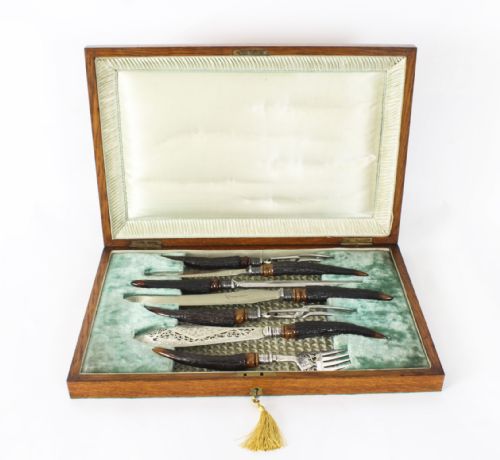
Many wooden fish and aquatic forms served practical purposes in daily life, functioning as knitting sheaths, shop signs, note holders, or pocket knife handles.
Other examples were created purely as decorative sculptures, wall art, or bookends to bring maritime themes into domestic interiors.
How do I date a carved wooden fish?
Dating relies on examining the tool marks, timber species, surface patina, and the specific stylistic conventions of the period. Nineteenth-century pieces often exhibit hand-forged elements and deep oxidation in the wood grain.
Associated hardware, paints, and regional carving methods also provide reliable clues for establishing the era of manufacture.
How do I care for wooden carvings?
Keep wooden pieces away from direct sunlight, radiators, and rapid humidity fluctuations to prevent the timber from drying out and cracking. Dust them gently with a dry, soft cloth rather than using liquid polishes that can build up in the carved recesses.
Applying a microcrystalline wax very sparingly once a year helps protect the historic surface without altering the patina.
Are these pieces made by hand?
The objects recorded here are hand-carved using traditional woodworking tools such as gouges, chisels, and knives. Each maker brought individual interpretation to the grain and form, resulting in unique variations across identical subjects.
Evidence of individual hand work appears in the subtle tool facets and irregularities left across the wooden surfaces.