





Carved Wooden Dragon
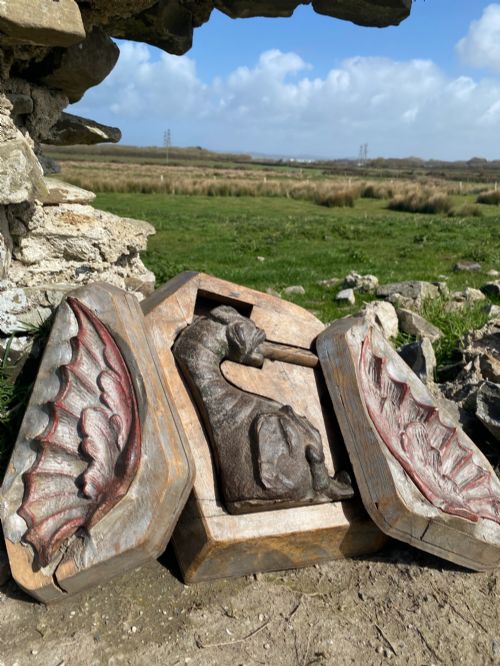
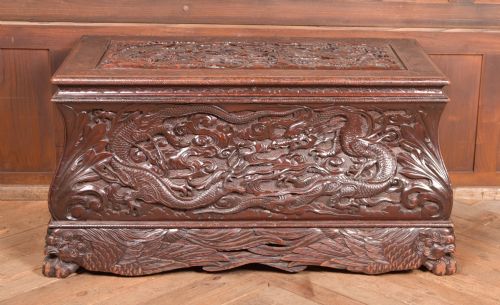
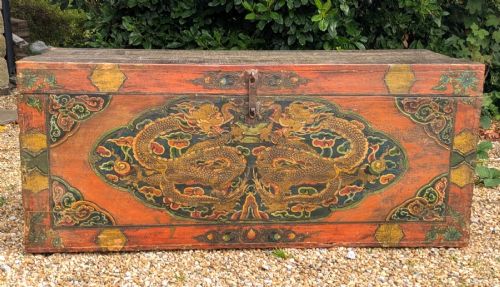
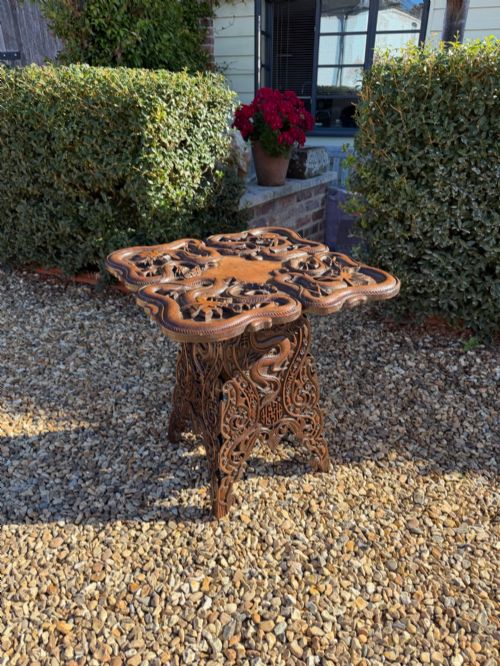
A carved wooden dragon brings mythical power into a room, taking the form of seating, tables, and wall panels shaped by past makers.
Carved Wooden Dragon
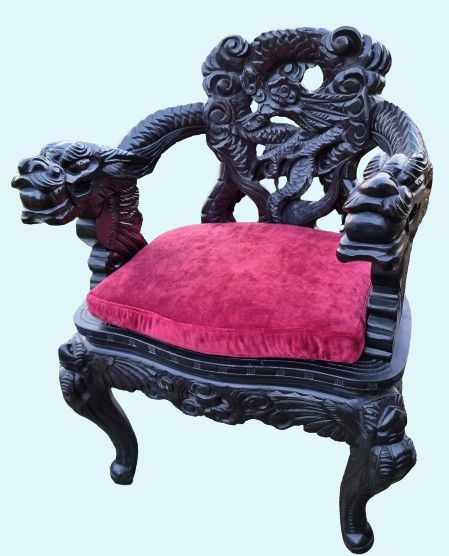
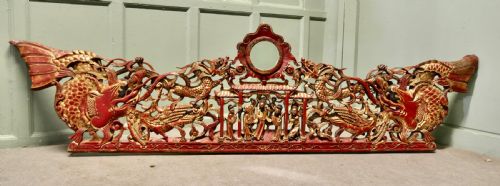
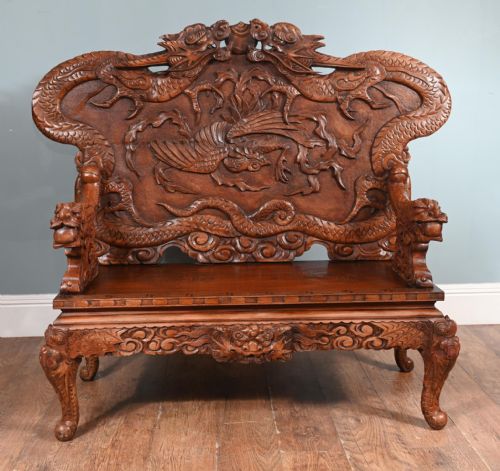
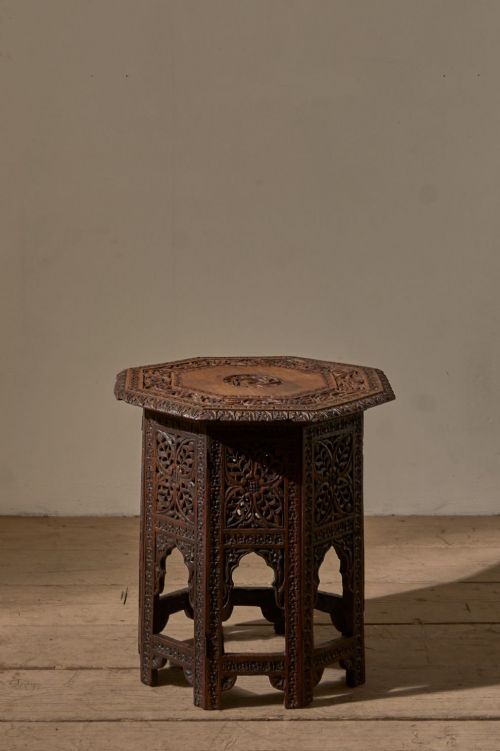
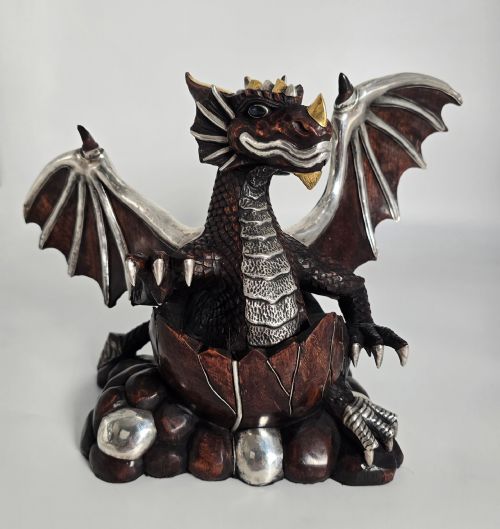
When searching for a carved wooden dragon, collectors encounter a diverse range of objects spanning from the nineteenth century into the early decades of the twentieth century. These pieces appear primarily as furniture such as armchairs, hall benches, and side tables, alongside architectural fragments and sculptural wall plaques.
The aesthetic vocabulary draws heavily from Chinese Export, Chinoiserie, and Qing Dynasty traditions, though Gothic Revival and Anglo-Indian variants also emerge. Side tables, pedestals, and lantern stands frequently incorporate these serpentine motifs into their structural supports or surface decoration.
Materials and construction methods
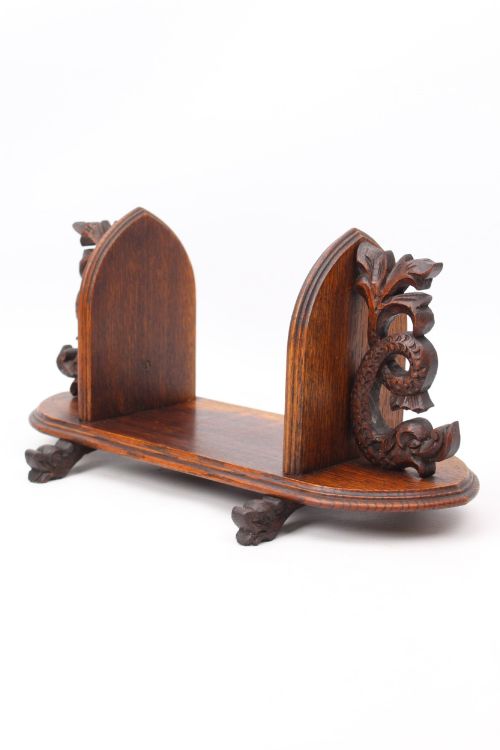
Artisans relied on dense hardwoods such as teak, rosewood, padauk, and camphor wood, which allowed for deep, crisp undercutting of serpentine scales and claws. Oak and elm appear in European and regional British contexts, providing a robust structural base for architectural panels and seating.
Carved Wooden Dragon Retail Price Guide 2026
Typical asking prices for carved wooden dragon among the pieces listed under this phrase on Sellingantiques today, from the lower quarter to the upper quarter. They describe what is for sale here now, not the wider market.
Listings demonstrate that carved wooden dragon objects span from the mid-nineteenth century through the Edwardian period into the 1930s.
Distinctions in craftsmanship and design
The distinction between standard utility items and superior examples lies in the depth and animation of the carving. Master carvers achieved a sense of muscular tension and fluid movement in the creature's body, whereas lesser pieces display flat, repetitive detailing with stiff limbs.
Proportion and wood selection also dictate the standing of a piece; well-figured hardwoods with balanced structural symmetry command greater attention than utilitarian assemblies utilising secondary softwoods.
The Carved Wooden Dragon Glossary
- Chinoiserie
- European interpretation and imitation of Chinese artistic traditions and motifs, popular in furniture and decorative arts. This style frequently incorporates imaginary beasts and asymmetrical garden landscapes.
- Qing Dynasty
- The final imperial dynasty of China, spanning from sixteen forty-four to nineteen twelve. Pieces from this era often display formal mythological symbolism.
- Hardwood
- Timber derived from broad-leaved deciduous trees, noted for density and durability. Common varieties in these listings include rosewood, padauk, and camphor wood.
- Pediment
- An architectural crowning feature, often triangular or serpentine, positioned above doors, furniture, or temple displays. In this context, decorative pediments frequently feature mythical figures.
- Torchiere
- A tall stand or pedestal originally designed to hold a torch or candle, later adapted for electric lamps. These structures often utilise writhing serpentine forms as the main shaft.
Carved Wooden Dragon: Frequently Asked Questions
How do I date a carved wooden dragon piece?
Dating relies on timber type, construction joints, and stylistic markers associated with periods like the nineteenth century or Edwardian era. Examination of tool marks and wear patterns on the underside or interior surfaces also assists in establishing age.
Export records and regional workshop habits provide further context for pieces originating from Chinese treaty ports or British colonial workshops.
Where were these carved wooden dragon items made?
The evidence indicates a strong division between East Asian workshops producing items for export and European makers working in Gothic Revival or folk art traditions. Chinese workshops supplied extensive seating, tables, and screens to Western markets.
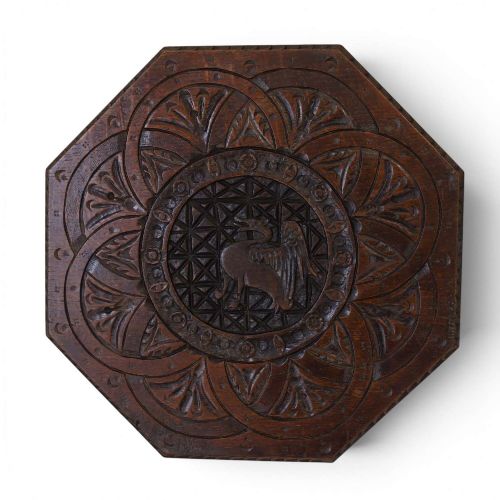
At the same time, domestic British and European carvers produced ecclesiastical furnishings, book stands, and decorative panels inspired by Renaissance and revivalist themes.
How should I care for antique carved timber?
Maintain stable humidity levels in the room to prevent the dense hardwoods from drying out and splitting along grain lines. Avoid placing pieces near direct heat sources or in harsh sunlight that might degrade lacquer or polish.
Dust intricate recesses gently with a soft, dry brush rather than applying modern liquid polishes that can build up within deep carvings.
What is the difference between an export piece and a domestic one?
Export pieces made in Asia typically utilise native dense hardwoods like camphor, rosewood, or padauk, featuring iconography rooted in Qing dynasty symbolism. These items were tailored specifically for Western aesthetic tastes during the nineteenth and early twentieth centuries.
Domestic European interpretations usually employ oak or regional fruitwoods, applying the motif within architectural frameworks, spinning chairs, or ecclesiastical furniture.