

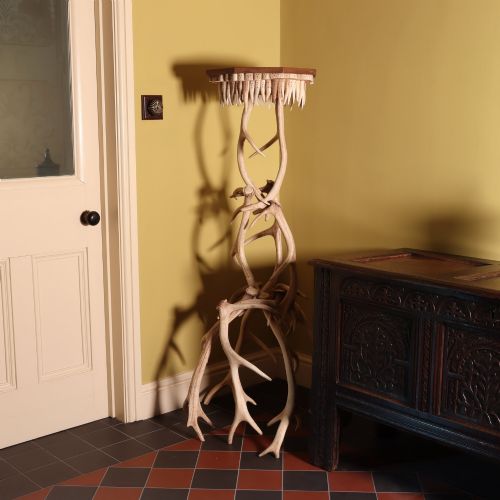
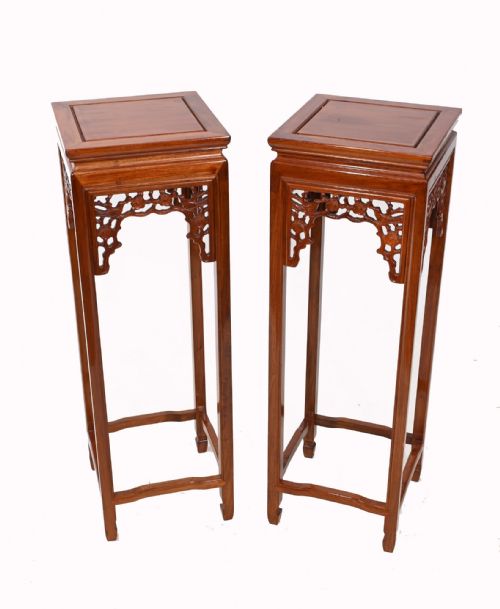
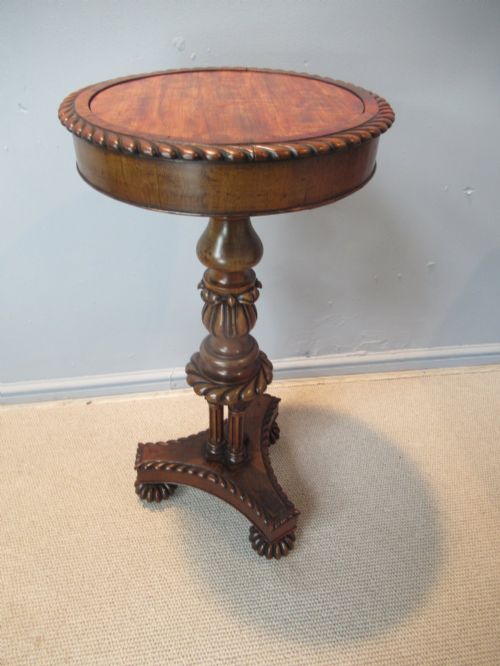
Carved Wooden Display Pedestals
These carved wooden display pedestals elevate ornaments and plants, bringing height and proportion to a room.
Carved Wooden Display Pedestals
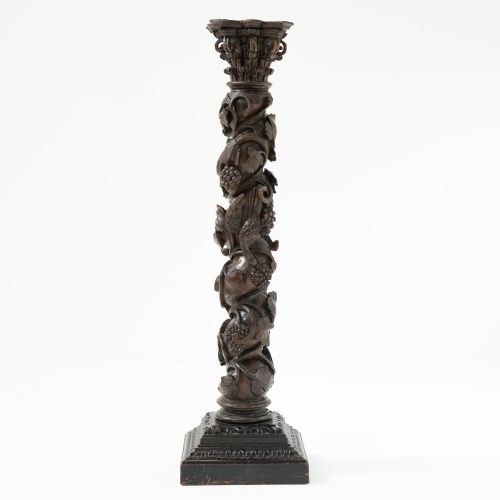
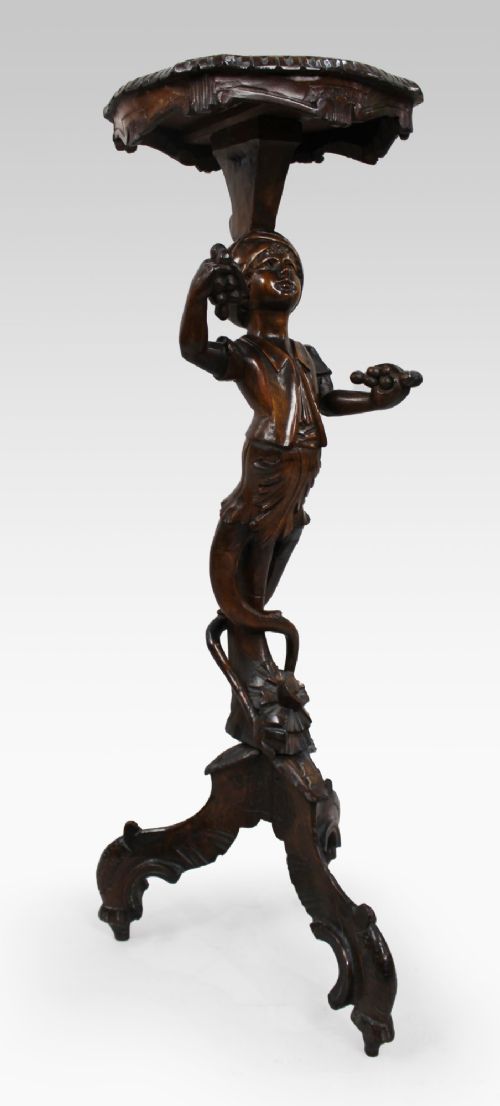
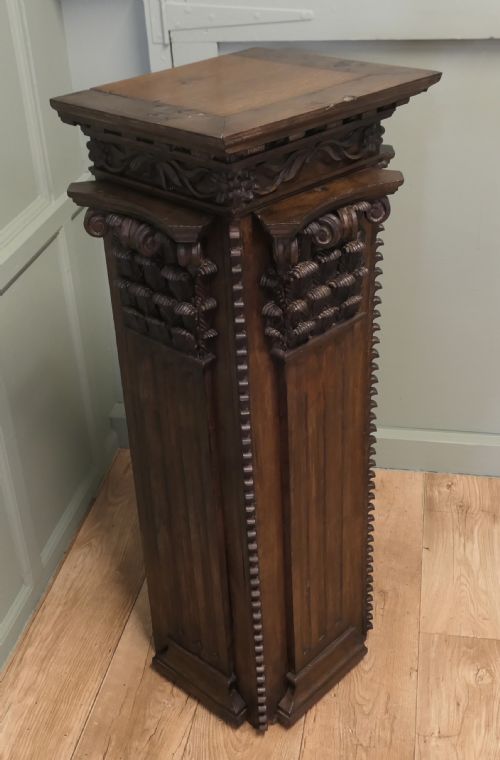
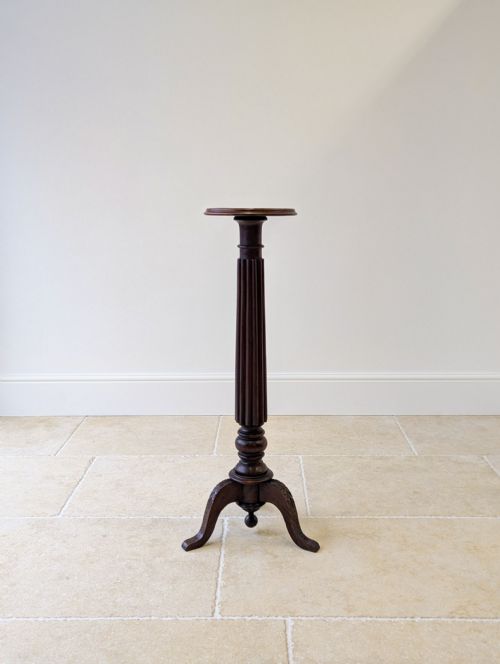
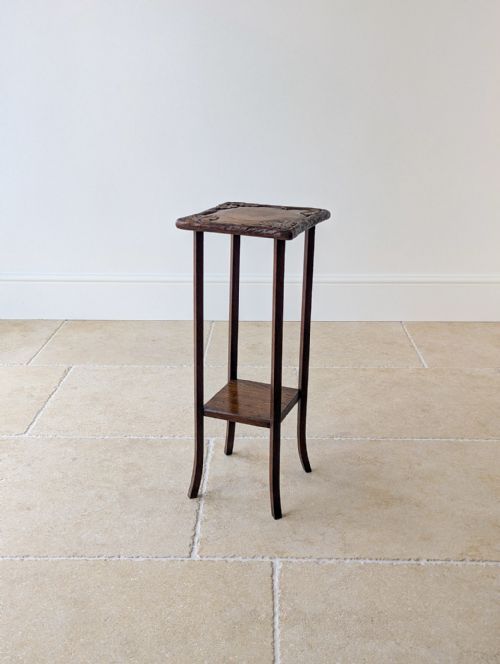
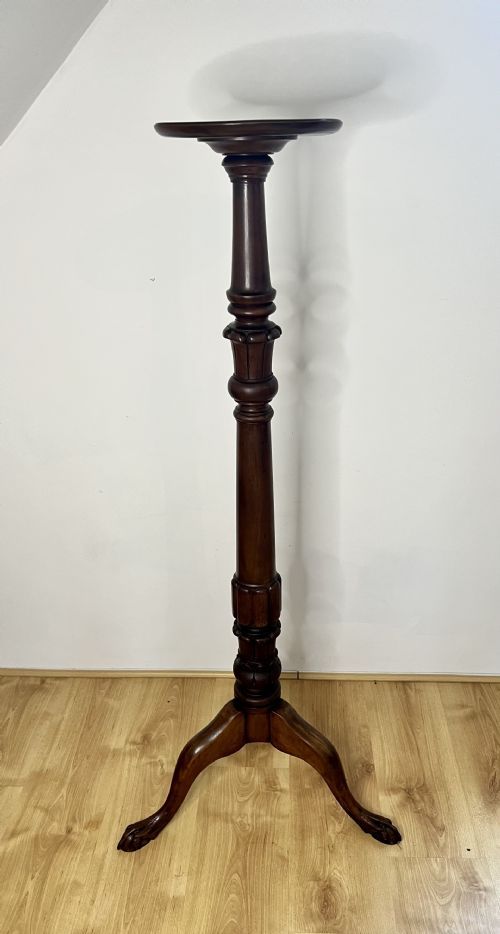
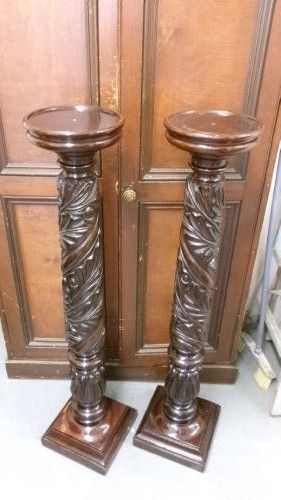
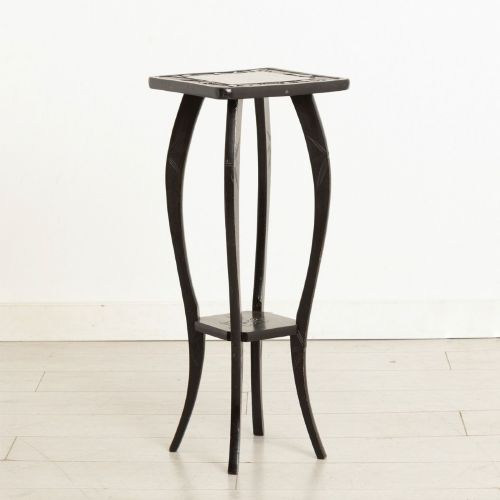
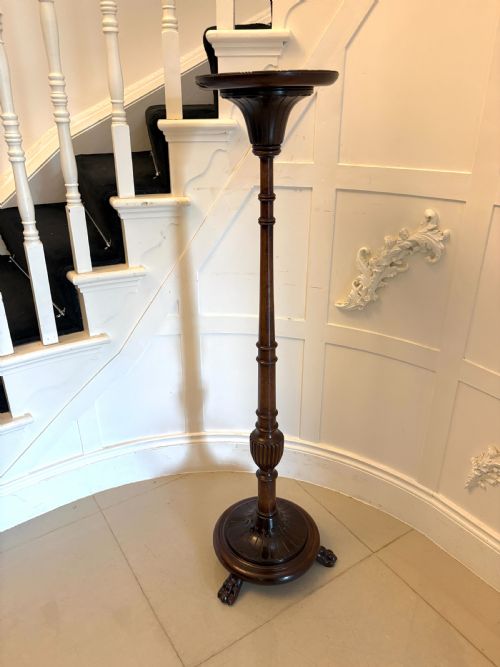
When searching for carved wooden display pedestals, collectors encounter a diverse group of nineteenth and early twentieth century furnishings designed to elevate planters, vases, and sculptures. These items include torcheres, plant stands, columns, and plinths originating from English country houses, European workshops, and Asian export markets.
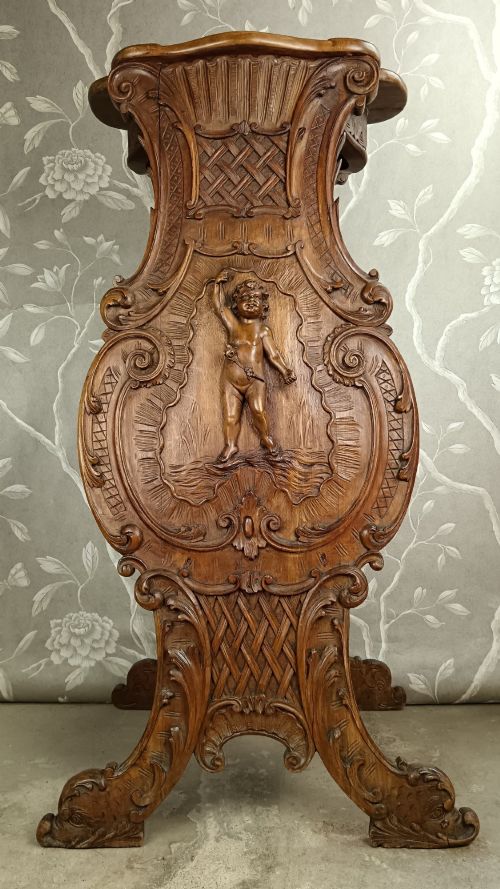
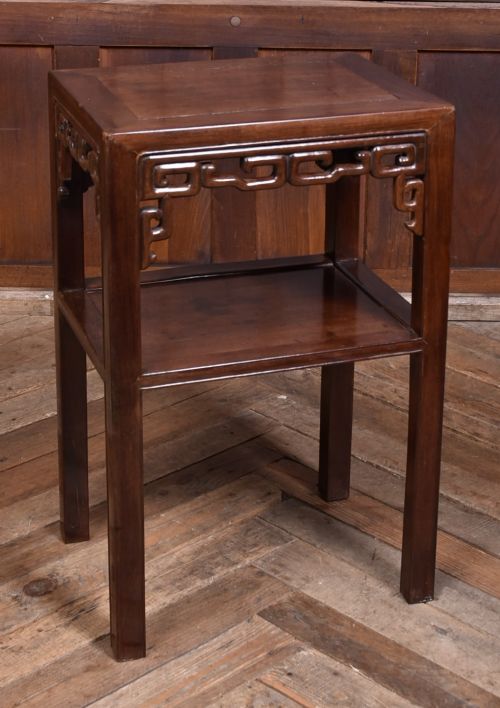
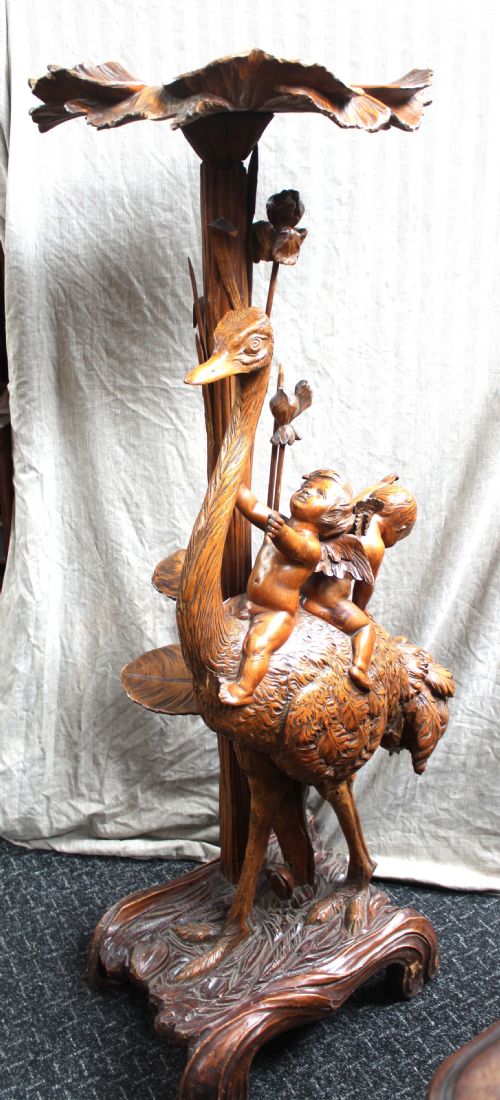
The pieces on this page span the Victorian and Edwardian eras back to the eighteenth century, incorporating styles such as William IV, Arts and Crafts, and Italian Renaissance Revival. Formats range from simple oak barley twist legs and two-tier plant stands to elaborate walnut figural columns and marble-topped Chinese vase tables.
Materials and Construction Techniques
Cabinetmakers constructed these supports using dense timbers like mahogany, walnut, oak, hardwood, and rosewood, occasionally combining them with contrasting materials such as marble inserts and brass fittings. Workshops utilised solid woods to sustain heavy loads, applying hand carving to create fluted columns, solomonic twists, and figural caryatid supports.
Surface treatments recorded in the listings include gesso details and grain-painted pine, reflecting both European cabinetmaking traditions and intricate Asian woodworking techniques. Joinery methods varied from traditional pegged framing to sturdy central column assembly designed to support planters and display pieces securely.
Listings feature woods spanning mahogany, walnut, oak, beech, rosewood, and hardwood, alongside marble-topped Asian and European tables.
Evaluating Craftsmanship and Design
The distinction between standard examples and superior pieces rests upon the depth, crispness, and ambition of the hand carving. Fine specimens exhibit sharply defined figural motifs, balanced proportions, and well-chosen timber figures such as figured mahogany or rich walnut.
Construction integrity also separates the range, with better items showing meticulous joinery in complex forms like triform bases or multi-tiered stands. The integration of inset marble tops and refined surface finishes further elevates the distinction of individual columns and torcheres.
Liberty of London
The Carved Wooden Display Pedestals Glossary
- Torchere
- A tall, slender stand originally designed to hold a candle or light, frequently utilised today for plants and small sculptures.
- Solomonic
- A helical or spiral twist column design inspired by classical architecture, often seen on seventeenth and eighteenth century oak pedestals.
- Caryatid
- A carved human figure serving as an architectural support column, frequently appearing on nineteenth century walnut and oak pedestals.
- Jardiniere
- A decorative pot or stand for plants and flowers, often featuring marble tops or ceramic inserts to withstand moisture.
- Plinth
- A heavy base or block supporting a statue, column, or vase stand, providing stability and visual weight.
Carved Wooden Display Pedestals: Frequently Asked Questions
What is the difference between a torchere and a plant stand?
Torcheres traditionally featured taller, slender shafts built to elevate light sources, whereas plant stands often incorporated broader tops or multiple tiers to support pots.
In practice, makers and buyers used these terms interchangeably through the nineteenth and twentieth centuries for decorative display furniture.
How were carved wooden display pedestals used historically?
These supports occupied drawing rooms, hallways, and conservatories to display imported porcelain, bronze figures, taxidermy, and potted ferns.
They raised decorative objects to eye level, allowing light to catch the details of Chinese vases and European sculptures.
Can these stands support heavy stone planters?
Sturdy hardwood and oak columns with broad bases handle substantial weight, particularly versions fitted with internal iron rods or solid timber shafts.
Lighter Edwardian beech or pine stands suit medium ceramic pots rather than heavy marble urns.
How do I identify Victorian examples from earlier pieces?
Victorian columns often showcase dense mahogany or walnut with heavier carving, drawing on Gothic, Renaissance, and Rococo revivals.
Earlier eighteenth-century items rely on simpler oak framing, solomonic turning, or structural triform geometry.