


Carved Wooden Desk Accessory
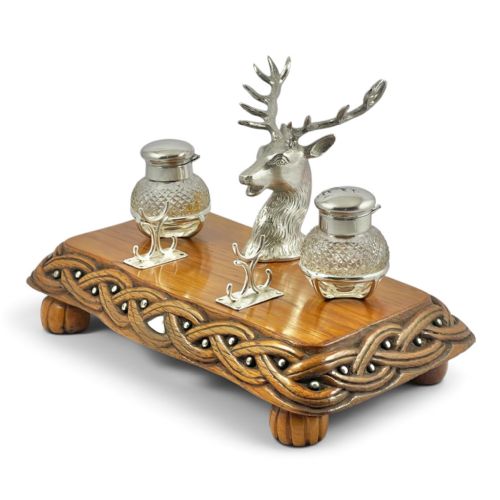
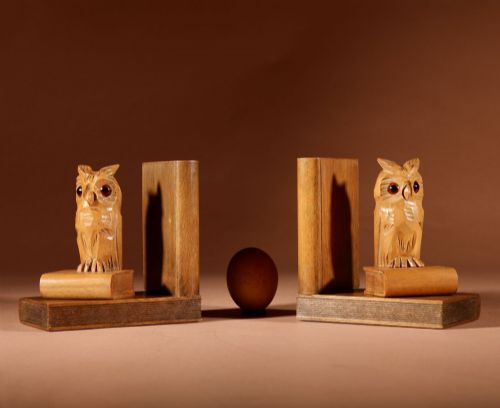
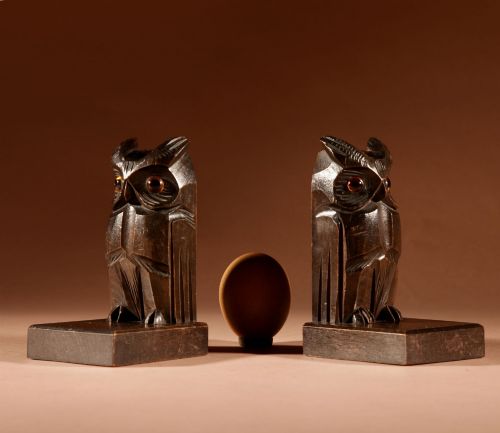
A carved wooden desk accessory brings character to a workspace, offering functional utility through carved inkwells, bookends, and letter racks shaped as animals or Gothic designs.
Carved Wooden Desk Accessory
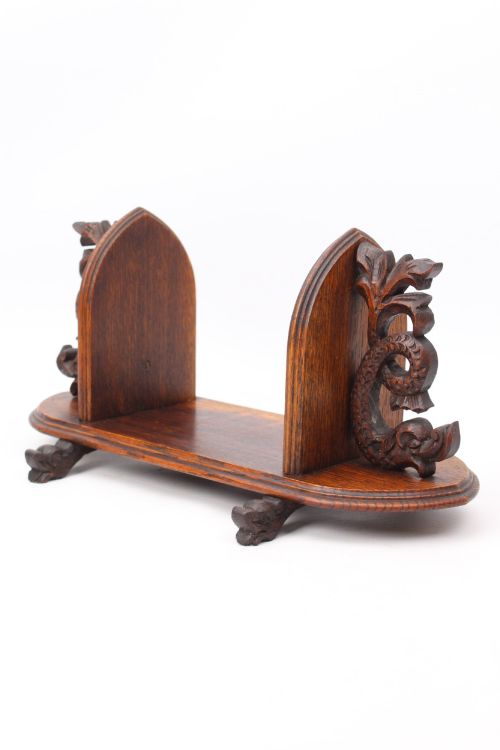
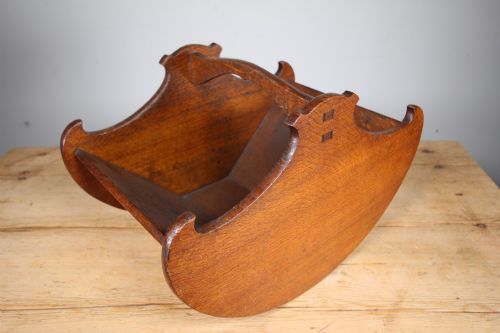
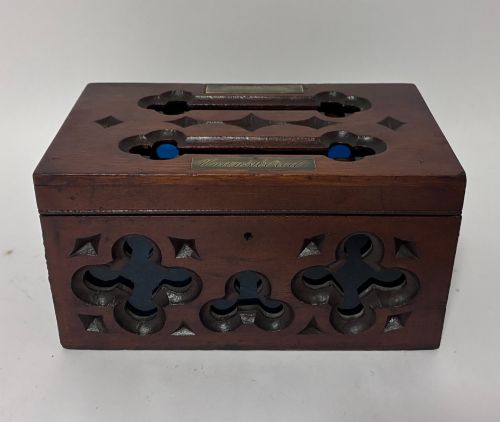
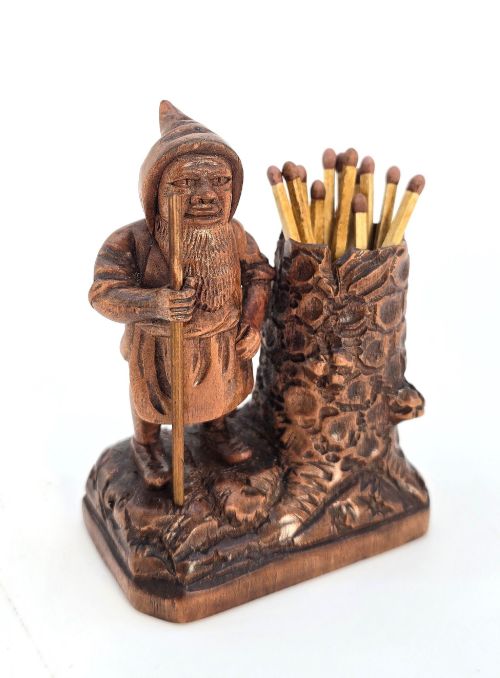
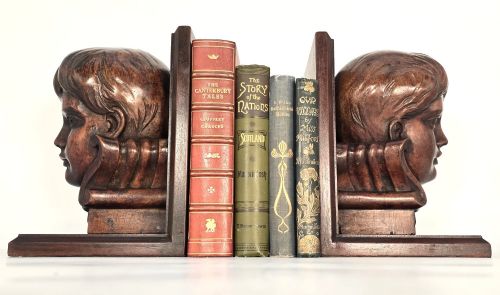
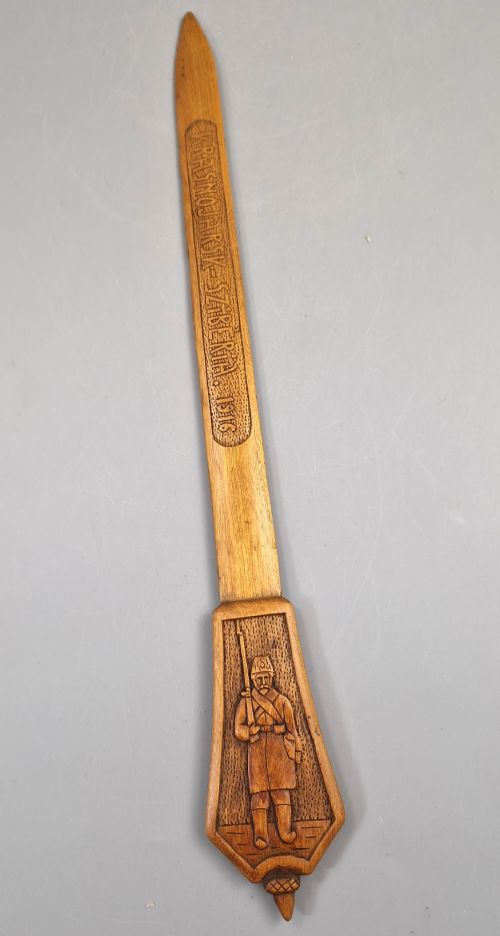
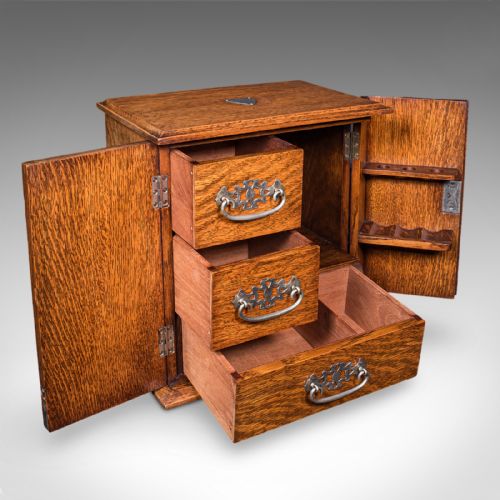
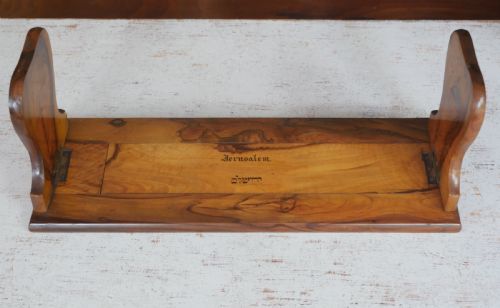
A carved wooden desk accessory comprises items designed for the an escritoire or study table, spanning functional companions like inkstands, match holders, and letter openers. Buyers searching for a carved wooden desk accessory will encounter items originating from the nineteenth century into the 1920s, including Edwardian and Victorian periods. Forms range from extending book slides and correspondence boxes to figural inkwells and library bookends.
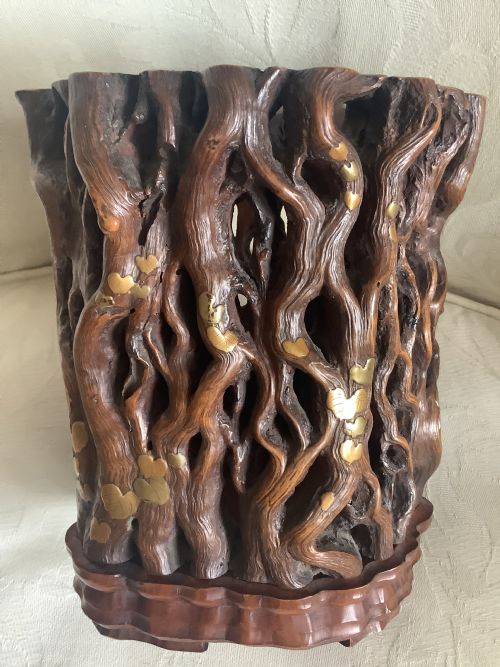
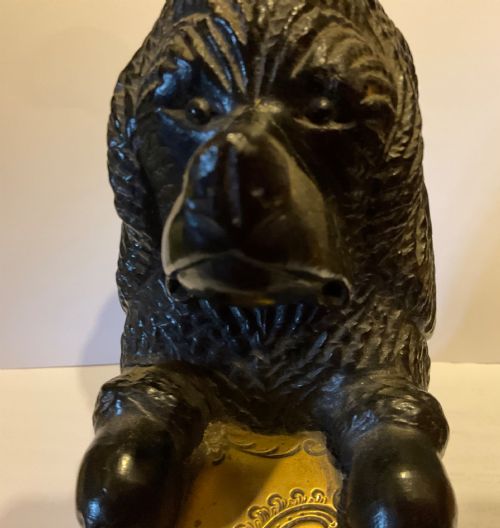
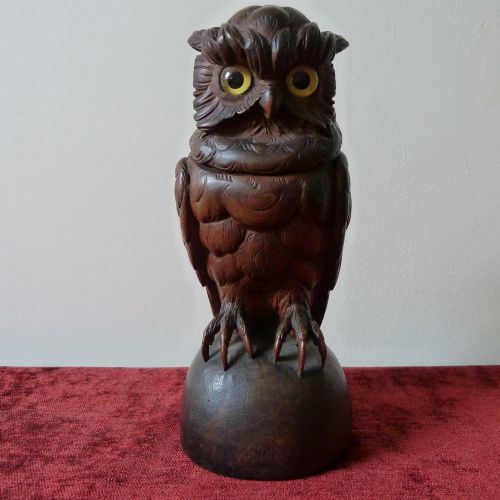
Black Forest carvings form a significant portion of these items, frequently depicting owls, bears, dogs, and cats in whimsical poses. Other regional styles include Anglo-Indian teak pieces, Irish hand-carved oak, and Japanese boxwood subjects. These objects served practical roles in home libraries and studies while displaying detailed craftsmanship.
What varies in quality
The depth and precision of the hand-carving distinguish finer pieces from simpler production work, particularly in animal expressions and foliage. Articulation of small details, such as glass inserts remaining intact within wooden housings, influences the integrity of inkstands and desk tidies. Maker attribution or signed pieces, alongside dated examples, represent superior standing within the range.
Listings feature Victorian and Edwardian periods alongside materials such as oak, brass, glass, and linden wood.
Arthur Simpson·Thornton Smith Co.
The Carved Wooden Desk Accessory Glossary
- Book slide
- An extending wooden stand designed to hold a variable row of volumes upright on a desk. These often feature carved ends and hinged or sliding bases.
- Inkstand
- A desk tray fitted to hold one or more inkwells, frequently accompanied by pen troughs and sanders. Materials include oak, mahogany, and silver-mounted woods.
- Match striker
- A container or surface designed for holding and igniting matches, often carved into novelty animal shapes such as gnomes or dogs. They incorporate textured striking areas.
- Correspondence box
- A lidded box or desk tidy intended for storing writing paper and envelopes. They frequently display Gothic Revival or Arts and Crafts stylistic influences.
- Black Forest
- A style of wood carving originating from central Europe, known for realistic animal subjects including bears, owls, and dogs. Pieces date predominantly from the late nineteenth and early twentieth centuries.
Carved Wooden Desk Accessory: Frequently Asked Questions
What is a desk tidy?
A desk tidy is a compartmentalised wooden accessory designed to hold stationery, pens, and correspondence in an orderly fashion.
These pieces often include drawers and inkwell inserts for comprehensive desktop organisation.
How do I date a Black Forest carving?
Black Forest carvings are typically dated by examining the style of the wood finish, the presence of glass eyes, and the complexity of the subject matter.
Victorian and Edwardian examples often display characteristic hand-tool marks and specific regional motifs from Central Europe.
Were these items used in offices?
These accessories were primarily utilised in domestic home libraries, studies, and doctor's consulting rooms rather than commercial offices.
Their decorative figural designs reflected personal tastes and the gentleman's study culture of the period.
What wood was most commonly used?
Makers utilised native hardwoods such as oak, mahogany, and linden wood depending on the regional workshop tradition.
Linden wood was favoured in Black Forest carving for its fine grain, while oak and mahogany suited British Gothic Revival and Arts and Crafts items.