

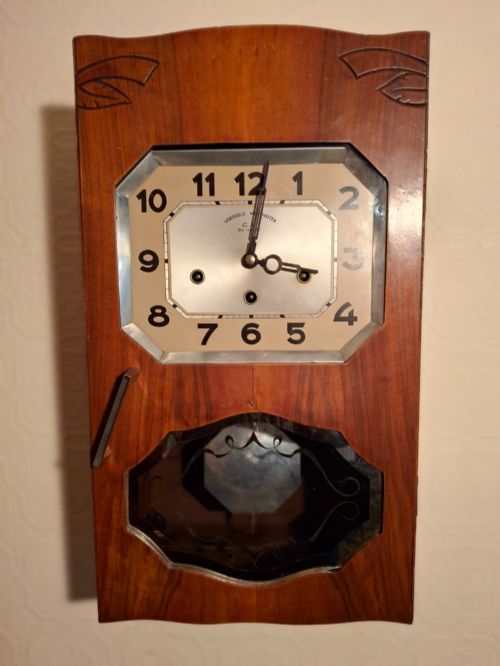
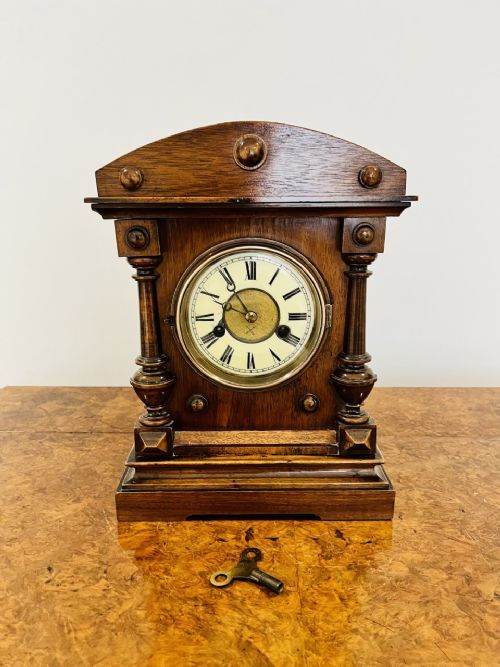
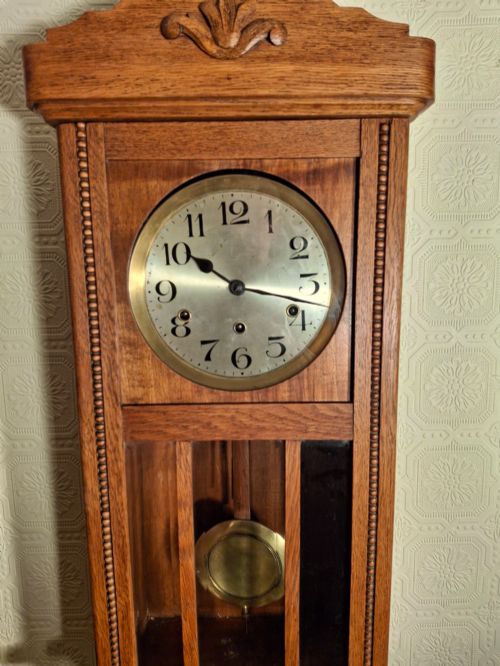
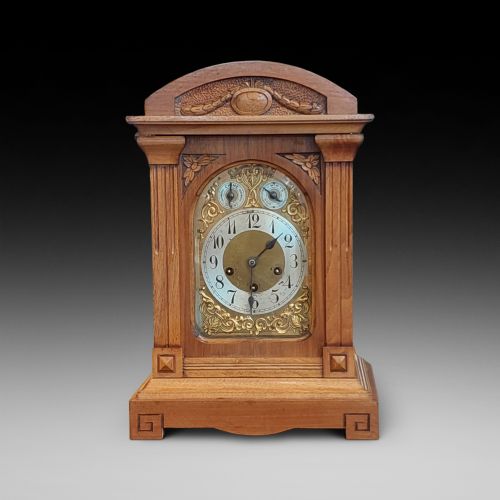




Carved Wooden Chime
These pieces known as a carved wooden chime combine timber cases with acoustic metal gongs, offering a traditional audible indicator for the home.
Carved Wooden Chime
When you search for a carved wooden chime, you encounter a selection of items primarily comprising mantel clocks, wall clocks, and dinner gongs housed in wooden structures. These items originate from periods spanning the nineteenth century through the mid twentieth century.
The most frequent examples on this page are bracket clocks and dinner gongs, utilising woods such as oak, walnut, and mahogany alongside brass or copper striking elements. Styles range from Victorian and Gothic Revival to Edwardian and Arts and Crafts.
Forms vary from large floor-standing grandfather and grandmother clocks to compact table gongs and wall-mounted regulators. Each piece incorporates a mechanism designed to produce a distinct chime or strike.
How they were made
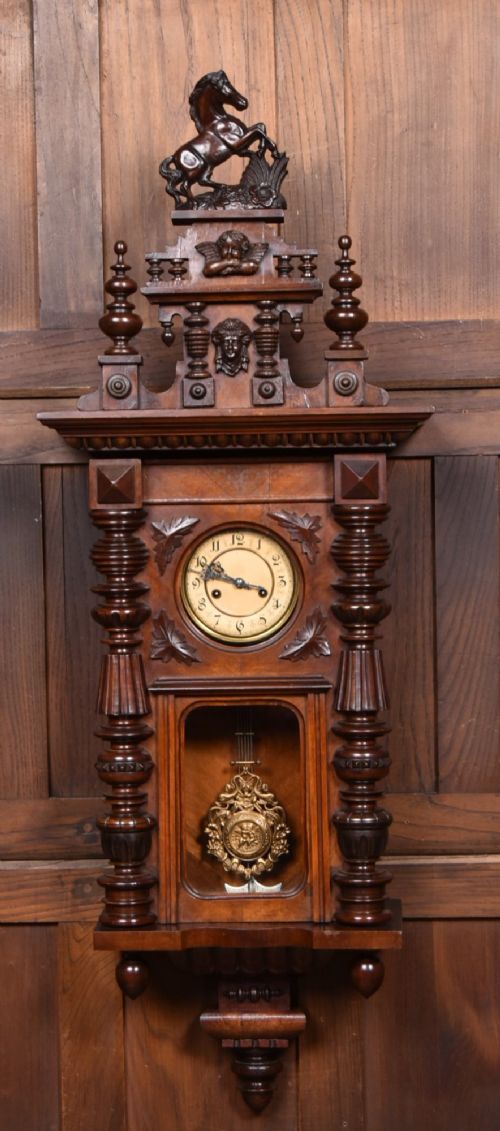
Cabinet makers utilised hardwoods including oak, walnut, and mahogany, carving the timber cases with architectural motifs, geometric patterns, or foliate details. These enclosures were then polished or left in their natural grain to showcase the material.
Acoustic elements such as brass bells, copper bowls, and silvered metal components were cast and mounted within or alongside the wooden frames to produce the striking and chiming tones. Complex mechanical movements utilising fusee or spring-driven trains were integrated to govern the striking sequences.
Carved Wooden Chime Retail Price Guide 2026
Typical asking prices for carved wooden chime among the pieces listed under this phrase on Sellingantiques today, from the lower quarter to the upper quarter. They describe what is for sale here now, not the wider market.
Periods represented span from nineteenth-century Victorian pieces through Edwardian examples to mid twentieth-century designs.
What varies in quality
The precision of the mechanical movement and the complexity of the chiming apparatus determine the upper tier of these pieces. Triple fusee trains and quarter-chiming mechanisms indicate superior technical construction compared to simpler time-only systems.
Depth and crispness in the woodwork separate standard production from finer examples. Carved details executed with sharp relief and well-figured timber veneers elevate the visual standing of a piece.
Winterhalder & Hofmeier·George Wadham·Mappin & Webb·Gustav Becker·Lenzkirch
The Carved Wooden Chime Glossary
- Fusee
- A conical pulley used in clock movements to maintain an even pull as the mainspring unwinds. This mechanism helps ensure steady timekeeping.
- Bracket clock
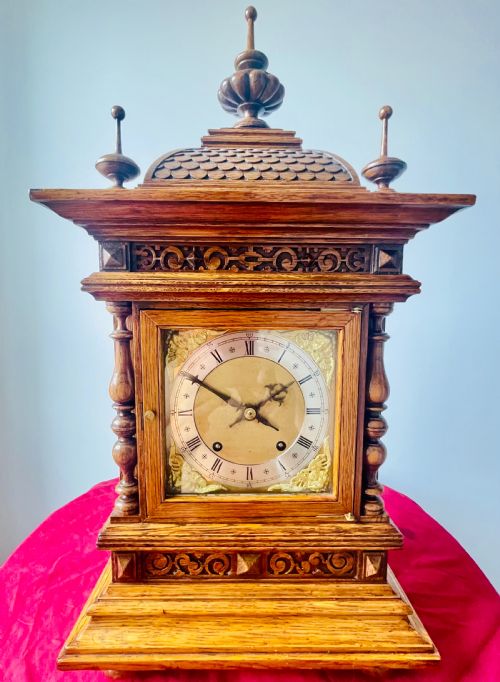
- A portable clock traditionally placed on a bracket or table. Many examples feature detailed wooden cases and carrying handles.
- Grandmother clock
- A slender, scaled-down version of a grandfather clock standing shorter in height. They typically house eight-day movements and chiming trains.
- Dinner gong
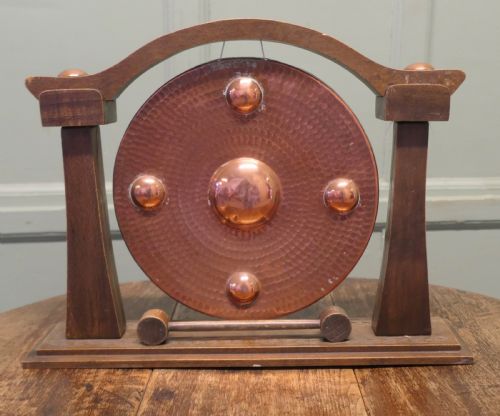
- A suspended metal disc or bell struck with a mallet to summon guests to meals. They are often mounted in carved wooden stands.
- Quarter chiming
- A mechanical function that sounds the quarters of an hour on multiple bells or rods. This feature requires intricate gear trains.
Carved Wooden Chime: Frequently Asked Questions
What is a carved wooden chime?
A carved wooden chime refers to clocks and gongs housed in decorated timber enclosures that produce audible strikes. They combine furniture cabinetry with mechanical timing or acoustic sounding devices.
Items in this category range from wall-mounted regulators and table bracket clocks to large freestanding dinner gongs and grandfather clocks.
How do you wind a bracket clock?
Winding involves inserting a key into the winding arbors on the dial face and turning gently until resistance is met. Care must be taken not to overwind the mainspring.
Different trains control the timekeeping, striking, and chiming functions, each requiring independent winding according to the specific movement design.
Where were these pieces placed?
Dinner gongs stood in hallways or dining rooms to summon occupants for meals. Bracket clocks sat on mantelpieces, tables, or dedicated wall brackets in principal rooms.
Larger longcase and regulator clocks occupied prominent hallways or reception spaces where their striking mechanisms could be heard throughout the house.
How do I identify the period?
Dating relies on stylistic clues within the woodwork, such as Gothic Revival arches or Arts and Crafts linear motifs, combined with maker signatures and movement types. Victorian and Edwardian examples often display distinct carving styles and dial configurations.
Examining the construction methods of the timber case and the evolution of the mechanical movement provides further chronological context.
What maintenance do they need?
Mechanical movements benefit from professional cleaning and lubrication every few years to ensure reliable operation. Keeping the wooden cases conditioned preserves the finish.
Placing the items away from direct heat sources and damp environments protects both the timber and the internal metal components.