
Carved Wooden Carver
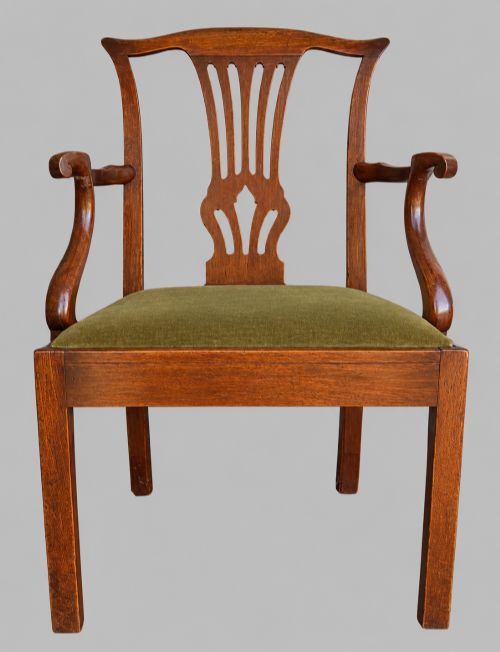
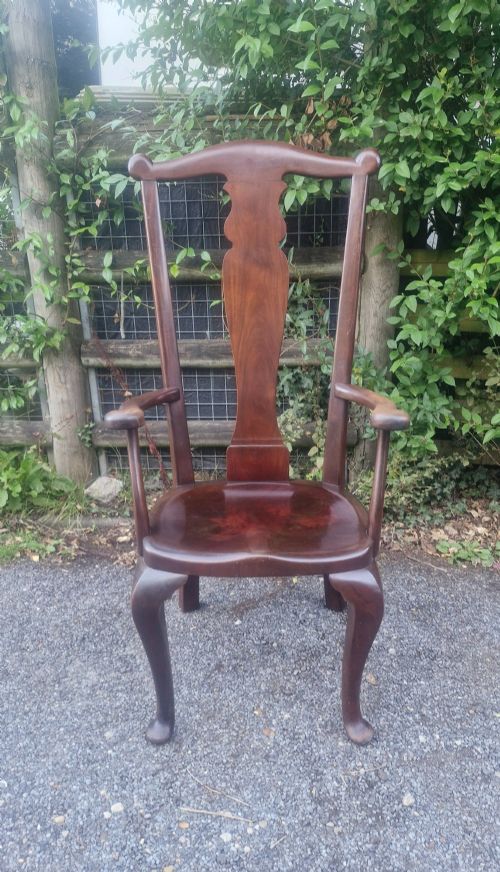
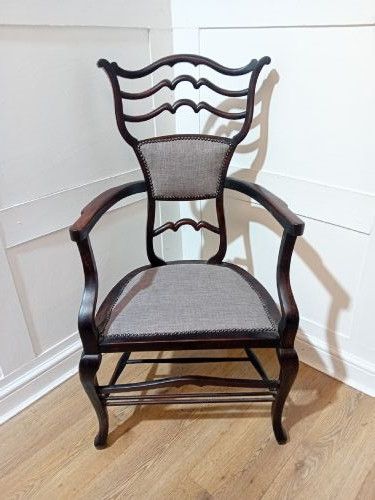
A carved wooden carver provides a substantial seat with arms at the head of a dining table or desk.
Carved Wooden Carver
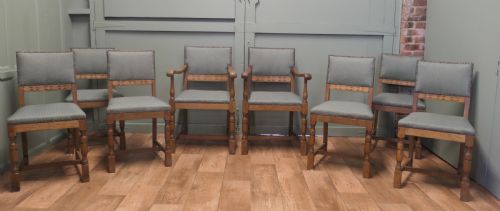
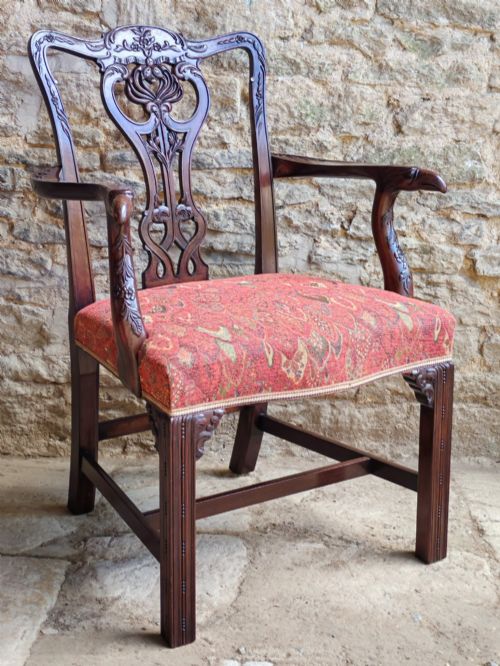
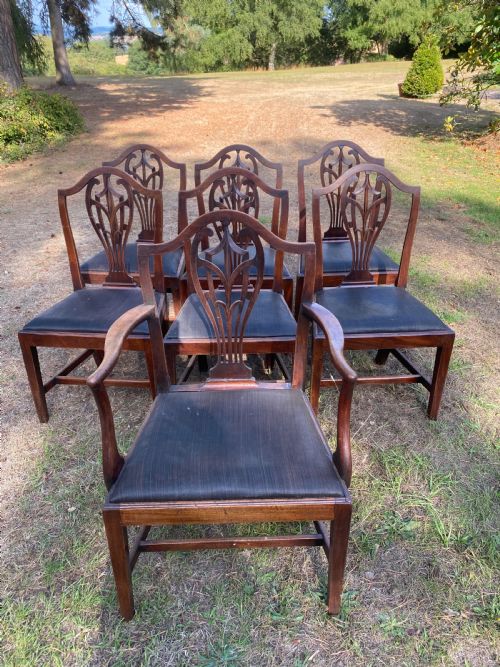
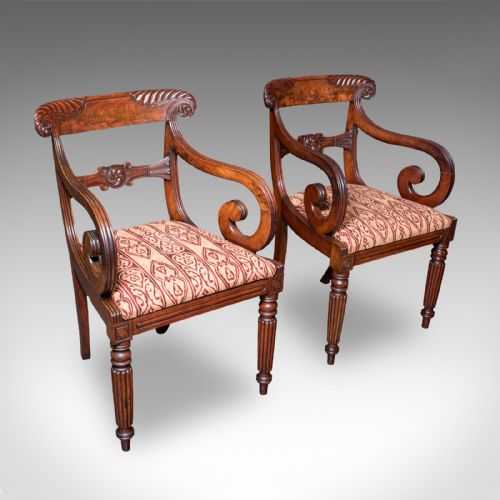
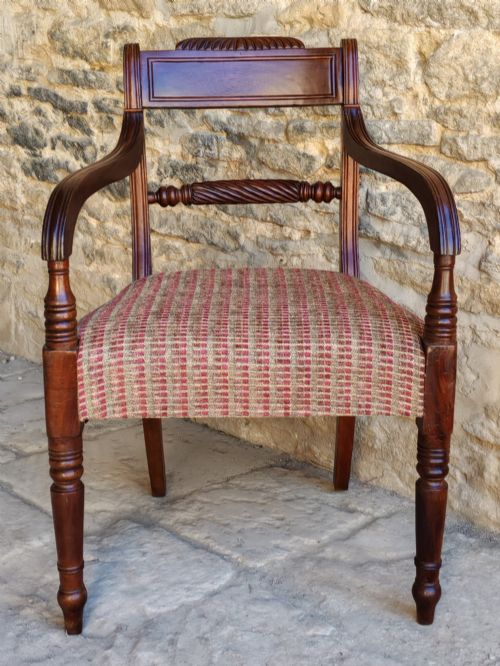
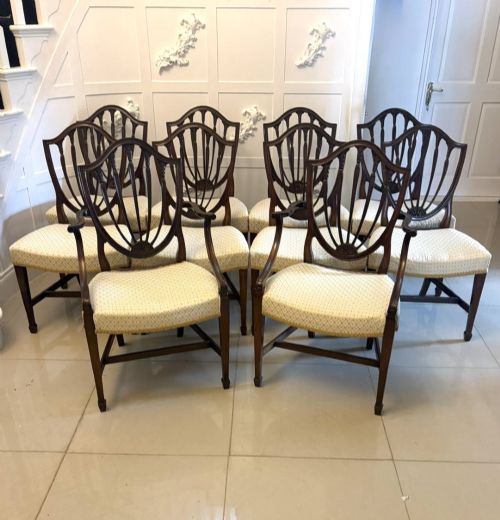
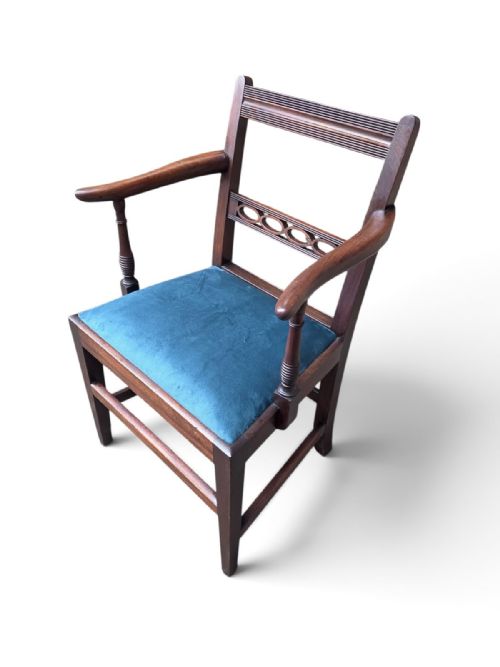
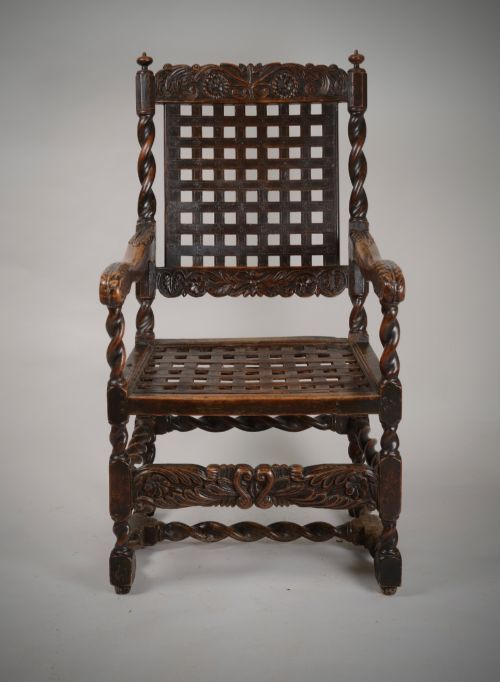
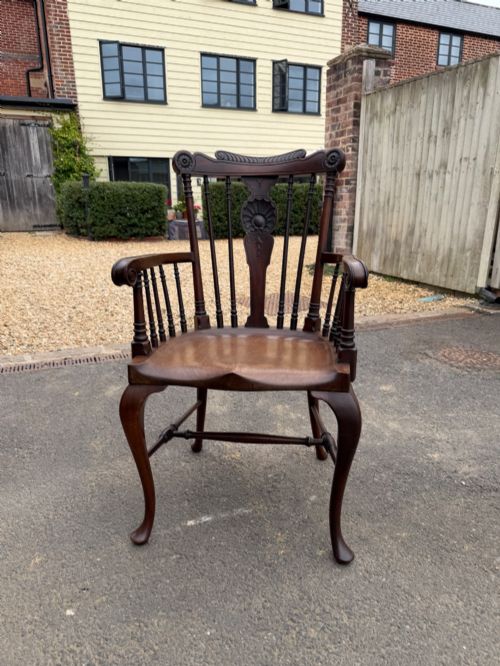
A carved wooden carver is a seated piece featuring armrests designed to stand distinct from standard side chairs. When searching for a carved wooden carver, a buyer encounters single seats, pairs, and armchairs forming parts of larger dining sets spanning the eighteenth, nineteenth, and early twentieth centuries.
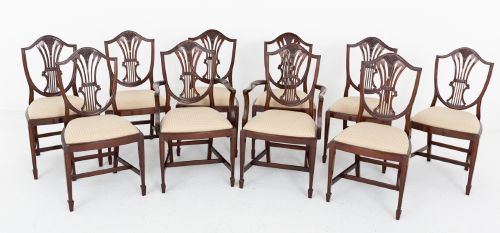
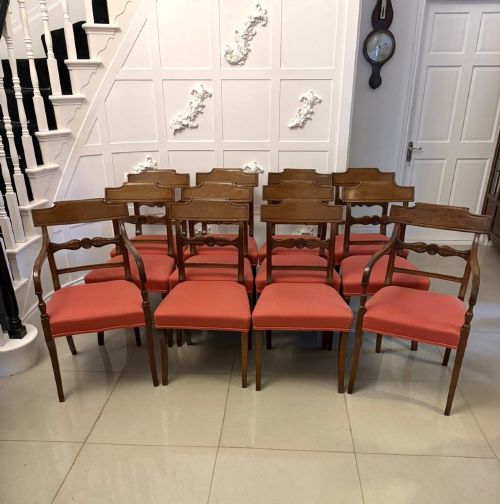
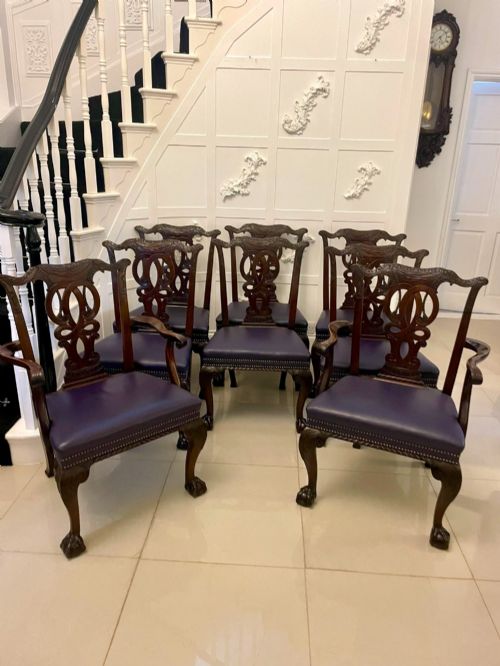
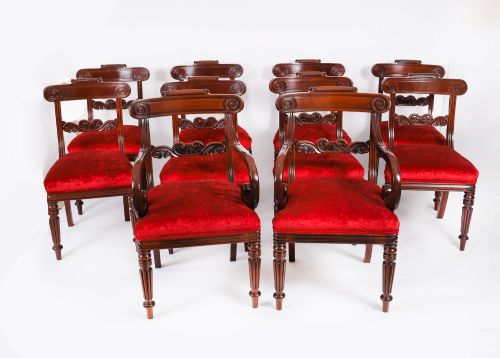
The selections span distinct periods including Georgian, Regency, Victorian, and Edwardian eras alongside revivals such as Chippendale, Hepplewhite, and Jacobean styles. Formats range from formal shield-back and ropeback dining carvers to high-backed kitchen seating and library armchairs.
Materials underpinning these armchairs include mahogany, oak, walnut, and maple, frequently complemented by upholstered seats in fabric or leather. Pieces originate from English, French, and Swedish workshops, varying from country vernacular Windsor designs to formal high-style reception seats.
Materials and construction methods
Cabinetmakers utilised dense hardwoods such as mahogany, oak, and walnut to build the structural frames of these armchairs. These woods allowed artisans to carve intricate details into splats, arms, and legs while maintaining the strength required for daily seating.
Joinery techniques involved mortise and tenon joints secured with pegs or dowels, ensuring durable frames across centuries of use. Upholstered variants integrated webbing and padding beneath fabrics or leather hides attached directly to the wooden seat rails.
Listings feature mahogany, oak, walnut, and maple frames combined with fabric and leather upholstery across multiple centuries.
Evaluating quality and execution
The standard of carving defines the artistic merit of a carved wooden carver, separating rigid mechanical decoration from fluid hand-chiselled detail. Crisp lines along the back splats, arms, and legs indicate the skill of the original maker.
Proportion and structural integrity dictate the long-term utility of the armchair. Heavier timber selection and balanced arm supports distinguish finer formal reception seats from simpler utility models.
Howard and Sons·Maple and Co
The Carved Wooden Carver Glossary
- Carver
- An armchair designed with armrests, traditionally placed at the ends of a dining table alongside matching side chairs. These pieces offer wider proportions than standard dining seats.
- Shield-back
- A chair back shaped in the outline of a heraldic shield, popular during the eighteenth century and later revivals. This design often incorporates carved splats and drapery motifs.
- Ropeback
- A chair back featuring carved wooden rails twisted to resemble knotted rope. This decorative detail appears frequently on Regency and early nineteenth-century mahogany seating.
- Windsor
- A traditional chair constructed with a solid wooden seat into which the legs and spindles are wedged. These vernacular pieces frequently utilise bentwood components for the backrest and arm bow.
Carved Wooden Carver: Frequently Asked Questions
How do I identify Georgian chairs?
Georgian chairs display distinct proportions, classical carved motifs, and premium hardwoods such as mahogany and walnut. Styles range from plain ladder-backs to ornate Chippendale designs.
Construction methods involve traditional joinery without modern metal fasteners.
Are these chairs suitable for daily use?
Solid hardwood frames provide sturdy construction suited to regular seating at desks or dining tables. Checking the stability of the joints ensures safe everyday utility.
Upholstered sections may require occasional maintenance or reupholstering depending on the condition of the fabric and internal padding.
What woods were used?
Cabinetmakers primarily worked with mahogany, oak, and walnut across different periods and regional workshops. Lighter woods such as maple and beech also appear in specific revival and country pieces.
Timber choice dictates both the weight and the depth of carving achievable on the frame.