





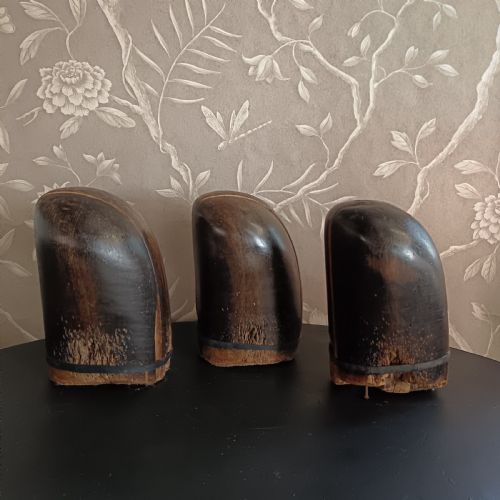


Carved Wooden Block
These carved wooden block selections encompass utilitarian chopping surfaces, textile stamps, and millinery forms spanning the eighteenth century to the early twentieth.
Carved Wooden Block
When you search for a carved wooden block, you are looking at functional workshop implements, kitchen furnishings, and printing tools shaped from timber. The selection on this page leans heavily towards French and English origins, ranging from heavy butchers blocks to intricate textile and wallpaper stamps.
The assortment includes utility pieces such as elm pulley blocks alongside decorative milliners hat forms and folk art heads. Beech, elm, oak, and walnut are the primary timbers encountered across these diverse forms.
Dating ranges primarily through the Victorian era into the early twentieth century, incorporating traditional trades and domestic implements. Each piece reflects the specific manual labour or craft it was originally designed to serve.
Materials and technique
Makers utilised dense hardwoods such as beech, elm, and fruitwood to withstand heavy daily use in kitchens, workshops, and printing houses. These timbers were selected for their grain stability and resistance to splitting under pressure.
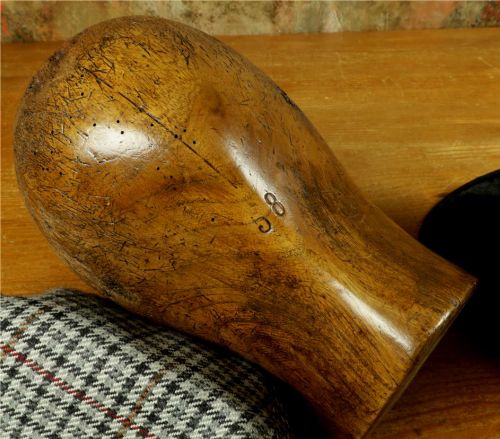
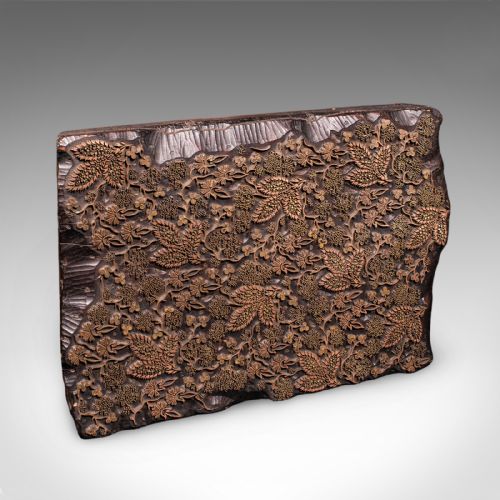
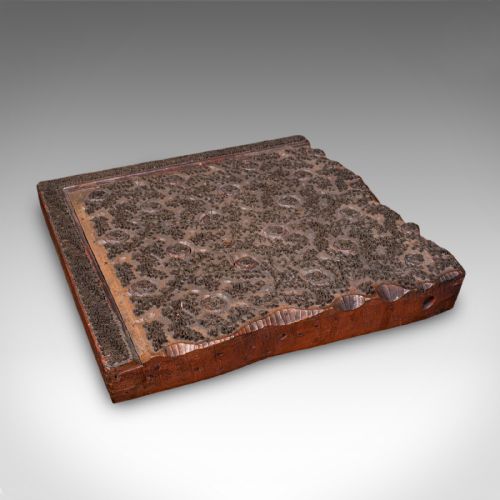
Printing and stamping blocks frequently incorporate driven brass pins and strips to create fine lines and repeated patterns within the wooden base. Hat blocks and millinery forms were hand-carved and turned to precise anatomical shapes for shaping felt and straw.
Joinery and surface shaping relied on traditional hand tools, leaving subtle chisel marks and adze textures across the timber. Structural iron or brass fittings appear on maritime pulley blocks and hardware to endure tension.
Carved Wooden Block Retail Price Guide 2026
Typical asking prices for carved wooden block among the pieces listed under this phrase on Sellingantiques today, from the lower quarter to the upper quarter. They describe what is for sale here now, not the wider market.
Listings feature items from the eighteenth century up to the 1930s, constructed from beech, elm, oak, walnut, and fruitwood.
Quality variations
The distinction between ordinary utility items and superior examples lies in the crispness of the hand-carving and the complexity of any inset brass work. Textile stamps with dense, intact metal pinwork represent a higher tier of craftsmanship than plain wooden counterparts.
Timber selection and ageing dictate visual appeal, with well-figured grain and honest patination from decades of workshop use elevating a piece. Pieces retaining original structural integrity without excessive dry rot or timber loss command greater interest.
Complexity of form also plays a role, as sculptural millinery heads and detailed folk art carvings demonstrate greater artistic input than standard geometric chopping blocks.
Liberty of London
The Carved Wooden Block Glossary
- Treen
- Small handmade wooden objects for domestic use. This term covers items like carved biscuit cutters and small turned containers.
- Milliner
- A maker and designer of hats. Milliners utilised wooden and fruitwood blocks to shape and store headwear.
- Pulley block
- A maritime wooden casing containing one or more sheaves for ropes. Ships used these assemblies for rigging and hoisting.
- Block front
- A cabinetmaking style featuring a central recessed vertical section flanked by two projecting panels. This form appears on seventeenth and eighteenth century chests of drawers.
- Textile printing block
- A carved timber stamp used to transfer patterns onto fabric or wallpaper. Many examples incorporate inset brass strip work.
Carved Wooden Block: Frequently Asked Questions
What were carved wooden blocks used for?
These blocks served a variety of industrial, domestic, and commercial purposes depending on their specific form. Printing blocks stamped patterns onto fabrics and wallpapers, while hat blocks shaped millinery.
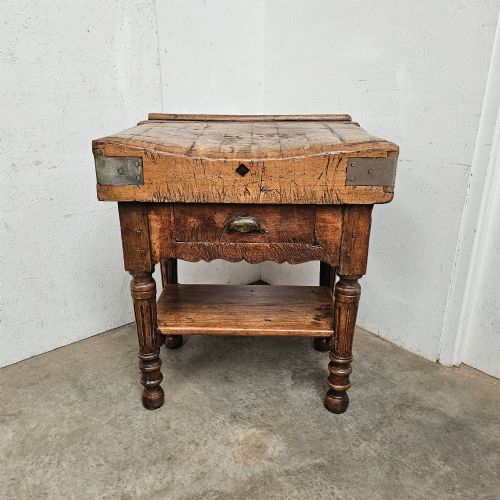
Other variations acted as heavy chopping surfaces in butchers kitchens or served mechanical functions as maritime pulley blocks on ships.
How do I care for antique wooden blocks?
Keep wooden blocks away from direct heat sources and sudden temperature fluctuations to prevent the timber from splitting. Maintaining a stable indoor environment protects the historic dry surfaces and any embedded brass elements.
Apply a microcrystalline wax sparingly if the wood appears exceptionally dry, but otherwise allow the natural patination to remain untouched.
How can I tell the age of a block?
Dating relies on observing tool marks, timber species, and construction methods relative to known stylistic periods like the Victorian era or eighteenth century. Hand-cut joinery and heavy surface wear from historical trade use often indicate greater age.
Comparing the specific hardware, such as wrought iron or brass pins, helps place the object within nineteenth or early twentieth century manufacturing traditions.
Are hat blocks suitable for modern hat making?
Many vintage millinery forms and hat blocks retain their solid structural integrity and correct anatomical proportions for shaping headwear today. Solid beech and fruitwood variants handle steam and stretching adequately if the timber has not suffered deep structural rot.
Collectors also display these sculptural forms simply as decorative objects in domestic interiors.