

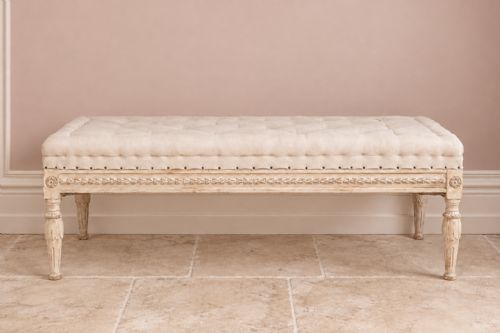
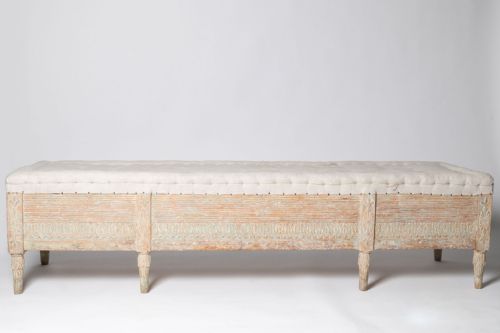
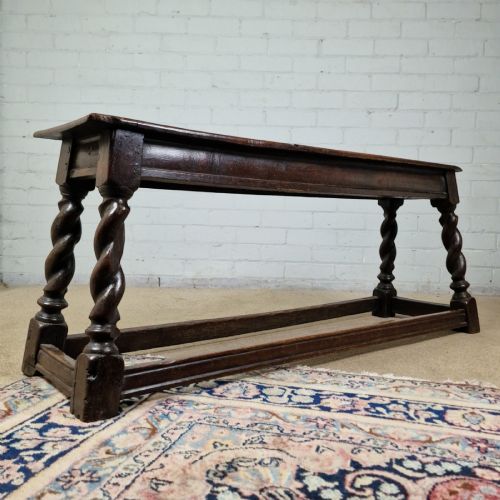
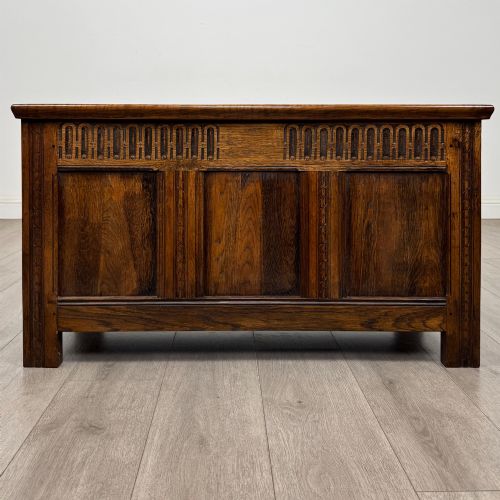


Carved Wooden Bed Bench
These carved wooden bed bench pieces offer practical seating and display surfaces, bringing period character and texture to a bedroom.
Carved Wooden Bed Bench
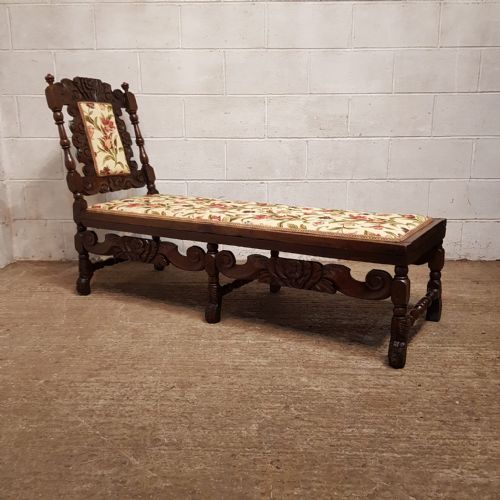
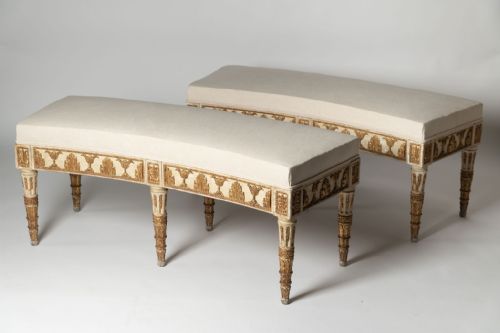
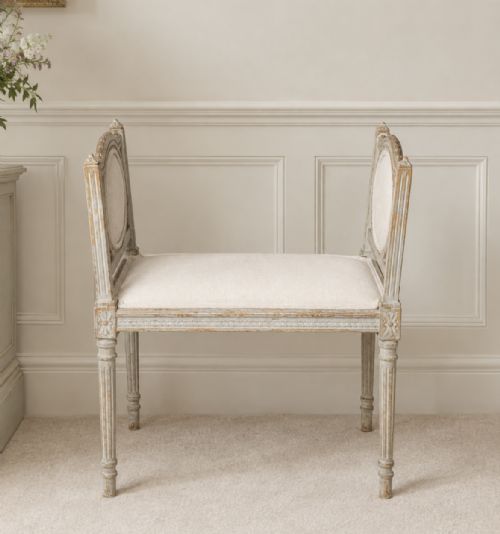
A carved wooden bed bench encompasses a range of seating and low furniture, including long stools, window seats, daybeds, and blanket chests suited for placement at the foot of a bed. The selection spans the eighteenth century through to the twentieth century, drawing on English, French, Italian, and Chinese traditions.
The most common forms you will encounter here are nineteenth-century French window seats, eighteenth-century oak long stools, and various carved walnut or hardwood benches. These items function equally well as hallway seating, occasional tables, or bedroom accents.
How they were made
Makers utilised solid timbers such as oak, walnut, hardwood, beech, and giltwood, often enhancing the structure with hand-carving or turned elements. Joinery methods varied by region and period, ranging from traditional pegged oak construction to refined continental framing.
Upholstered examples integrate textiles, fabric, linen, and cane panels. These soft elements complement the dense wooden frames, whether the finish is left as bare timber, painted wood, or lacquered.
Carved Wooden Bed Bench Retail Price Guide 2026
Typical asking prices for carved wooden bed bench among the pieces listed under this phrase on Sellingantiques today, from the lower quarter to the upper quarter. They describe what is for sale here now, not the wider market.
One listed ceremonial bed doubles easily as a generous coffee table.
What varies in quality
Quality depends upon the crispness of the hand-carving and the integrity of the timber frame. Pieces that retain their original structural stability and display thoughtful proportions command greater attention.
The treatment of secondary materials, such as the quality of the linen upholstery or the tightness of the cane work, marks the distinction between standard utilitarian items and finer decorative examples.
The Carved Wooden Bed Bench Glossary
- Daybed
- A long seat designed for reclining, functioning similarly to a chaise longue or wide stool. These pieces often feature raised ends and carved wooden frames.
- Window seat
- A narrow upholstered bench designed to fit within the recess of a window, though frequently placed at the foot of a bed. They typically rest on short legs with carved rails.
- Banquette
- A long upholstered bench or stool of French origin. The style often incorporates exposed wooden framing and slender legs.
- Blanket chest
- A large wooden box with a hinged lid used for storing linens and blankets. Many double as benches when topped with a cushion.
Carved Wooden Bed Bench: Frequently Asked Questions
Where should I place a bed bench?
These pieces sit naturally at the foot of a bed, providing a surface for sitting while dressing or for holding decorative cushions and throws at night.
They also function effectively in hallways, beneath windows, or as low coffee tables in larger living spaces.
How do I clean carved wooden frames?
Dust the carved details regularly with a soft, dry cloth to prevent dirt from settling into the recesses of the timber. Avoid harsh chemical polishes that can degrade older wax or oil finishes over time.
For upholstered sections, use a gentle vacuum attachment or consult a specialist textile cleaner depending on the fabric.
Are these benches comfortable for sitting?
Comfort varies depending on whether the piece is a bare wooden stool, a cane-seated bench, or an upholstered window seat. Many historical examples prioritize firm support over deep cushioning.
Adding a loose cushion can easily adjust the seating experience to suit your daily preferences.
How can I tell an eighteenth-century piece from a later revival?
Eighteenth-century examples typically display hand-cut joinery, timber shrinkage consistent with age, and simpler tool marks left by the maker. Revival pieces often show machine tooling or standardisation in their decorative carving.
Examining the underside and interior joints reveals the construction methods characteristic of different eras.