



Carved Wood Wildlife
Carved wood wildlife brings tactile natural forms and deep domestic history into a room through masterful nineteenth and early twentieth-century artistry.
Carved Wood Wildlife
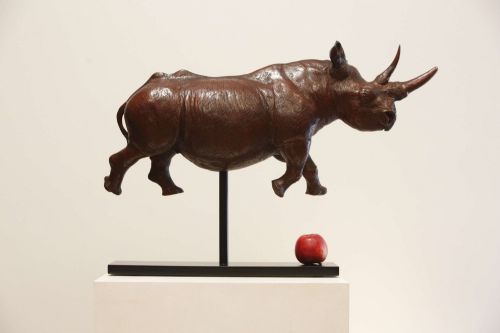
When you search for carved wood wildlife, you encounter sculptural domestic items and wall decorations shaped from timber across the nineteenth and early twentieth centuries. These objects capture animals ranging from red deer and ibex to birds of prey and hippopotami through distinct regional traditions.
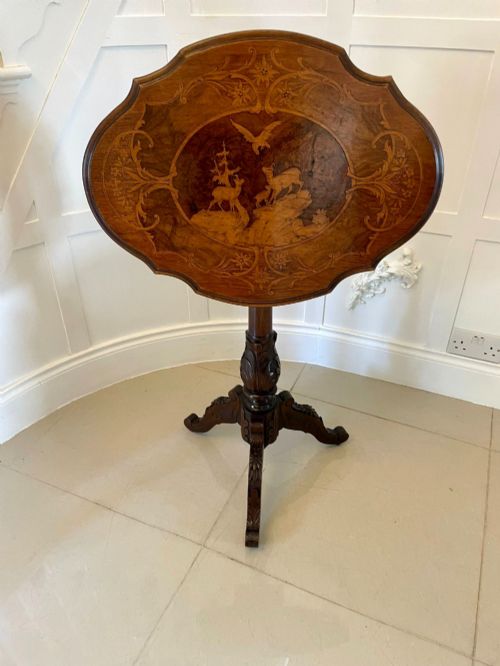
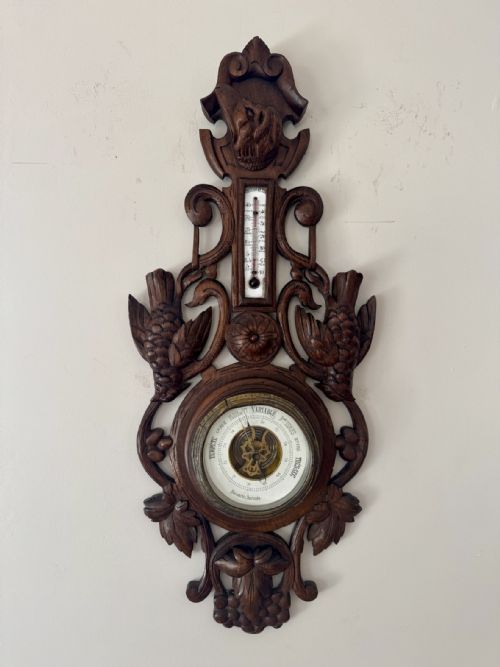
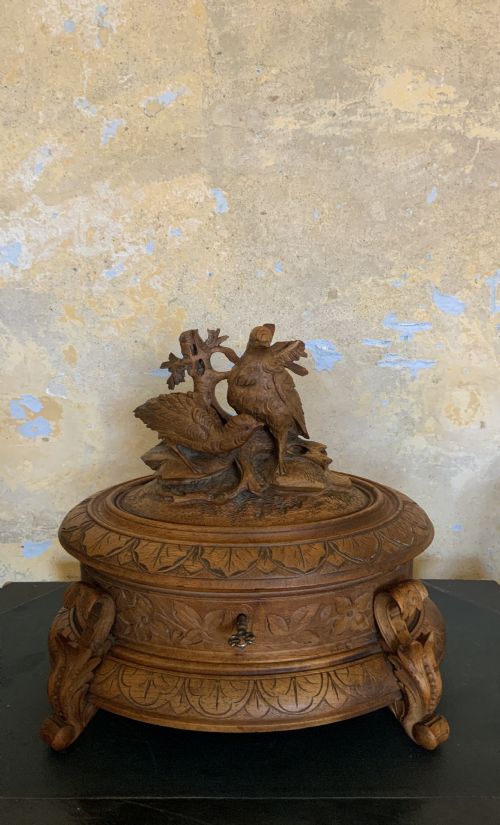
The Black Forest style dominates the selection here, bringing European woodland fauna into forms like occasional tables, aneroid barometers, caskets, wall mirrors, wall plaques, and substantial hall stands. Alongside these European works, African folk art adds carved hardwood and bone studies such as the hippopotamus and stampeding Cape buffalo.
Buyers are most likely to meet nineteenth-century Black Forest studies of deer, birds, and game alongside later items from the early nineteen-hundreds. These pieces function simultaneously as utilitarian furniture, precision instruments, and detailed animal sculptures.
How they were made
Carvers shaped these animals using varied timbers including walnut, lime wood, linden wood, and mixed hardwood inlays. Artisans selected specific woods for their grain and workability to render the fine fur, plumage, and muscular tension of wildlife.
Makers integrated functional elements directly into the woodwork, mounting brass and glass components alongside porcelain and metal details. Barometers, mirror plates, and storage boxes merge seamlessly into the carved forestry scenes.
Carved Wood Wildlife Retail Price Guide 2026
Typical asking prices for carved wood wildlife among the pieces listed under this phrase on Sellingantiques today, from the lower quarter to the upper quarter. They describe what is for sale here now, not the wider market.
Watch out for a lifelike antelope peering out from the nineteenth-century selection, standing ready to bring unexpected wilderness indoors.
What varies in quality
Naturalism and anatomical proportion separate standard workshop pieces from superior artistic studies. The finest carvers capture skeletal tension and realistic texture in the animal's coat rather than relying on generic surface scoring.
The integration of the carving with its utilitarian purpose dictates the sophistication of the object. Masterpieces blend the functional requirements of a table, mirror, or barometer into the organic branches and foliage without losing structural harmony.
The Carved Wood Wildlife Glossary
- Black Forest
- A nineteenth-century carving style originating in the Brienz region of Switzerland, known for highly detailed representations of bears, deer, and alpine foliage. These works range from small trinket boxes to massive hall furniture.
- Aneroid barometer
- A non-liquid weather-measuring instrument housed within a decorative carved wooden casing. The mechanism uses a small, flexible metal box to measure atmospheric pressure changes.
- Marquetry
- The art of applying pieces of veneer to a structural wood surface to form decorative patterns or pictorial scenes. Walnut and mixed hardwoods frequently feature in these inlaid panels.
Carved Wood Wildlife: Frequently Asked Questions
Where did Black Forest carvings originate?
These decorative and functional objects emerged primarily from workshops in Switzerland during the nineteenth century. Local carvers developed a thriving industry centred around alpine fauna and forestry themes to supply international travellers.
The tradition eventually spread across wider European markets, influencing domestic furniture and wall decoration. Artisans combined traditional carpentry with high-relief animal sculpture to create distinct household items.
How do I date these carvings?
Dating relies heavily on the stylistic clues within the woodwork, the complexity of the subject matter, and associated materials like glass and brass. Nineteenth-century examples often display deep regional traditions associated with Swiss and German workshops.
Later pieces extending into the early twentieth century show subtle shifts in proportion and hardware integration. Comparing the specific animal subject and timber choice against known period forms helps narrow the decade.
Were these pieces purely decorative?
Many items served a distinct everyday function while displaying elaborate wildlife carvings. Barometers recorded weather, wall mirrors reflected light, and caskets stored precious items.
Larger forms like hall stands and occasional tables integrated animal sculptures directly into structural supports. Utility and artistry existed side by side in the Victorian domestic interior.
What woods were commonly utilised?
Carvers selected timbers based on the required detail and structural strength of the object. Walnut and mixed hardwoods provided durability for tables and mirrors.
Linden wood and lime wood offered softer, finer grains ideal for intricate fur texture and facial expressions. The choice of timber directly affected the depth and sharpness of the final relief.