



Carved Wood Vanity Box
These carved wood vanity box pieces are domestic containers shaped by Victorian and Georgian hands, offering genuine period charm to any room.
Carved Wood Vanity Box
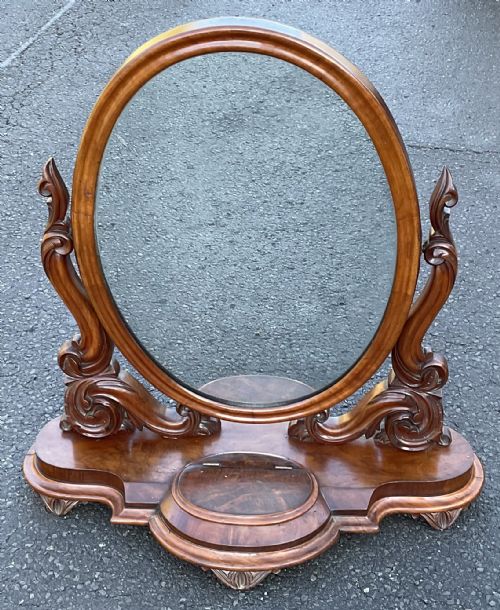
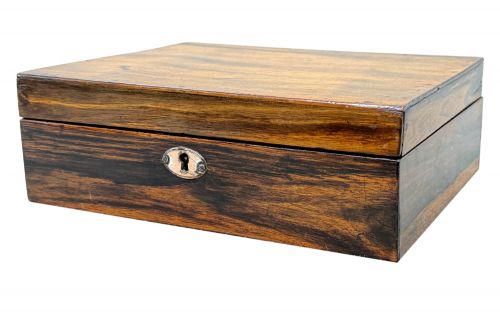
A carved wood vanity box typically appears as a dressing mirror, jewellery chest, or keepsake case originating from the Georgian, Regency, and Victorian eras. These containers served domestic spaces for personal grooming, securing small treasures, and organising daily trinkets.
You are most likely to encounter mahogany and rosewood forms, alongside coromandel wood examples and Sorrento olive wood pieces. The selection spans swing toilet mirrors, sarcophagus-shaped jewellery boxes, and decorative cases created across the nineteenth century.
How they were made
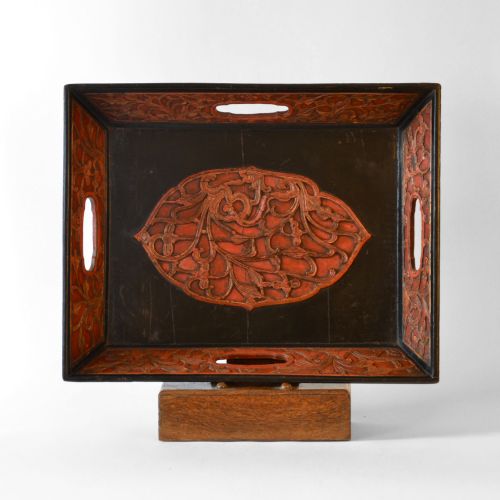
Cabinet makers utilised dense hardwoods such as mahogany, rosewood, and coromandel wood, shaping them into serpentine fronts, rectangular work boxes, and architectural frames. These timbers provided a stable foundation for intricate hand carving and decorative surface details.
Construction involved traditional joinery methods suited to portable domestic objects, incorporating brass fittings, glass mirrors, and mother-of-pearl inlay. French polish and natural wax finishes protected the timber while highlighting the natural grain and carved relief.
Carved Wood Vanity Box Retail Price Guide 2026
Typical asking prices for carved wood vanity box among the pieces listed under this phrase on Sellingantiques today, from the lower quarter to the upper quarter. They describe what is for sale here now, not the wider market.
Secret compartments in these boxes frequently waited for hidden spring releases to guard letters.
What varies in quality
Quality rests in the precision of the timber selection, the crispness of the hand carving, and the integrity of the original construction. Superior examples display carefully matched wood veneers and harmonious proportions across mirrors and box lids.
The sophistication of internal compartments, the quality of incorporated brass hardware, and the survival of original glass elements separate fine work from standard utilitarian pieces. Finer specimens retain their structural stability and surface patination without heavy modern intervention.
The Carved Wood Vanity Box Glossary
- Coromandel wood
- A dense, heavily figured exotic timber with dark brown and black grain patterns used for luxury nineteenth-century boxes.
- Sarcophagus-shaped
- A box design featuring a steep, sloping lid and flared base reminiscent of classical monumental architecture.
- Serpentine front
- A curved furniture front curving outward in the centre and inward at the sides, common in Georgian pieces.
- Swing toilet mirror
- A tabletop dressing mirror mounted on pivots between upright supports to allow angle adjustment.
- Sorrento
- A style of decorative woodwork originating in Italy featuring intricate marquetry and carving in olive wood.
- Mahogany
- A durable reddish-brown tropical hardwood favoured by cabinet makers for its stability and rich grain.
Carved Wood Vanity Box: Frequently Asked Questions
What is a carved wood vanity box?
A carved wood vanity box is a period container or dressing mirror designed for holding jewellery, cosmetics, and small keepsakes.
These pieces date primarily from the Georgian and Victorian eras, reflecting the domestic habits and craftsmanship of the nineteenth century.
How were these boxes used?
Owners placed them on dressing tables and boudoir surfaces to organise trinkets, letters, and personal grooming items.
They functioned as both practical storage and decorative furnishings within private domestic rooms.
How do I date an antique box?
Dating relies on identifying the timber species, construction techniques, hardware style, and prevailing design period.
For instance, coromandel and heavy brass inlay typically point towards Victorian manufacture, while simpler mahogany swing frames often indicate Georgian origins.
Are these boxes difficult to care for?
Maintaining these pieces requires consistent indoor humidity levels and protection from direct sunlight to prevent timber splitting.
Occasional application of traditional wax helps preserve the finish and nourishes the antique wood.