

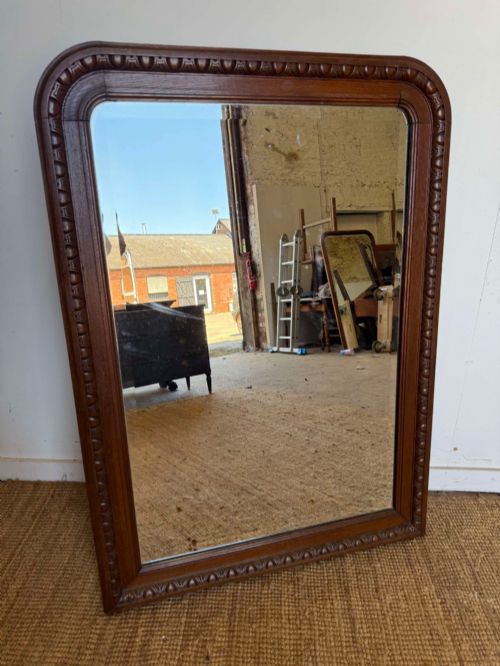
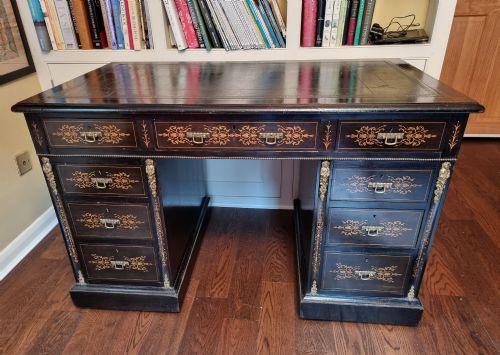
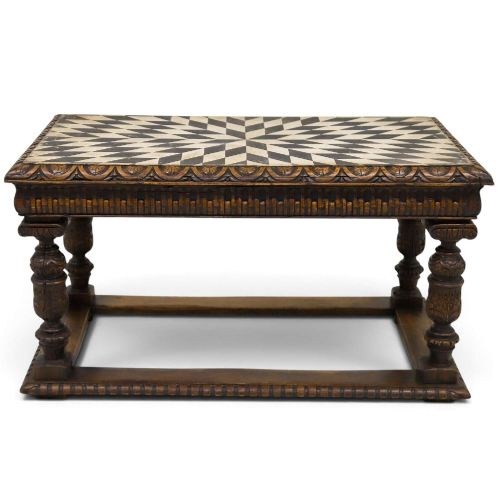
Carved Wood Top
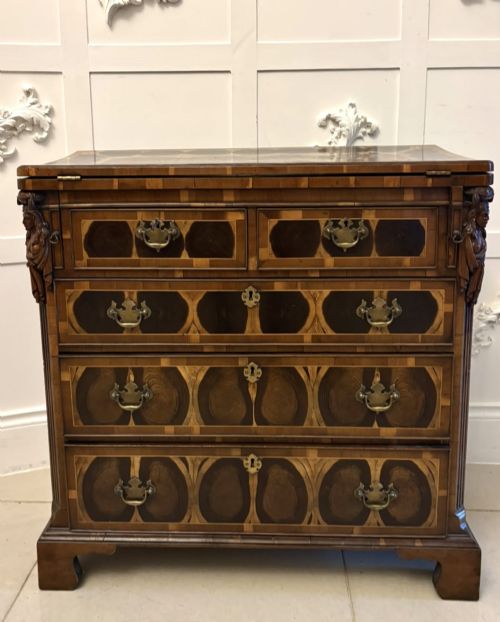
A carved wood top brings substantial timber character and intricate surface relief into a room, often sitting atop occasional, tilt-top, or console tables from the eighteenth and nineteenth centuries.
Carved Wood Top
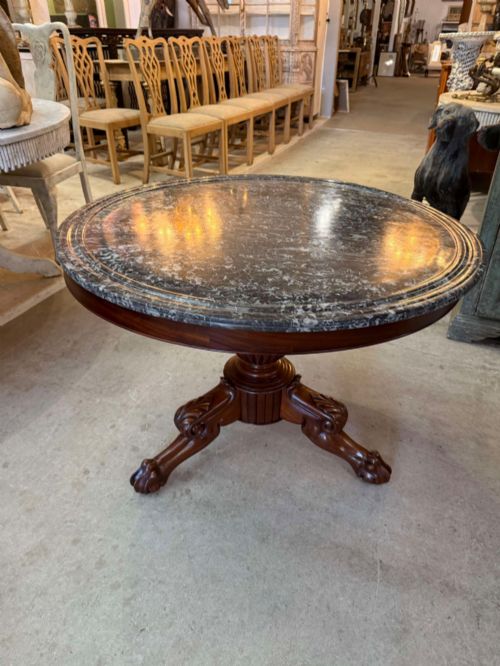
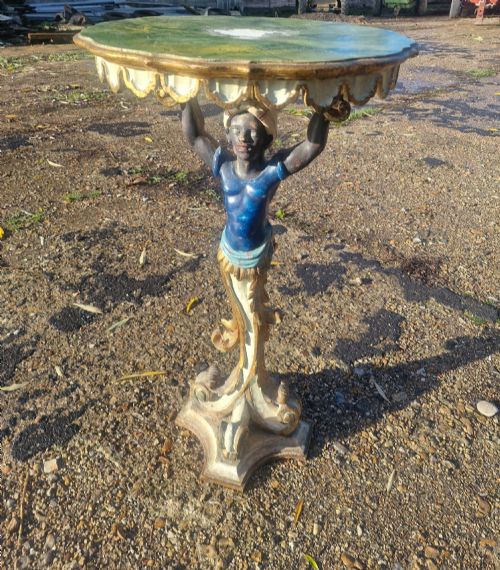
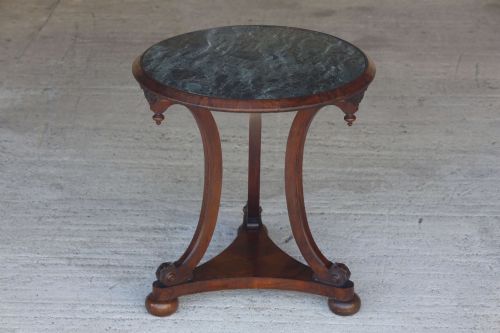
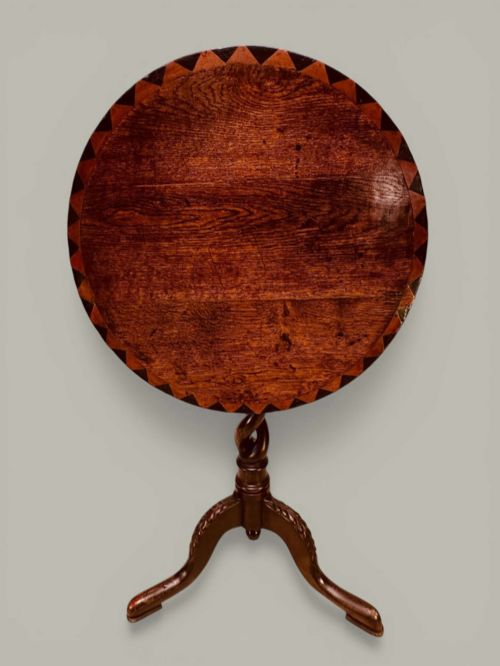
A search for a carved wood top encounters diverse furniture forms spanning eighteenth-century George III dining and tripod tables, Victorian walnut games tables, and nineteenth-century Anglo-Indian or Burmese hardwood pieces. Side tables, console tables, breakfast tables, and occasional tables dominate the offerings.
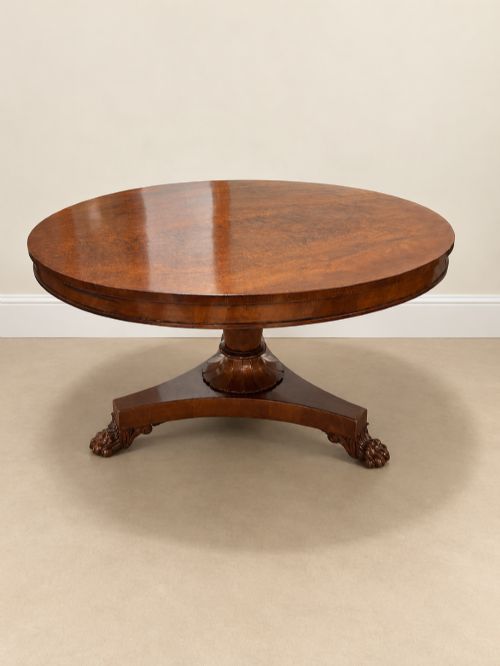
The surface carving ranges from crisp pie crust edges and scrolling foliage to dense oriental relief work. Many examples incorporate tilt mechanisms, pedestal bases, or marble inserts alongside the carved timber upper surface.
Materials and construction methods
Cabinetmakers utilised dense native and exotic timbers such as mahogany, walnut, rosewood, padouk, and satin birch, often selecting figured boards with strong grain patterns. These woods were shaped, joined, and mounted to pedestals or frames, providing a stable foundation for detailed hand-carving.
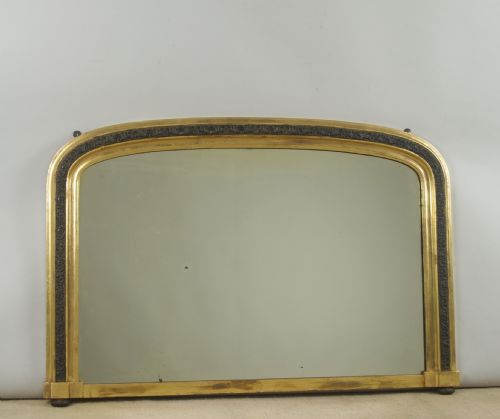
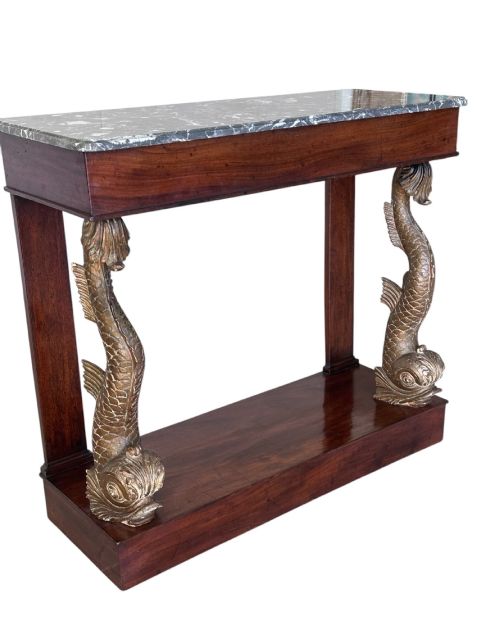
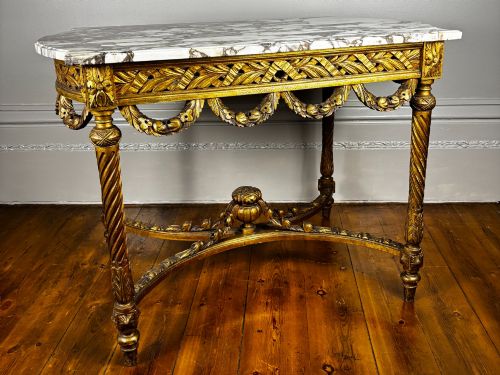
Carvers applied chisels and gouges directly to the solid timber edges or separate applied mouldings, creating relief work like rope twists, acanthus leaves, and pie crust borders. Gesso and gilding occasionally complemented the carved wooden frameworks, particularly on mirrors and console tables.
Carved Wood Top Retail Price Guide 2026
Typical asking prices for carved wood top among the pieces listed under this phrase on Sellingantiques today, from the lower quarter to the upper quarter. They describe what is for sale here now, not the wider market.
Several pieces owe their existence to nineteenth-century breakfast habits, when tables needed to tilt out of the way before morning housekeeping began.
Assessing quality in carved surfaces
The distinction between ordinary and superior pieces rests entirely on the crispness and depth of the hand-carving. Sharp undercutting and confident tool marks indicate a skilled hand, whereas softer, rounded relief suggests mass production or later recutting.
Timber selection and structural integrity dictate the upper tier of the range. Well-figured grain, stable joints, and original tilt mechanisms or pedestals preserve the historical integrity of the piece.
Gillows·Gabriel Viardot·Arsène Rochette
The Carved Wood Top Glossary
- Tilt top
- A table mechanism allowing the upper surface to pivot vertically for storage when not in use. This clever design saved valuable floor space in period drawing rooms.
- Pie crust edge
- A raised, decoratively carved circular tabletop border resembling pastry fluting. Cabinetmakers shaped this directly from the solid timber edge.
- Tripod base
- A three-legged support structure commonly found beneath small occasional and breakfast tables. It ensures stability on uneven historical flooring.
- Gesso
- A plaster-like mixture applied to wood surfaces as a smooth base for gilding or painting. Artisans built up layers before tooling intricate relief patterns.
Carved Wood Top: Frequently Asked Questions
How were tilt top tables used?
These tables stood against drawing room walls when not in use, displaying their decorative surfaces before being pivoted down for tea or dining.
The tilting mechanism allowed households to reclaim valuable floor space quickly in smaller period rooms.
What woods appear most frequently?
Makers predominantly utilised dense hardwoods like mahogany, walnut, and rosewood, alongside exotic imports such as padouk and satin birch.
These timbers offered the structural stability required for intricate edge carving and heavy daily use.
How do I care for a carved wood top?
Maintain the timber by dusting regularly with a dry cloth and applying natural beeswax sparingly to preserve the finish.
Keep these tables away from direct heat sources and strong sunlight to prevent the timber from splitting or warping.