






Carved Wood Table Chairs
These carved wood table chairs bring substantial historical character and solid timber construction to a dining room or parlour.
Carved Wood Table Chairs
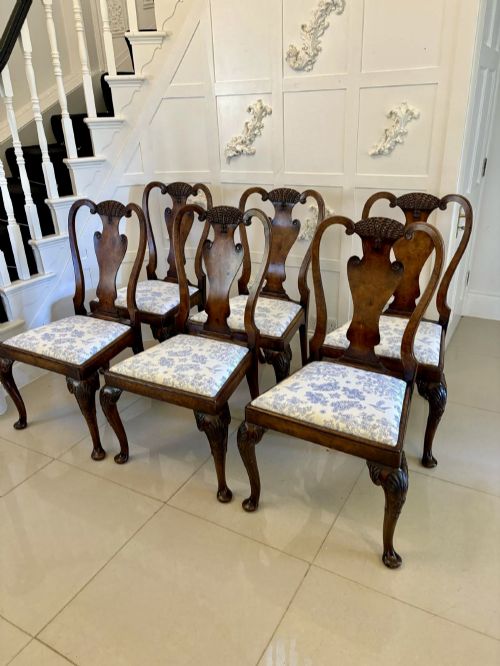
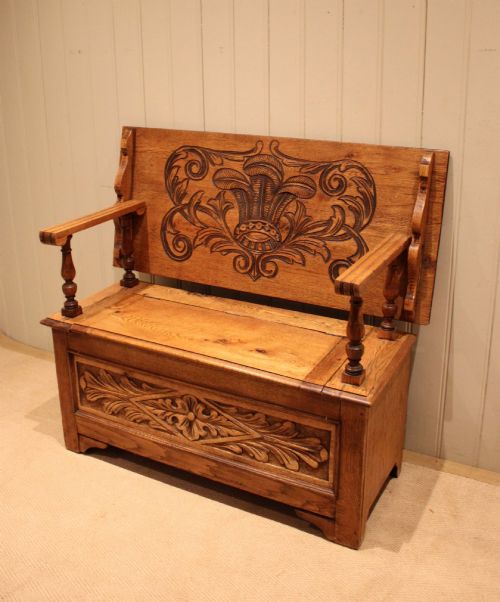
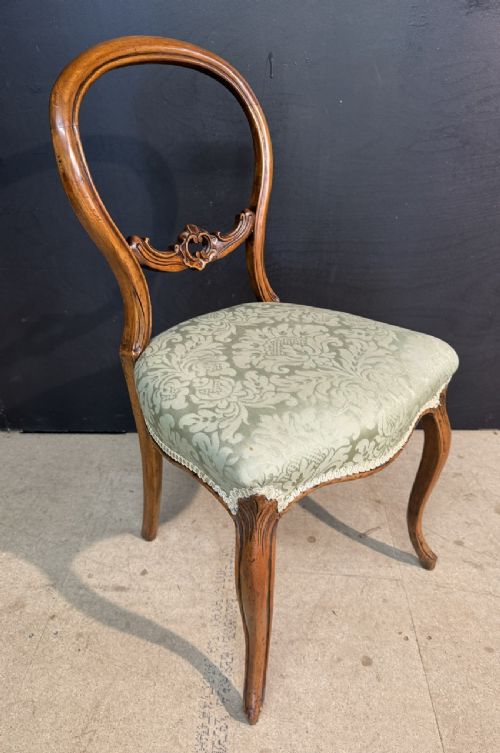
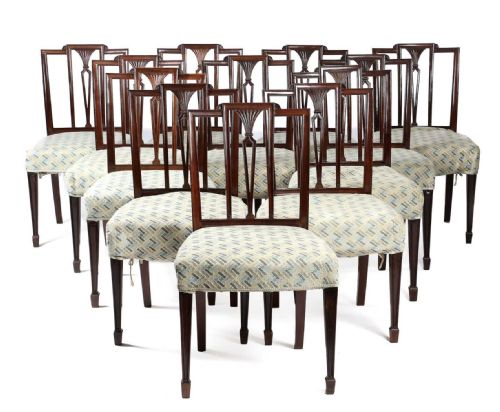
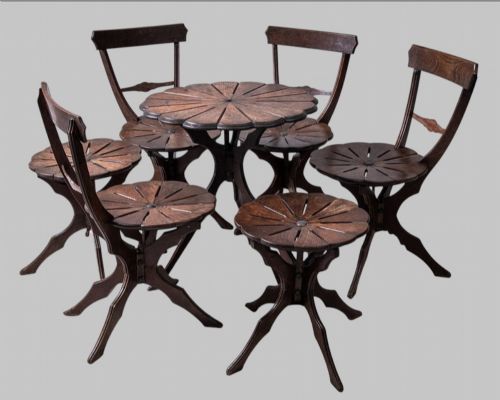
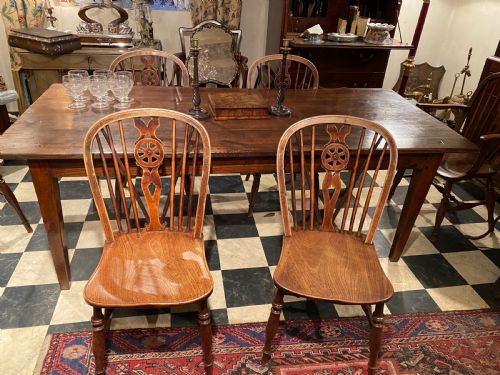
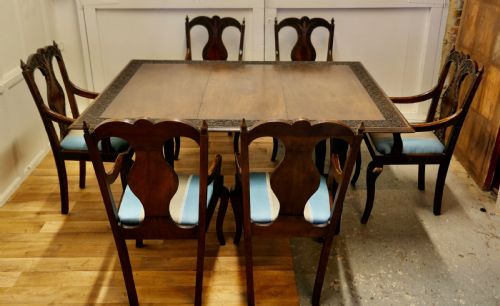
When you search for carved wood table chairs, you enter a diverse field spanning formal dining seating, functional monks benches, and decorative stools dating from the seventeenth century through to the early twentieth century. These pieces encompass various forms including sets of dining chairs, individual side chairs, parlour suites, and convertible monks benches.
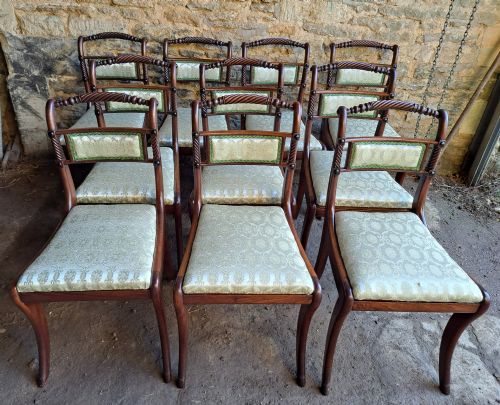
The selections encountered on this page heavily feature oak, mahogany, and rosewood constructions, often styled in traditional periods like the Regency, Victorian, and George III eras. Buyers will find everything from large sets of twelve dining chairs to single vanity stools and multifunctional oak monks benches with drawers.
How they were made
Makers utilised dense hardwoods such as oak, mahogany, walnut, and rosewood, applying hand-carved ornamentation to backs, legs, and frames. Joinery methods relied on traditional pegging and mortise and tenon joints to ensure the structural longevity of dining chairs and benches.
Upholstery fabrics and decorative coverings were frequently integrated into seating forms like parlour suites, dressing table stools, and bedroom chairs. Surface treatments ranged from polished dark oak finishes to painted details on French boudoir stools.
Several monks benches hide secret drawers beneath their seats, ready to store the household secrets of bygone centuries.
What varies in quality
The distinction between tiers rests upon the precision of the hand-carving and the selection of timber, such as Cuban mahogany or solid oak, rather than secondary woods. Sets that remain complete, whether numbering eight, ten, or twelve matching chairs, hold greater cohesion than assembled groups.
Original structural integrity and period-appropriate restoration significantly influence the standing of each piece. Stamped signatures from established makers add documented provenance that elevates the individual item above standard vernacular production.
James Shoolbred·Waring
The Carved Wood Table Chairs Glossary
- Monks bench
- A convertible piece of furniture functioning as a table and a bench with a hinged top. These oak items often incorporate storage drawers beneath the seat.
- Cabriole leg
- A furniture leg that curves out and then in, resembling an animal's curving leg. This shape frequently appears on Victorian and eighteenth-century style seating.
- Parlour suite
- A matching set of seating furniture designed for a formal reception room. These groupings usually comprise multiple chairs and sometimes include a small settee.
- Twisted rope legs
- A decorative turning technique resembling a twisted rope shape. This detail adds visual texture to the supports of dressing table stools and chairs.
Carved Wood Table Chairs: Frequently Asked Questions
How do I date a carved wood chair?
Dating relies on identifying the prevailing timber species, primary construction techniques, and stylistic motifs corresponding to periods like the Regency or Victorian eras. Examining tool marks and joinery underneath the seat provides further chronological clues.
Changes in wood finishing and the evolution of chair backs, such as scroll carvings or twisted legs, help narrow down the specific decade of manufacture.
Are monks benches practical for daily use?
Monks benches serve well as functional hallway or dining seating while offering concealed storage beneath the seat. The convertible top allows the piece to double as a small table surface.
Care should be taken with antique hinges and eighteenth or nineteenth-century timber when shifting the top mechanism between table and bench positions.
How should I clean antique carved wood?
Dusting with a dry, soft cloth prevents the accumulation of dirt within the hand-carved recesses of oak, mahogany, or walnut surfaces. Avoid modern silicone-based polishes that can degrade historical timber finishes over time.
Applying microcrystalline wax occasionally helps protect the wood and maintains a subtle natural sheen without building up heavy residues.
Can I mix different styles of dining chairs?
Mixing various period chairs, such as pairing Regency mahogany dining chairs with a central table, creates an eclectic interior scheme. Maintaining a consistent wood tone or similar proportions helps anchor the arrangement visually.
Complete sets of twelve or ten matching chairs offer formal uniformity, whereas smaller sets or single side chairs allow for a more collected appearance.