



Dark Wood Parlour Furniture
Dark wood parlour furniture brings together rich timbers and refined craftsmanship from the Regency, Victorian, and Edwardian periods.
Dark Wood Parlour Furniture
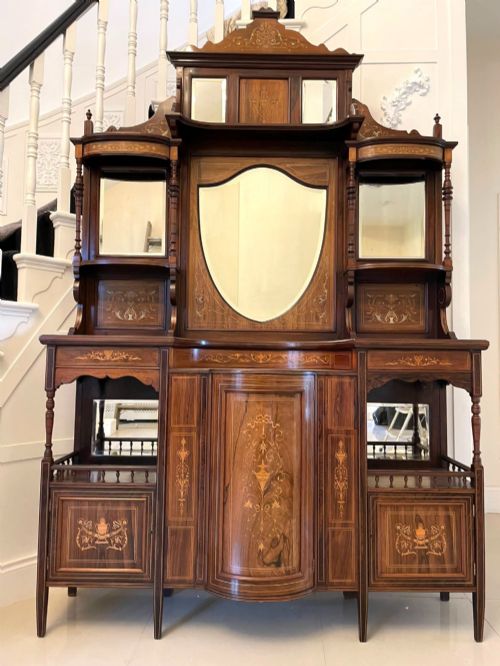
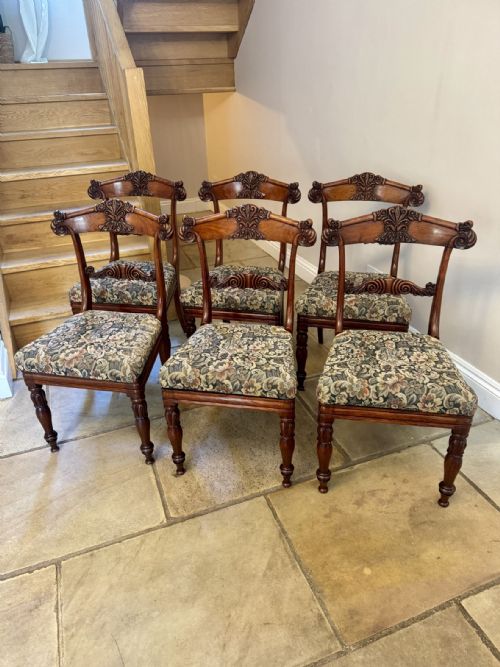
Dark wood parlour furniture encompasses seating, tables, and cabinets designed for reception rooms across the nineteenth and early twentieth centuries. Pieces range from large salon suites and display cabinets down to occasional tables and balloon back dining chairs.
The selection on this page draws heavily from Victorian and Edwardian periods, alongside Regency and Art Nouveau examples. Makers utilise rich timbers such as rosewood and mahogany to create functional yet decorative items for the home.
Materials and Construction
Makers construct these pieces using dense hardwoods including rosewood, mahogany, walnut, and coromandel, often enhanced by intricate satinwood inlays and brass details. Upholstered items incorporate deep buttoning and traditional fabric or velvet coverings.
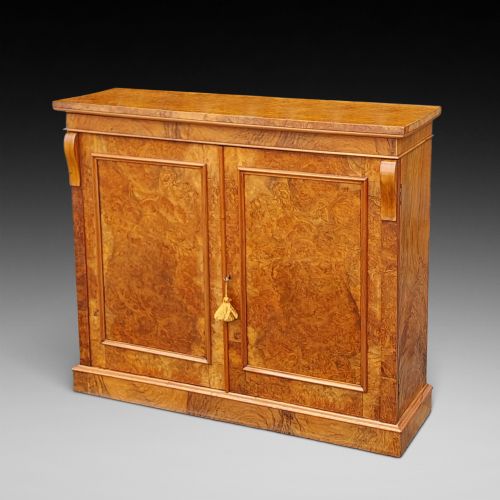
Cabinetwork combines solid timber frames with burl veneers and curved glass panels, while seating relies on sturdy carved rails and serpentine seats. Specialised forms like bentwood and alpine carved oak demonstrate diverse regional techniques.
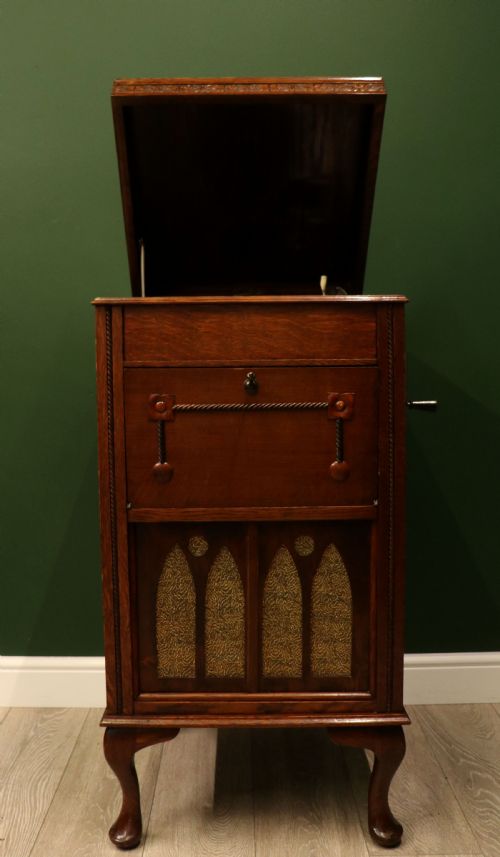
Parlour gramophones allow period music enthusiasts to play historic recordings on machinery housed entirely within a domestic wooden cabinet.
Assessing Quality and Execution
Superior examples distinguish themselves through the crispness of carved details, the complexity of wood inlays, and the selection of highly figured burr veneers. Cabinets and tables demonstrate greater stability and refinement when constructed from solid rosewood or mahogany rather than simpler secondary woods.
Seating quality reveals itself in the structural integrity of the frame, the depth of the carved rails, and the original preservation of balloon backs or upholstered suites. Maker attributions, such as work originating from established firms, elevate the standing of individual cabinets and tables.
Gillows·Thonet·Baumann·U Phone
The Dark Wood Parlour Furniture Glossary
- Balloon back
- A chair design featuring an oval, rounded backrest resembling the shape of a balloon, popular in Victorian dining chairs.
- Centre table
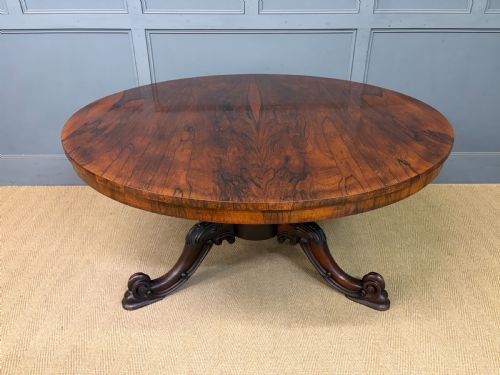
- A freestanding table designed to be viewed from all sides, commonly placed in the middle of a Victorian parlour or salon.
- Satinwood
- A luminous hardwood with a pale golden sheen, frequently utilised for contrasting inlays on dark mahogany and rosewood furniture.
- Coromandel
- A dense, heavily figured exotic timber from Asia with dark brown and black grain patterns, seen on high-end Victorian tables and cabinets.
- Burl walnut
- Wood taken from the burl growth of a walnut tree, prized for its swirling, highly decorative grain patterns on cabinet doors.
Dark Wood Parlour Furniture: Frequently Asked Questions
What is a parlour suite?
A parlour suite is a matching set of seating furniture, typically comprising a settee and several armchairs or side chairs designed for a formal reception room.
These suites unify the aesthetic of a Victorian or Edwardian interior through coordinated upholstery, wood types, and decorative inlays.
How do I date dark wood furniture?
Dating relies on observing stylistic markers, timber choices, and construction methods characteristic of specific eras like the Regency or Edwardian periods.
Cabinet hardware, inlay motifs such as Sheraton revival patterns, and distinct chair silhouettes offer reliable chronological clues.
Where should I place a centre table?
A centre table is intended to stand freestanding in the middle of a room rather than pushed against a wall. This allows the finished timber grain and carved details to be admired from every angle.
In period parlours, these tables held display items, books, or lamps.
How do I care for antique rosewood?
Antique rosewood requires protection from direct sunlight and dramatic shifts in temperature to prevent the timber from drying out or splitting. Gentle dusting with a dry cloth maintains the surface without stripping the natural finish.
Occasional applications of appropriate wax help nourish the dark grain.