
Carved Wood Seating
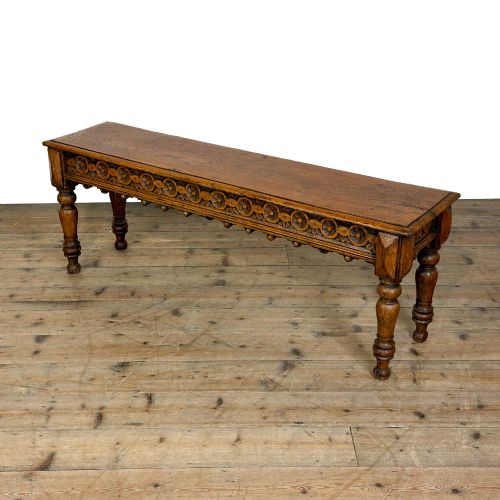
Carved wood seating encompasses diverse historic chairs, benches, and stools offering structural character and tactile ornamentation for period interiors.
Carved Wood Seating
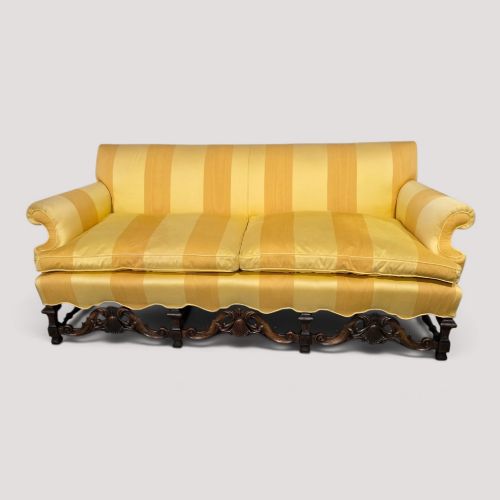
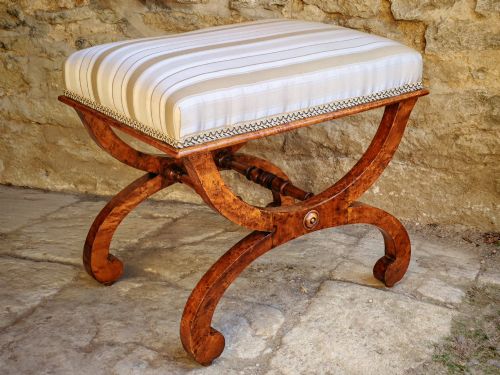
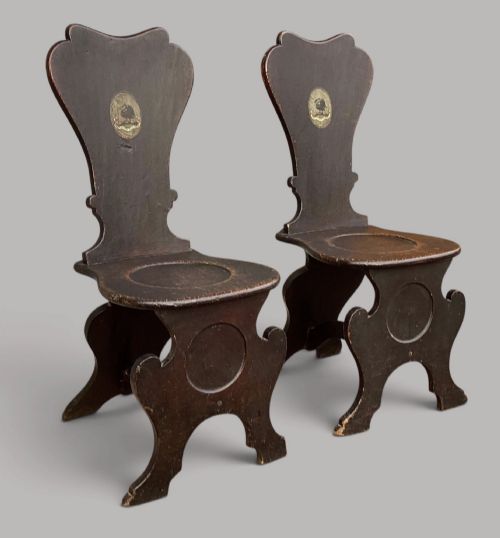
Carved wood seating covers an expansive array of historic furniture forms designed for domestic utility and reception, spanning centuries of regional craftsmanship. A buyer searching this phrase encounters everything from robust oak hall benches and Windsor kitchen chairs to refined rosewood and mahogany dining sets.
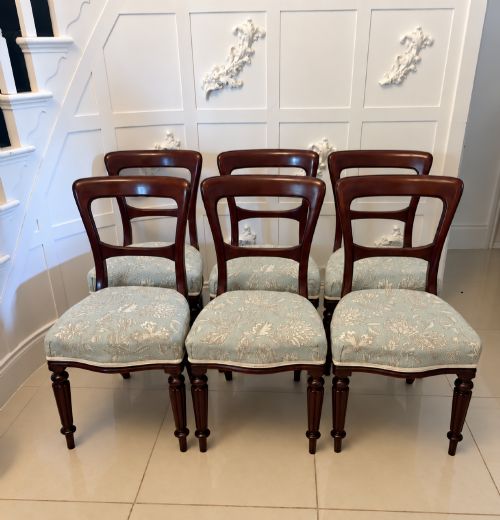
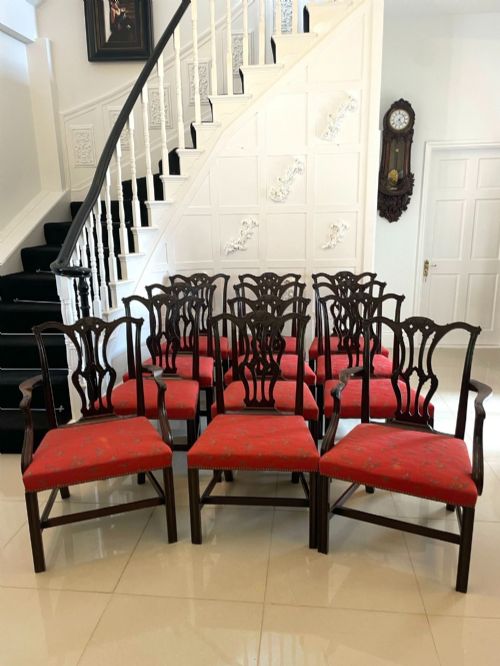
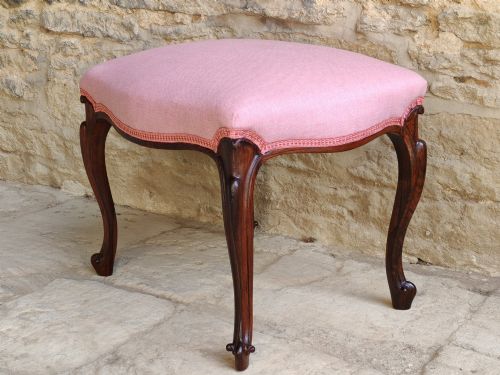
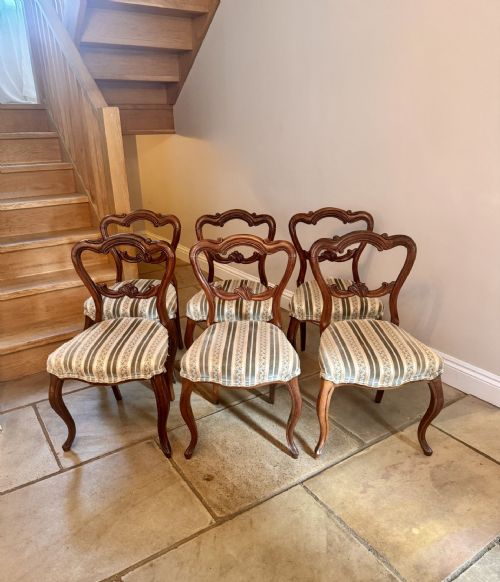
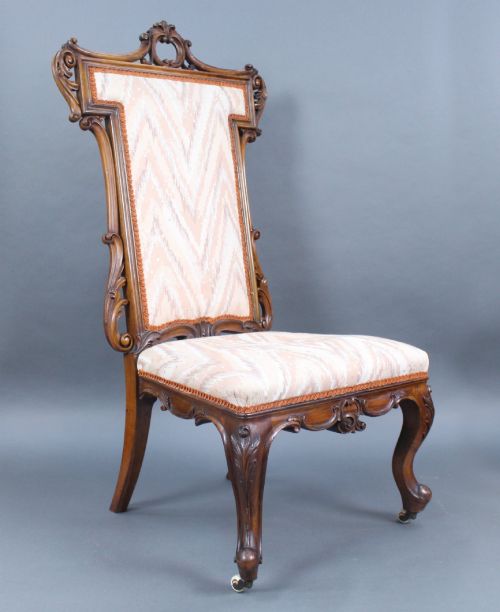
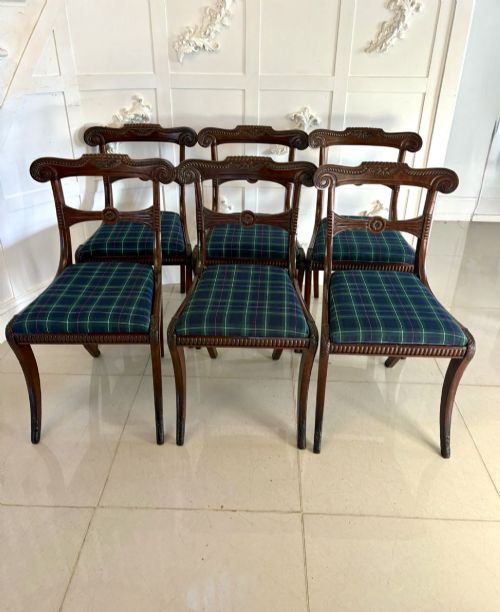
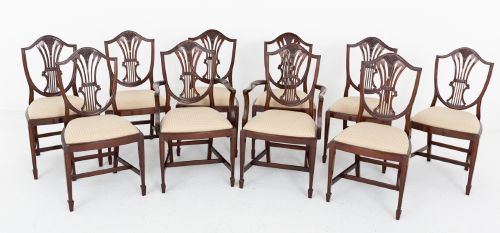
The most frequent examples on this page are nineteenth-century dining chairs and occasional seats executed in mahogany, oak, and rosewood. These pieces range from restrained Regency designs to ornate Victorian interpretations reflecting earlier stylistic revivals.
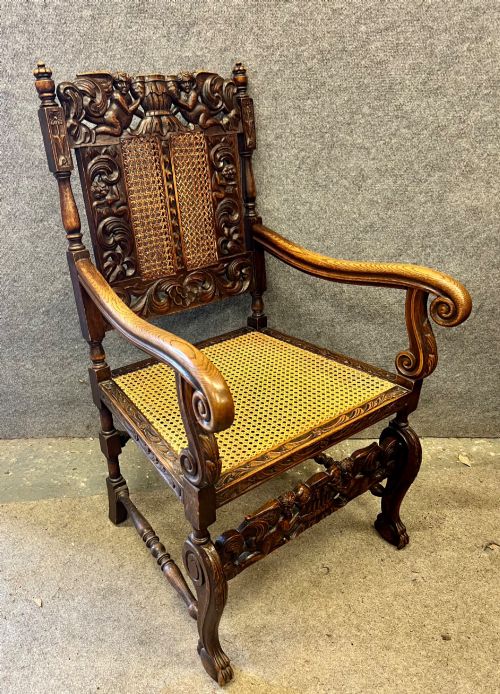
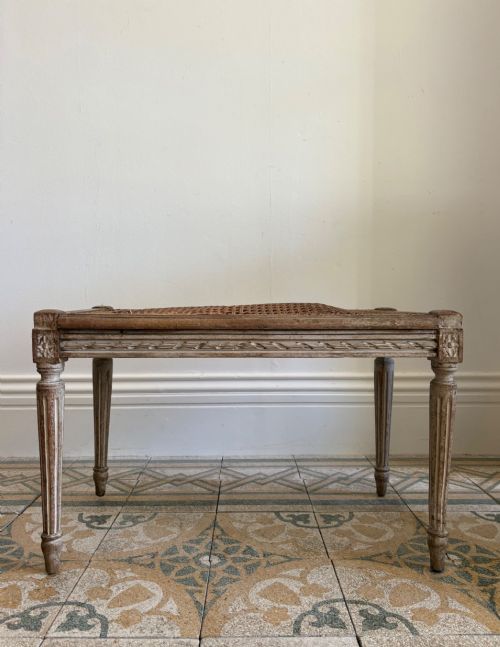
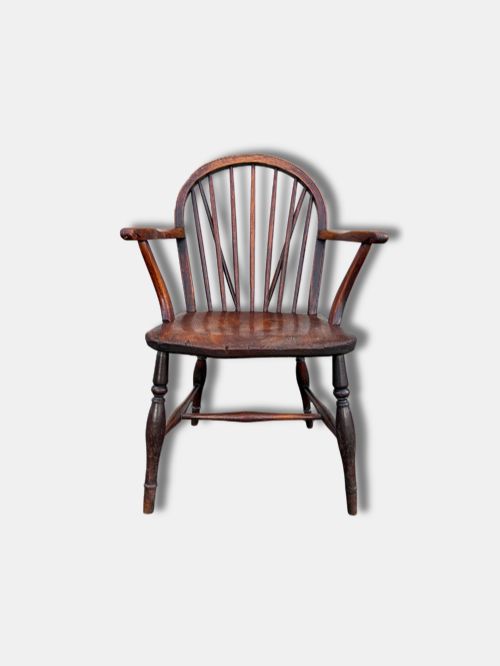
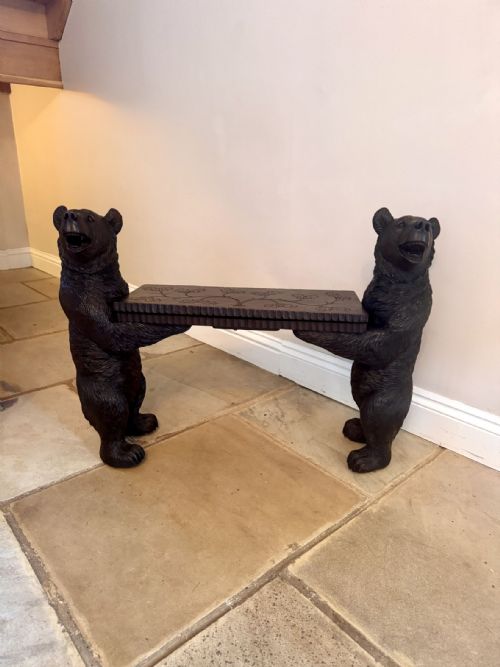
Forms also extend to specialised seating such as low-back Windsor chairs, musical Black Forest seats, French giltwood bergeres, and Italian walnut armchairs. Each object relies on solid timber frames shaped by hand and ornamented with relief carving or turned details.
Materials and Technique
Makers utilised dense hardwoods such as mahogany, oak, walnut, beech, ash, and rosewood to provide the structural integrity required for weight-bearing frames. These timbers were selected for their grain pattern and tensile strength, allowing artisans to execute deep relief carving without compromising joint stability.
Construction techniques combined traditional joinery like mortise and tenon joints with hand-carved ornamentation applied directly to the solid wood or onto applied mouldings. Surfaces were finished with wax, polish, or paint, occasionally complemented by cane panels or upholstered pads in silk, velvet, and various textiles.
Listings feature eighteenth, nineteenth, and early twentieth-century periods, utilising oak, mahogany, rosewood, walnut, beech, ash, elm, and maple.
Assessing Craftsmanship
Quality in carved wood seating is determined by the crispness and depth of the hand-carved ornamentation, where sharp undercutting and fluid lines distinguish superior artisan output from mechanical or repetitive work. The choice of timber also dictates standing, with dense Cuban mahogany, figured burr maple, and richly patinated oak marking the higher tiers.
Structural integrity remains paramount, evident in the tightness of frame joints and the harmonious proportion of components like reeded legs, carved head rails, and splats. Matching sets with uniform grain alignment and original surface patination command greater regard than assembled groups or pieces with extensive timber replacement.
The Carved Wood Seating Glossary
- Settle
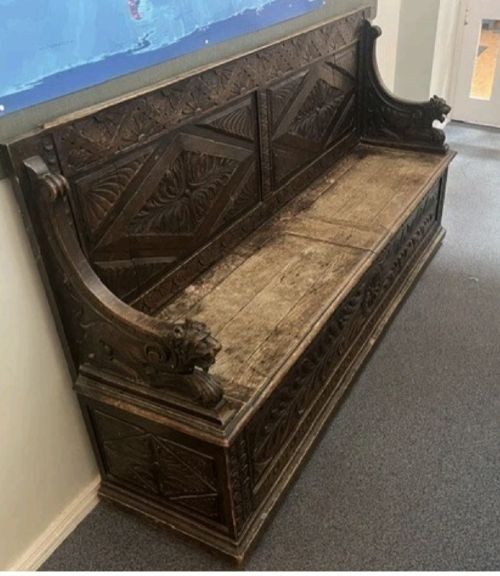
- A wooden bench with high back, solid arms, and a box seat or enclosed base to block drafts. Early examples frequently use oak construction.
- Scabello
- A type of Renaissance chair featuring a solid carved back and trestle or panel supports instead of legs. They were typically positioned in grand halls.
- Balloon Back
- A rounded, oval-shaped chair back resembling a hot air balloon, popular during the Victorian period. This profile allowed for ergonomic support and ornate rosewood carving.
Carved Wood Seating: Frequently Asked Questions
How do I clean historic wood frames?
Dust regularly with a soft, dry cloth to prevent particulate accumulation in carved recesses. Apply microcrystalline wax sparingly to nourish the timber without softening original finishes.
Avoid liquid cleaners and silicone sprays which penetrate open grain and attract dirt over time. Maintain stable room humidity to prevent timber shrinkage and subsequent joint loosening.
Can I use antique dining chairs daily?
Solid hardwood chairs from the eighteenth and nineteenth centuries were engineered for heavy domestic service and withstand regular use. Inspect joints periodically to ensure frame stability before hosting large dinner parties.
Consider the weight capacity and seat height relative to modern dining tables. Lighter occasional chairs or giltwood pieces require more careful placement than robust oak or mahogany sets.
How do I identify Regency from Victorian pieces?
Regency seating, produced in the early nineteenth century, generally favors cleaner classical lines, sabre legs, and classical brass inlay or understated carving. Timbers like rosewood and mahogany dominate this streamlined aesthetic.
Victorian pieces from the mid to late nineteenth century lean towards heavier ornamentation, revival styles such as Gothic or Jacobean, and balloon back profiles. Carving becomes deeper and more exuberant across walnut and oak frameworks.
What is a Windsor chair?
A Windsor chair is a form where individual spindles and back components are inserted directly into a solid sculpted wooden seat rather than a frame. Regional variations include low-back and comb-back designs utilising ash, elm, and beech.
Originating in rural English joinery shops, these chairs rely on disciplined pegging and steam-bending techniques. Their utilitarian strength makes them adaptable to both traditional and contemporary interiors.