
Carved Wood Relief Carvings
These carved wood relief carvings bring historic rooms to life with deep oak panels, giltwood figures, and architectural salvage.
Carved Wood Relief Carvings
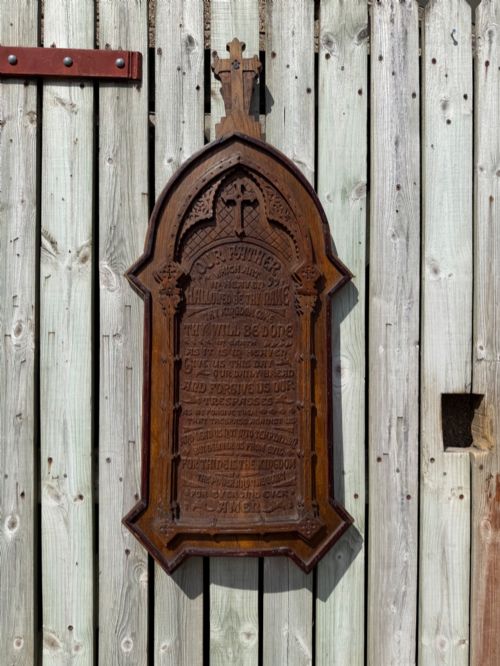
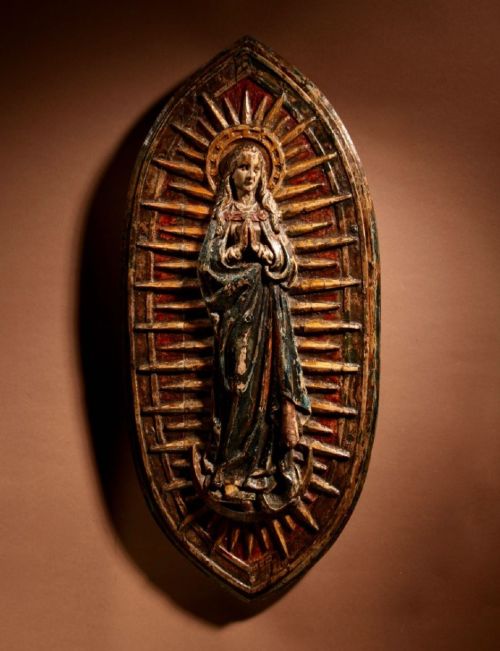
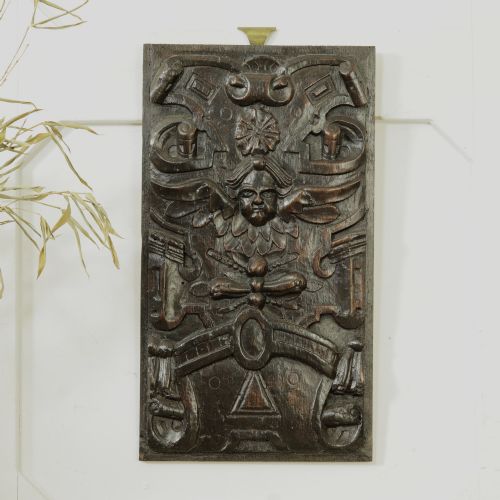
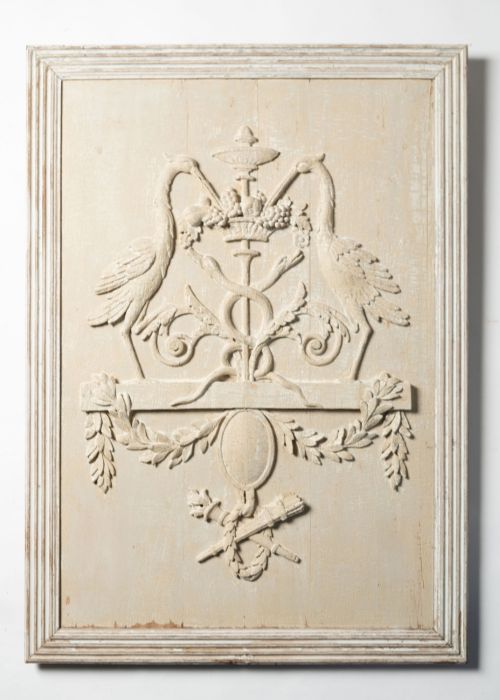
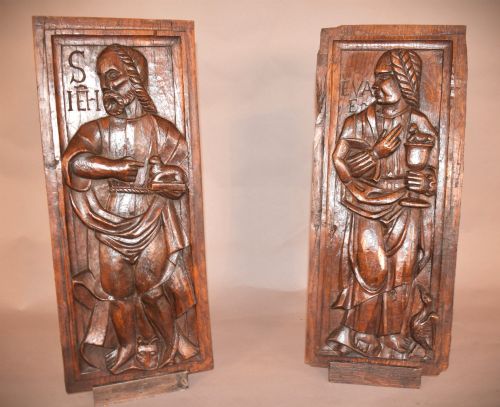
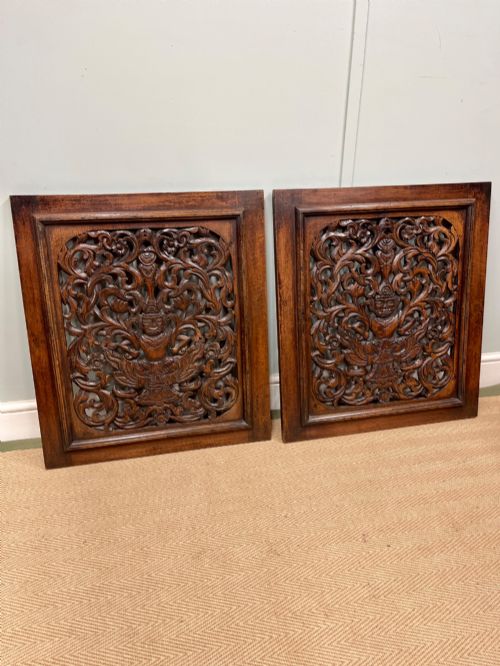
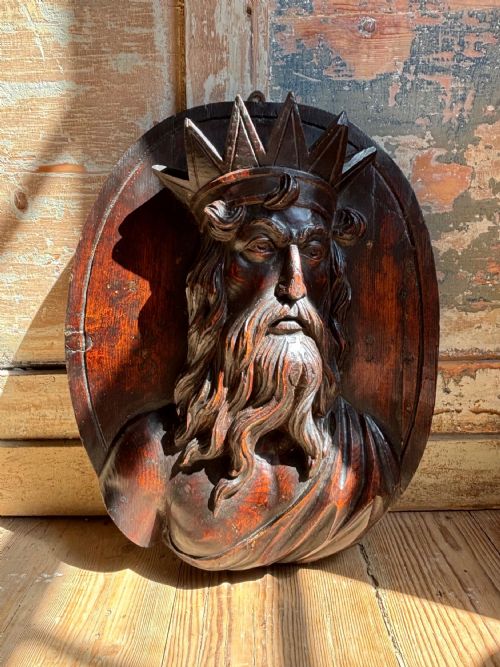
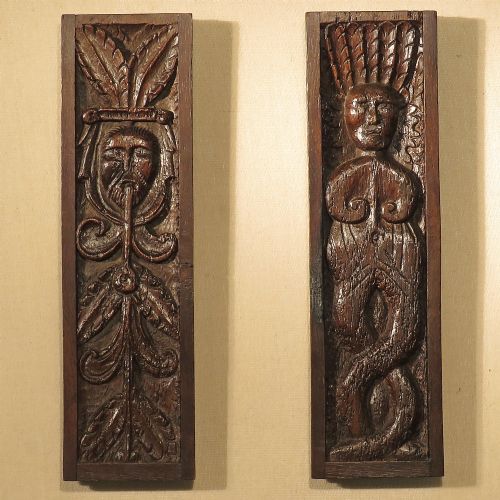
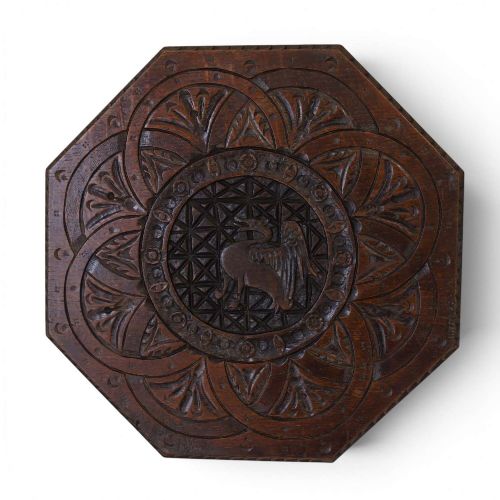
Carved wood relief carvings encompass architectural salvage, wall plaques, and wall panels originating from domestic and ecclesiastical interiors across several centuries. Buyers encounter heavy oak panels alongside fruitwood trophy carvings, giltwood temple panels, and European wall reliefs.
The material palette is predominantly timber, with oak appearing frequently alongside walnut, chestnut, limewood, and fruitwood. Many examples utilise additional surface treatments such as gold leaf, gesso, polychrome paint, and parcel gilt finishes.
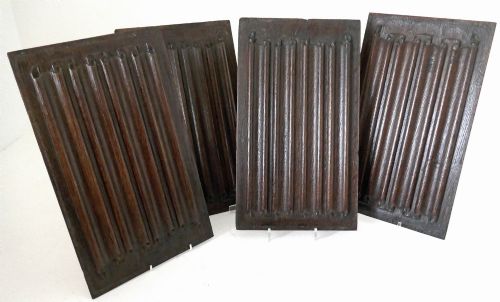
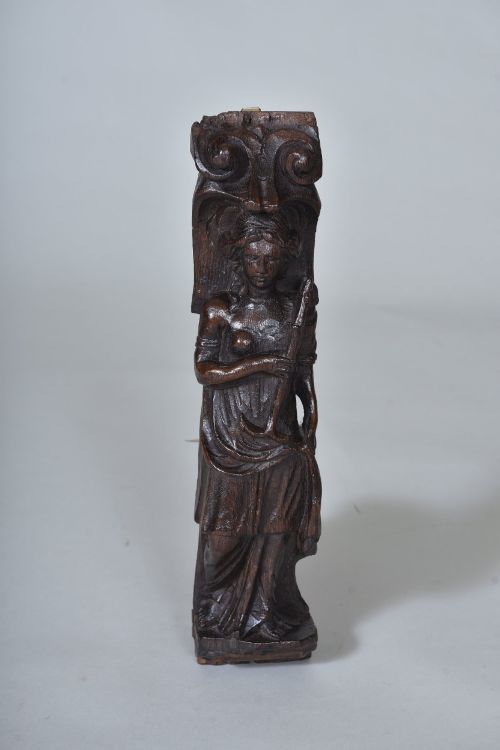
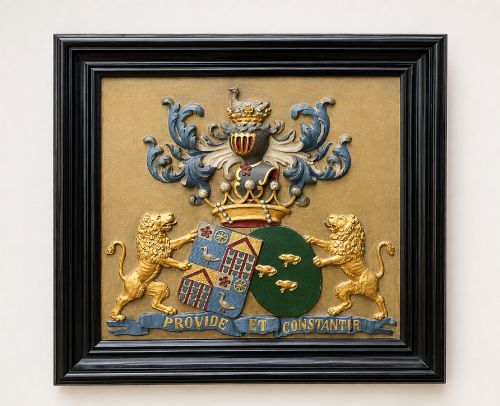
The selection ranges from medieval altarpiece fragments and Tudor linenfold panels to 17th-century overdoor pieces and 19th-century Black Forest hunting trophies. Forms extend from simple heraldic plaques and floral wall reliefs to complex figurative scenes depicting religious narratives and classical deities.
Materials and construction
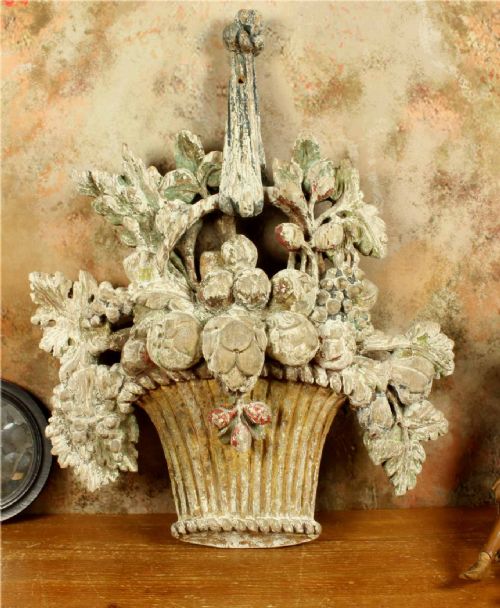
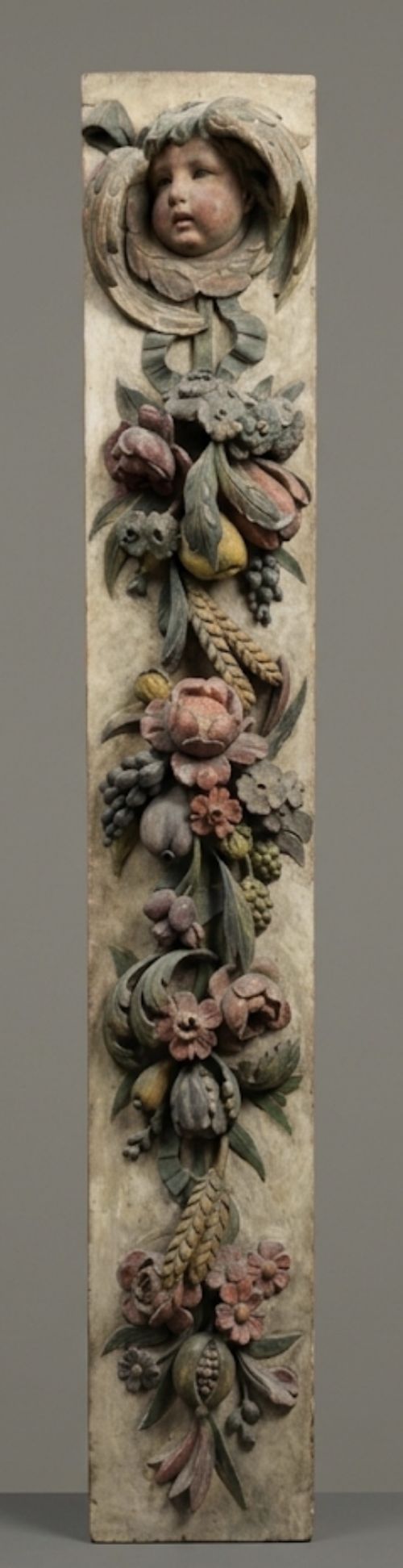
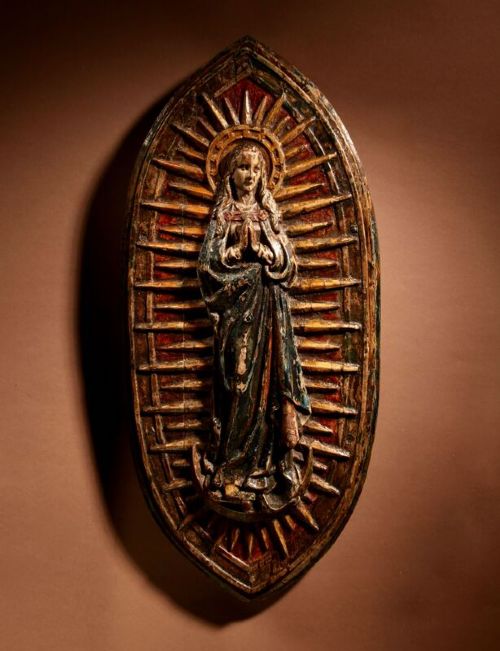
Many items incorporate applied surface layers, where chalk gesso provided a smooth ground for gold leaf or polychrome pigments. Architectural pediments and altar panels often combine carved timber elements with parcel gilt highlights to catch candlelight and daylight within historic interiors.
Distinguishing quality
The distinction between ordinary and exceptional carving lies in the confidence of the chisel work and the depth of the relief. Master carvers achieved anatomical conviction in figures and crisp undercut foliage that creates genuine shadows, whereas lesser pieces remain shallow and stiff.
Proportion and the preservation of original surface finishes dictate desirability. Carvings retain greater integrity when the timber ground remains uncompromised by aggressive stripping, allowing tool marks and original gilding or polychromy to tell the true story of the maker's hand.
Edward Pearce·Van Rijckevorsel And Verheijen
The Carved Wood Relief Carvings Glossary
- Relief carving
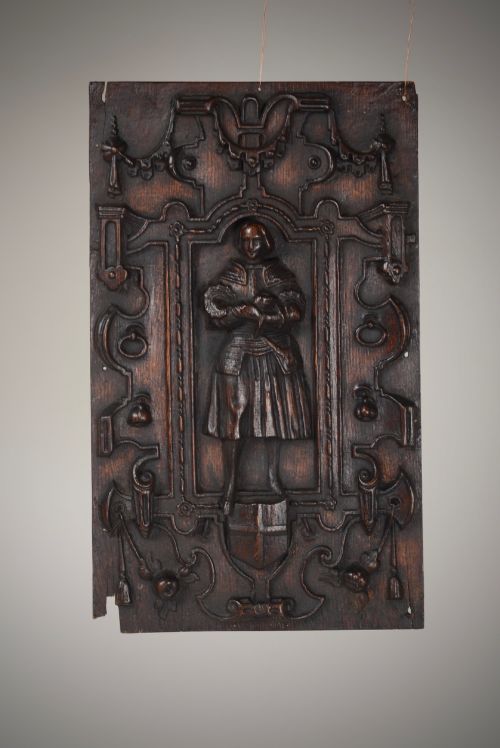
- A sculpture technique where figures and ornaments project from a flat background surface. High-relief forms stand far out from the backing board, while low-relief versions remain flatter.
- Linenfold
- A style of wood carving that imitates folded linen cloth, commonly seen on panels from the Tudor and 16th-century periods. It provides geometric texture to otherwise plain wooden walls.
- Giltwood
- Timber that has been coated with a thin layer of gold leaf over a prepared gesso base. It appears frequently on altarpieces, mirrors, and decorative architectural pediments.
- Polychrome
- Painted in several colours, often applied to wood carvings alongside gesso to render lifelike religious figures. This finish survives on church panels and devotional sculptures.
- Architectural salvage
- Elements rescued from dismantled buildings, including overdoor panels, ceiling roses, and pediments. These fragments were originally integral parts of room interiors.
- Trophy carving
- A decorative arrangement of related objects, such as hunting equipment or musical instruments, carved in wood. They decorate walls as panels or plaques, particularly in the 19th century.
Carved Wood Relief Carvings: Frequently Asked Questions
How were these wall panels originally used?
These panels functioned as structural elements in historic buildings, lining church chancels, grand halls, and domestic overdoors. Many originated within altarpieces, architectural pediments, or furniture before being separated from their original settings.
Over centuries, owners repurposed them as standalone wall art or mounted plaques for display in domestic interiors.
How do I care for antique wood carvings?
Keep wooden panels away from direct sunlight, heating vents, and rapid humidity changes to prevent the timber from splitting or warping. Dust the carved surfaces gently with a soft, dry brush rather than applying liquid polishes that can damage aged finishes.
Stable indoor conditions preserve both the bare timber and any historic giltwood or polychrome layers.
How can I tell the period of a panel?
Dating relies on the intersection of timber choice, tool marks, and stylistic motifs. Sixteenth and seventeenth-century pieces typically employ heavy oak with deep, hand-chiselled linenfold or figural work, while later 19th-century examples often use softer fruitwoods or exotic timbers for intricate hunting trophies.
Examining the back of the panel often reveals joint construction and age-related oxidation consistent with the era.
What is the difference between high and low relief?
High-relief carving projects significantly from the background, sometimes with figures almost detached from the wood block to create deep shadows and three-dimensional form. Low-relief carving keeps the design closer to the plane with shallow incisions and gentle modelling.
Master carvers utilised high relief to draw the eye to central figures in religious or mythological scenes.