




Carved Wood Reading Stand
These carved wood reading stand pieces range from church lecterns to music stands, offering practical function and strong historic presence for your home.
Carved Wood Reading Stand
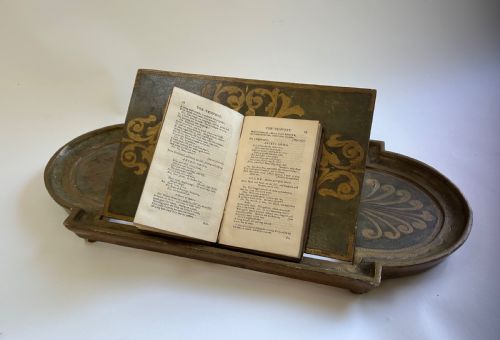
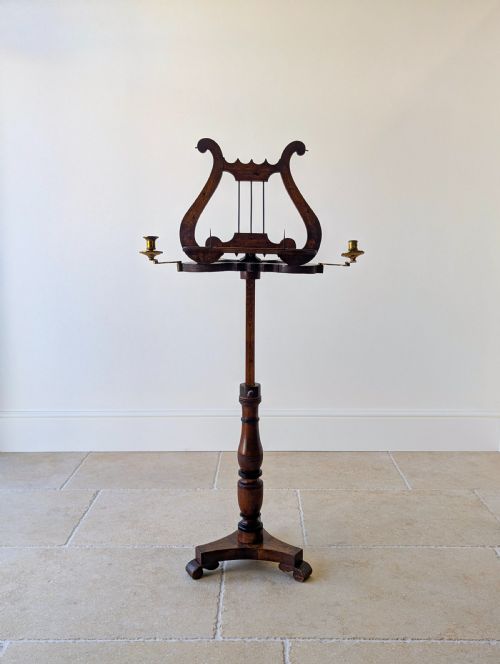
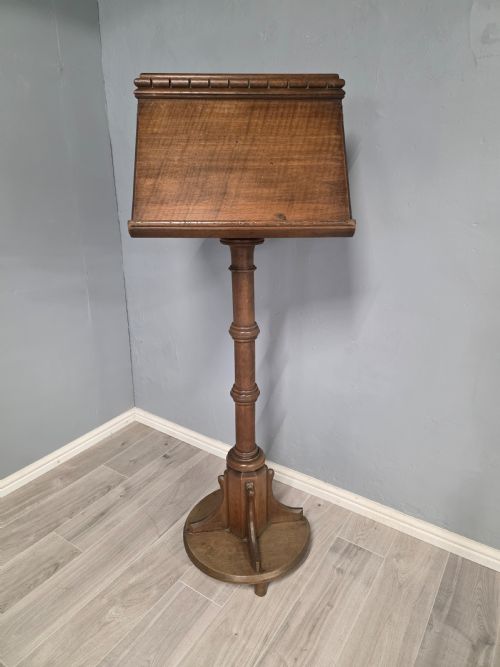
When you search for a carved wood reading stand, you are looking at items designed to hold books, scores, or folios at a convenient angle. The selection here spans several centuries, taking in forms from church lecterns to folding book pedestals and tripod music stands. These pieces served scholars, musicians, and institutions, combining practical utility with decorative wood carving.
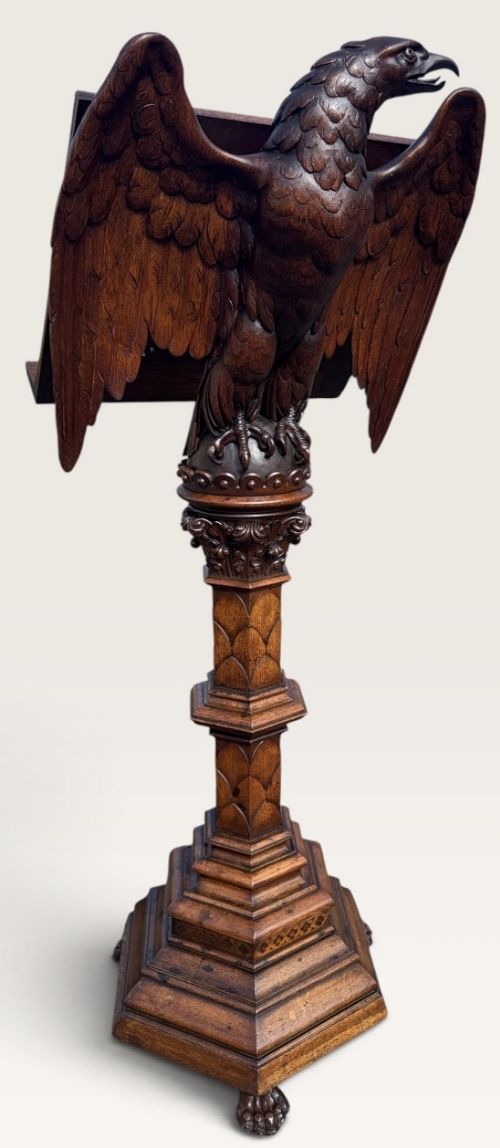
You are most likely to meet oak and mahogany examples on this page, often dating from the nineteenth century or the William IV period. Church lecterns depicting eagles with outstretched wings appear alongside adjustable music stands and scholar pedestals. Styles range from Gothic Revival to Italian Baroque, showing how makers adapted these stands for different settings.
How they were made
Carpenters and cabinetmakers constructed these stands primarily from solid timber such as oak, mahogany, walnut, and rosewood. They employed traditional joinery techniques to ensure stability, particularly for tall standard lamps and heavy book stands that needed to support significant weight. Turning and hand-carving formed the main decorative methods, creating details like fluted columns, tripod bases, and detailed bird figures.
Surface treatments included wax polishing, parcel gilding, and paint finishes, depending on the period and regional style. Brass components often provided adjustable mechanisms for height and angle on music stands and reading desks. Fabric elements such as velvet appeared on specific scholarly or liturgical pieces to protect book bindings.
Carved Wood Reading Stand Retail Price Guide 2026
Typical asking prices for carved wood reading stand among the pieces listed under this phrase on Sellingantiques today, from the lower quarter to the upper quarter. They describe what is for sale here now, not the wider market.
Listings for this phrase include items constructed from oak, mahogany, walnut, rosewood, and Gonçalo Alves.
What varies in quality
The standard of carving marks a clear division between everyday items and superior examples. Deep, crisp detailing on figures such as eagles or acanthus leaves indicates skilled handiwork, whereas shallow or mechanical cutting suggests a more routine production. The choice of timber also influences value, with well-figured mahogany, dense oak, and exotic woods like Gonçalo Alves holding greater appeal.
Structural integrity and the survival of original mechanisms define the better pieces. Stands that retain their original brass adjustments, stable tripod bases, and matching hardware without excessive replacement parts command stronger interest from buyers and collectors alike.
The Carved Wood Reading Stand Glossary
- Lectern
- A tall desk with a slanted top designed to hold a book for reading aloud. These often feature decorative carving and sometimes take the form of an eagle.
- Gothic Revival
- An architectural and decorative style popular in the nineteenth century that revived medieval forms. Pieces in this style often incorporate pointed arches and heavy oak construction.
- Gonçalo Alves
- A dense, highly figured tropical hardwood sometimes utilised in nineteenth century furniture. It provides striking grain patterns on music stands and tables.
- Folio
- A large book or collection of printed sheets. Storage pieces for these items appear alongside reading stands on this page.
Carved Wood Reading Stand: Frequently Asked Questions
What is a carved wood reading stand used for?
These stands primarily hold heavy books, musical scores, or folios at a readable angle. Historically they served in churches, studies, and an array of musical settings.
Today they function effectively as standalone display pieces or practical book holders in a library or living room.
How do I date a wooden reading stand?
Dating relies on examining the timber species, joinery methods, and stylistic cues present in the carving. Nineteenth century pieces often show machine assistance alongside handwork, whereas earlier items rely entirely on hand tools.
Comparing the decorative vocabulary, such as Gothic Revival motifs or Neoclassical lines, helps narrow down the period of manufacture.
Are these stands suitable for modern use?
Many of these pieces remain fully functional for holding books, tablets, or sheet music in a contemporary home. Their adjustable mechanisms allow you to set comfortable reading heights and angles.
Larger items like floor lamps and heavy lecterns also act as sculptural focal points in a room.
What woods were commonly used for reading stands?
Oak and mahogany appear most frequently across these listings, valued for their strength and durability. Cabinetmakers also utilised walnut, rosewood, and exotic timbers like Gonçalo Alves for finer pieces.
Giltwood and painted finishes also occur, particularly on Italian and decorative revival items.