

Carved Wood Press
These pieces gather under carved wood press, offering solid timber storage shaped by centuries of domestic utility.
Carved Wood Press
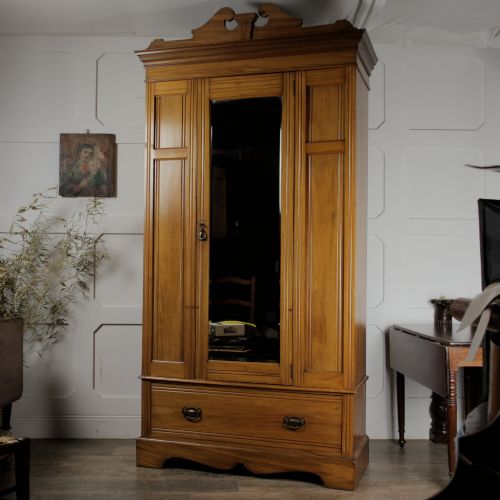
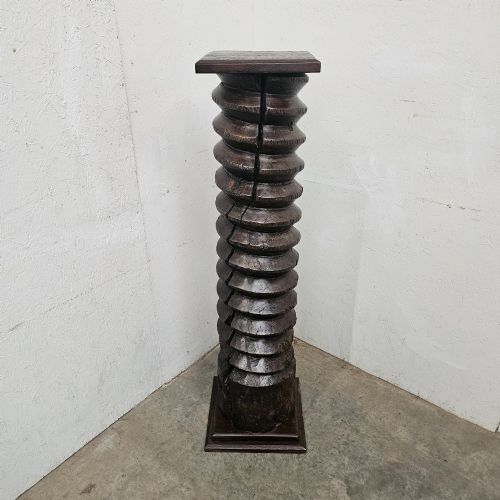
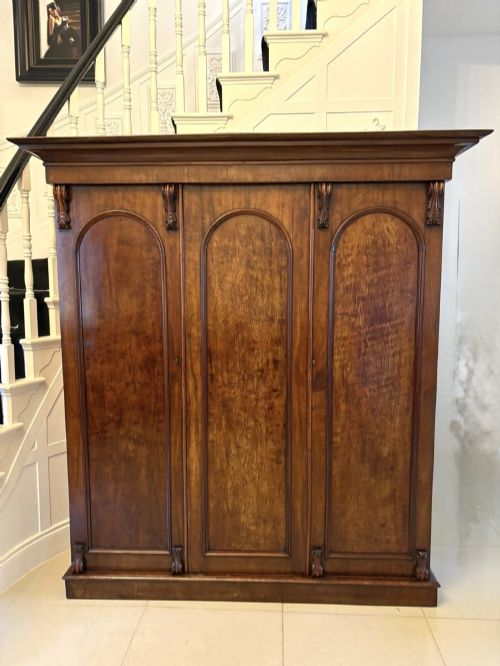
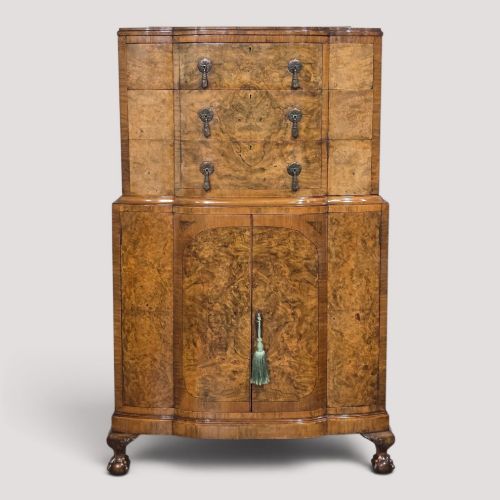
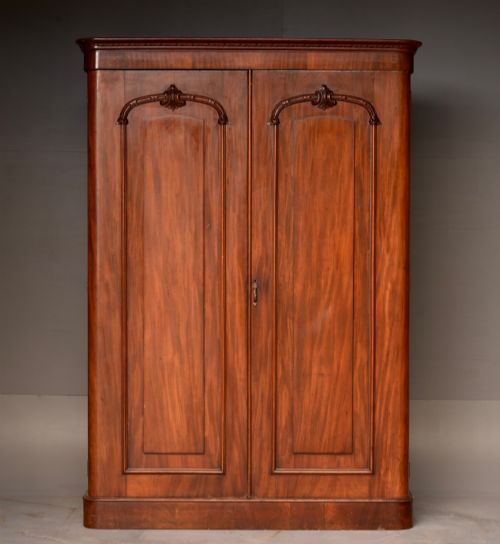
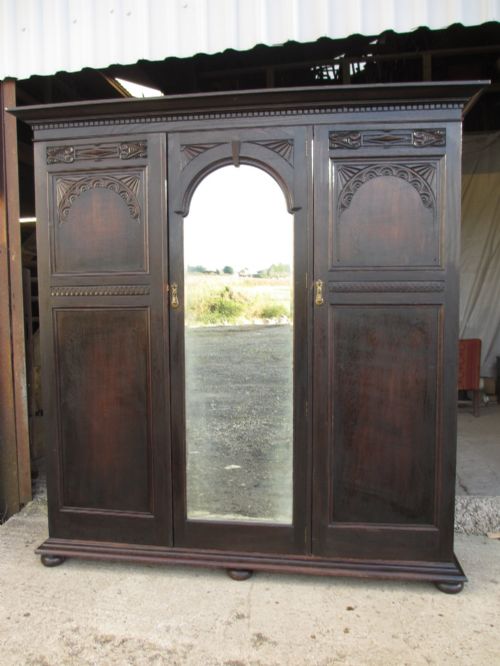
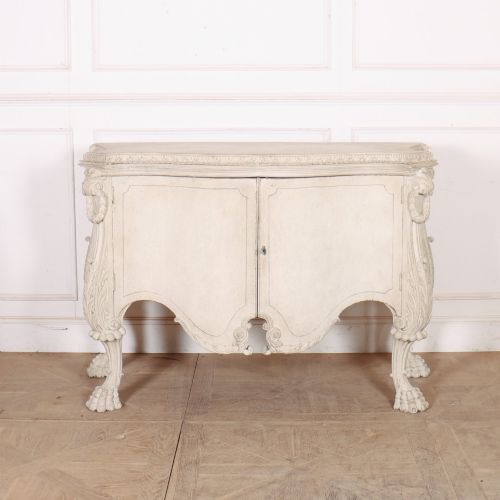
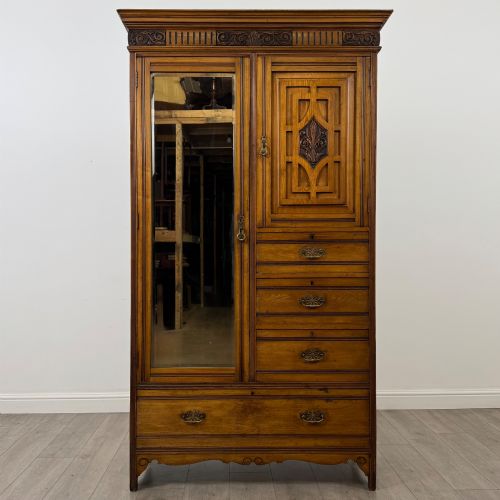
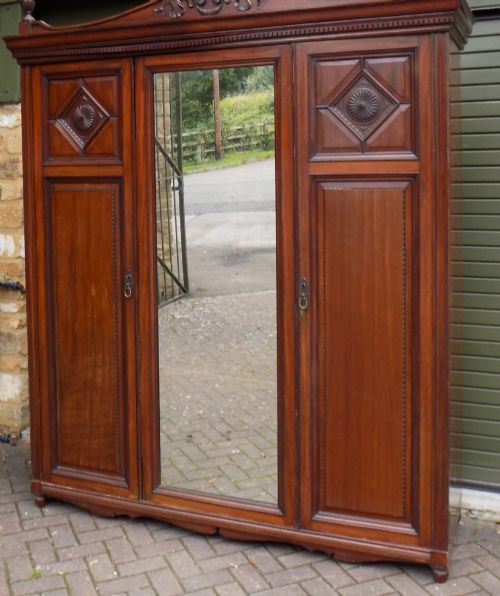
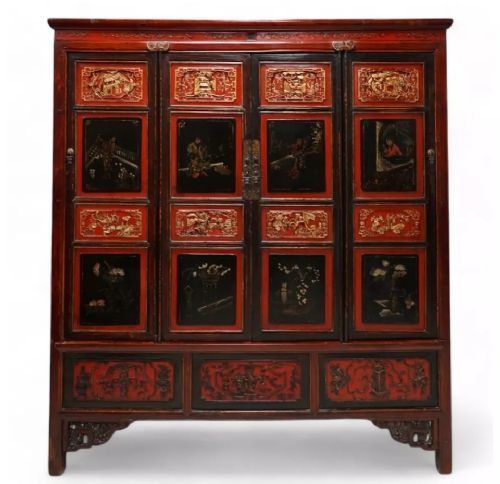
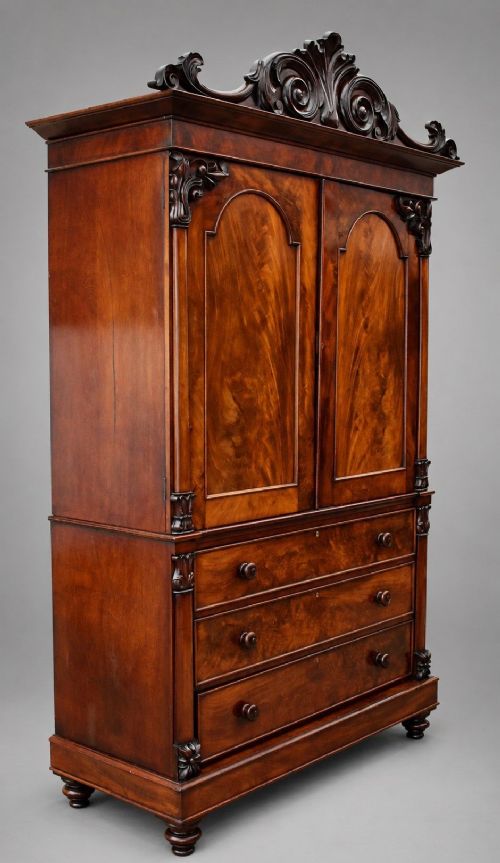
When you search for carved wood press, you encounter substantial furniture designed to hold garments, linen, and household stores. The selection spans distinct forms, from traditional linen presses and compactums to large wardrobes and cupboards.
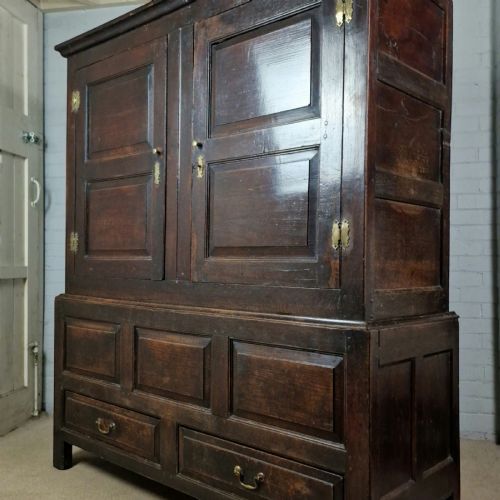
Victorian and 19th century examples dominate the selection, built in substantial mahogany, oak, and pine. You also meet earlier pieces originating in the 17th and 18th centuries, alongside regional variations from France and Italy.
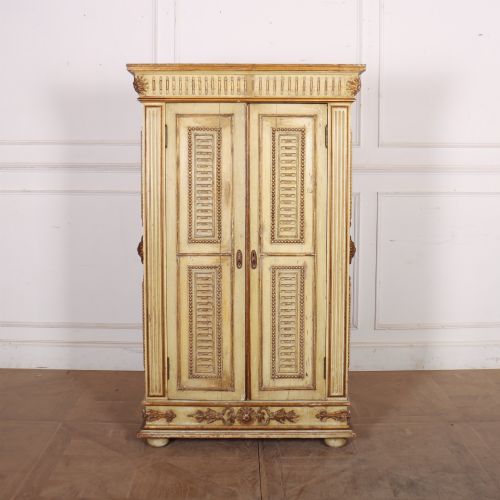
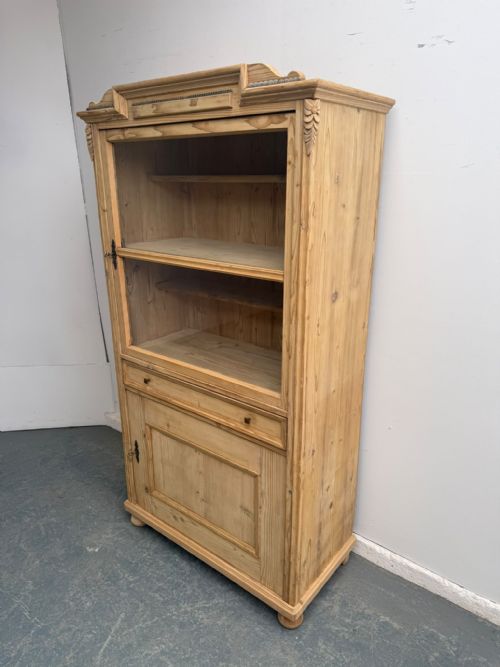
The practical function remains central to these items, combining hanging space, sliding trays, and deep drawers. Many incorporate carved panels, architectural cornices, and panelled doors reflecting the aesthetic of their period.
How they were made
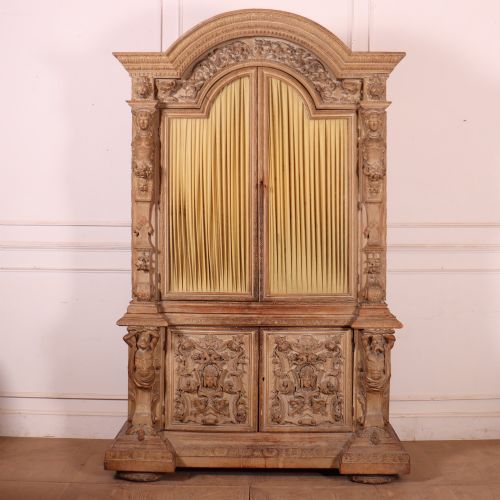
Cabinet makers relied primarily on native and imported hardwoods like mahogany, oak, walnut, and pine, often enhancing plain surfaces with figured veneers such as burr walnut or flame mahogany. Carving was executed by hand, utilising gouges and chisels to create deep relief motifs, scrollwork, and geometric panels.
Construction techniques prioritised durability, employing mortise and tenon joints for frames and dovetails for drawer boxes. Iron and brass hardware, including hinges, locks, and handles, were fitted by hand to secure heavy timber doors.
Carved Wood Press Retail Price Guide 2026
Typical asking prices for carved wood press among the pieces listed under this phrase on Sellingantiques today, from the lower quarter to the upper quarter. They describe what is for sale here now, not the wider market.
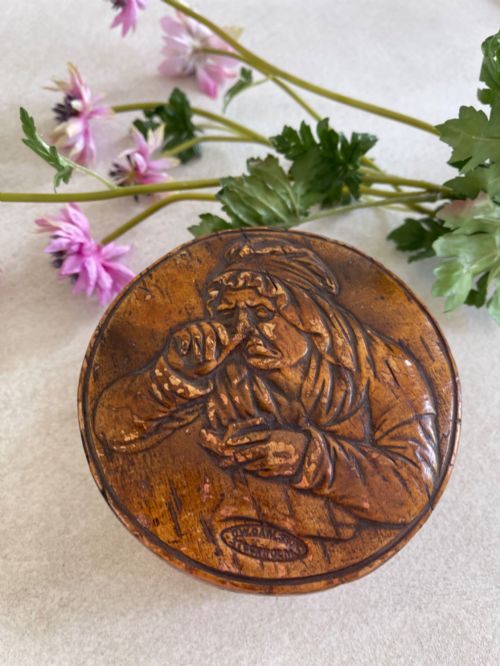
One recorded table snuff box preserves the miniature image of Victorian women partaking in snuff.
What varies in quality
The selection of timber dictates the visual impact, with figured veneers and dense, old-growth hardwoods sitting above utility pine and lesser boards. Grain matching across large wardrobe doors and drawer fronts demonstrates the skill of the original workshop.
The crispness and depth of the hand carving separate standard production from superior output. Well-executed mouldings, tight joinery, and original brass or iron fittings preserve the integrity of the piece over centuries.
The Carved Wood Press Glossary
- Linen Press
- A tall piece of furniture featuring upper sliding trays or shelves enclosed by doors, positioned above a chest of drawers. This form evolved to store household linen flat before the widespread use of wardrobes.
- Compactum
- A multi-functional wardrobe designed to maximise interior storage by dividing the space between hanging sections, linen slides, and multiple internal drawers. These pieces appeared frequently in the Victorian period to accommodate diverse wardrobes.
- Livery Cupboard
- An early form of enclosed storage furniture, frequently constructed in oak during the 17th and 18th centuries. They often feature panelled doors and open or enclosed upper tiers for provisions and utensils.
- Court Cupboard
- A traditional regional English storage piece, typically dating to the 16th and 17th centuries, built with an upper enclosed section supported on carved pillars above a lower cabinet.
- Treen
- Small handmade wooden household objects and utensils created by turners and woodworkers. Items range from lace folders to small boxes, showcasing dense hardwoods and simple domestic utility.
Carved Wood Press: Frequently Asked Questions
What is the difference between a linen press and a wardrobe?
A linen press traditionally houses internal sliding trays or shelves in the upper section, designed for folded textiles, sitting above a chest of drawers. A wardrobe focuses primarily on vertical hanging space for garments.
While both share large wooden frames and panelled doors, their internal configurations reflect distinct historical storage needs.
How do I identify the wood used in these pieces?
Examine the grain patterns, colour variations, and weight of the timber exposed on interior surfaces and drawer linings. Oak displays prominent medullary rays, mahogany shows a reddish-brown tone with ribbon figures, and walnut often exhibits rich dark swirls.
Pine and fruitwood appear frequently in regional vernacular pieces, presenting lighter tones and simpler grain structures.
Are these pieces suitable for modern bedrooms?
Large wooden presses and wardrobes provide substantial internal volume for contemporary clothing storage, though their physical footprint requires careful measurement. Many feature modular knockdown construction or removable internal trays to simplify placement.
Placing them in stable environments away from direct heat sources protects the historic timber and veneer.
How can I tell the period of a carved wooden press?
Dating relies on timber choice, construction methods, and stylistic details such as carved mouldings and hardware. 17th century pieces display heavy oak frames and geometric panels, while Victorian examples often utilise figured mahogany and architectural cornices.
Hand-cut dovetails and original cast brass or iron fittings offer further clues to the date of manufacture.