


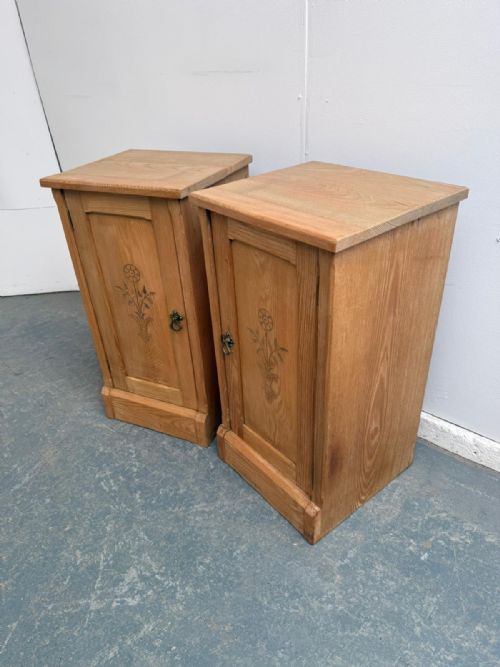


Carved Wood Pot Cupboard
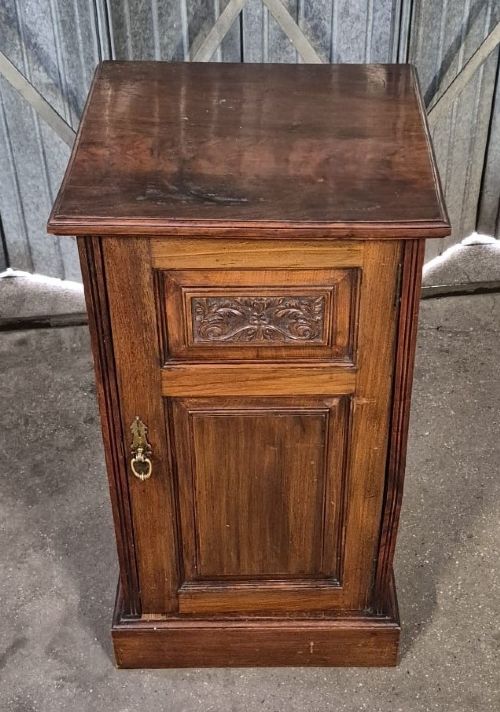
A carved wood pot cupboard stands ready beside the bed, offering a discreet place for chamber pots and personal essentials with period charm.
Carved Wood Pot Cupboard
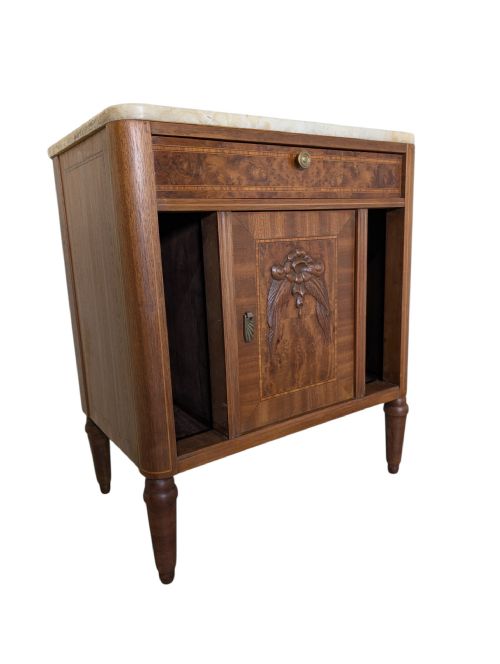
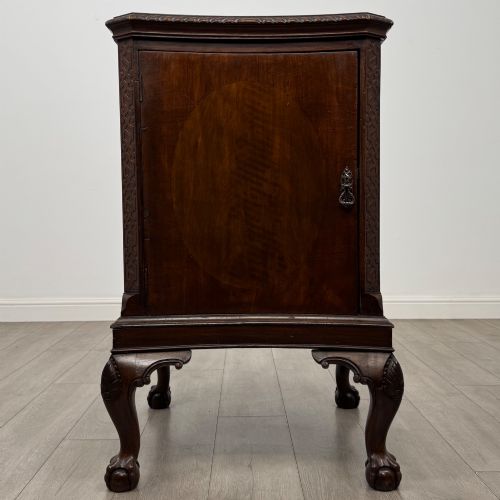
A carved wood pot cupboard is a compact bedside piece designed to conceal a chamber pot behind a single door or within a small drawer compartment. These practical items appear across the Victorian, Edwardian, and Georgian periods, alongside pieces dated to the eighteenth and nineteenth centuries.
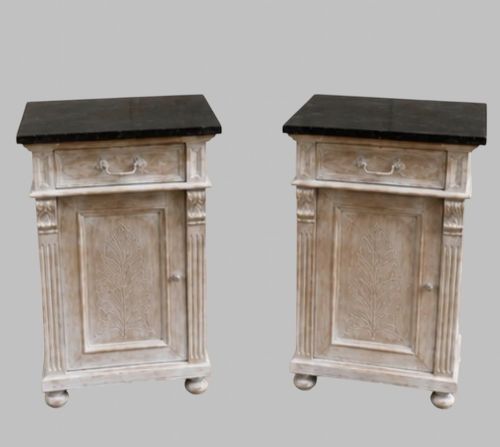
The selection ranges from simple oak and mahogany bedside cabinets to elaborate French provincial styles, burr walnut pairs, and inlaid satinwood designs. Most examples function equally well as standard bedside tables or small side cabinets in contemporary bedrooms.
Materials and construction
Cabinetmakers constructed these cupboards using dense hardwoods such as mahogany, oak, walnut, and ash, frequently applying intricate marquetry, veneer, or carved details to the exterior surfaces. Brass handles, hinges, and occasional marble tops provide durable working elements.
Joinery techniques span traditional hand-cut dovetails for drawers and sturdy panelled construction for doors, ensuring the frames withstand daily use. Waxed, polished, or painted finishes protect the timber while highlighting the natural grain of the wood.
Carved Wood Pot Cupboard Retail Price Guide 2026
Typical asking prices for carved wood pot cupboard among the pieces listed under this phrase on Sellingantiques today, from the lower quarter to the upper quarter. They describe what is for sale here now, not the wider market.
Listings feature mahogany, walnut, oak, ash, and marble across Victorian, Edwardian, and eighteenth-century periods.
Judging the work
Quality rests on the selection of timber figures, such as flame mahogany or burr walnut, and the crispness of the hand-carved ornamentation. Finer examples display meticulous attention to interior cleanliness, secondary wood selection, and original brass hardware.
Proportion and stability separate standard utility pieces from exceptional workshop commissions. Superior cabinets retain their structural integrity, smooth drawer action, and properly fitted doors without warping or excessive timber shrinkage.
Heals·Gillows
The Carved Wood Pot Cupboard Glossary
- Pot cupboard
- A small bedside cabinet originally built to house a chamber pot behind a closed door. These pieces often feature an enclosed upper section and a lower compartment.
- Marquetry
- The art of applying decorative veneer pieces to a structure to form geometric or floral patterns. Craftspeople utilise contrasting timbers like satinwood and mahogany to achieve this effect.
- Close stool
- A piece of furniture resembling a small chest or cabinet enclosing a commode seat. Eighteenth-century versions often disguise their practical function entirely as decorative case pieces.
Carved Wood Pot Cupboard: Frequently Asked Questions
What is a carved wood pot cupboard used for today?
These compact cupboards serve primarily as bedside tables, offering enclosed storage for books, reading glasses, and personal items.
Their small footprint also makes them suitable as decorative side cabinets in hallways or compact living spaces.
How do I identify a Georgian pot cupboard?
Georgian examples typically feature solid mahogany construction with clean structural lines, panelled cabinet doors, and occasional brass carrying handles.
They often date from the eighteenth century and rely on proportion and timber quality rather than heavy surface carving.
Are these cabinets sold as pairs?
Many listings include matching pairs of bedside cabinets, particularly from the Victorian and Edwardian periods when symmetrical bedroom furnishings gained popularity.
Single cupboards also appear frequently for those seeking an accent piece for one side of the bed.
What maintenance do antique wood cabinets require?
Regular dusting with a soft, dry cloth protects the polished timber surface from abrasive particles and moisture damage.
Applying traditional beeswax periodically nourishes the wood and maintains the natural lustre without building up heavy chemical residues.