






Carved Wood Platter
A carved wood platter brings warmth and texture to a room, offering both utility and craftsmanship from the nineteenth and early twentieth centuries.
Carved Wood Platter
A carved wood platter encompasses serving trays, decorative bowls, and platters created across various periods including the Georgian and Victorian eras. These items often double as functional serving pieces or decorative plaques depending on their specific form.
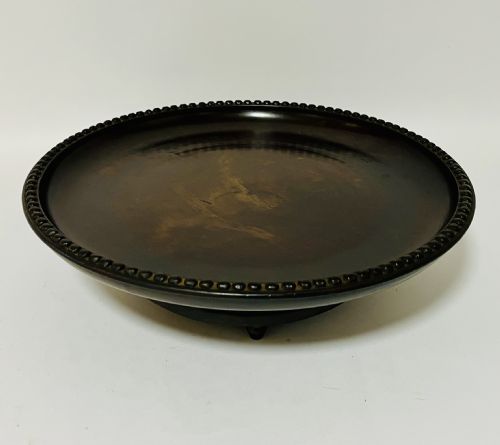
The versions most commonly met on this page range from nineteenth-century English mahogany trays to Anglo-Indian teak items and Swiss folk art bowls. Continental rustic treen platters and Kashmiri walnut pieces also appear frequently among the listings.
Makers and artisans utilised traditional regional styles such as Japanese Art, Italian Grand Tour, and Kashmiri carving traditions. Each piece reflects the distinct woodworking heritage of its origin, whether European, Asian, or British.
How they were made
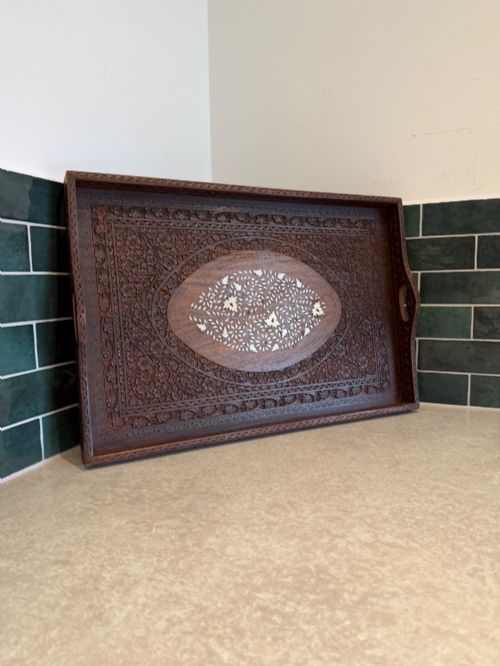
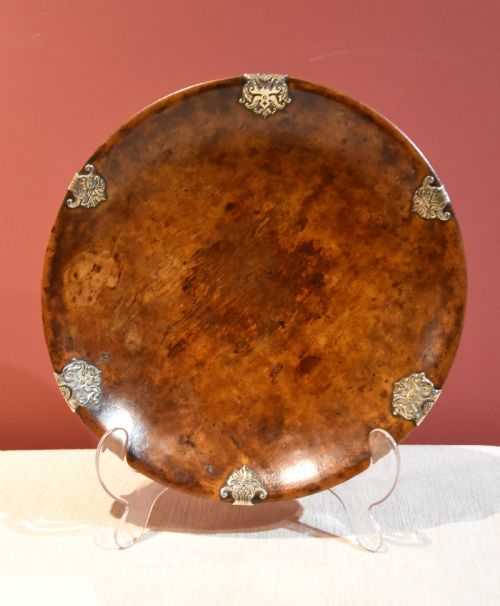
Craftsmen shaped these items from dense hardwoods such as mahogany, walnut, teak, shisham wood, and olivewood. Some examples incorporate contrasting materials like bone inlay, silver mounts, and brass to accent the carved surfaces.
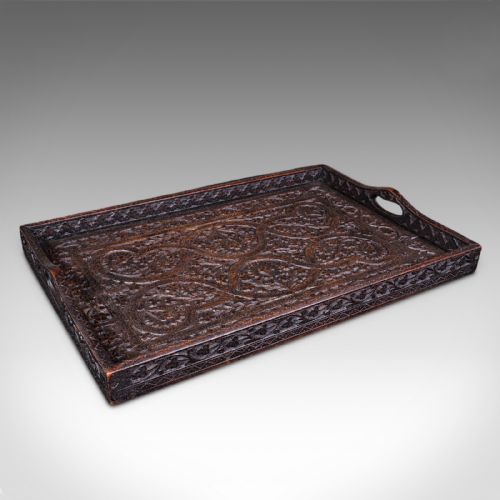
Carpenters and carvers employed hand-carving techniques to achieve scalloped edges, galleried rims, and intricate low-relief ornamentation. Regional workshops utilised native timbers, turning birch, maple, and dark stained wood into functional serving vessels and decorative plaques.
Carved Wood Platter Retail Price Guide 2026
Typical asking prices for carved wood platter among the pieces listed under this phrase on Sellingantiques today, from the lower quarter to the upper quarter. They describe what is for sale here now, not the wider market.
The selection includes items fashioned from mahogany, walnut, teak, olivewood, and birch.
What varies in quality
The depth and crispness of the carving separate standard utilitarian items from finer decorative examples. Crisp detailing along scalloped edges and well-executed relief work indicate skilled workmanship.
The choice of timber and the preservation of the original surface finish influence the overall integrity of the piece. Selected hardwoods and integrated details like bone inlay or brass mounts elevate the sophistication of the construction.
The Carved Wood Platter Glossary
- Treen
- Small handmade wooden domestic objects. This term covers items like platters, bowls, and plates fashioned by turners and woodworkers.
- Gallery
- A raised miniature balustrade or railing fitted around the edge of a tray. This feature helps prevent items from sliding off during service.
- Sorrento ware
- Wooden decorative items originating from Italy featuring intricate marquetry and micro-mosaic decoration. Olivewood is a primary medium for this regional style.
- Lazy Susan
- A rotating tray or turntable placed on a table to facilitate the distribution of food. Victorian examples are frequently rendered in carved timber.
Carved Wood Platter: Frequently Asked Questions
How do I clean a carved wood platter?
Wipe the surface gently with a damp, soft cloth to remove dust and debris. Avoid submerging the wood in water or using harsh detergents.
Apply occasional coats of food-safe mineral oil or beeswax to nourish dry timber and maintain the lustre of the grain.
Can I use these platters for food service?
Many of these pieces were originally designed for serving tea or presenting food items. However, older finishes may be sensitive to moisture and acidic foods.
Consider placing a protective liner on the surface if you intend to serve moist items on antique or vintage wood.
How do I identify a Victorian carved tray?
Victorian items frequently exhibit dense floral carving, dark hardwoods like walnut or mahogany, and specific regional influences such as Anglo-Indian or Swiss motifs.
Examine the construction methods and tool marks on the underside for clues regarding nineteenth-century British or colonial production.
What is Anglo-Indian carving?
Anglo-Indian woodworking combines traditional South Asian carving techniques with British furniture forms, particularly popular during the nineteenth century. Artisans worked dense timbers like teak to produce heavily ornamented trays and platters.
These pieces typically feature dense foliage, scrollwork, and occasionally bone inlay work.