

Carved Wood Parlour Chair
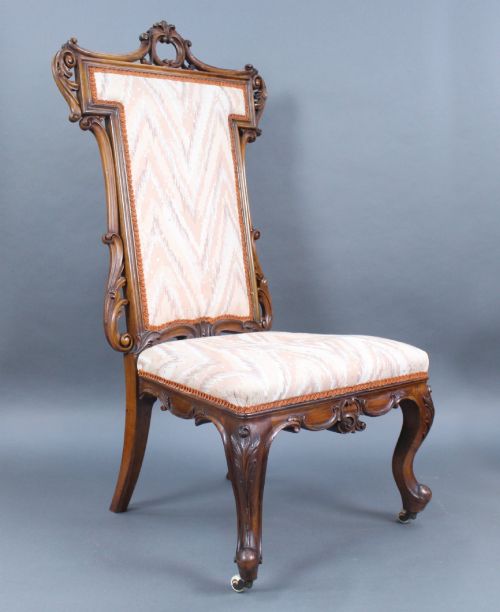
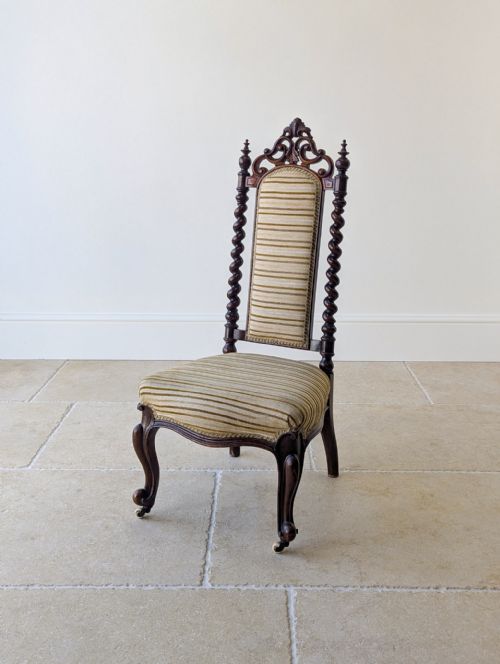
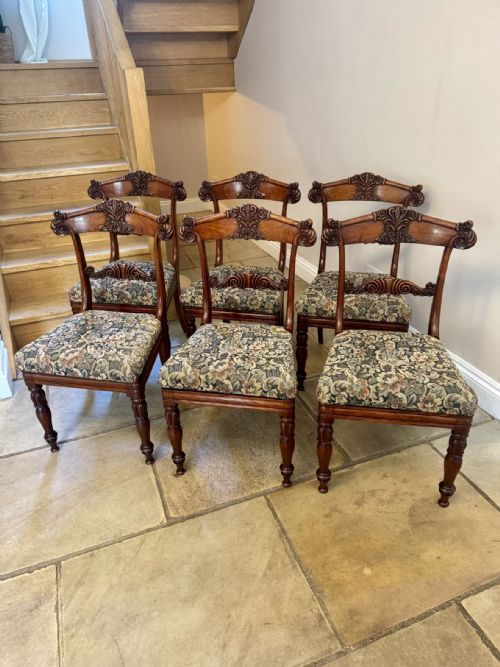
A carved wood parlour chair brings nineteenth-century seating to a room, offering turned legs, carved backs, and upholstered pads.
Carved Wood Parlour Chair
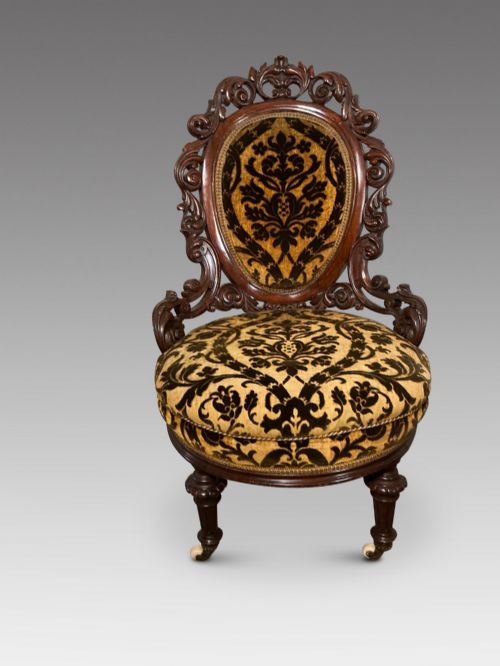
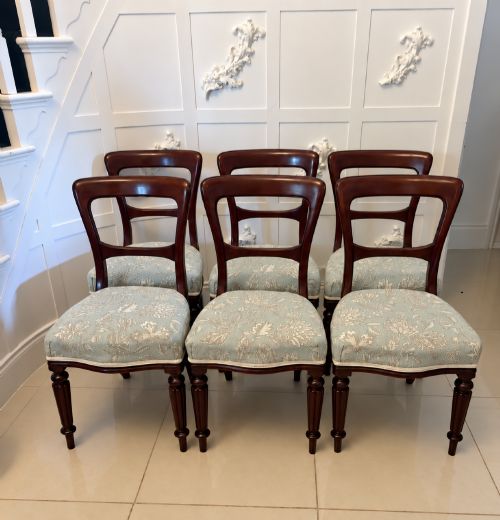
A carved wood parlour chair forms part of nineteenth-century seating designed for reception rooms and sitting spaces, appearing across Victorian, Regency, and Edwardian periods. Buyers searching this phrase meet dining chairs, armchairs, occasional chairs, and salon suites made from timber frames.
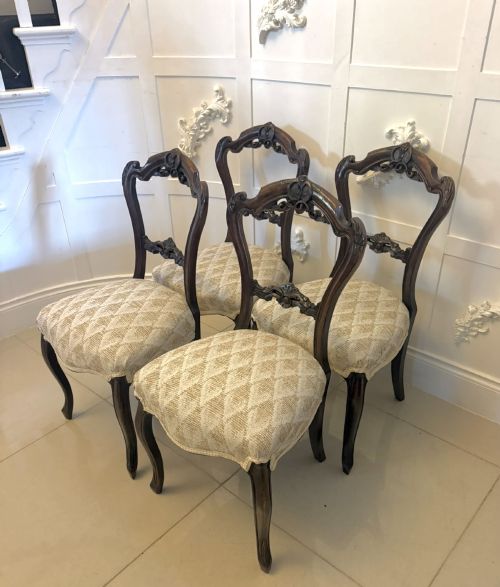
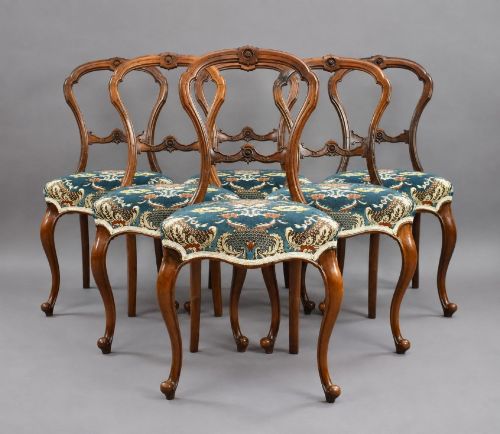
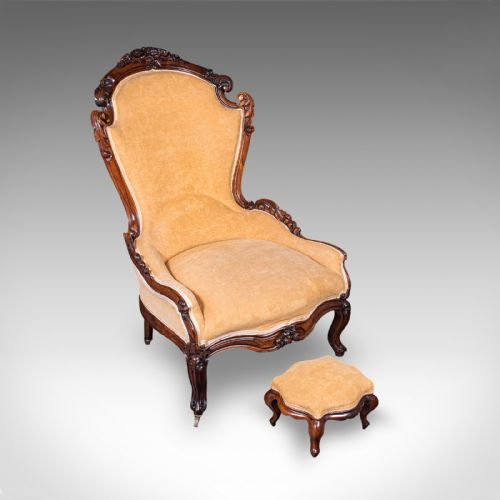
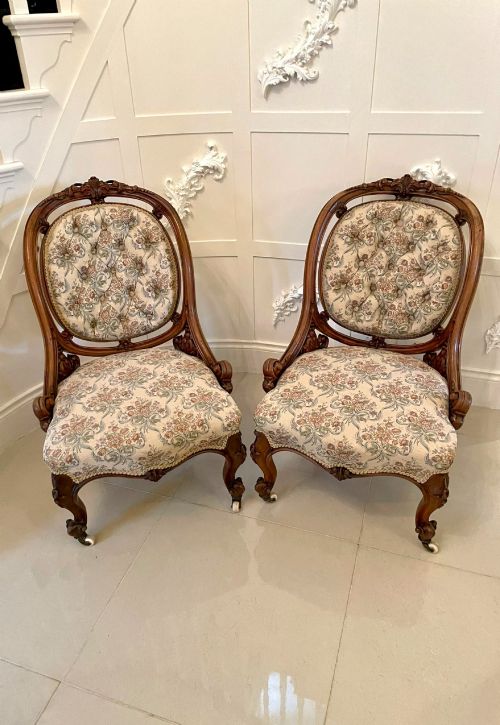
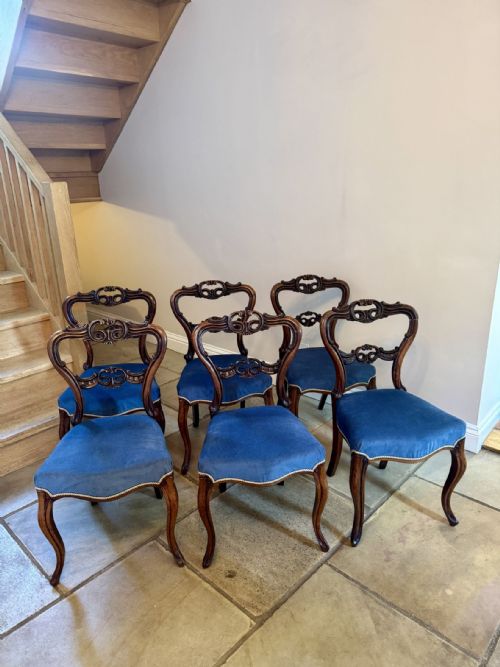
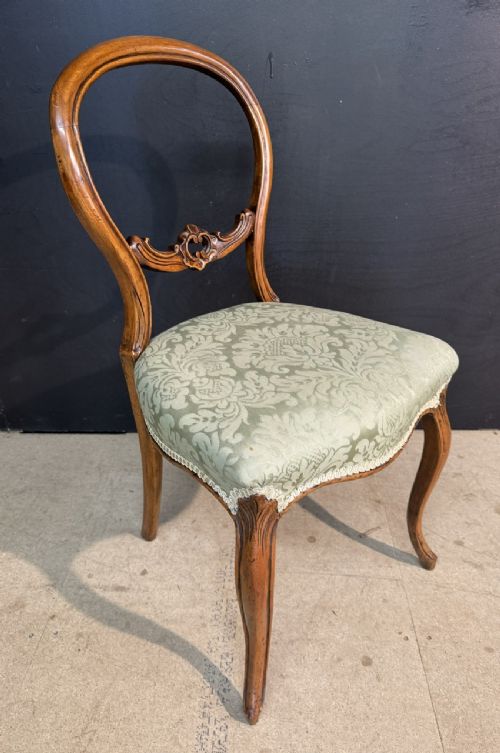
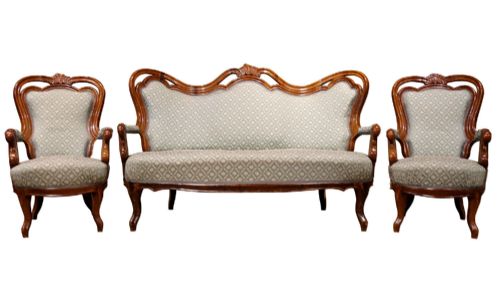
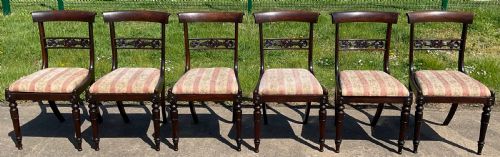
The most common version on this page is the Victorian rosewood or walnut balloon back dining chair, alongside occasional chairs and salon suites from the mid to late nineteenth century. These pieces combine wooden frames with fabric, velvet, textile, or needlepoint upholstery.
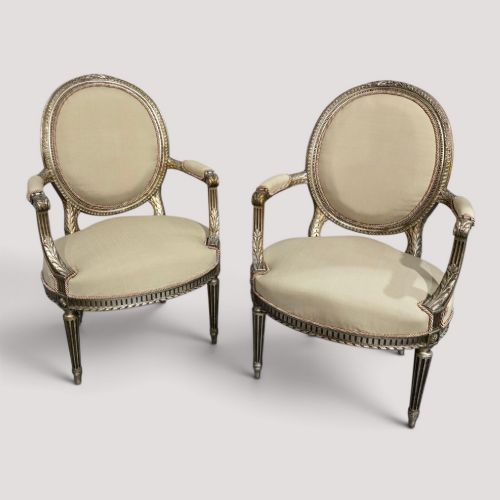
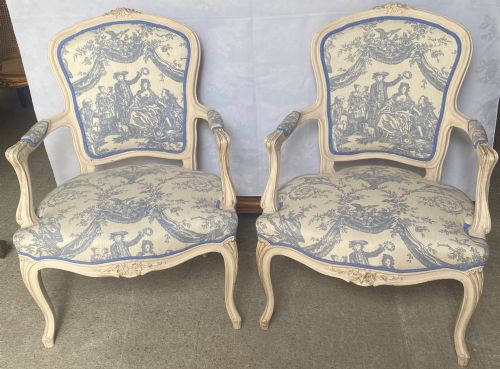
Origins span English workshops and continental makers, incorporating styles such as French Rococo Revival, Louis XV Revival, and Louis XVI alongside standard Victorian designs. Sets ranging from pairs up to twelve chairs sit alongside single occasional seats.
How they were made
Timbers such as rosewood, walnut, mahogany, oak, beech, and giltwood provide the structural frames, shaped with carved details and cabriole or reeded legs. Brass castors and hardware occasionally support the heavier timber bases.
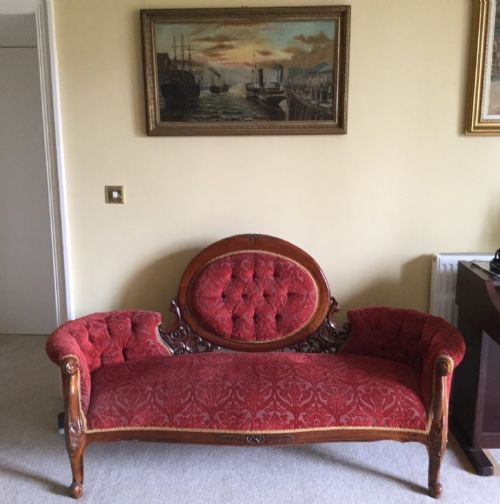
Upholstery relies on fabric, velvet, textile, and deep pile brocade, secured over sprung settee bases or drop-in pads. Needlepoint seats also appear, fixed to solid rosewood or walnut structures.
Carved Wood Parlour Chair Retail Price Guide 2026
Typical asking prices for carved wood parlour chair among the pieces listed under this phrase on Sellingantiques today, from the lower quarter to the upper quarter. They describe what is for sale here now, not the wider market.
Listings feature Victorian, Regency, and Edwardian periods, constructed in rosewood, walnut, mahogany, oak, and beech.
What varies in quality
The depth and crispness of the carved wood details separate standard seating from superior examples, particularly on balloon backs and cabriole legs. Timber selection also dictates grade, with dense rosewood and figured walnut achieving a stronger finish than plain beech.
Completeness of a set influences standing, as matched groups of six or eight hold greater cohesion than single stray chairs. Original upholstery materials like needlepoint or preserved brocade contrast with later re-covered textiles.
The Carved Wood Parlour Chair Glossary
- Balloon back
- A chair back shaped in a continuous oval curve resembling a balloon, typical of Victorian rosewood and mahogany seating.
- Cabriole leg
- A furniture leg that curves outward at the knee and inward at the ankle, ending in a pad or scroll foot.
- Reeded leg
- A straight wooden furniture leg carved with parallel convex mouldings that mimic inverted fluting.
- Giltwood
- Wood that has been coated with gold leaf or gold paint to produce a metallic decorative surface.
Carved Wood Parlour Chair: Frequently Asked Questions
What is a parlour chair?
A parlour chair is a nineteenth-century seat designed for formal reception rooms, combining decorative timber frames with upholstered pads. They served guests during social visits and afternoon gatherings.
These chairs range from single occasional seats to matching sets intended for dining or salon use. Their designs reflect shifting Victorian and Regency tastes.
How do I identify a Victorian chair?
Victorian chairs show specific timber choices like rosewood, walnut, and mahogany, often shaped into balloon backs or cabriole legs. Makers utilised styles ranging from early Victorian revival to late nineteenth-century eclecticism.
Examining the construction methods, joinery, and upholstery materials helps confirm the nineteenth-century production period.
Were these chairs used for dining?
Many chairs listed as parlour or salon seating were originally produced as sets of dining chairs. Their sturdy wood frames and upholstered seats suited formal dining rooms.
Over time, individual chairs from these sets transitioned into occasional seating for hallways, bedrooms, and drawing rooms.
How do I care for antique wood chairs?
Maintain antique timber frames by keeping them away from direct sunlight and fluctuating heat sources. Gentle dusting preserves the polished wood surface without stripping the finish.
Upholstered sections require careful vacuuming with a soft attachment to protect delicate fabrics like velvet, brocade, or needlepoint.