

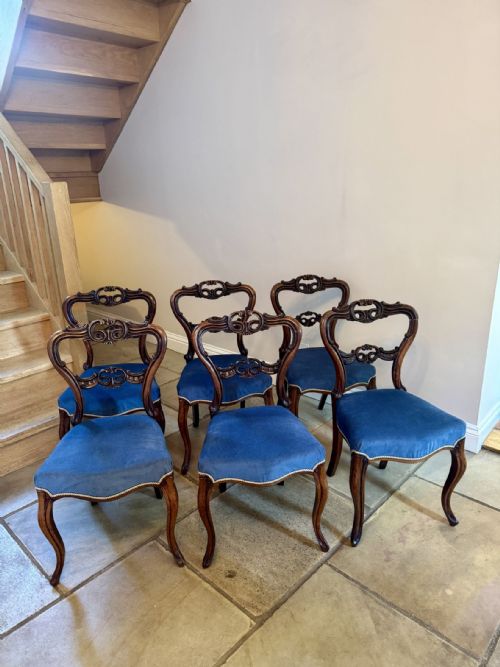
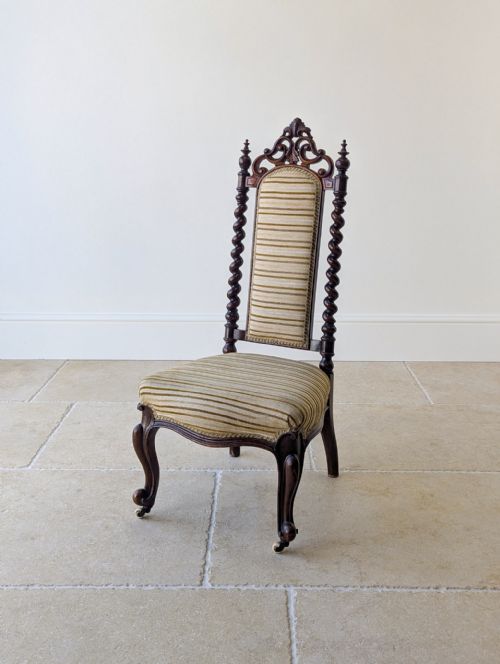
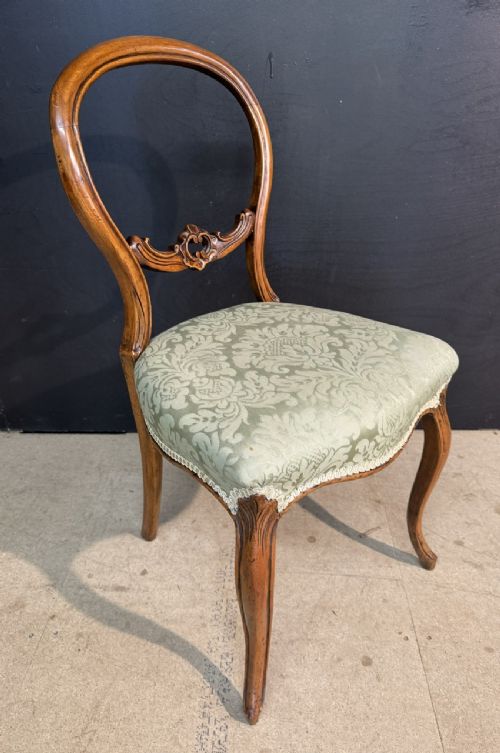
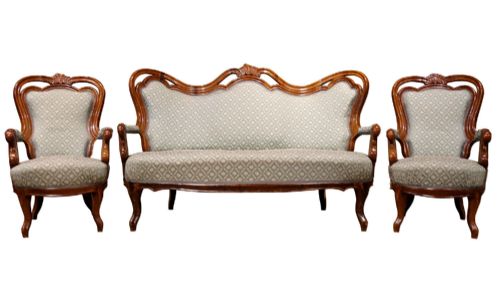
Carved Wood Parlor Chair
A carved wood parlor chair brings nineteenth-century drawing room elegance into a modern interior with solid rosewood, walnut, and mahogany frames.
Carved Wood Parlor Chair
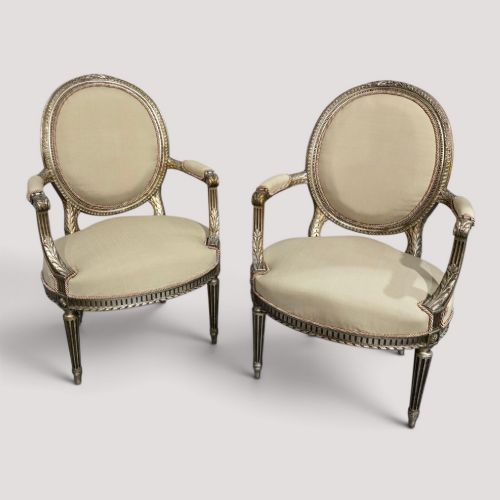
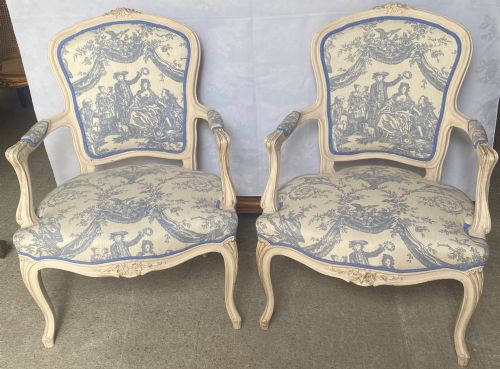
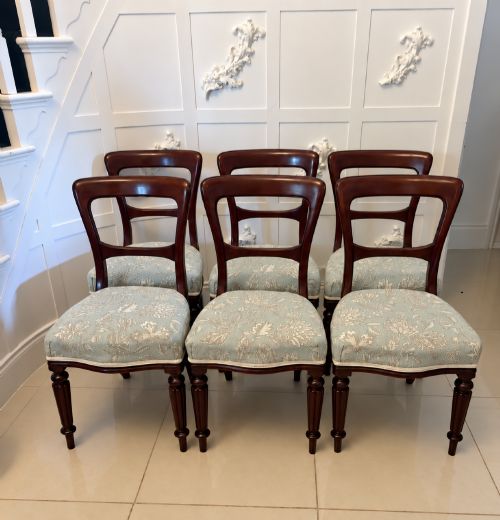
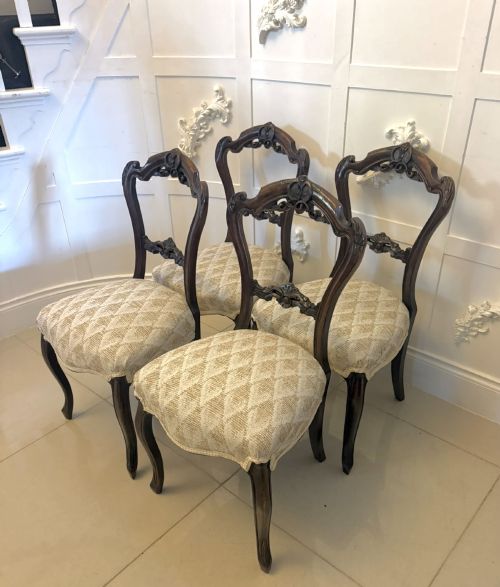
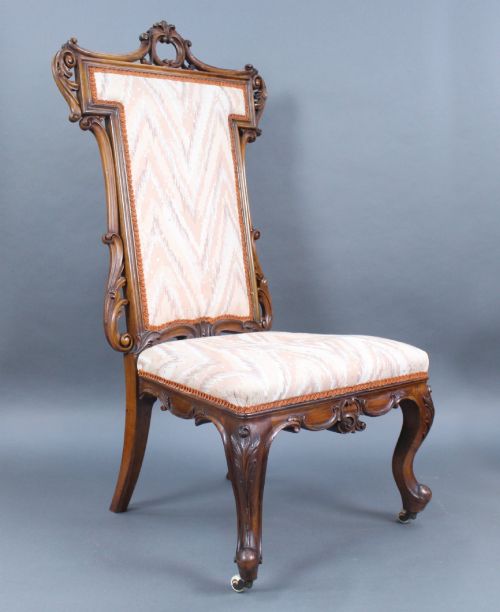
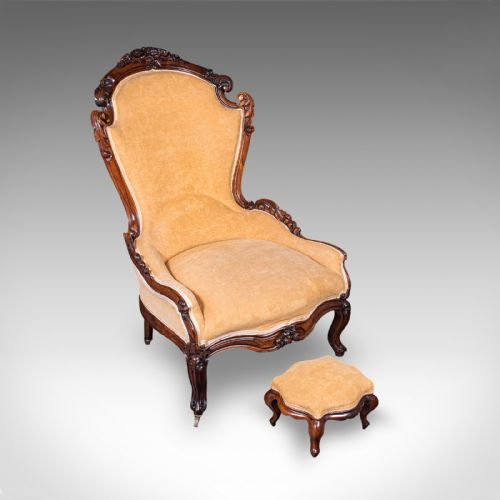
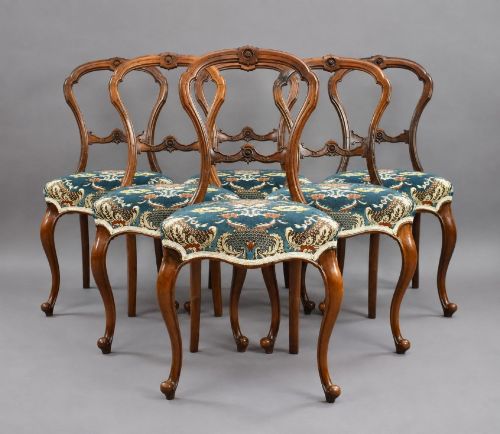
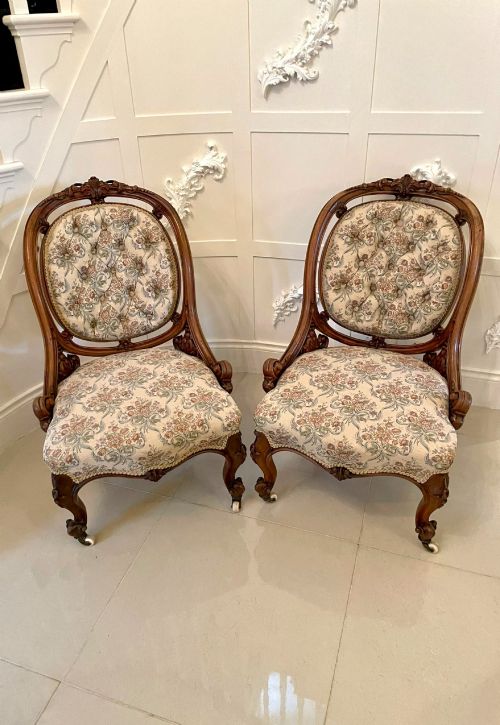
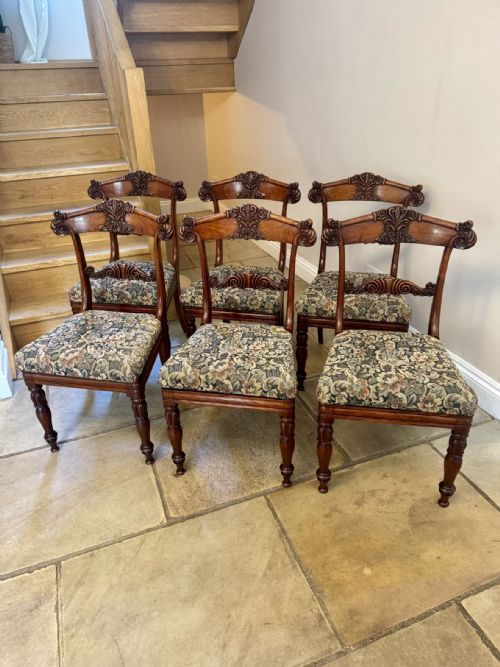
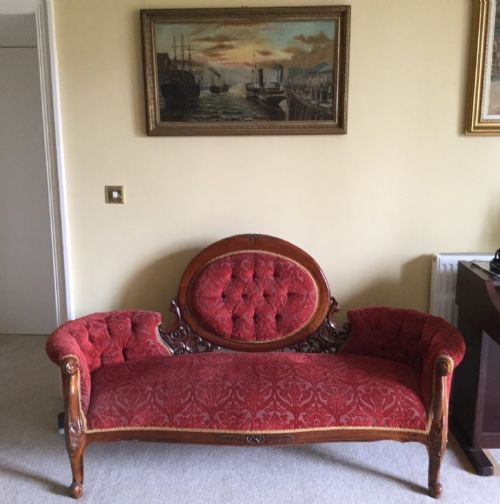
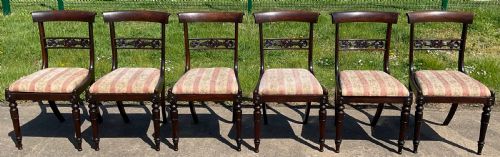
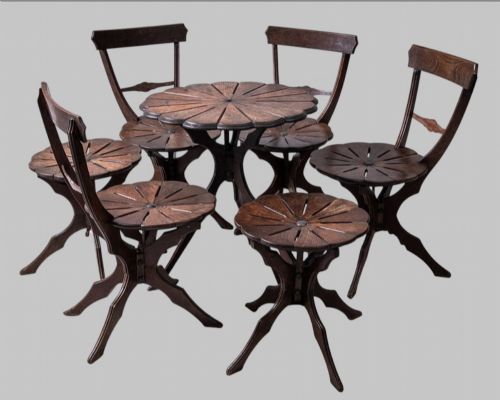
A carved wood parlor chair represents the formal seating designed for nineteenth-century reception rooms, spanning Victorian, Regency, and Edwardian periods. Buyers searching for a carved wood parlor chair encounter various forms including balloon back dining chairs, occasional chairs, and open armchairs.
The pieces appearing on this page originate predominantly from the Victorian era, particularly the mid nineteenth century around eighteen sixty. Makers constructed these items from dense hardwoods like rosewood and walnut, frequently pairing them with upholstered seats in velvet, fabric, or needlepoint.
Materials and construction methods
Cabinetmakers utilised solid rosewood, walnut, and mahogany to build durable frames capable of supporting intricate hand-carved details. These timbers provided the structural strength needed for slender cabriole legs, reeded supports, and open arm designs.
Upholstery techniques involved sprung seat bases covered in textiles such as deep pile brocade, velvet, and needlepoint. Craftsmen secured these materials using brass tacks and traditional stuffing methods suited to formal parlour seating.
Carved Wood Parlor Chair Retail Price Guide 2026
Typical asking prices for carved wood parlor chair among the pieces listed under this phrase on Sellingantiques today, from the lower quarter to the upper quarter. They describe what is for sale here now, not the wider market.
Listings feature nineteen-century periods including Victorian, Regency, and Edwardian eras, alongside French revival styles.
Separating standard examples from fine pieces
The depth and crispness of the hand-carving define the superior examples within this category. Sharp relief work on walnut and rosewood frames demonstrates superior artisan skill compared to softer, more rounded moulding.
Timber selection and grain matching across sets of chairs indicate higher workshop standards. Uniformity in rosewood figures and solid hardwood construction elevate certain sets above standard production pieces.
The Carved Wood Parlor Chair Glossary
- Balloon back
- A rounded, oval-shaped chair back resembling a balloon, popular in Victorian dining and parlor seating.
- Cabriole leg
- A furniture leg that curves outward and then tapers inward, finishing in a pad or scroll foot.
- Reeded legs
- Straight furniture legs carved with parallel convex mouldings resembling bundled reeds.
- Needlepoint
- Canvas embroidery worked with wool yarn, frequently utilised for historic chair seat upholstery.
Carved Wood Parlor Chair: Frequently Asked Questions
Where did people place parlor chairs?
Parlor chairs stood in formal reception rooms and drawing rooms where families entertained guests. These seats furnished spaces dedicated to conversation, music, and social gatherings.
Today, owners place these pieces in living rooms, bedrooms, and hallways as accent seating. Their compact forms allow them to function effectively in both traditional and contemporary room layouts.
How do I identify a Victorian parlor chair?
Victorian parlor chairs exhibit dense hardwoods such as rosewood and walnut, often featuring curved balloon backs or elaborate carved details. Many examples display cabriole legs and button-tufted or needlepoint upholstery.
Examining the underside reveals traditional joinery methods and aged timber patination consistent with nineteenth-century manufacturing techniques.
Are these chairs comfortable for daily use?
Nineteenth-century parlor seating was designed for upright posture during formal social interactions rather than lounging. Sprung seat bases and upholstered backs provide firm support for sitting.
Many surviving pieces retain or have been restored with modern internal webbing and padding, making them suitable for regular daily seating in modern homes.
How do I care for antique wood and upholstery?
Maintain antique wood frames by applying beeswax polish sparingly and avoiding direct sunlight to prevent timber fading. Keep upholstered surfaces clean using gentle vacuum attachments designed for textiles.
Protect rosewood and walnut surfaces from excessive moisture and extreme temperature fluctuations to preserve the original polish and structural integrity.