





Carved Wood Mould
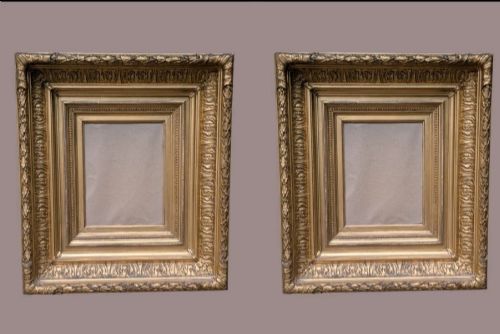
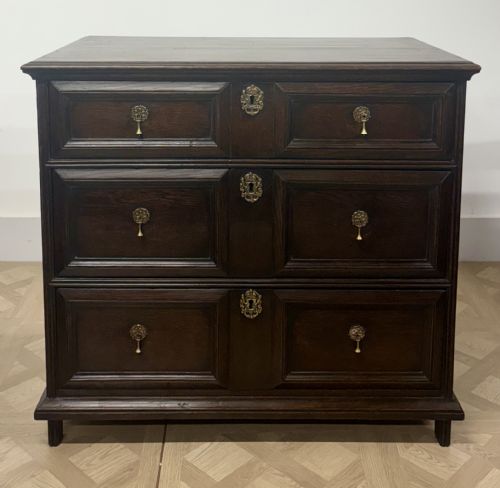
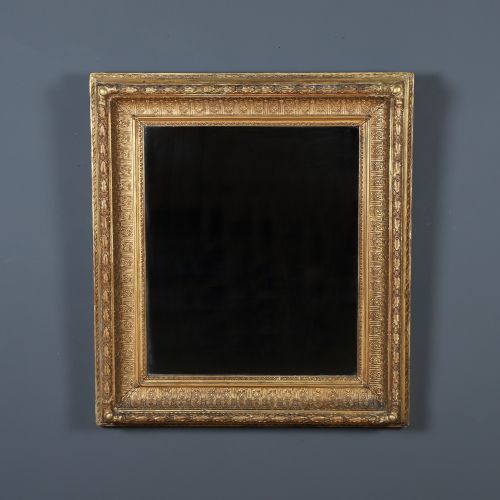
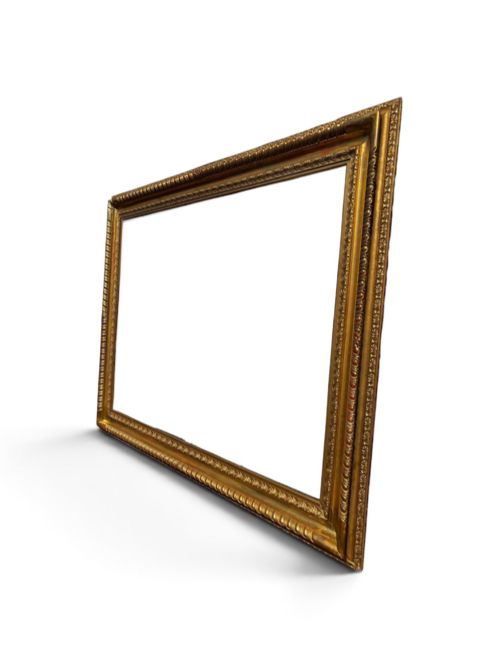
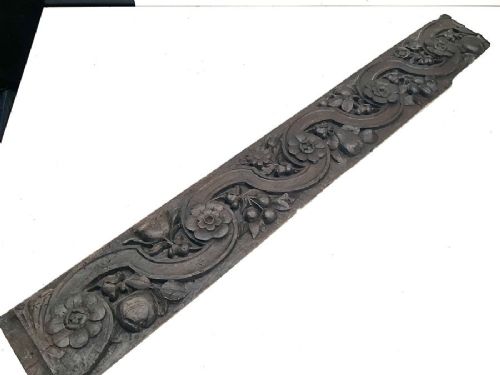
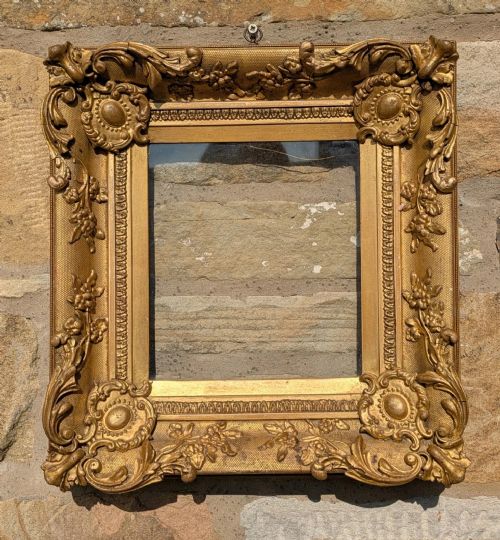
These examples of carved wood mould range from domestic mirrors to architectural fragments, offering rich texture and historical presence for interior display.
Carved Wood Mould
When buyers search for carved wood mould, they encounter a diverse selection of items spanning several centuries, from the seventeenth through to the early twentieth century. These pieces encompass decorative architectural salvage, carved friezes, pediments, and functional items bearing detailed timber work.
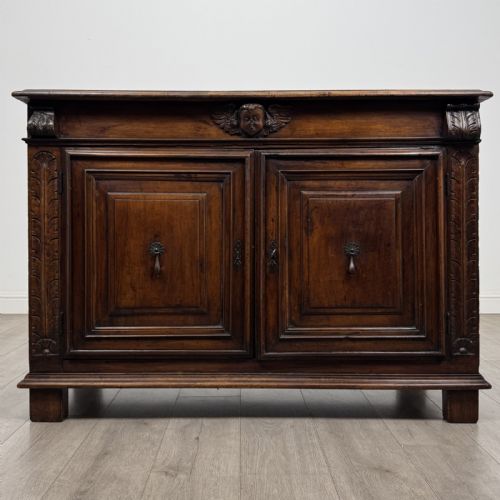
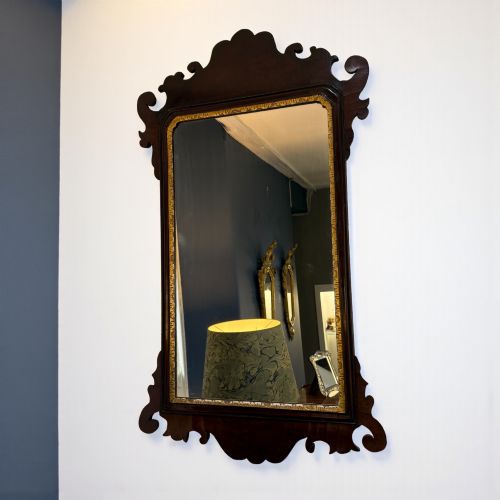
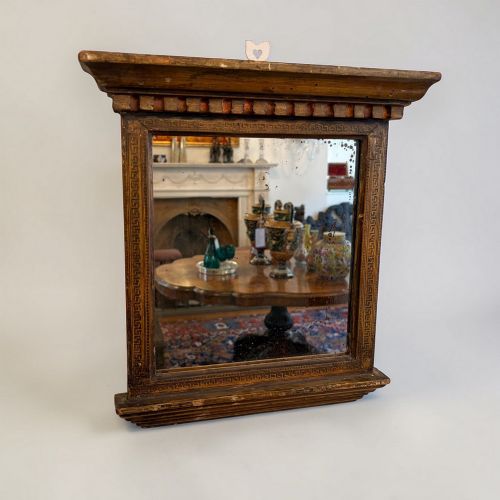
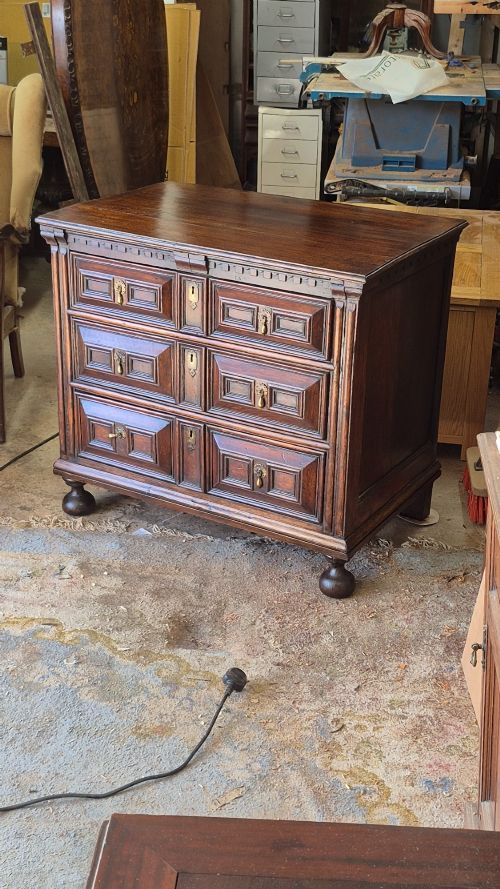
The most common formats on this page include mirrors and picture frames framed by elaborate mouldings, alongside architectural elements such as panels and overdoor pediments. Objects range in origin across English and French workshops, utilising woods like oak, walnut, beech, and mahogany.
How they were made
Makers utilised solid timbers such as oak, walnut, sycamore, and mahogany, shaping them through hand carving and geometric joinery. Many items combine a timber base with applied gesso or layers of gold leaf and silver gilt to achieve a reflective, ornamented surface.
Specialised items like millinery blocks and gingerbread moulds demonstrate utilitarian carving in woods like beech and fruitwood. Architectural decorations also incorporate media such as leathermaché alongside traditional timber substrates.
Carved Wood Mould Retail Price Guide 2026
Typical asking prices for carved wood mould among the pieces listed under this phrase on Sellingantiques today, from the lower quarter to the upper quarter. They describe what is for sale here now, not the wider market.
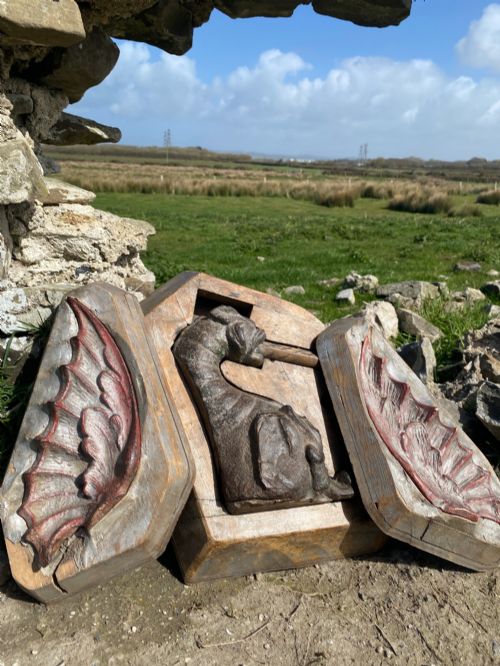
One unusual survivor is an enormous nineteenth-century gingerbread mould featuring a man on horseback.
What varies in quality
The distinction between tiers rests upon the crispness of the hand carving and the integrity of the surface finish, such as the retention of original gilding or polish. Pieces displaying deep relief work and deliberate geometric precision command greater visual weight.
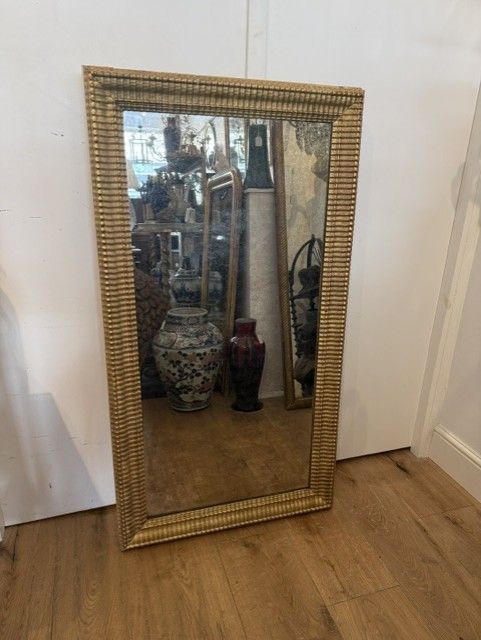
Quality also depends on the preservation of the original wood grain and the complexity of the moulding profile, whether in a simple ripple frame or an elaborate Neo-Classical mirror surround.
The Carved Wood Mould Glossary
- Gesso
- A plaster-like material applied to wood surfaces as a smooth base for gilding or painting. It allows intricate relief details to be moulded onto frames and mirrors.
- Giltwood
- Timber that has been coated with thin sheets of gold leaf. This finish creates a luminous, reflective surface popular in mirror frames.
- Pediment
- A decorative architectural element placed above doors, windows, or furniture pieces. These often feature carved wood mould details.
- Treen
- Small handmade wooden domestic objects such as butter prints and bowls. They highlight the turning and carving skills of earlier centuries.
- Overmantle
- A large mirror or panel designed to hang directly above a fireplace mantel. These frequently incorporate arched tops and elaborate gilt framing.
Carved Wood Mould: Frequently Asked Questions
What is a carved wood mould?
A carved wood mould encompasses decorative architectural elements, picture frames, and functional items shaped from timber by hand. These pieces display historical carving styles ranging from seventeenth-century geometric patterns to nineteenth-century revival designs.
They serve both decorative and structural purposes within interiors, bringing texture and historical depth to walls and furniture schemes.
How do I date a carved wooden piece?
Dating relies on identifying the timber species, construction methods, and stylistic motifs characteristic of specific periods like the Jacobean or Victorian eras. Tool marks and the presence of original finishes also provide clues to the age of the item.
Comparing the decorative vocabulary to known historical styles helps narrow down the decade or century of manufacture.
How were antique mirror frames constructed?
Makers constructed mirror frames using joined timbers such as oak, pine, or mahogany, often building up decorative profiles with applied gesso. These surfaces were then gilded with gold or silver leaf to achieve a finished appearance.
Intricate elements like ripple moulding or parcel-gilt fretwork required specialised cutting and shaping tools handled by skilled artisans.
How do I care for antique carved wood?
Care for antique carved wood involves maintaining stable indoor humidity levels to prevent the timber from splitting or warping. Dusting should be done gently with a soft, dry cloth to protect delicate gesso and carved details.
Avoid using harsh chemical polishes, as these can degrade original gilded or waxed surfaces over time.