

Carved Wood Lounge
These carved wood lounge pieces span centuries of seating and surface forms, offering distinct historical character for interior spaces.
Carved Wood Lounge
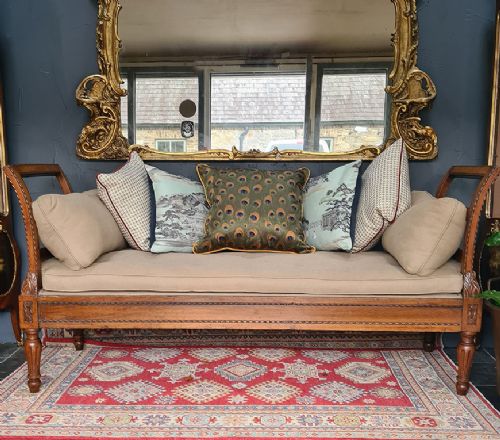
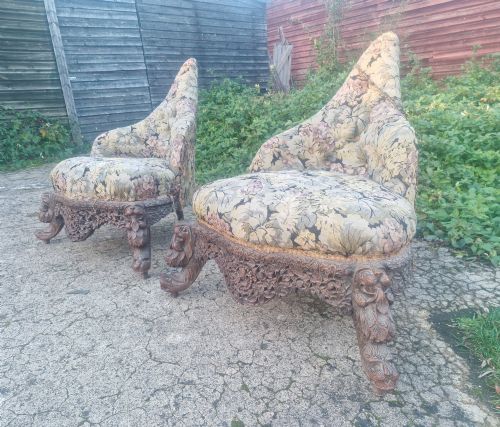
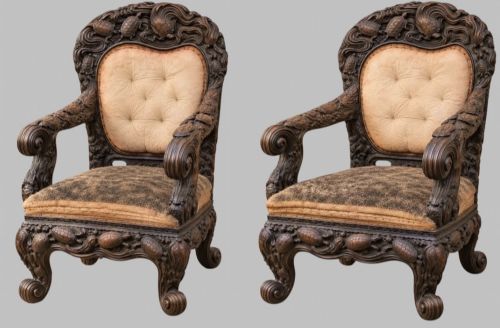
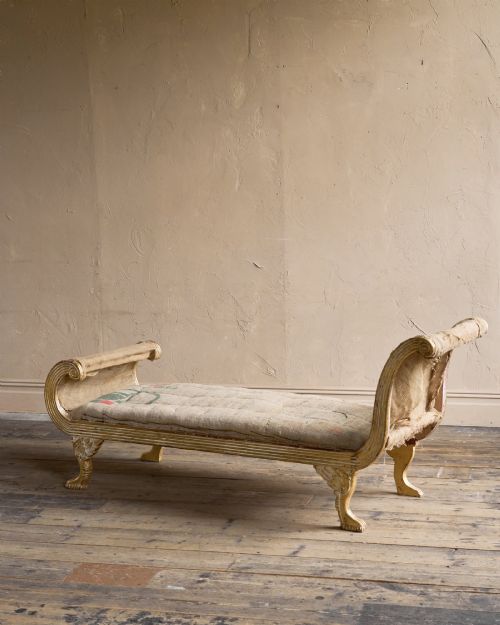
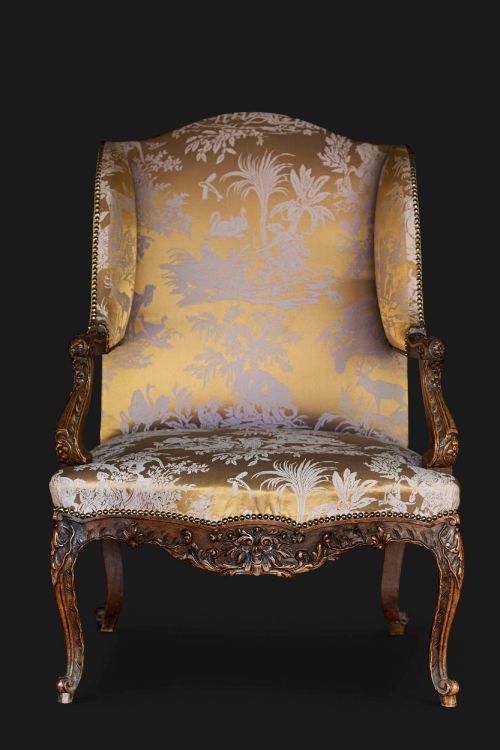
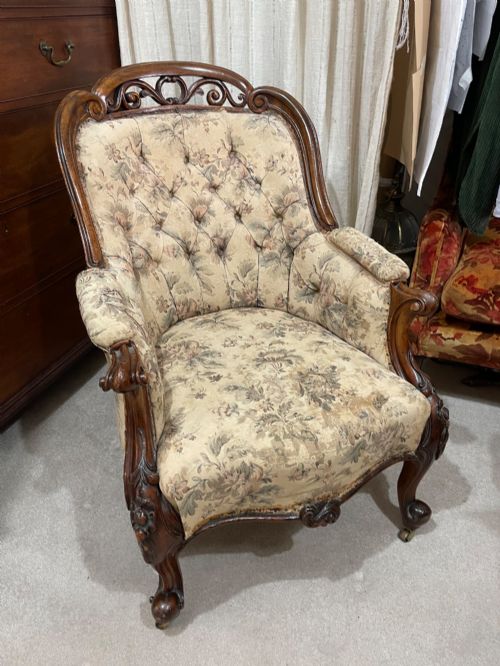
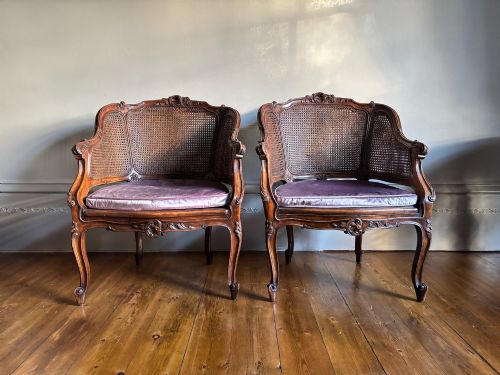
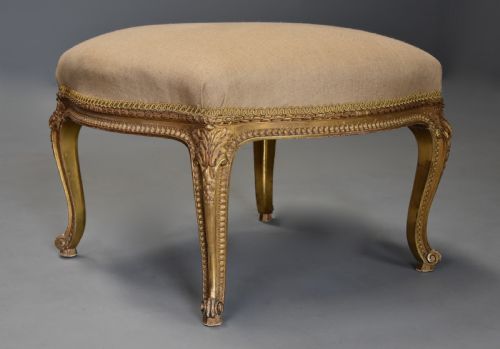
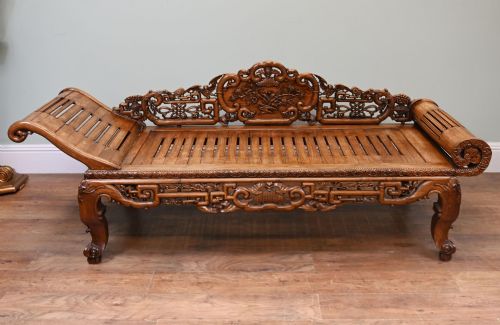
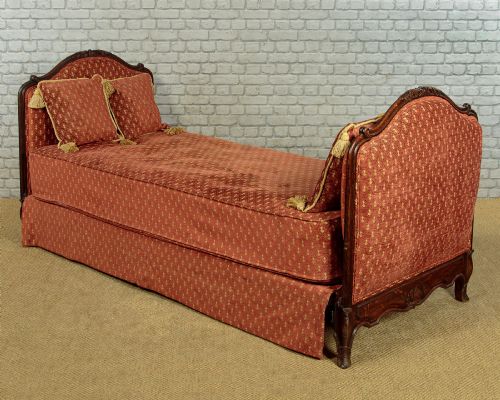
Searches for carved wood lounge bring together an array of seating and occasional tables spanning the eighteenth century through to the art deco era. Buyers encounter everything from French giltwood armchairs and walnut chaise longues to Victorian mahogany daybeds and occasional coffee tables.
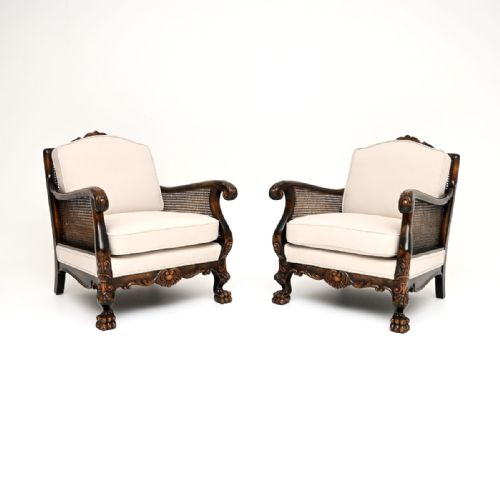
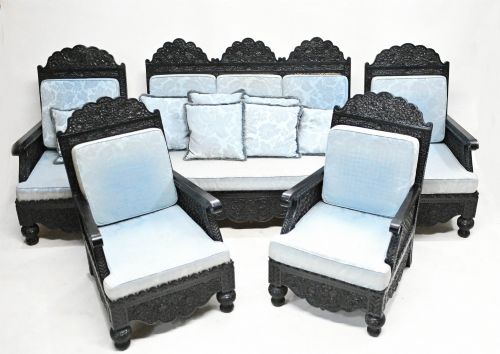
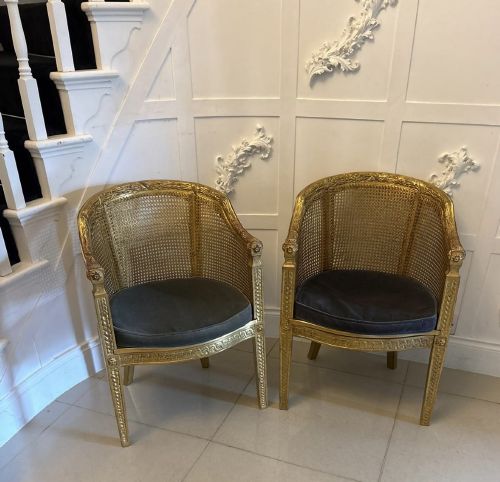
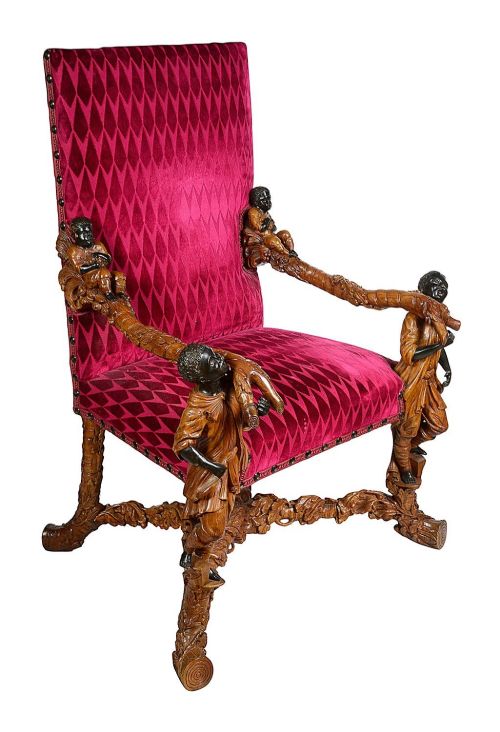
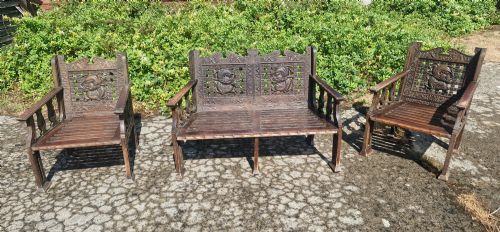
The domestic forms recorded on this page range from solid ebony armchairs and bergere suites to low tables in oak, satinwood and painted finishes. Pieces originate across British, French, Italian, Chinese and Ceylonese workshops, reflecting diverse regional carving traditions.
Materials and construction methods
Solid timbers such as mahogany, walnut, rosewood, satin birch and ebony provide the structural framework for these seats and tables, often enriched by detailed hand carving. Giltwood, painted surfaces and brass accents appear alongside regional hardwoods.
Upholstered elements utilise traditional materials including feather cushions, deep pile brocade, silk, velvet and cane panels. Frames are assembled with classic joinery before being paired with sprung or webbed seating bases.
Carved Wood Lounge Retail Price Guide 2026
Typical asking prices for carved wood lounge among the pieces listed under this phrase on Sellingantiques today, from the lower quarter to the upper quarter. They describe what is for sale here now, not the wider market.
Listings feature periods spanning from the eighteenth century through Victorian, Edwardian and Art Deco eras.
Distinctions in craftsmanship and condition
Quality rests in the crispness and depth of the timber carving, the integrity of the underlying frame, and the selection of materials. Master workshops demonstrated superior control over joinery and surface ornamentation compared to simpler commercial output.
The preservation of original finishes, authentic upholstery materials and stamped maker signatures elevate individual pieces. Alterations or later replacements of fabric and structural components alter the historical integrity of the work.
LOIDRAULT FRERES PARIS·Jacob-Desmalter·Gillows
The Carved Wood Lounge Glossary
- Bergere
- An enclosed upholstered armchair with wooden framing, typically featuring cane or fabric sides. This seating form became prominent in French design.
- Giltwood
- Timber treated with a thin layer of gold leaf or gold paint applied over a prepared gesso surface. This finish is common on decorative revival frames.
- Satinwood
- A durable hardwood characterised by a golden-yellow sheen and smooth grain, frequently utilised for inlaid decorative tables and seating frames.
- Fauteuil
- An open-framed upholstered armchair with exposed wooden armrests originating in French tradition. These seats display carved details along the structural rails.
Carved Wood Lounge: Frequently Asked Questions
How do I identify a Victorian chaise longue?
Victorian chaise longues typically feature an asymmetric scrolled backrest and carved mahogany or walnut framing supported on cabriole legs. They reflect the ornate revival styles popular during the nineteenth century.
Examine the underside and joinery for period construction methods, as nineteenth-century frames rely on hand-cut joints and dense hardwoods rather than modern fasteners.
What is the difference between an armchair and a bergere?
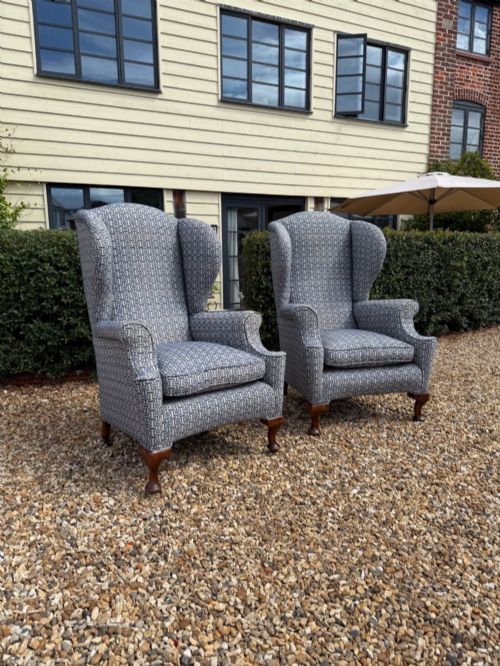
Standard armchairs feature open wooden sides and fully upholstered armrests. A bergere incorporates enclosed sides filled with tightly woven cane or upholstered panels.
Both forms utilise carved wooden frames, but the bergere offers a more enclosed seating profile common in French and revival seating designs.
How should I care for antique wood furniture?
Maintain wooden surfaces by keeping them away from direct sunlight and fluctuating heat sources that cause timber to dry and crack. Dust regularly with a dry cloth and avoid harsh chemical cleaners.
Preserve original polishes and gilt finishes by applying suitable natural waxes sparingly only when the timber appears dry.
Are these pieces suitable for daily seating?
Many historical armchairs and sofas are structurally robust enough for regular domestic use, provided the internal webbing, springs and upholstery have been properly maintained or restored. Feather cushions and traditional stuffing offer comfortable support.
Review the specific construction and upholstery notes for each listing to determine whether the piece has been recently re-covered or retains vintage padding.