





Carved Wood Head Statue
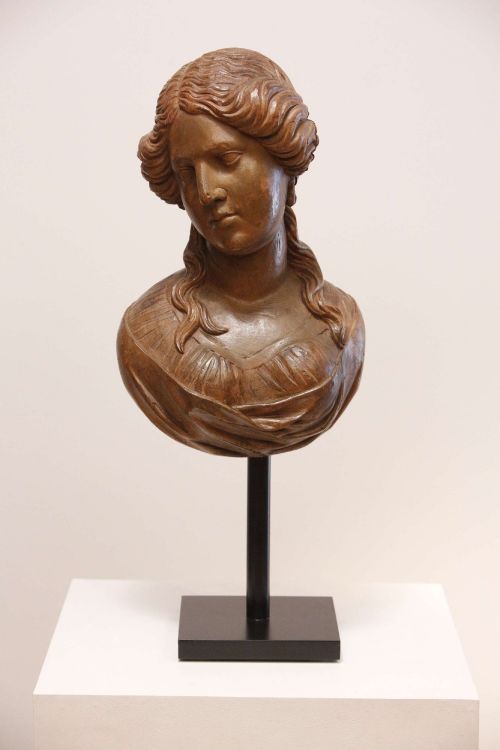
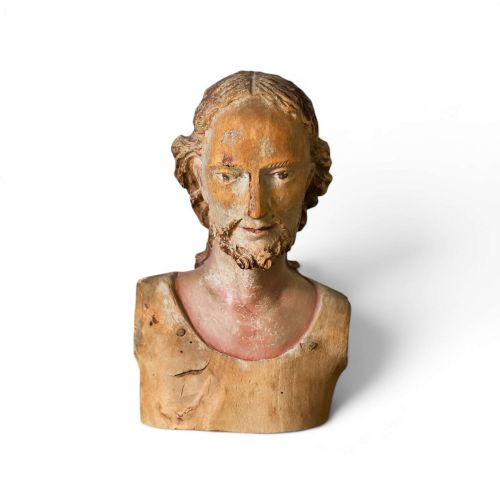
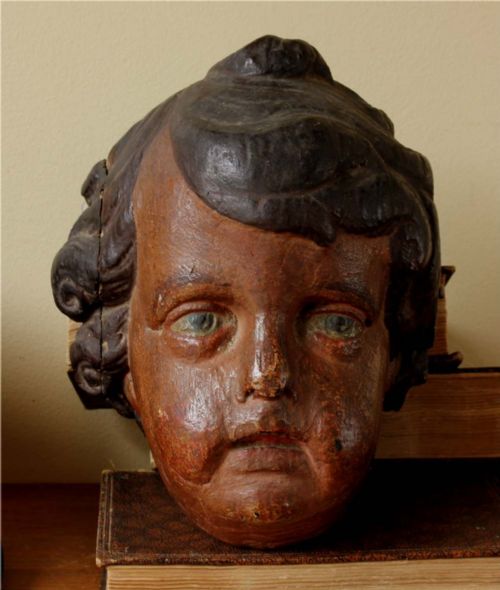
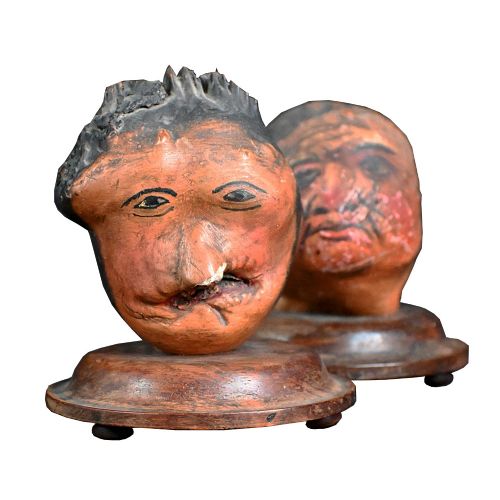
These carved wood head statue pieces range from religious putti to tribal guardians, offering striking character carved entirely from timber.
Carved Wood Head Statue
When you search for a carved wood head statue, you encounter a diverse gathering of portrait busts, religious fragments, and ethnographic figures. These sculptures isolate the human head or bust as a complete work of art, drawing the eye directly to expression and detail. You will most frequently meet pieces originating from European religious contexts and global tribal traditions.
The selections span multiple centuries, stretching from the eighteenth century through to early twentieth-century modernist and folk art movements. Forms include French baroque cherubs, Italian olive wood depictions of Christ, and African reliquary guardian heads from Gabon. Each piece reflects the distinct aesthetic priorities of its culture and period of origin.
How they were made
Many surfaces received additional treatment through polychrome paint, gesso, or dark patination to enhance visual impact. Pigments were applied directly to the wood to render flesh tones, hair colour, and liturgical vestments with heightened realism. In other instances, a simple wax or oil finish was burnished into the timber to highlight the natural figure of the grain.
Carved Wood Head Statue Retail Price Guide 2026
Typical asking prices for carved wood head statue among the pieces listed under this phrase on Sellingantiques today, from the lower quarter to the upper quarter. They describe what is for sale here now, not the wider market.
The selection includes pieces spanning the eighteenth century, nineteenth century, and early twentieth century.
What varies in quality
Surface preservation and material selection further differentiate the hierarchy of these sculptures. Dense, stable timbers that resist severe splitting hold crisp detail over centuries much better than softer woods prone to structural movement. Original polychrome surfaces retaining their authentic early layers carry significantly more artistic integrity than pieces subjected to heavy modern overpainting.
Laszlo Hoenig
The Carved Wood Head Statue Glossary
- Polychrome
- Decorated in multiple colours. This term describes sculpture surfaces painted with pigments, often over a gesso ground.
- Byeri
- A reliquary guardian figure associated with the Fang people of Gabon. These wooden heads watched over ancestral remains contained in cylindrical bark boxes.
- Putto
- A representation of a bare-fested human infant, frequently winged, common in Italian and French baroque art. They appear often as carved architectural or devotional fragments.
- Gesso
- A white paint mixture consisting of a binder mixed with chalk, gypsum, or pigment. Artisans used it to prepare wooden surfaces for gilding or fine polychrome painting.
- Reliquary
- A container for holy relics. In tribal and religious contexts, carved heads often capped sacred containers holding ancestral bones or spiritual objects.
Carved Wood Head Statue: Frequently Asked Questions
How old is my carved wood head?
Dating requires careful examination of the tool marks left by the carver, the species of wood utilised, and any underlying gesso or pigment layers. Earlier pieces from the eighteenth century typically display hand- forged chisel signatures and dense timber shrinkage consistent with age.
Style also provides a reliable indicator, as baroque religious carvings differ markedly from twentieth-century tribal art or art deco interpretations. Comparing the wear patterns on exposed wooden surfaces helps establish the timeline of handling.
How were these statues displayed originally?
Religious heads often functioned as architectural fragments detached from larger altarpieces, or served as devotional objects mounted on private shrines. Tribal pieces usually sat atop sacred reliquary boxes or participated directly in ceremonial rituals.
Secular portrait busts and studies were created for artist ateliers, aristocratic libraries, or cabinet of curiosity displays. Their original contexts dictated whether they were meant to be viewed from a single frontal angle or admired in the round.
How do I care for wooden sculptures?
Maintain stable indoor humidity levels to prevent the timber from drying out, cracking, or warping over time. Keep sculptures away from direct heat sources, underfloor heating vents, and prolonged direct sunlight.
Dust the surface gently with a soft, dry brush rather than damp cloths, especially on pieces with historic polychrome paint or delicate gesso layers. Avoid applying modern commercial waxes or polishes, which can seal moisture into the wood or alter the historic patina.
What does polychrome mean on wood?
Polychrome refers to the application of multiple colours of paint directly onto the carved wooden surface. Artisans utilised this technique to make sculptures appear more lifelike, rendering skin tones, hair, and clothing with naturalistic hues.
Over the centuries, these painted layers often develop characteristic craquelure and subtle losses. Evaluating the integrity of the original paint helps determine the preservation state of the sculpture.