


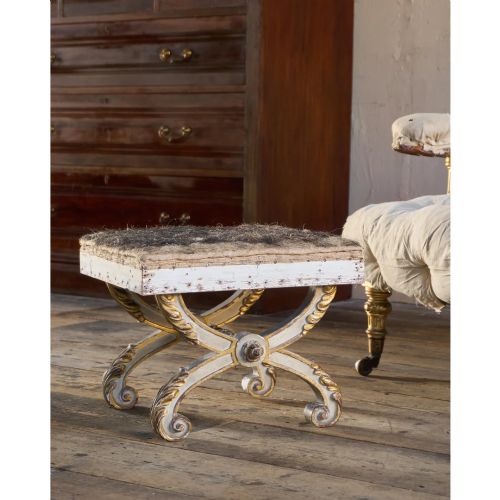
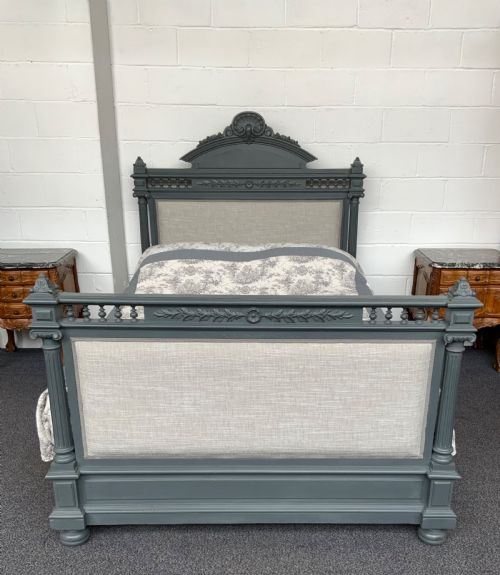
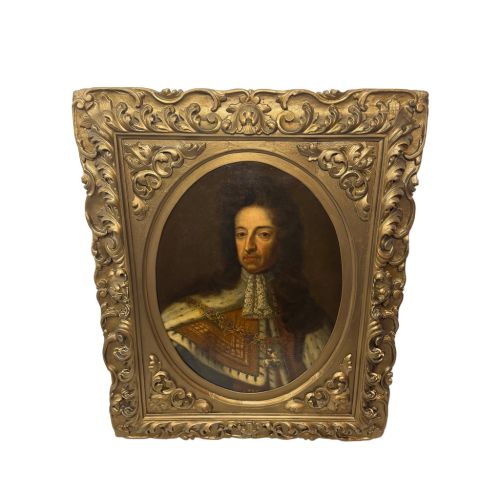
Carved Wood Frame Painting
These pieces combine a carved wood frame painting within centuries of craftsmanship, offering historic portraits and mirrors for traditional interiors.
Carved Wood Frame Painting
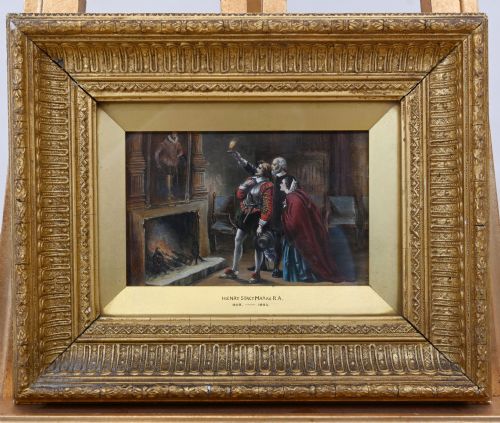
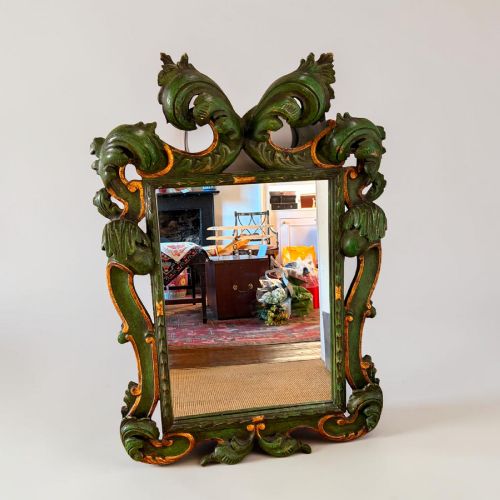
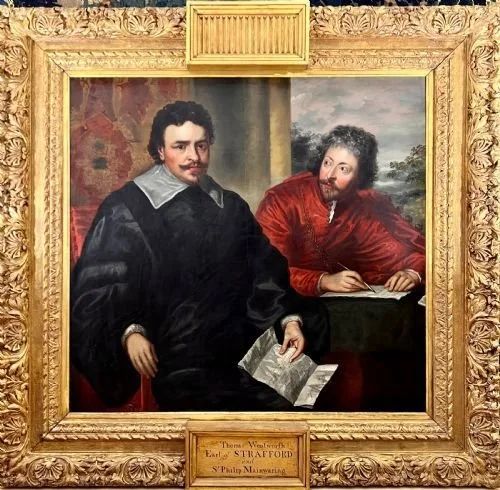
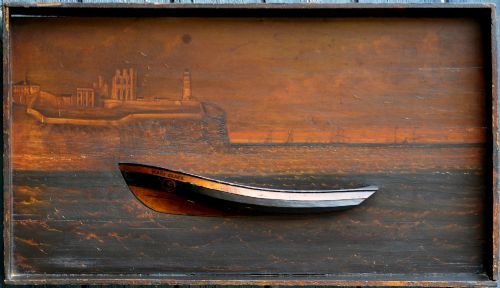
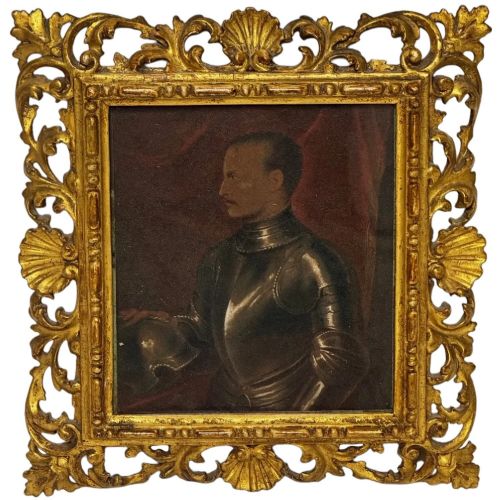
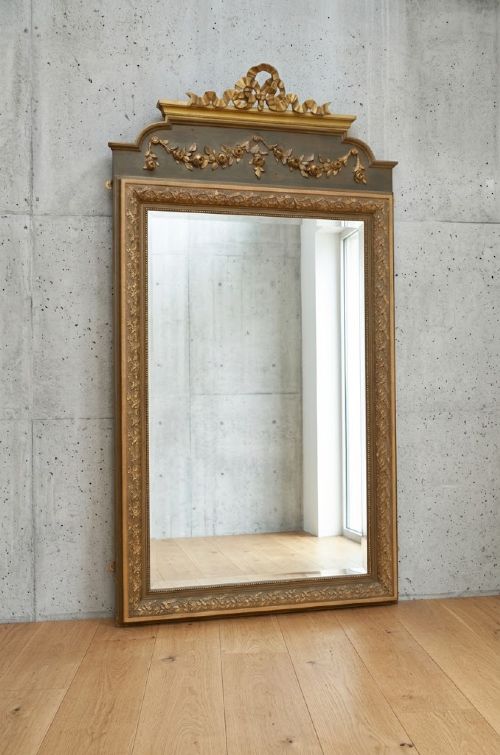
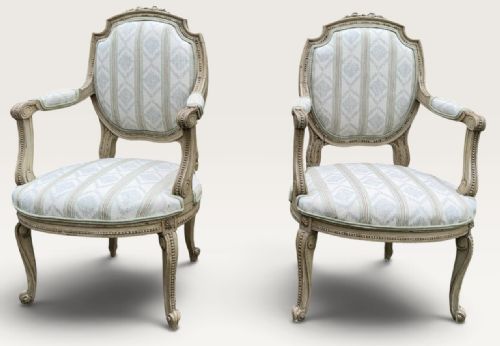
A carved wood frame painting brings together historical oil portraits, painted panels, and elaborate surrounds spanning from the seventeenth century through the early twentieth century. Buyers seeking this category encounter framed canvases, oil paintings on panel, and decorative mirrors originating from English, French, Spanish, and Italian schools.
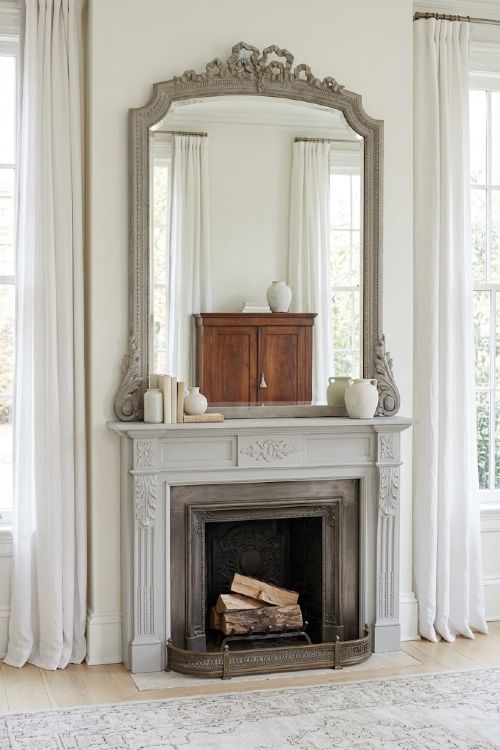
The selection ranges from seventeenth-century Baroque portraits and eighteenth-century overdoor panels to nineteenth-century French salon mirrors and folk art models. Many examples display significant stylistic influences such as Louis XV Revival, Italian Renaissance, and Art Nouveau.
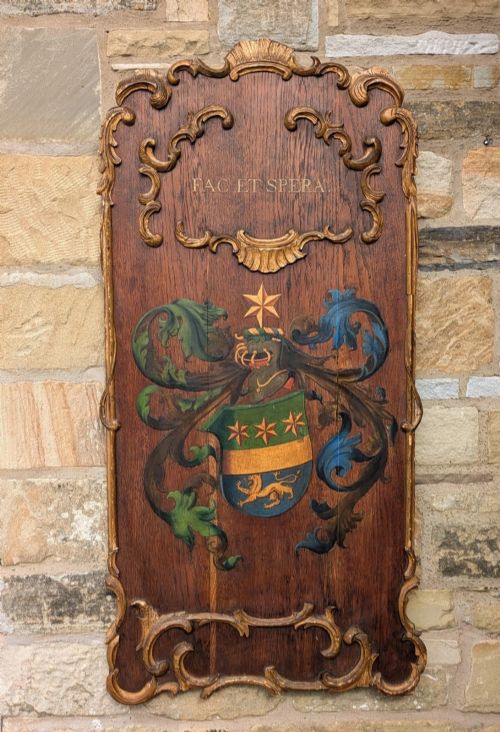
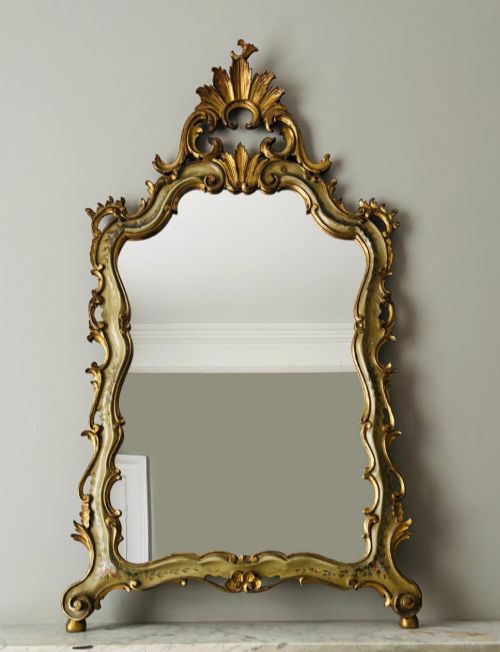
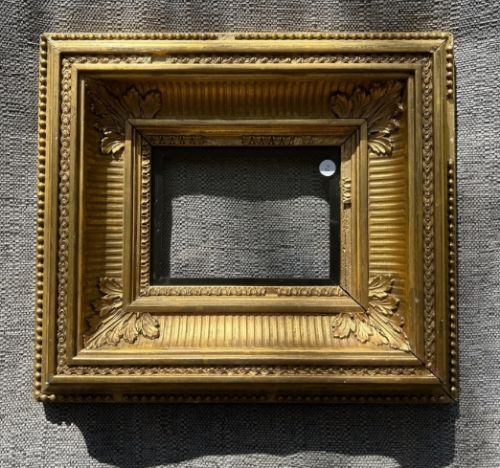
Most entries combine structural timber with painted or gilded surfaces, presenting either the original artwork housed within its period border or a decorative mirror utilising carved wood, gesso, and gold leaf.
How They Were Made
The construction of these works relies on timber frames shaped by hand carving, often built up with layers of gesso before receiving gold leaf, paint, or simulated finishes. Artisans applied traditional joinery techniques to construct solid wood supports for both the picture frames and the heavier overmantel mirrors.
The pictorial surfaces utilise oil paint applied to canvas, wood panels, or boards, executed by artists working within specific European and regional stylistic traditions. Gilding and polychrome paintwork were applied meticulously to create the rich decorative finishes seen across the Baroque, Georgian, and Victorian periods.
Carved Wood Frame Painting Retail Price Guide 2026
Typical asking prices for carved wood frame painting among the pieces listed under this phrase on Sellingantiques today, from the lower quarter to the upper quarter. They describe what is for sale here now, not the wider market.
Listings feature works created across eight distinct centuries and decades, utilising oil paint, canvas, gesso, and gold leaf.
What Varies in Quality
The standard of the carving and the preservation of the original surface finish dictate the distinction between ordinary and exceptional pieces. Crisp, deeply undercut woodwork on frames and mirrors indicates superior artisan skill compared to simpler, mechanical moulding.
The integrity of the painted canvas or panel, along with the survival of original gilding and gesso without excessive restoration, defines the historical and visual merit of the work. Cohesiveness between the artwork and its period frame also elevates the overall character of the piece.
Miles & Edwards·Trajan Hughes
The Carved Wood Frame Painting Glossary
- Gesso
- A plaster-like mixture applied to wood frames to provide a smooth base for gilding or painting. This traditional preparation layer allows for intricate surface carving and smoothing.
- Overmantel
- A large mirror or painted panel designed to hang directly above a fireplace mantel. These architectural pieces often incorporate elaborate carved wood and gilt surrounds.
- Baroque
- An ornate artistic style from the seventeenth and early eighteenth centuries characterised by drama, rich detail, and grand proportions. Pieces from this period frequently display dynamic, sculptural carved woodwork.
- Trumeau
- A decorative wall mirror or painted panel featuring an integrated design, commonly found in French interiors. They combine fine woodwork with upper pictorial sections.
- Polychrome
- Decorated in multiple colours, often applied to wood or plaster surfaces. This technique adds vibrant visual depth to frames and decorative panels.
Carved Wood Frame Painting: Frequently Asked Questions
What periods do these pieces date from?
The selection spans from the seventeenth century through the early twentieth century, encompassing Baroque, Georgian, Victorian, and Belle Époque eras.
Individual items reflect the distinct stylistic preferences and craftsmanship methods of their respective decades.
Are the frames original to the paintings?
Many works retain their period surrounds, particularly those featuring seventeenth-century or eighteenth-century construction.
Over time, some paintings and mirrors have been paired with complementary frames from the same stylistic epoch.
How should I care for gilded wood frames?
Gilded and gesso surfaces require gentle dusting with a soft, dry cloth to protect the delicate metallic leaf.
Keep these pieces away from direct sunlight and excessive moisture to preserve the underlying wood and finish.
What materials are commonly found in these listings?
The primary components include solid wood, canvas, oil paint, gesso, and gold leaf.
Some examples also incorporate glass mirror plates and hand-painted polychrome details on wood panels.