

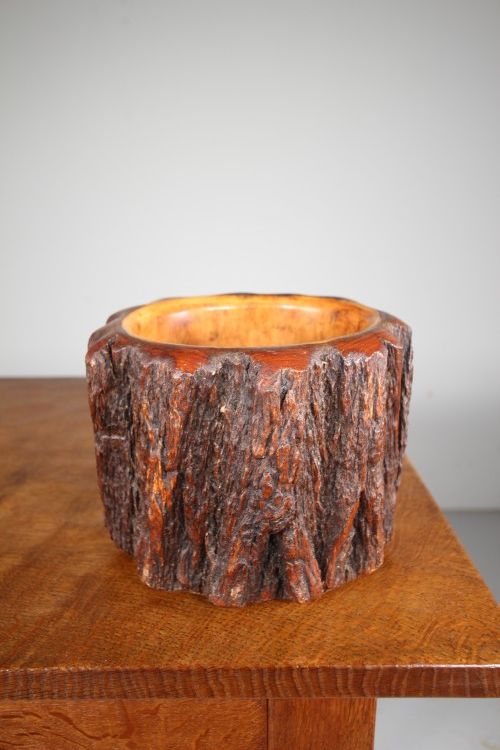
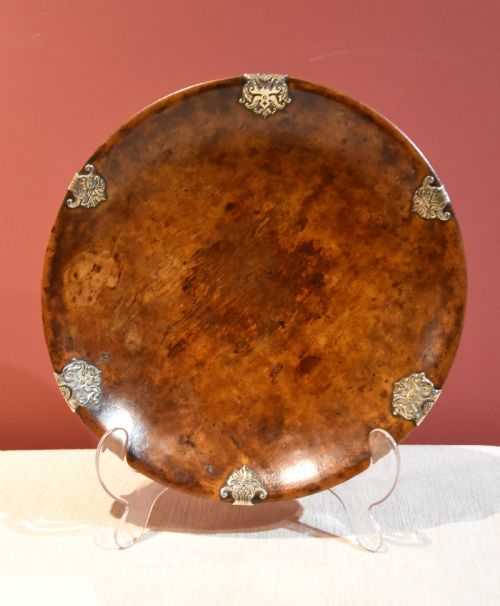





Carved Wood Dish
These carved wood dish examples bring regional folk art and domestic utility together, offering tactile surfaces that suit everyday display.
Carved Wood Dish
A carved wood dish serves as a utilitarian container or decorative receptacle shaped from timber across various periods. Buyers seek these items for their organic texture and historical craftsmanship.
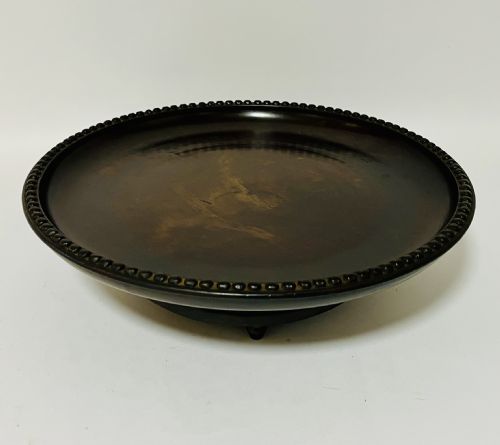
The selections span rustic folk art platters and Swiss fruit bowls through to intricate Black Forest animal figures and Italian walnut tazzas. Mahogany and oak form the backbone of the domestic items, while linden and olivewood suit smaller decorative forms.
Most pieces date from the nineteenth century, reflecting both British vernacular traditions and continental European workshop practices. The assortment includes flat platters, deep bowls, and lidded boxes designed for table service or trinket storage.
Materials and construction
Carpenters and folk artisans utilised regional hardwoods such as mahogany, oak, laburnum, and burr walnut, selecting timber for grain density and colour depth. Turning on a lathe or hand-chiselling defined the initial form before surface detailing.
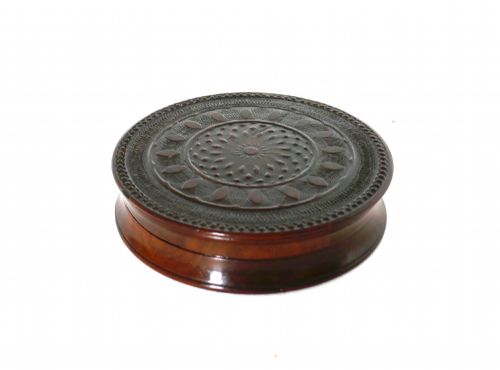
Surface treatment relied on hand-carving, engine turning, and polishing with natural oils or waxes to seal the grain. Certain continental items incorporated applied brass mounts or intricate inlaid sections alongside the primary carved structure.
Carved Wood Dish Retail Price Guide 2026
Typical asking prices for carved wood dish among the pieces listed under this phrase on Sellingantiques today, from the lower quarter to the upper quarter. They describe what is for sale here now, not the wider market.
Bears carved from linden wood keep watch over nineteenth-century European interiors as both condiment figures and tobacco boxes.
Assessing quality and execution
Depth of carving and clarity of detail distinguish standard turned trenchers from finely sculpted figurative works or relief panels. Sharp undercutting in floral or animal motifs indicates higher artisan skill than softened, machine-rounded edges.
Timber selection and stability also dictate worth, with dense burr woods, figured mahogany, and well-seasoned fruitwoods showing superior resistance to warping. The preservation of original surface patination without aggressive modern stripping maintains historical integrity.
The Carved Wood Dish Glossary
- Black Forest
- A style of carving originating in Switzerland and Germany during the nineteenth century, characterised by realistic animal and forest motifs. Bears and linden wood humidors are typical expressions of this school.
- Tazza
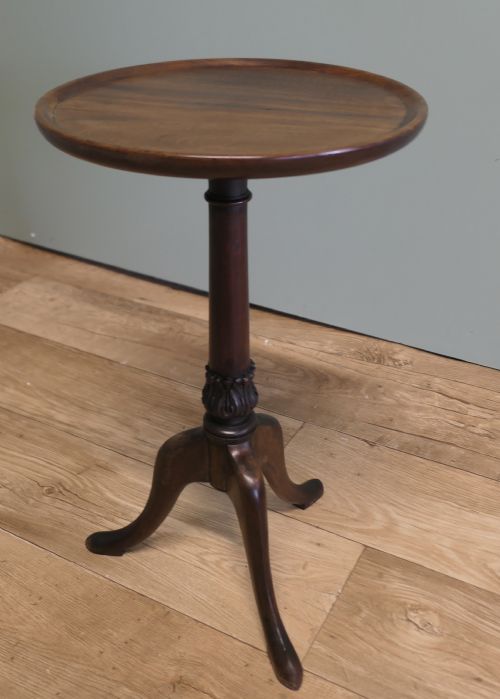
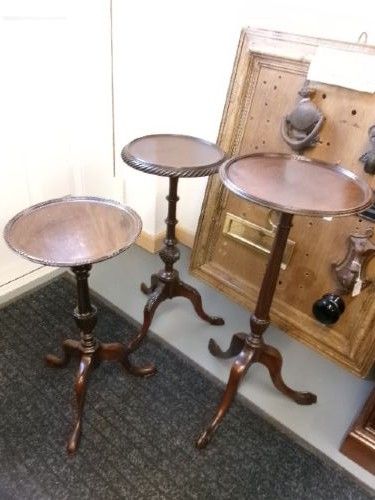
- A shallow bowl or cup mounted on a stem and foot, used historically for serving fruit or sweetmeats. Examples appear in carved walnut and oak.
- Engine turned
- A geometric surface decoration applied using a lathe with specialised mechanical attachments. This technique creates repetitive patterned incisions on small boxes and treen.
- Laburnum
- A dense hardwood with contrasting dark heartwood and pale sapwood, frequently utilised for small turned boxes. Craftsmen exploited its natural colour variations for decorative effect.
Carved Wood Dish: Frequently Asked Questions
How were these dishes used originally?
Dishes and platters served daily functions in domestic dining, holding fruit, bread, or cold meats at the table. Deeper bowls and lidded boxes often contained dry goods, tobacco, or small personal valuables.
Over time, many shifted from active pantry or parlour utility into decorative display pieces. Their robust timber construction allowed them to survive centuries of household handling.
How do I care for antique wooden dishes?
Keep wooden vessels away from direct sunlight, central heating sources, and rapid humidity changes to prevent timber splitting. Dust them gently with a dry, soft cloth rather than using household chemical polishes.
Occasional application of a neutral beeswax paste helps nourish dry timber surfaces. Avoid immersing antique wood in water or placing damp items directly onto untreated interiors.
How do I distinguish regional styles?
British provincial items often favour utilitarian mahogany, oak, or laburnum with straightforward turned profiles. Continental European pieces frequently display distinct regional signatures, such as Swiss fruit motifs or Italian walnut relief carving.
Black Forest objects are readily identified by their naturalistic animal forms carved in linden wood. Examining the choice of timber alongside the cutting technique usually clarifies the geographical origin.
What is the difference between treen and decorative bowls?
Treen encompasses a broad category of small utilitarian wooden objects produced before mass manufacturing. These items prioritise functional utility in the home, such as snuff boxes, small plates, and simple kitchen vessels.
Decorative bowls and tazzas lean further toward ornamental display, featuring sculptural handles, complex turned stems, or elaborate carved motifs. Both categories rely on traditional woodworking techniques but serve different visual purposes.