
Carved Wood Cresting
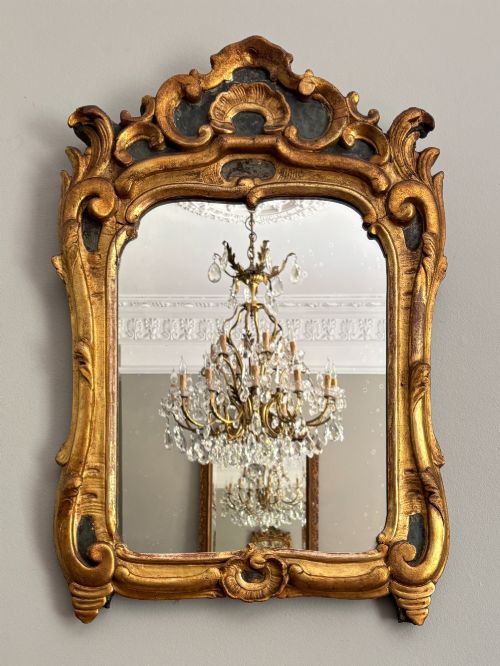
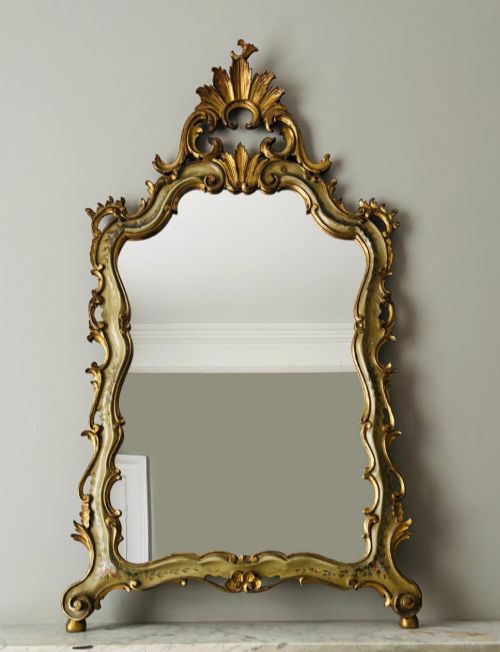
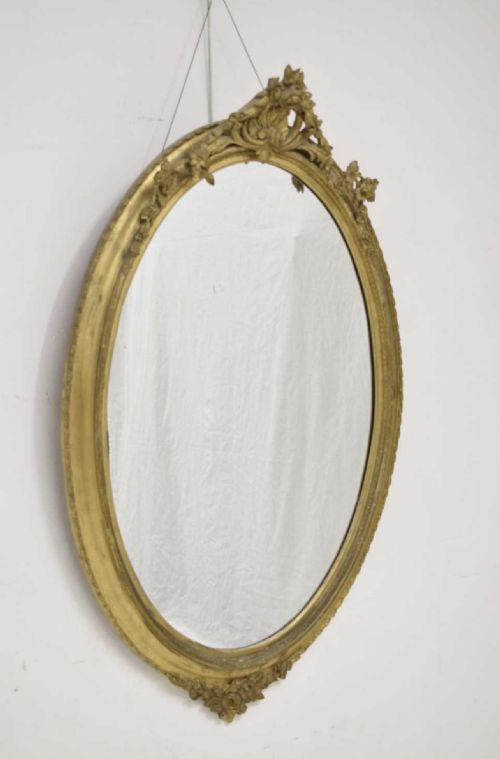
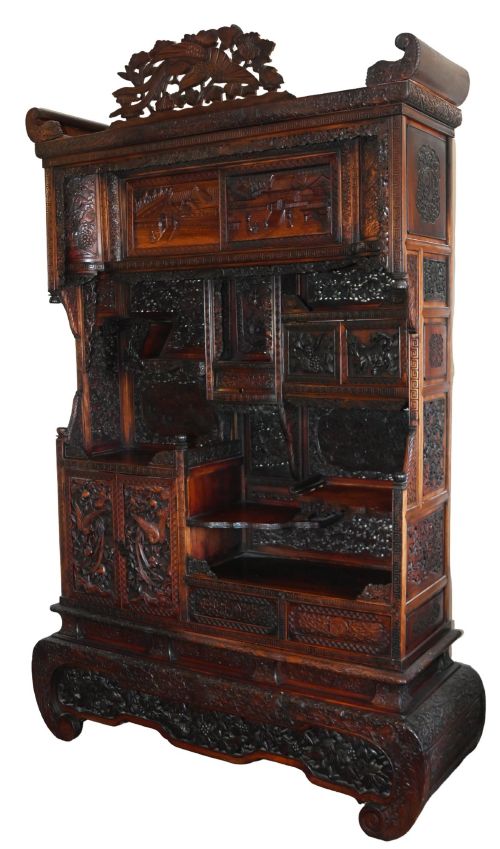
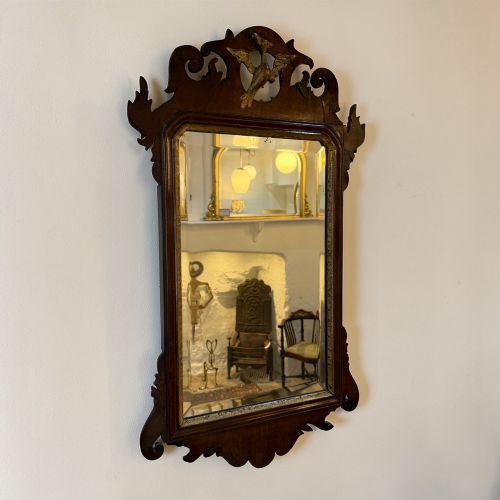
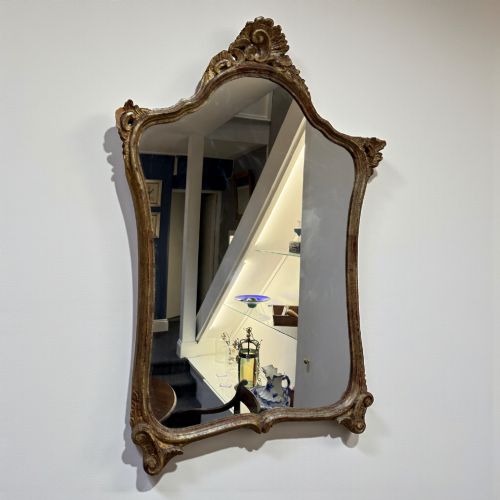
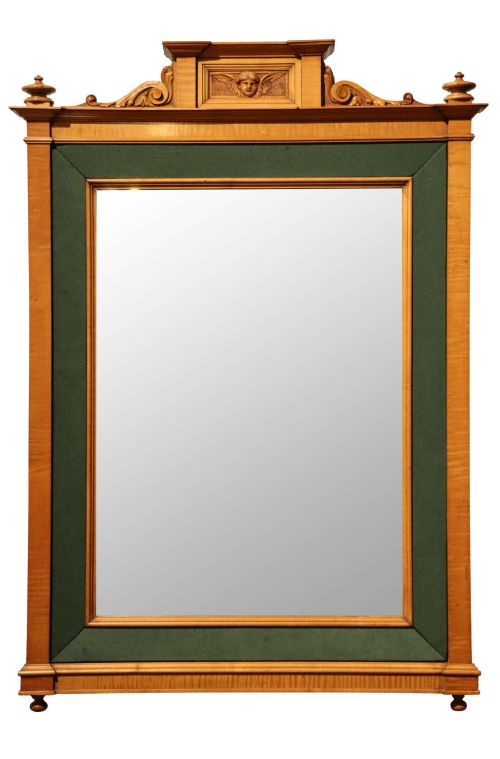
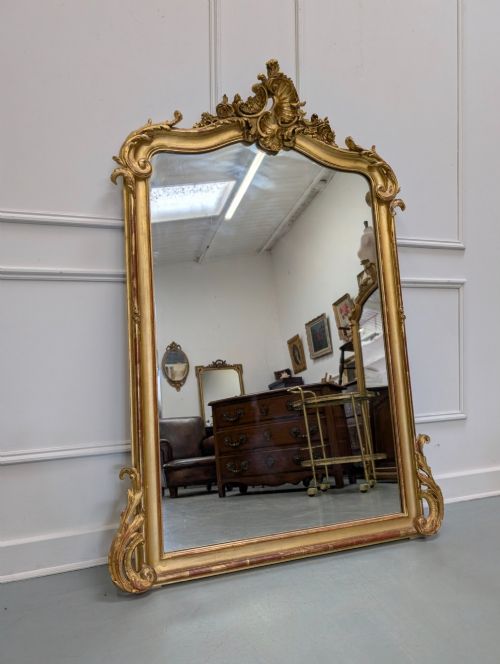
Carved wood cresting crowns mirrors, furniture and wall plaques with sculptural detail, adding height, character and historical style to an interior.
Carved Wood Cresting
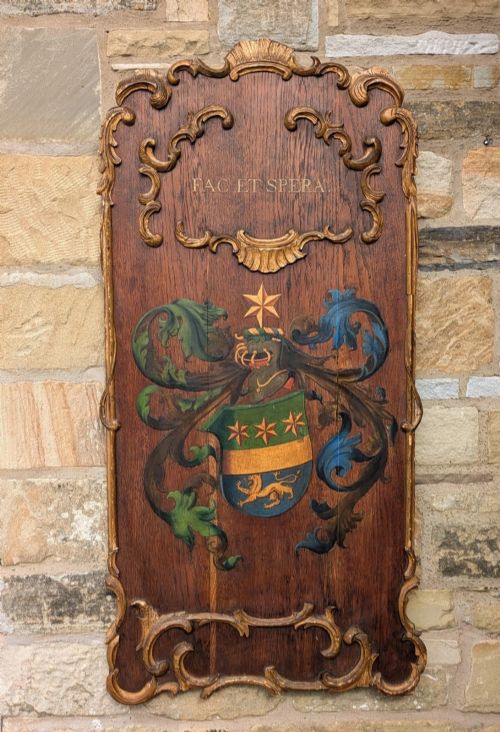
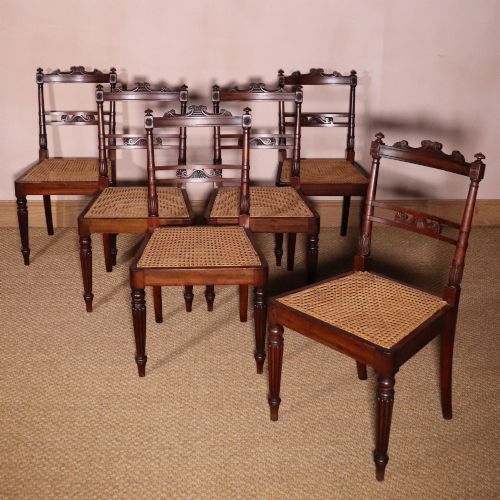
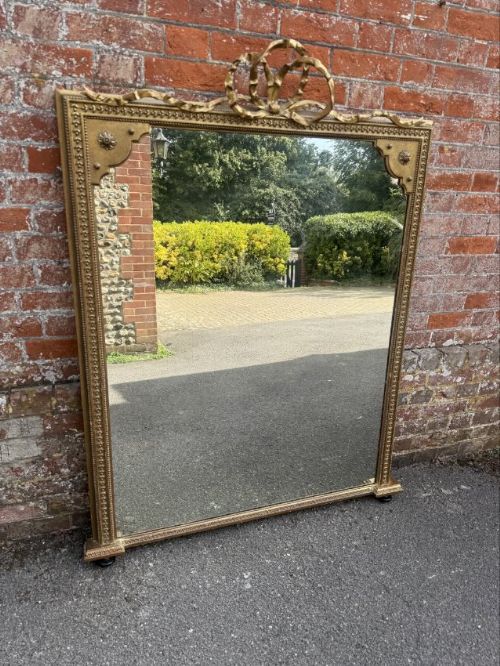
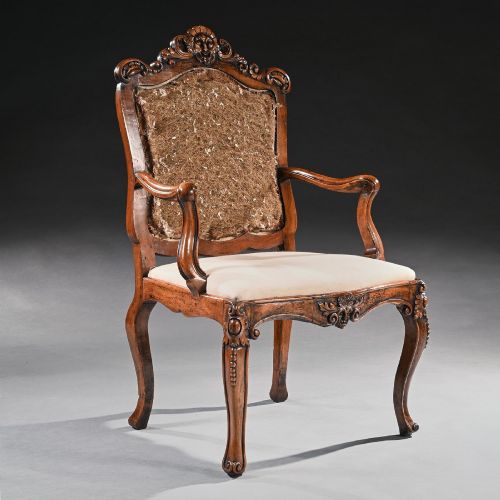
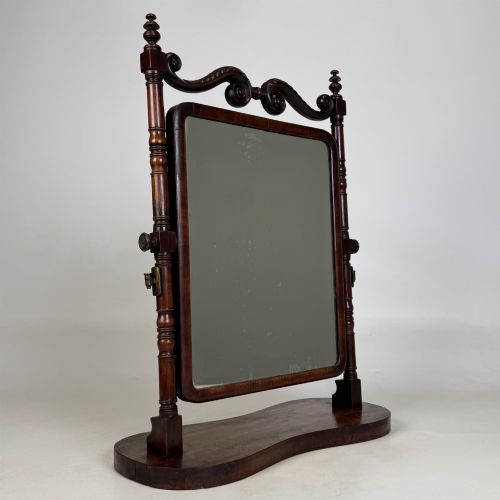
Carved wood cresting appears primarily upon mirrors, overmantels, armchairs, bookcases and wall plaques spanning from the seventeenth century through to the early twentieth century.
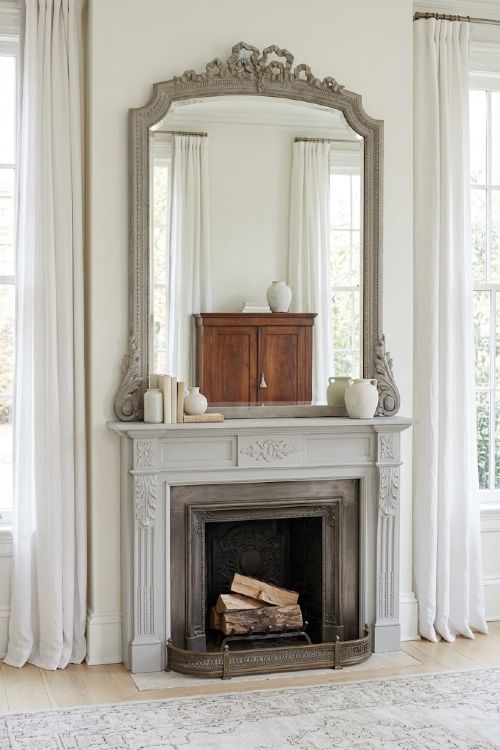
Buyers encountering this phrase will find complete pieces featuring prominent decorative tops, such as overmantel mirrors with spread eagles, ribbon crests, or architectural pediments.
The selection includes English and continental examples executed in styles ranging from Georgian and Regency to Rococo Revival and Victorian Chippendale.
How they were made
Many of these decorative tops and frames utilise solid woods such as oak, mahogany, walnut and yew, shaped through traditional joinery and hand carving.
Giltwood and gesso techniques frequently combine with the timber base, applying layers of plaster and gold leaf to create reflective surfaces and ornate relief ornament.
What varies in quality
The depth and crispness of the hand carving separate simpler items from masterwork examples, particularly where intricate motifs like birds, foliage or heraldic shields are rendered with high definition.
The preservation of original gilding, gesso and mirror glass significantly influences the character of each piece, distinguishing items that retain their authentic surface history from later restorations.
Gillows Of Lancaster
The Carved Wood Cresting Glossary
- Giltwood
- Wood that has been coated with gold leaf or gold paint. This technique gives frames and architectural ornaments a luminous metallic finish.
- Gesso
- A plaster mixture applied to wood surfaces as a smooth base for gilding or painting. It allows craftsmen to model sharp relief details before applying gold leaf.
- Overmantel
- A large mirror or panel designed to hang specifically above a fireplace mantelpiece. These substantial items often feature elaborate carved crests to balance the scale of the hearth.
- Fretwork
- Ornamental woodwork perforated or cut out with a scroll saw or fretsaw. It appears frequently on eighteenth and nineteenth-century mahogany frames.
- Heraldic
- Relating to coats of arms and armorial bearings. Such carvings denote family lineage, marriages or institutional identity on plaques, chairs and mirrors.
Carved Wood Cresting: Frequently Asked Questions
What is carved wood cresting?
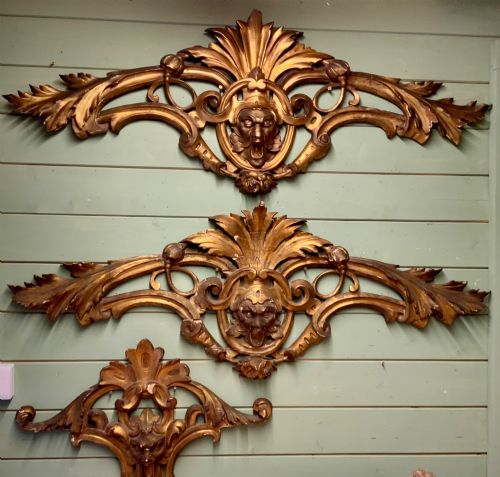
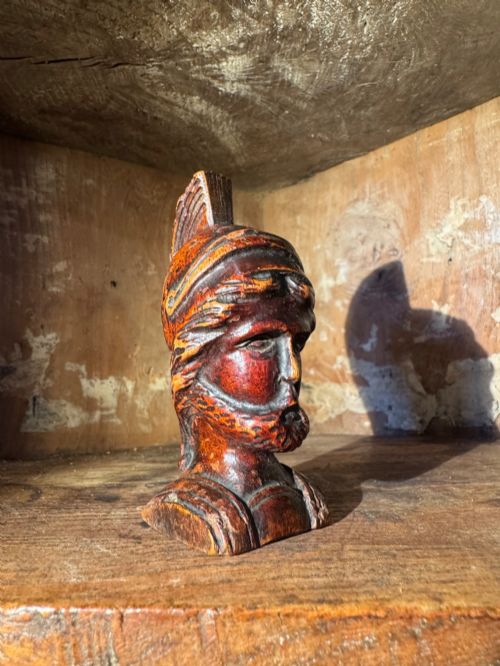
Carved wood cresting refers to the decorative sculptural element found at the very top of mirrors, bed-heads, bookcases and frames. These elements often take the form of birds, ribbons, shields or floral motifs.
They were designed to draw the eye upward and add a finished, architectural grandeur to furnishings. On this page, cresting appears integrated into larger antique pieces or occasionally as standalone architectural fragments.
Where were overmantel mirrors placed?
Overmantel mirrors were traditionally hung on the chimney breast directly above the fireplace mantelpiece. Their generous scale and reflective glass helped to bounce light around candlelit or dimly lit period rooms.
The carved cresting at the top of these mirrors was proportioned to fill the vertical wall space beneath the ceiling cornices.
How do I date a carved wooden mirror?
Dating relies on observing the combination of wood species, mirror glass type, and stylistic cues. Eighteenth-century pieces often feature subdued mahogany or giltwood frames with hand-beveled glass, while Victorian revivals introduce heavier gesso work and elaborate crests.
The construction of the backboards and the method of holding the mirror plate in place also provide clear indicators of age.
How do I care for antique giltwood?
Antique giltwood requires gentle maintenance to protect the delicate layers of gesso and gold leaf. Dusting should be done lightly with a dry, soft brush rather than a cloth that might catch on raised carved edges.
Keep these pieces away from direct sunlight, moisture and extreme temperature fluctuations to prevent the wood and plaster from cracking.