





Carved Wood Cresting Rail
A carved wood cresting rail crowns a fine chair or architectural piece, offering an immediate touch of period character.
Carved Wood Cresting Rail
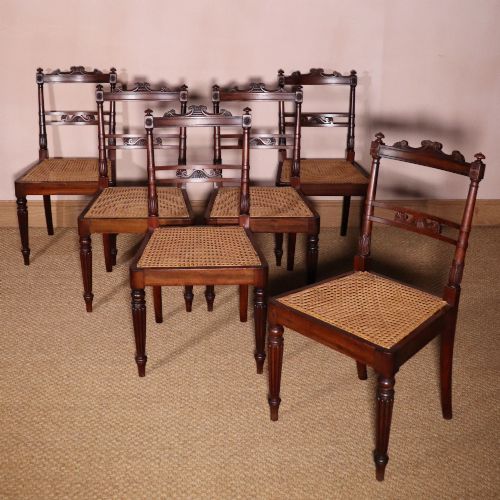
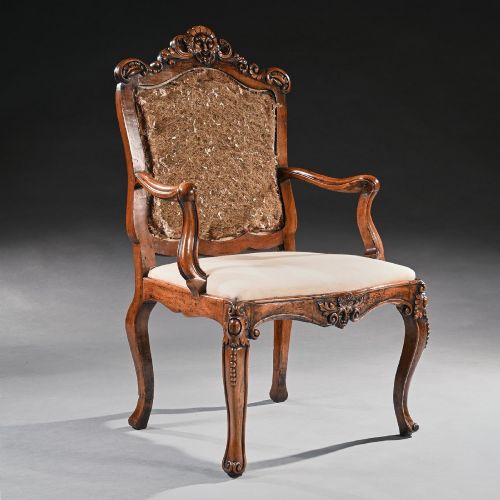
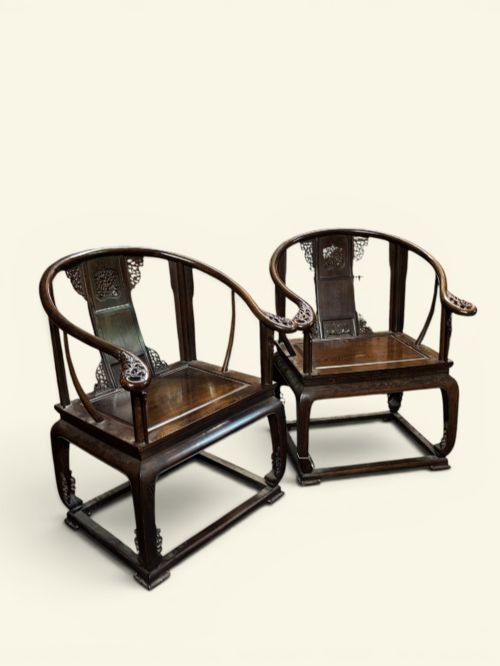
A carved wood cresting rail forms the topmost horizontal member of a chair back, pelmet, or architectural pediment. When you search for a carved wood cresting rail, you encounter elements detached or integrated into seating such as dining chairs, armchairs, and side chairs spanning the seventeenth to the nineteenth centuries. These components appear in diverse regional idioms ranging from English oak and mahogany to Italian walnut and Chinese hardwood.
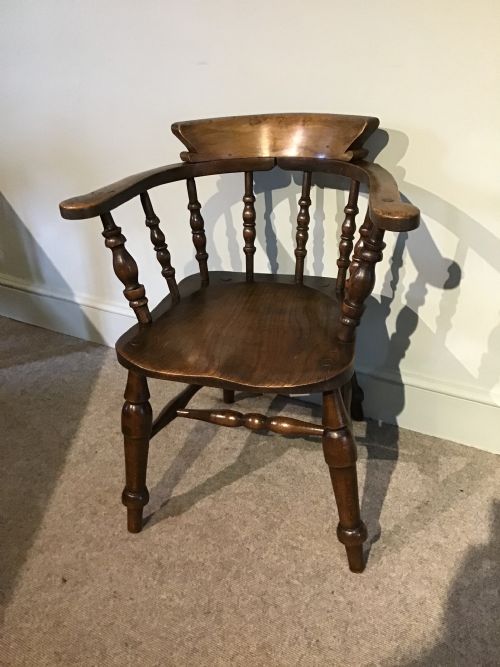
The selections available here showcase significant variation in form, including formal Regency dining chairs, robust Victorian Turner's chairs, and ornate Italian Rococo armchairs. Each piece demonstrates how cabinetmakers treated the uppermost edge of seating to display regional carving traditions and stylistic ambition. Certain items also bridge furniture and architectural fittings, such as painted pelmets from the late nineteenth century.
How they were made
These elements are fashioned from dense timbers including oak, walnut, mahogany, rosewood, and gonçalo alves, selected for their stability and grain. Artisans shaped the wood using traditional hand tools to achieve high relief carvings, pierced details, and curved profiles along the upper rail. Joinery techniques varied by period, employing pegged mortise and tenon joints in earlier oak pieces and sophisticated turning or steam bending in later examples.
Surface finishes rely on traditional polish, wax, or paint applied directly to the timber substrate. The integration of brass inlay, cane panels, or fabric upholstery alongside the carved wood cresting rail reflects the varied upholstery and decorative practices of the eighteenth and nineteenth centuries.
Carved Wood Cresting Rail Retail Price Guide 2026
Typical asking prices for carved wood cresting rail among the pieces listed under this phrase on Sellingantiques today, from the lower quarter to the upper quarter. They describe what is for sale here now, not the wider market.
The listings span from the seventeenth century through the Victorian era, executed in oak, mahogany, walnut, rosewood, and gonçalo alves.
What varies in quality
The distinction between ordinary and exceptional examples rests upon the depth, crispness, and artistic confidence of the carving along the cresting rail. Superior pieces exhibit spirited execution by skilled hands, where floral, scroll, or architectural motifs possess three-dimensional presence and clean undercut edges rather than shallow, mechanical tooling.
Material selection and timber figure also govern overall quality. Pieces utilising dense, well-figured rosewood, gonçalo alves, or finely grained walnut display greater visual weight and structural integrity compared to utilitarian alternatives.
The Carved Wood Cresting Rail Glossary
- Cresting rail
- The topmost horizontal member of a chair back or settee, often shaped or carved for decorative effect.
- Pelmet
- A wooden architectural board placed above a window or doorway to conceal curtain fixtures, sometimes carved or painted.
- Rococo
- An ornate decorative style prevalent in the eighteenth century characterised by asymmetrical scrolls, shell motifs, and naturalistic curves.
- Gonçalo alves
- A dense exotic hardwood with striking contrasting dark brown and blonde markings, utilised in Regency cabinetmaking.
- Turner's chair
- A sturdy armchair constructed entirely from turned wooden spindles and rails, typical of vernacular sixteenth and seventeenth-century English tradition.
Carved Wood Cresting Rail: Frequently Asked Questions
What is a cresting rail?
A cresting rail is the topmost horizontal piece of wood on the back of a chair or settee. It often bears the primary decorative carving of the seating.
In older pieces, this component received the most elaborate sculptural attention from the cabinetmaker to establish the stylistic period.
How do I date a carved wooden rail?
Dating relies on identifying the timber species, the tool marks left by the maker, and the stylistic vocabulary of the carving. Oak and walnut typically point towards seventeenth and eighteenth-century pieces, while rosewood and gonçalo alves frequently indicate Regency or nineteenth-century work.
Comparison with documented chairs from the same era helps confirm the period of origin.
Are these rails sold on their own?
While the search term highlights the cresting rail specifically, the items listed on this page generally comprise complete chairs, armchairs, or architectural pelmets where the rail forms an integral decorative feature.
The focus remains on the overall object and how the carved top section contributes to its architectural presence.
How should I care for antique carved wood?
Maintain antique wooden surfaces by keeping them away from direct heat sources and sudden humidity changes. Regular gentle dusting with a dry cloth preserves the finish without requiring heavy polishes.
Applying occasional appropriate wax feeds the timber and protects the raised details of the carving.