

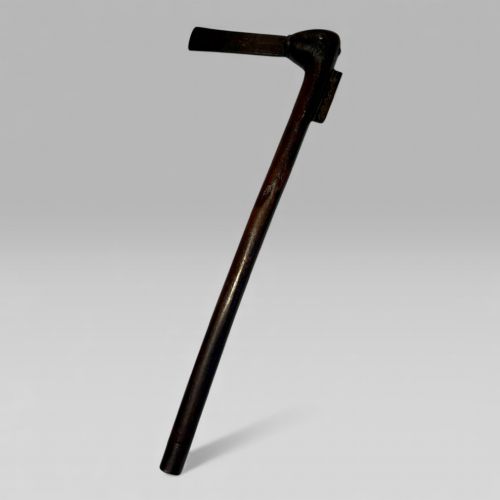

Carved Wood Club
A carved wood club carries the weight of ritual and combat, offering collectors a striking piece of indigenous history.
Carved Wood Club
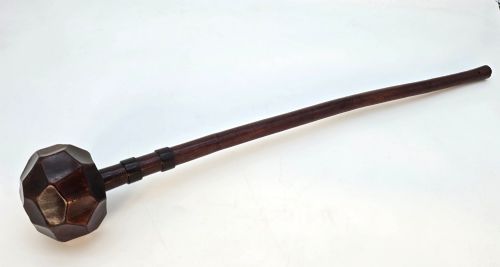
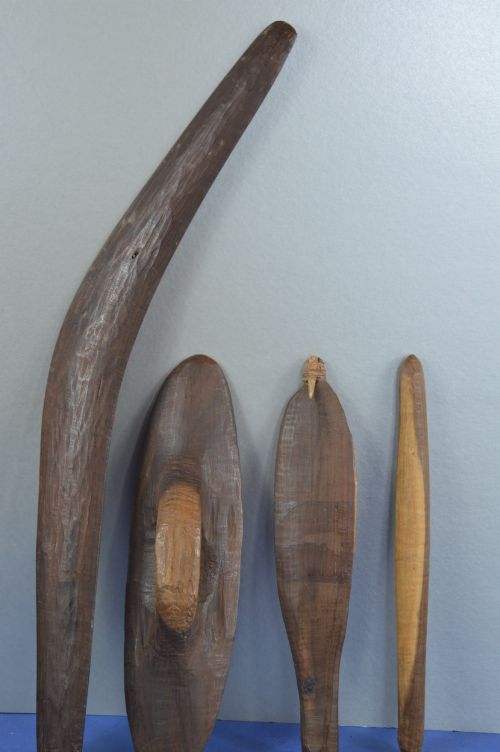
A carved wood club represents functional weaponry and ceremonial objects originating from various global cultures, notably African, Aboriginal Australian, and Oceanic regions. When exploring this category, a buyer encounters implements designed for throwing, fighting, or ceremonial use, primarily dating from the nineteenth century.
Many items reflect specific cultural identities, such as Zulu, Kanak, or Fijian craftsmanship. Collectors find that these pieces serve as tangible links to historical martial practices and tribal traditions.
Materials and construction
Makers utilised dense native hardwoods to shape these weapons, ensuring durability in combat or utility. Artisans carved the dense material using traditional hand tools, shaping handles and striking heads from a single piece of timber.
Surface decoration frequently involves incised geometric patterns, ribbed texturing, or polished finishes achieved through prolonged handling and natural oils. Some examples incorporate supplementary elements like bound cords or integrated grips, though solid timber construction remains predominant.
Carved Wood Club Retail Price Guide 2026
Typical asking prices for carved wood club among the pieces listed under this phrase on Sellingantiques today, from the lower quarter to the upper quarter. They describe what is for sale here now, not the wider market.
Some nineteenth-century makers balanced their throwing clubs so precisely that the wood hums slightly when cut through the air.
Assessing quality in carved wood
Quality rests upon the crispness of the carving, the ergonomic balance of the implement, and the preservation of the original surface patina. Superior examples display confident, purposeful shaping by the maker rather than tentative tool marks.
The integrity of the timber and the presence of authentic wear patterns acquired through genuine tribal use distinguish finer specimens. Original patination resulting from age and handling elevates the historical significance of the piece.
The Carved Wood Club Glossary
- Knobkerrie
- A traditional Southern African wooden club characterised by a large heavy knob at the striking end. It functions effectively as both a hunting tool and a close-quarters weapon.
- Nulla nulla
- An Australian Aboriginal hardwood hunting or fighting stick. These implements typically feature a curved or bulbous head designed for accuracy when thrown.
- Patina
- The surface sheen and coloration developed over decades through handling, exposure to elements, and natural ageing of the wood. This layer provides key visual evidence of an object's history.
- Ula
- A Fijian throwing club featuring a distinct globular head mounted on a slender shaft. Warriors hurled these weapons with rotational force to disrupt enemy lines.
Carved Wood Club: Frequently Asked Questions
What is a carved wood club?
A carved wood club is a traditional weapon or ceremonial implement shaped from dense timber by indigenous artisans, primarily from African, Oceanic, and Australian cultures.
These objects functioned as tools for hunting, warfare, and tribal rituals, displaying distinct regional carving styles.
How do I care for wooden tribal art?
Maintain stable indoor humidity and temperature levels to prevent the dense hardwood from drying out or splitting over time. Avoid direct sunlight and chemical polishes, dusting gently with a dry, soft cloth instead.
How are different regional clubs identified?
Regional identification relies on the specific silhouette, handle formation, and carving motifs native to a culture. For instance, Southern African pieces often feature spherical striking knobs, while Pacific examples incorporate intricate surface ridges.
Contextual details such as wood species and historical collection records further assist in determining geographic origin.
Were these clubs used in combat?
Many examples served practical roles in warfare, hunting, and tribal defence, designed specifically for striking or throwing.
Other pieces held primarily ceremonial status within their communities, denoting authority or spiritual importance rather than seeing battlefield use.