



Carved Wood Chime
These carved wood chime pieces bring resonance and craftsmanship into a room, offering the tactile warmth of timber combined with striking metal.
Carved Wood Chime
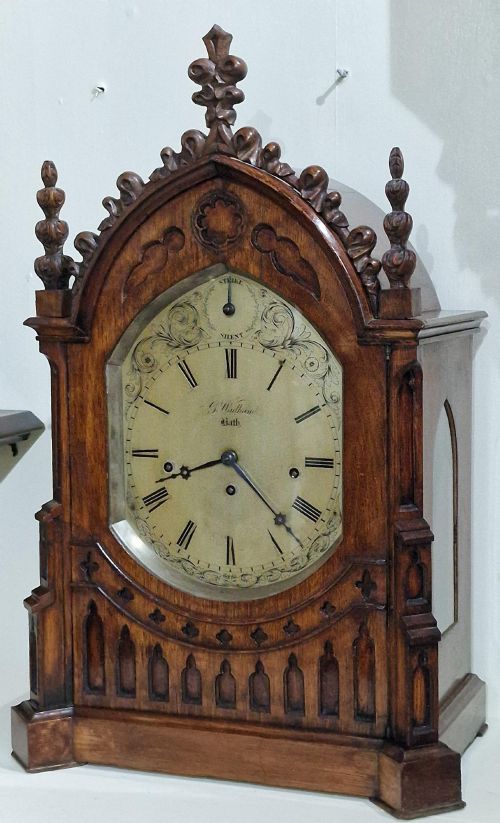
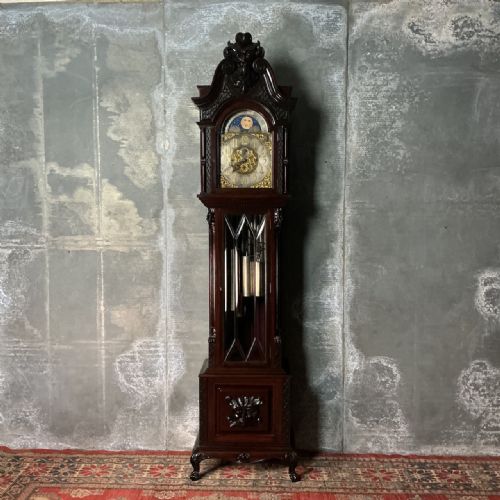
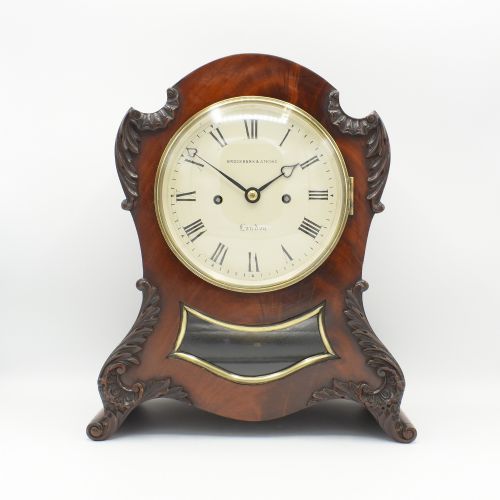
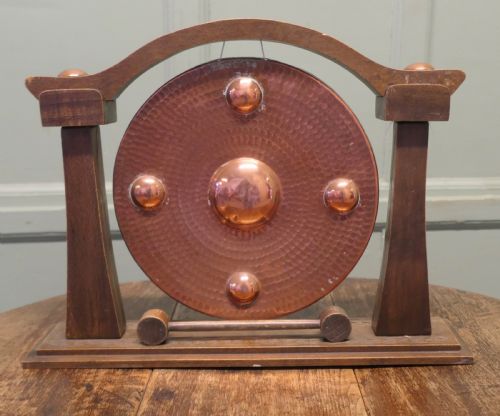
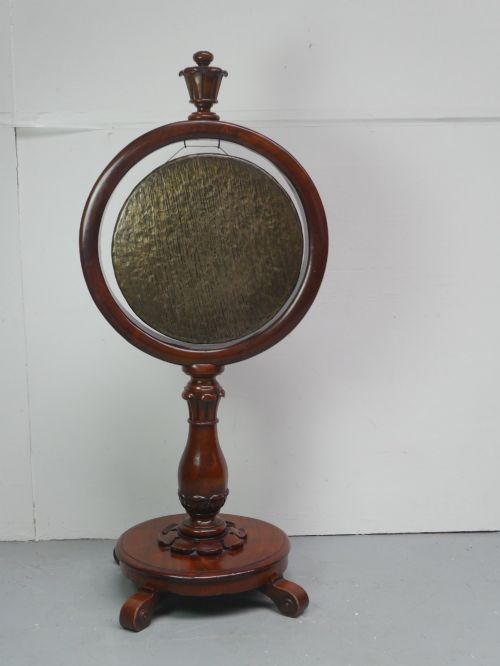
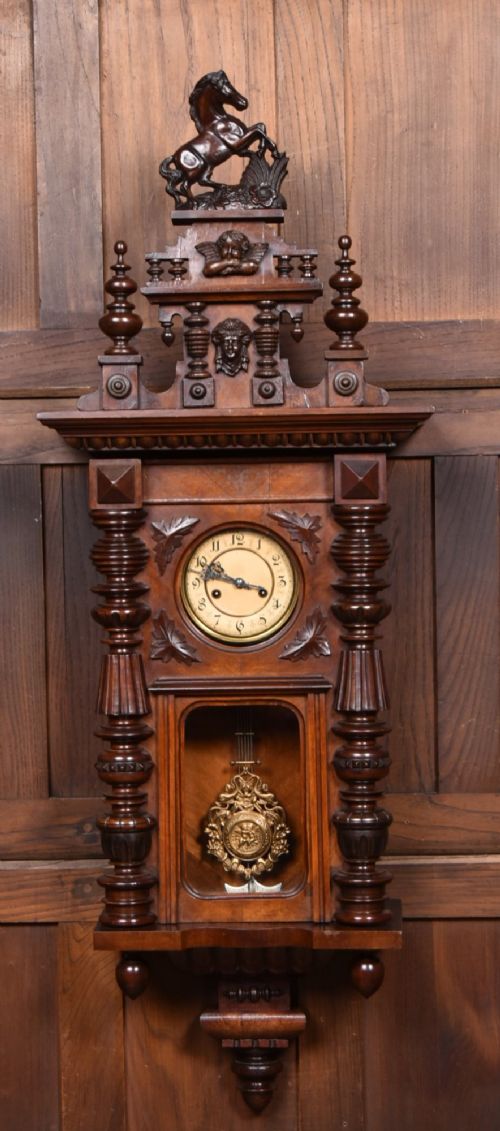
When you search for carved wood chime, you are looking at items that combine turned or carved timber frames and stands with metal bells, gongs or clock movements. The pieces on this page span the nineteenth century, the Edwardian era and the nineteen-thirties, ranging from table gongs and dinner gongs to longcase and bracket clocks.
You are most likely to meet dinner gongs mounted in carved oak, mahogany, mango wood or oriental stands, alongside chiming clocks housed in walnut, rosewood and mahogany cases. These forms serve both a functional purpose and act as decorative sculptural elements within a domestic interior.
The origins of these items stretch from British country houses to Chinese export workshops and continental makers. Whether encountered as a wall-hanging clock or a freestanding tea ceremony gong, each object relies on the interplay between carved woodwork and acoustic metal.
Materials and construction
Makers utilised hardwoods such as mahogany, walnut, oak, rosewood and mango wood for the structural cases, stands and frames. These timbers were carved, turned and polished to showcase the natural grain while supporting heavy mechanical movements or suspended metal gongs.
Brass, bronze and copper form the striking elements, including bells, tubes, gongs and temple bowls that produce the acoustic chime. These metal components were cast, hammered or polished to complement the rich tones of the surrounding timber frames.
Listings feature items spanning the 19th century, Edwardian period and the 1930s, constructed from mahogany, walnut, oak, and brass.
Assessing quality and execution
The refinement of the carving separates standard production from exceptional examples, with crisp relief work on wooden dragons, foliage and frames indicating skilled hand labour. Dense, well-figured timbers like rosewood and old mahogany also elevate the visual presence of a piece.
Mechanical and acoustic execution defines the upper tier, seen in triple fusee movements, multiple chiming tubes and resonant, clear-toned bronze or brass gongs. The integration between the stability of the wooden stand and the suspension of the bell dictates the overall acoustic performance.
George Wadham·Brockbanks and Atkins·Mappin and Webb
The Carved Wood Chime Glossary
- Fusee
- A conical pulley used in clockwork to maintain even tension on the driving chain as the mainspring unwinds. This mechanism ensures more accurate timekeeping across the duration of the wind.
- Dinner gong
- A suspended metal disc, bowl or tube struck with a mallet to announce meals in large houses. They are frequently framed by elaborate carved wood stands.
- Bracket clock
- A portable clock designed originally to sit on a architectural bracket or table. Many examples feature sophisticated striking trains and chime mechanisms.
- Longcase clock
- A tall freestanding pendulum clock housed in a wooden trunk case. These often incorporate multiple chiming tubes or bells to mark the hours.
- Chinoiserie
- A European decorative style reflecting Chinese artistic influences. It appears on furniture and clock cases through specific carving motifs and decorative finishes.
Carved Wood Chime: Frequently Asked Questions
How do I maintain a wooden chime clock?
Keep the timber case away from direct heat sources and sudden temperature shifts to prevent the wood from splitting or warping. Dust the carved surfaces regularly with a dry cloth and have the mechanical movement serviced periodically by a professional horologist.
Ensure the clock is placed on a level surface so the pendulum beats evenly and the strike train functions without binding. Avoid using harsh chemical polishes on the historic wooden finishes.
Where were dinner gongs typically placed?
Dinner gongs were historically positioned in hallways, entrance passages or landing spaces so the sound would carry clearly throughout the house. Freestanding carved stands allowed them to be positioned on side tables or directly on the floor.
In modern interiors, these pieces work well in entrance halls or large living spaces where their acoustic properties and carved wooden stands can be appreciated.
How do I date a carved wood chime piece?
Dating relies on examining the style of the carving, the type of timber used, and the construction methods of the case or stand. Victorian and Edwardian pieces often display specific revival motifs, while 1930s items may feature simpler geometric or tropical wood elements.
Clock movements provide further clues through maker signatures, serial numbers, and the evolution of striking mechanisms like fusee or spring-driven trains.
What is the difference between a gong and a clock chime?
A gong typically refers to a suspended metal disc, bowl or tube struck manually with a mallet to produce a single resonant note. They are often mounted in elaborate carved wooden frames or oriental stands.
A clock chime is an automated mechanical system featuring multiple hammers striking bells, gongs or tubes at preset intervals to mark the quarters or hours.