




Carved Wood Chest on Stand
Carved wood chest on stand pieces bring sculptural presence and elevated storage to a room, uniting a deep fitted chest with a dedicated supporting frame.
Carved Wood Chest on Stand
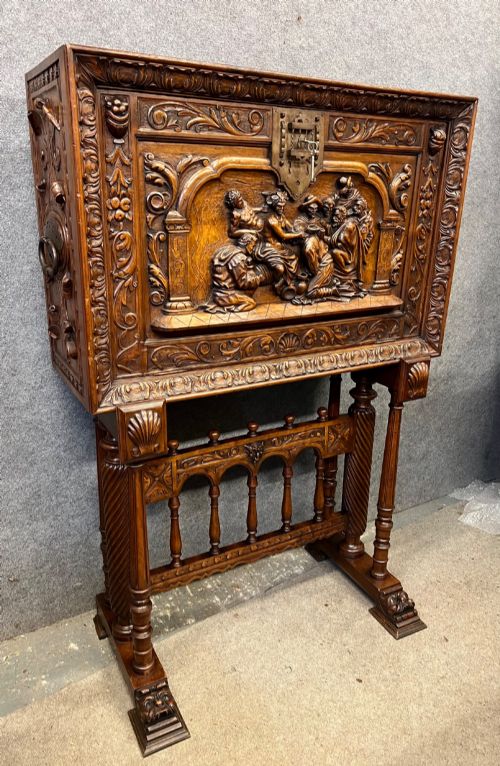
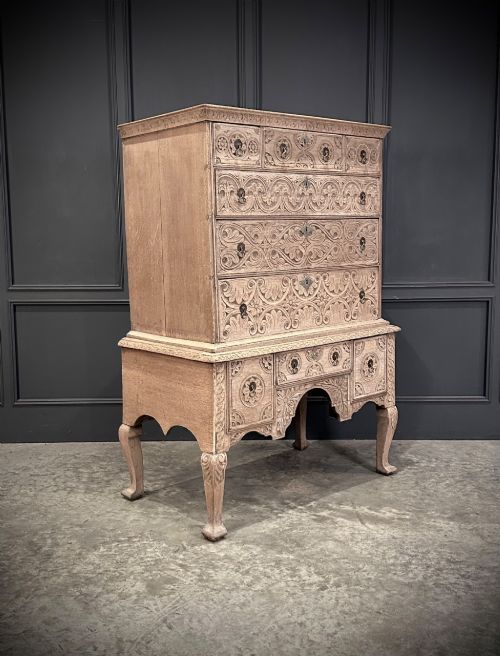
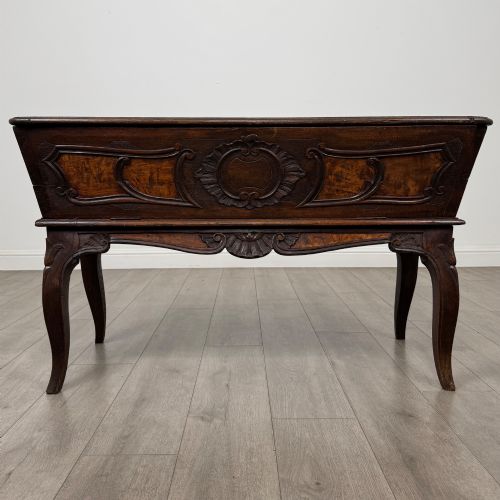
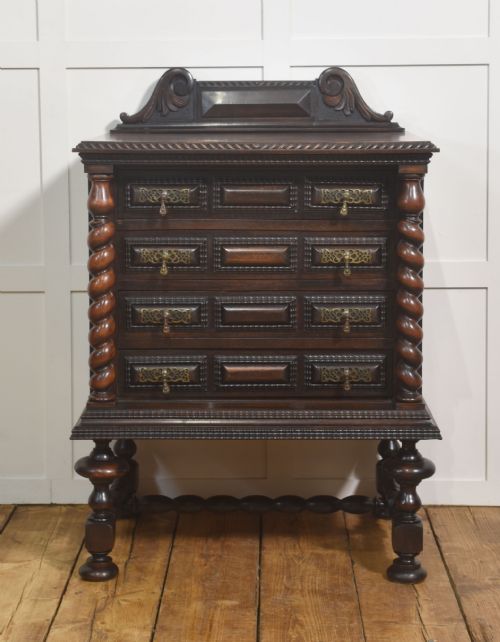
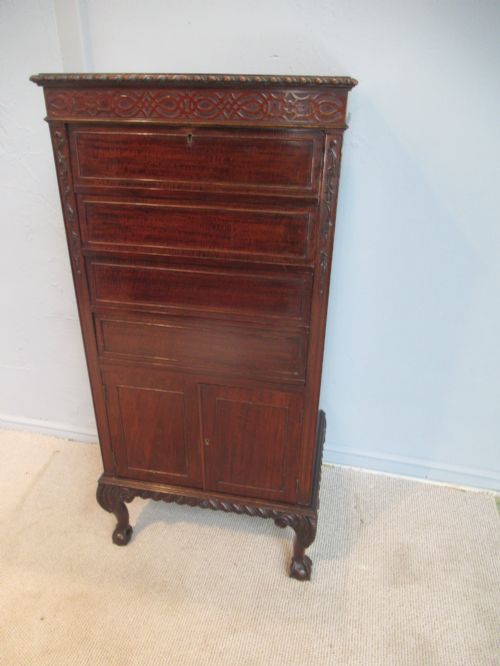
A carved wood chest on stand combines a lidded coffer, box, or drawer unit with a raised base or table frame, creating a commanding piece of furniture that lifts storage off the floor. You will encounter seventeenth-century oak examples alongside eighteenth-century George II mahogany pieces and nineteenth-century interpretations.
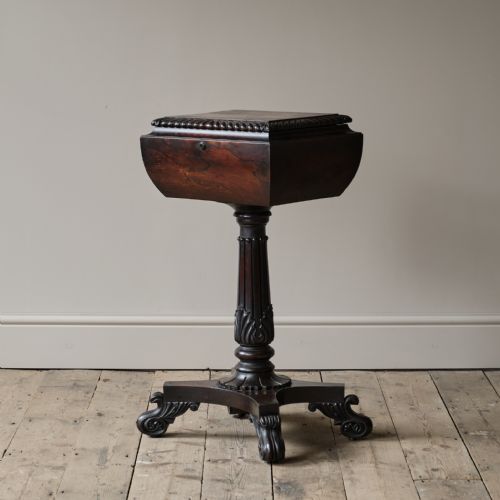
The phrase encompasses related elevated forms such as cabinets on stand, lowboys, and teapoys on stands, all sharing the architectural division between upper storage box and lower supporting legs.
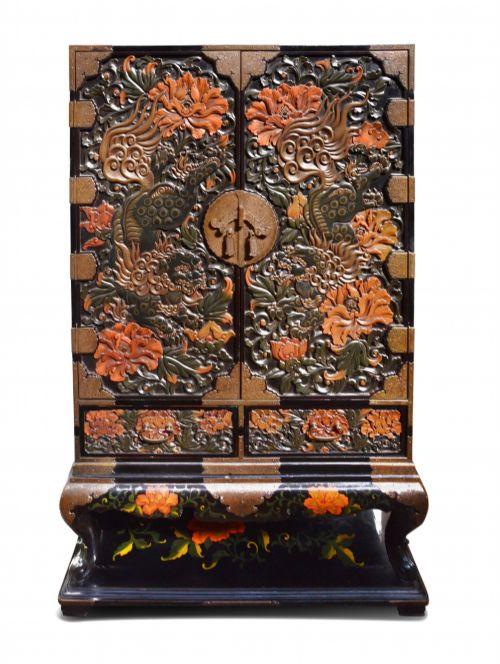
Origins stretch across British, French, Portuguese, Anglo-Indian, and Chinese traditions, resulting in surfaces finished with lacquer, oyster veneer, or deep relief carving.
Judging the execution
Quality rests in the crispness of the hand carving and the integrity of the joinery between the upper chest and the supporting stand. Superior examples maintain balanced proportions where the stand frames the upper box without appearing too heavy or too slender.
The choice of timber and veneer dictates refinement, with dense burr walnut, figured mahogany, and carefully arranged oyster veneer marking the upper tiers of craftsmanship. Original brass hardware and undisturbed surface patination elevate a piece far above later alterations.
Carved Wood Chest on Stand Retail Price Guide 2026
Typical asking prices for carved wood chest on stand among the pieces listed under this phrase on Sellingantiques today, from the lower quarter to the upper quarter. They describe what is for sale here now, not the wider market.
Listings feature woods spanning oak, mahogany, walnut, rosewood, olive wood, and mulberry, paired with brass and glass elements.
Gillows·Muirhead Moffat and Co
The Carved Wood Chest on Stand Glossary
- Chest on stand
- A storage box or chest mounted upon an elevated frame with legs. This form raises the contents to a convenient height and lightens the visual weight in a room.
- Oyster veneer
- Circular or oval cross-sections of branch wood laid in repeating patterns across a surface. This technique creates a distinctive rippled grain effect popular in seventeenth-century pieces.
- Teapoy
- A small box or chest designed to hold loose tea, frequently mounted on a pillar or four-legged stand. Interiors often include lidded canisters for different tea varieties.
- Lowboy
- A small oak or mahogany table with drawers, functioning as a dressing table or side table. The form shares structural similarities with the lower frames of chests on stand.
- Lacquer
- A durable resin finish applied in multiple layers and often decorated with painted or gilt motifs. Asian and European workshops utilised this method to achieve glossy, protective surfaces.
Carved Wood Chest on Stand: Frequently Asked Questions
What is a carved wood chest on stand used for?
These pieces function primarily as statement storage furniture, keeping textiles, documents, or valuables enclosed within a decorative elevated box.
Their commanding height makes them suitable for hallways, living spaces, or bedrooms where floor-standing furniture might feel too heavy.
How do seventeenth-century and nineteenth-century pieces differ?
Seventeenth-century examples typically employ solid oak, geometric mouldings, or oyster veneers with straightforward structural frames.
Nineteenth-century pieces often revive earlier styles like Jacobean or Georgian, introducing elaborate carving, exotic rosewood, or painted Chinoiserie finishes.
How should I place a chest on stand in a room?
Position the piece against a principal wall where its height and decorative stand can be viewed without obstruction from other large furniture.
Because the design lifts the main body off the floor, it allows light to pass underneath, keeping smaller spaces feeling open.
How do I care for antique wood and lacquer surfaces?
Maintain the finish by dusting with a dry, soft cloth and avoiding placement near direct heat sources or strong sunlight.
Wax polish applied sparingly helps preserve solid walnut, mahogany, and oak, while lacquered pieces require minimal moisture to protect delicate painted details.