



Carved Wood Bowl
A carved wood bowl brings tactile warmth to a room, holding everything from kitchen dough to decorative fruit.
Carved Wood Bowl
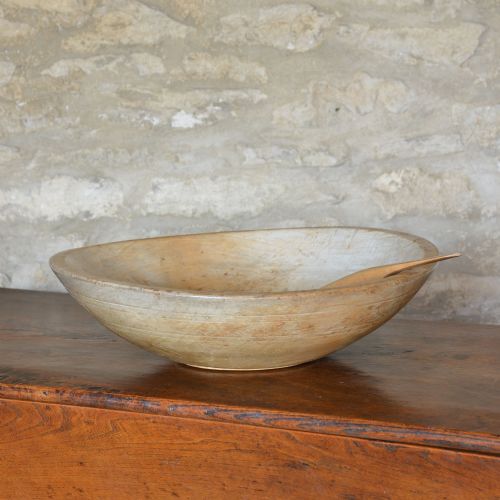
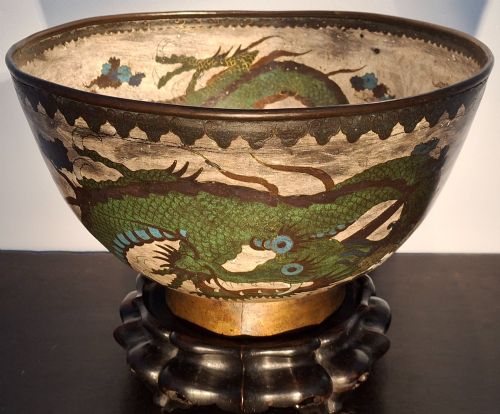
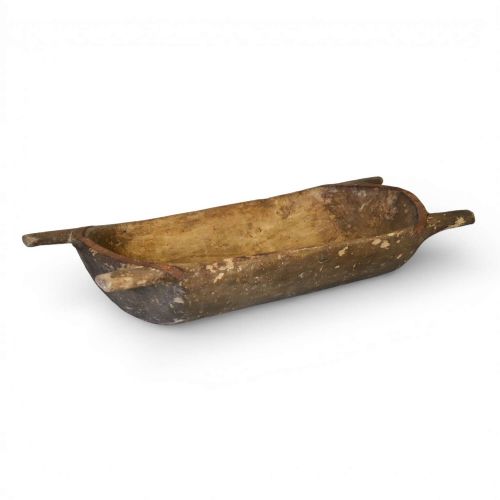
When searching for a carved wood bowl, collectors encounter a diverse array of domestic and decorative vessels spanning multiple centuries. The selection ranges from substantial nineteenth-century French farmhouse kneading troughs and dairy bowls to intricate Black Forest and Italian Sorrento ware.
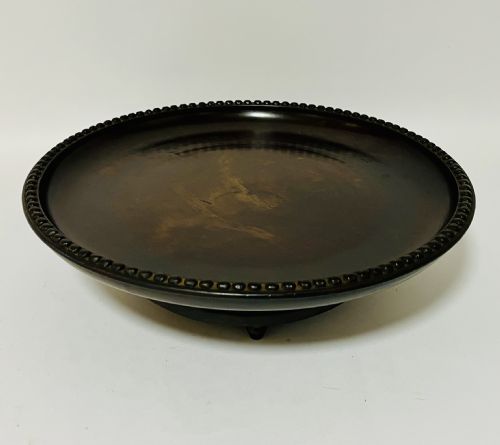
Regional styles dominate the pieces seen here, encompassing Swiss musical fruit bowls, Scandinavian birch platters, and heavy oak Liege vessels. Domestic utility items sit alongside decorative table centrepieces and turned treen, reflecting both everyday rural life and ornate Victorian craftsmanship.
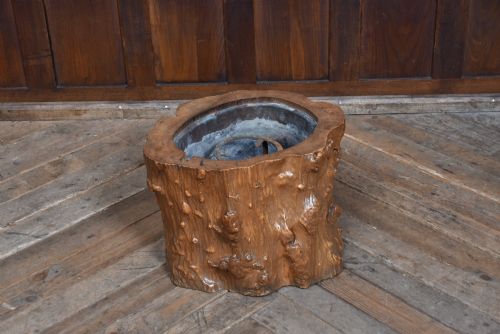
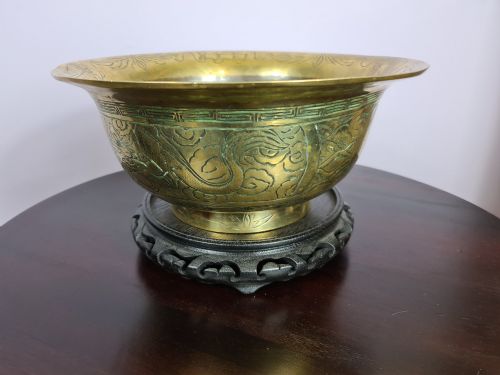
Earlier centuries contribute utilitarian forms like sycamore herb chopper bowls and deep mortar basins. Buyers also find specialised Asian works including Japanese wooden hibachi and Chinese hardwood pieces alongside European folk art.
Materials and Craftsmanship
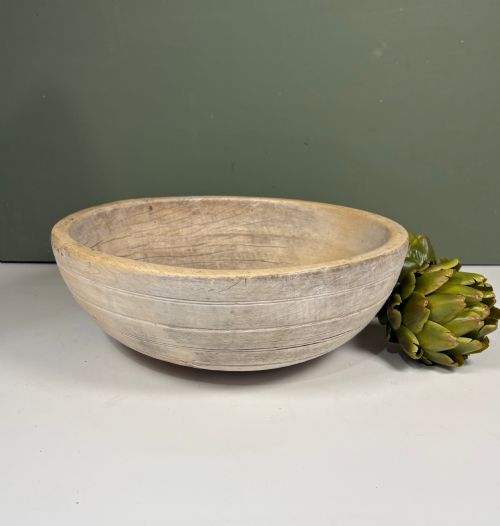
The objects on this page rely primarily on solid hardwoods and native timbers such as sycamore, olive wood, walnut, oak, and birch. Craftsmen utilised regional growth, selecting dense woods like lignum-vitae and boxwood for items requiring durability, while softer timbers served for large agricultural dough troughs.
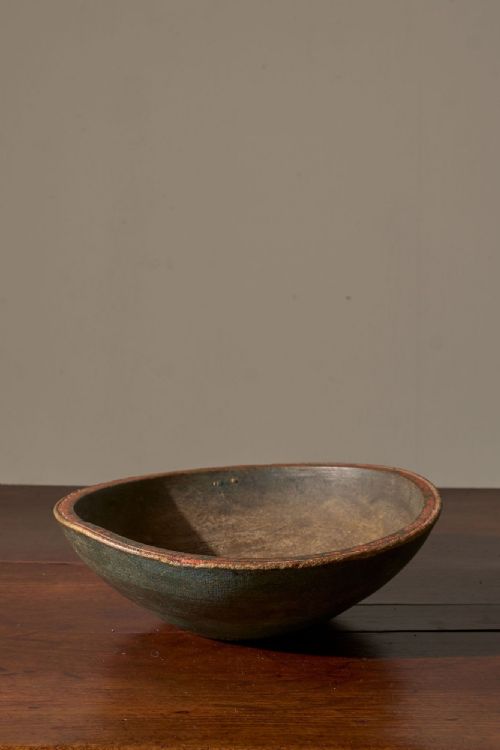
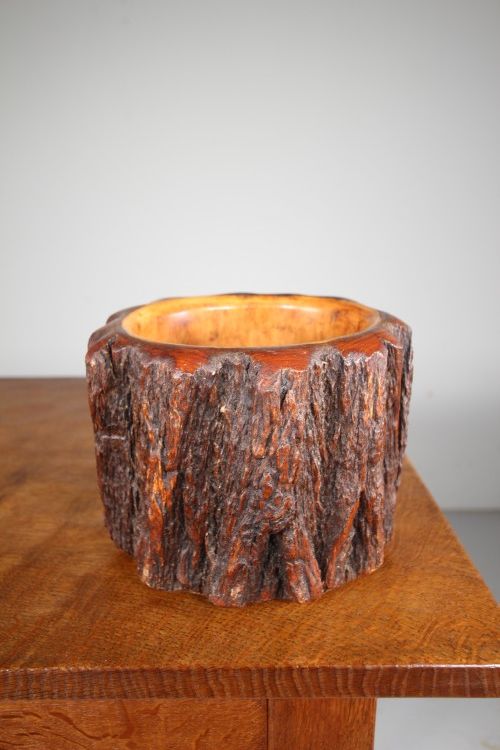
Makers shaped these vessels through manual techniques including hand-carving, traditional turning on a lathe, and hollowing out solid logs to form dug-out bowls. Surface finishes vary from natural hand-polished patinas to painted Swedish surfaces and detailed regional relief work.
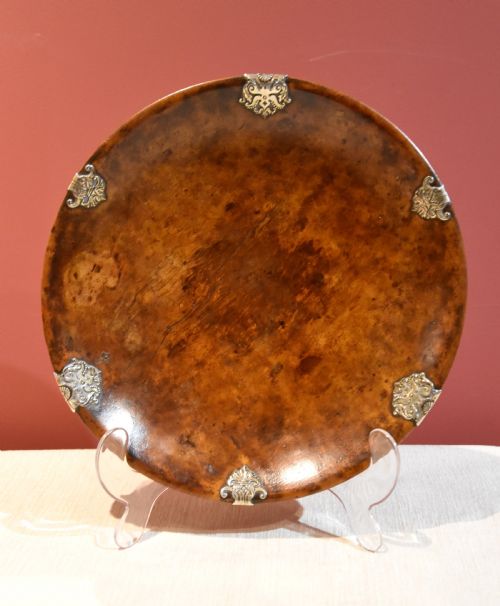
Construction methods often highlight the direct relationship between material and function, whether forming a seamless turned vessel or securing metal mounts and silver rims to exotic woods like burr walnut and coquilla nut.
At least one nineteenth-century example includes a carved wooden bear keeping watch over the contents.
Assessing Quality and Character
The distinction between ordinary utility items and superior pieces rests on the depth of the carving and the integrity of the timber. Finely executed relief work, such as the detailed flora and fauna found on Black Forest carvings, requires exceptional hand skill that elevates a basic dish into fine art.
Richness of surface patina and the preservation of original tool marks heavily influence desirability. Vessels that retain their authentic historical finish and show clear evidence of manual shaping command greater appreciation among collectors than heavily restored examples.
Proportion and scale also separate standard domestic items from grander decorative pieces. Heavy, well-balanced forms with thoughtful regional detailing or unusual supplementary materials like crystal inserts represent the upper tier of available works.
The Carved Wood Bowl Glossary
- Treen
- Small handmade wooden domestic objects and utensils. This category includes everything from bowls and spoons to treen stem bowls and early kitchen implements.
- Dough bowl
- A large utilitarian vessel used in past centuries for mixing and rising bread dough. French farmhouse and kneading examples are particularly heavy and deep.
- Sorrento ware
- Decorative wooden objects produced in the Italian town of Sorrento, often featuring intricate marquetry and olivewood construction. Pieces frequently display distinct local landscape or floral motifs.
- Liege bowl
- A robust type of wooden bowl originating from the Liege region, typically carved from solid oak with distinctive regional proportions. They represent sturdy European domestic craftsmanship.
- Mortar and pestle
- A paired set comprising a heavy bowl and a club-like tool used for grinding herbs, spices, or medicinal substances. Materials range from sycamore and elm to dense lignum-vitae.
Carved Wood Bowl: Frequently Asked Questions
How were old dough bowls used?
These large wooden troughs served as the central vessel for mixing flour, water, and yeast in domestic kitchens. Families relied on them daily to prepare large quantities of bread before baking.
Over decades of regular use, the timber absorbed oils and flour, developing the characteristic deep patina valued by modern collectors today.
What is Black Forest carving?
This decorative style originated in the mountainous regions of central Europe during the nineteenth century. Artisans carved intricate woodland animals, foliage, and naturalistic scenes directly into solid walnut and other native timbers.
Items ranged from small ornamental dishes and musical fruit bowls to elaborate centrepieces featuring detailed bears and forest motifs.
How do I care for antique wood bowls?
Keep these wooden vessels away from direct heat sources and extreme humidity fluctuations to prevent the timber from splitting. Dust them gently with a dry or slightly damp cloth rather than submerging them in water.
Applying a light coat of natural beeswax periodically helps maintain the moisture balance and preserves the historical surface sheen.
Are these bowls food safe?
Most antique and vintage wooden vessels were treated with natural oils or simply seasoned through decades of domestic use. However, older finishes and historic wax coatings may not meet modern standards for direct food contact.
It is generally best to use these pieces for dry storage, display, or decorative table centrepieces rather than serving wet foods.
How can I tell the age of a wooden bowl?
Age is determined by examining the tool marks left by the maker, the type of timber used, and the overall wear patterns. Hand-dug or lathe-turned pieces from earlier centuries often display subtle irregularities that modern machinery does not reproduce.
Comparing the style of carving, regional origin, and the depth of the surface patina against documented examples helps narrow down the period.