

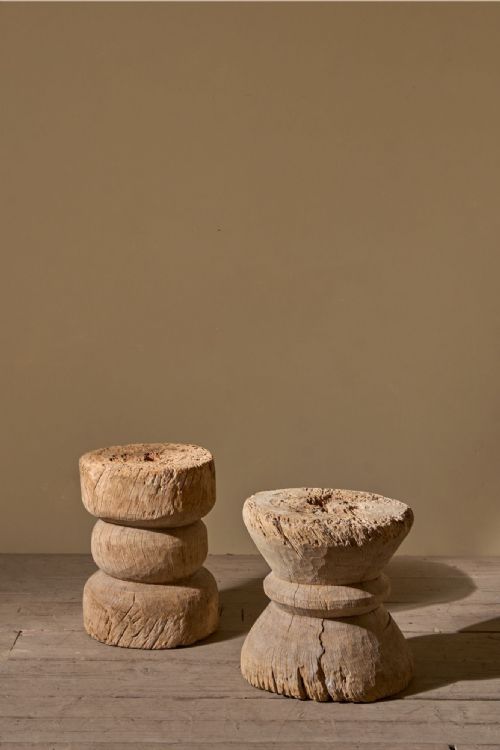

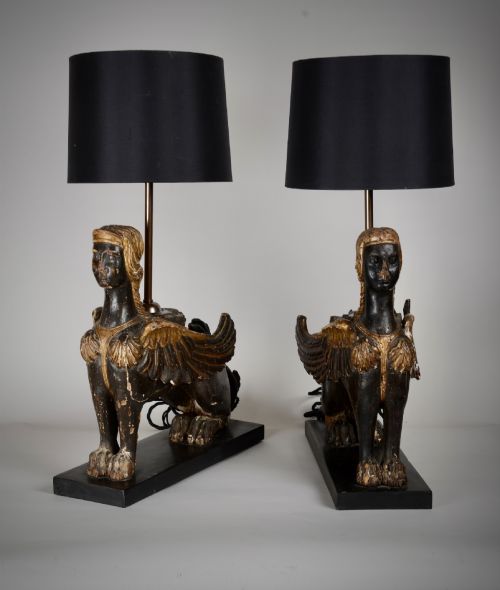
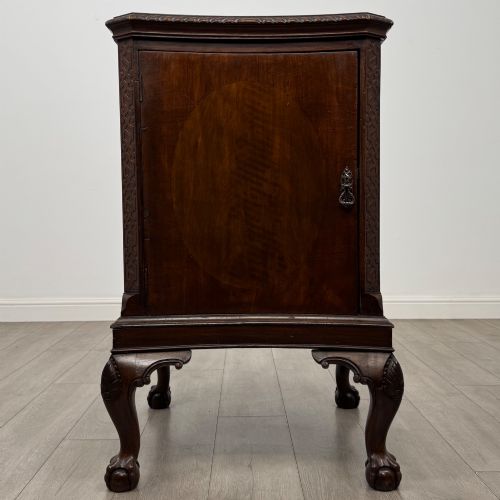
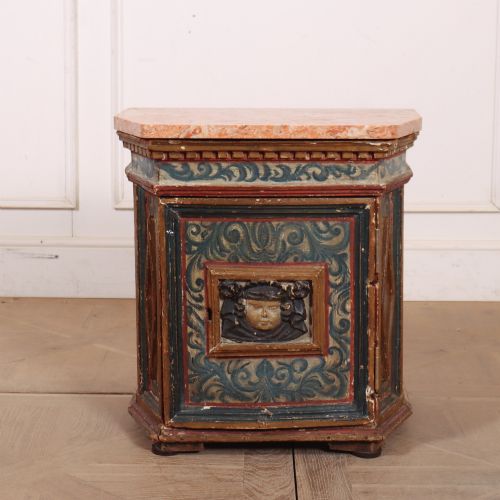
Carved Wood Bedside
A carved wood bedside piece brings texture and practical surface space to a bedroom, ranging from simple cupboards to finely turned tables.
Carved Wood Bedside
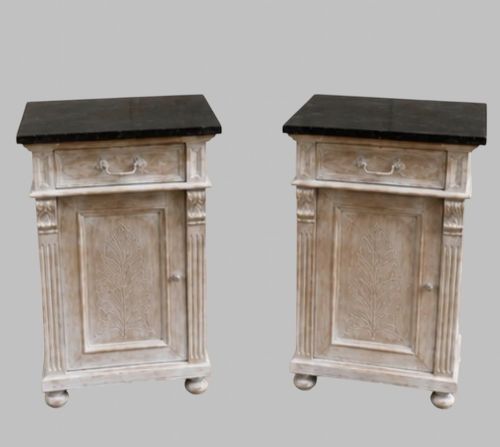
A carved wood bedside search brings up practical bedroom furniture designed to hold night-time essentials while adding period character. Buyers frequently encounter enclosed cupboards and open tables originating from the eighteenth, nineteenth, and early twentieth centuries.
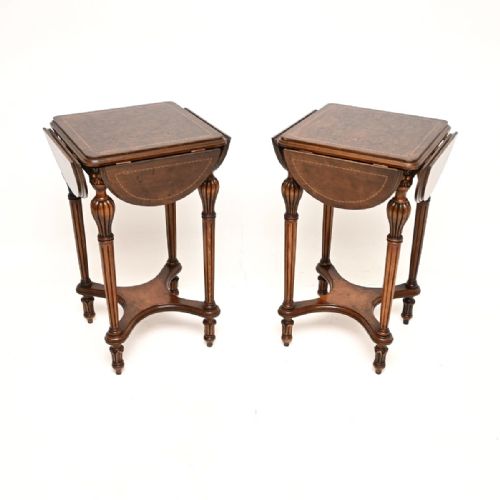
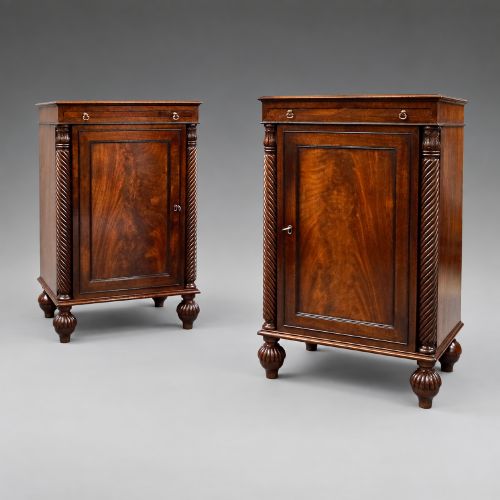
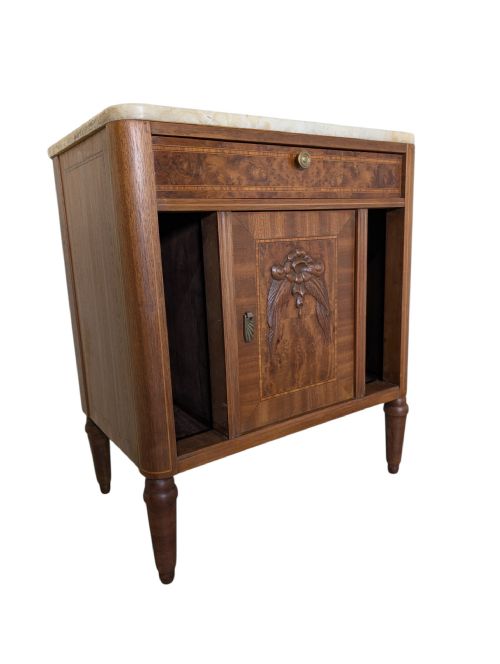
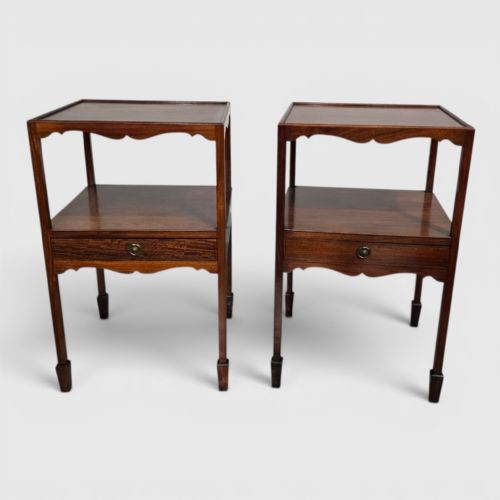
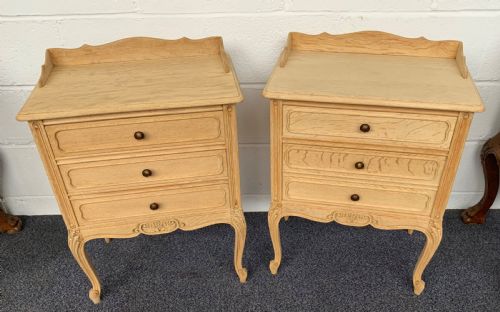
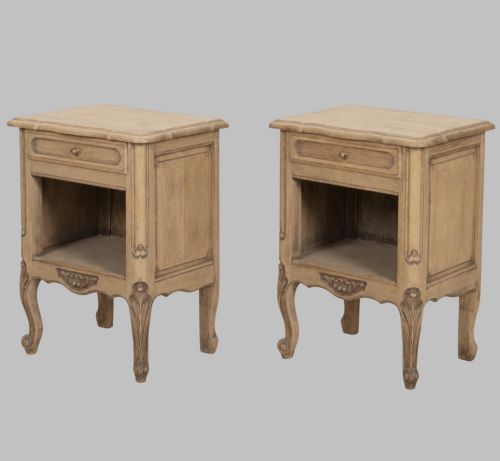
The selection here includes compact bedside cabinets, mahogany night tables, and occasional tables featuring styles from Victorian utility to French provincial and Edwardian refinement. Many pieces appear in pairs, offering balanced symmetry for either side of a bed.
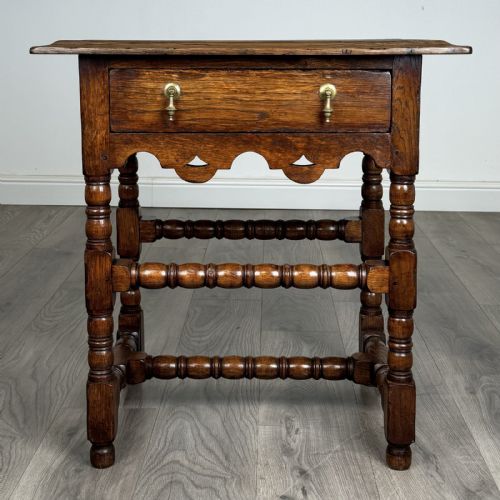
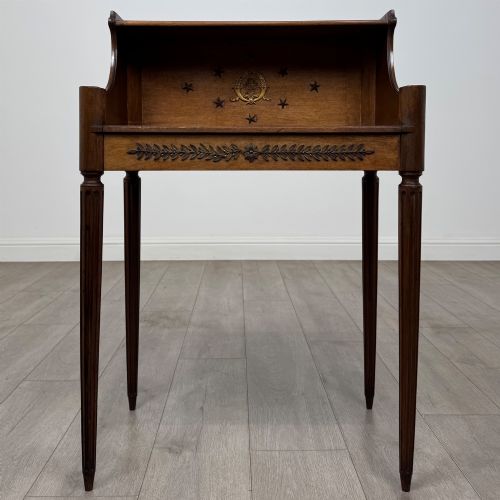
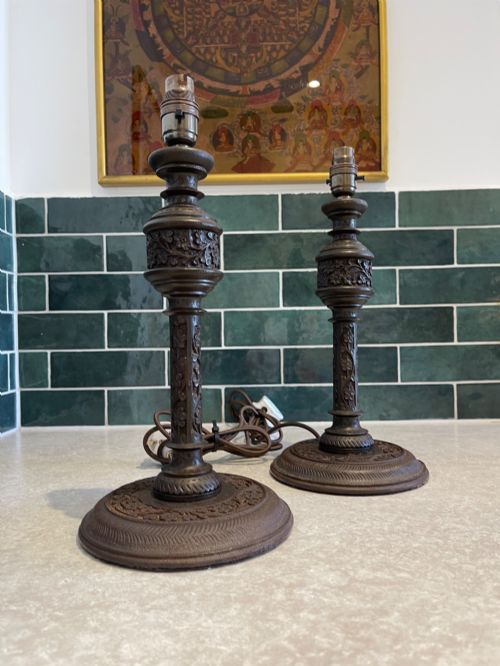
Construction forms vary from traditional pot cupboards with enclosed doors to open side tables with lower shelves. Woods span native oak and mahogany to burr walnut and ash, often displaying detailed carving or turned legs.
How they were made
Cabinet makers utilised solid hardwoods such as mahogany, oak, and walnut, frequently selecting figured veneers like burr walnut for decorative surfaces. Joinery relied on traditional methods including dovetail drawers and mortise and tenon frames to ensure stability in daily use.
Surface decoration involved hand carving, inlay, and turning, alongside painted finishes and polished wax treatments. Brass fixtures such as galleries, handles, and hinges provided functional contrast to the timber.
Carved Wood Bedside Retail Price Guide 2026
Typical asking prices for carved wood bedside among the pieces listed under this phrase on Sellingantiques today, from the lower quarter to the upper quarter. They describe what is for sale here now, not the wider market.
Listings feature items from the eighteenth, nineteenth, and early twentieth centuries, constructed in mahogany, oak, walnut, and ash.
What varies in quality
Quality rests in the selection of timber, the crispness of the hand carving, and the integrity of the original construction. Superior examples display carefully matched wood grains and tight, enduring joinery that withstands decades of use.
Subtlety in proportion and the retention of original surface patination distinguish finer items from simpler utilitarian pieces. Details like finely turned legs, undamaged mouldings, and period-appropriate brass hardware elevate a piece's standing.
Heals·Waring & Gillows
The Carved Wood Bedside Glossary
- Pot cupboard
- A small bedside cabinet originally designed to enclose a chamber pot. These enclosed pieces often feature a single door above a lower compartment.
- Dovetail
- A traditional interlocking joint used in drawer construction. This method provides strong tensile resistance to keep drawer corners secure over time.
- Gallery
- A raised decorative rail fitted to the top edge of a table or cabinet. This feature prevents items from rolling off the surface.
- Bobbin turned
- A style of furniture leg shaped on a lathe to resemble a series of wooden bobbins or spools. This decorative turning became popular during revival periods.
Carved Wood Bedside: Frequently Asked Questions
How do I choose between a cupboard and a table?
Choosing between a cupboard and an open table depends on your storage needs and bedroom layout. Cupboards hide clutter behind doors, whereas open tables offer a lighter visual footprint.
Enclosed cabinets suit traditional settings, while lighter ash or oak side tables fit minimalist or Arts and Crafts schemes.
Are these pieces usually sold in pairs?
Many bedside pieces appear as matched pairs, though individual items also feature in the listings. Pairs provide balanced symmetry when placed on opposite sides of a double bed.
Finding matching pairs from the nineteenth or early twentieth century offers a cohesive look for larger bedrooms.
How do I care for antique wood furniture?
Care involves keeping wooden surfaces away from direct heat sources and strong sunlight to prevent timber splitting and fading. Regular dusting with a soft, dry cloth preserves the finish.
Occasional application of appropriate wax polish maintains the lustre of mahogany, walnut, and oak without building up heavy residue.