





Carved Wood Basket
A carved wood basket combines functional storage with intricate sculptural craft, offering tactile warmth and historical charm to any room.
Carved Wood Basket
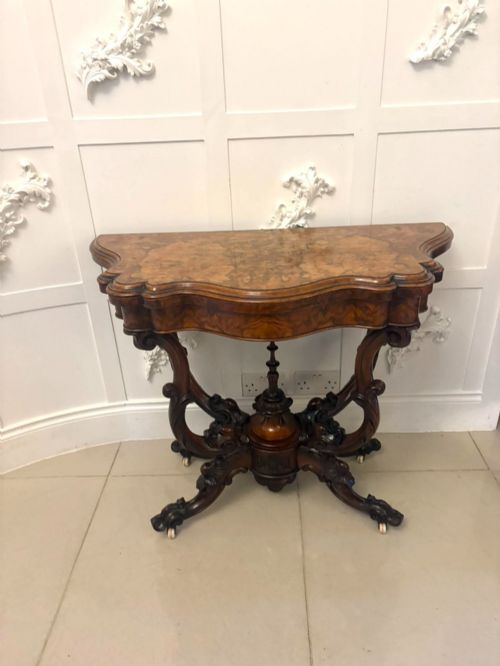
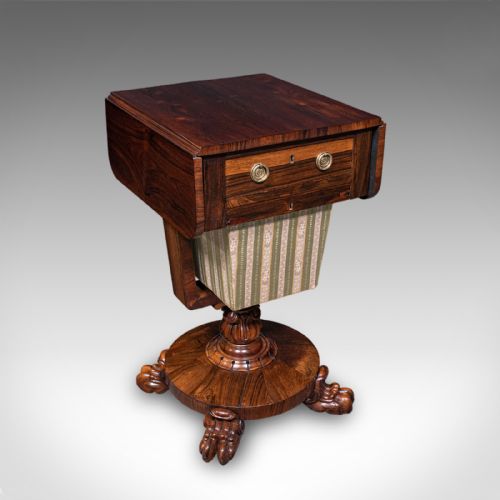
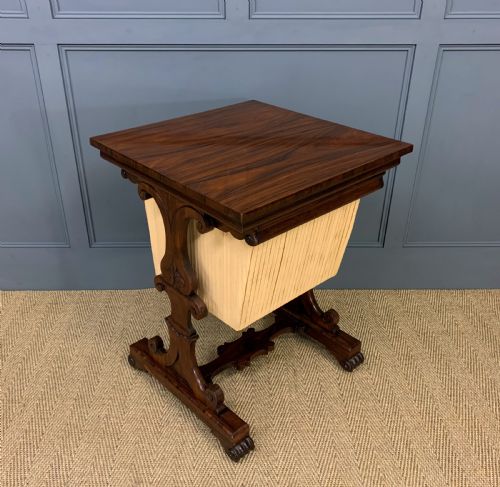
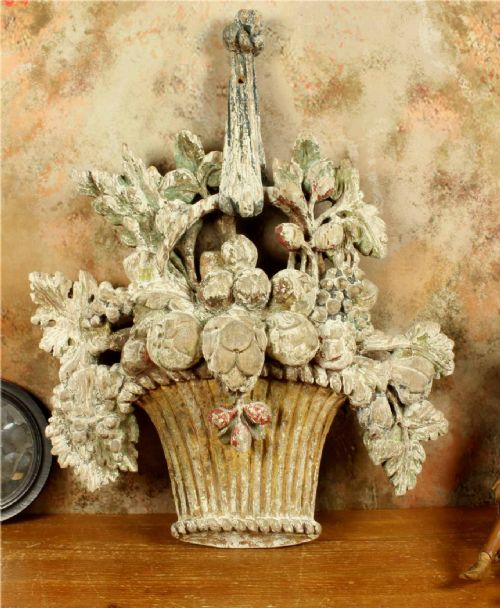
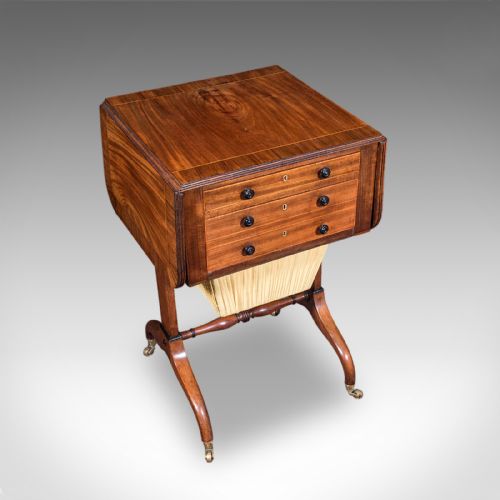
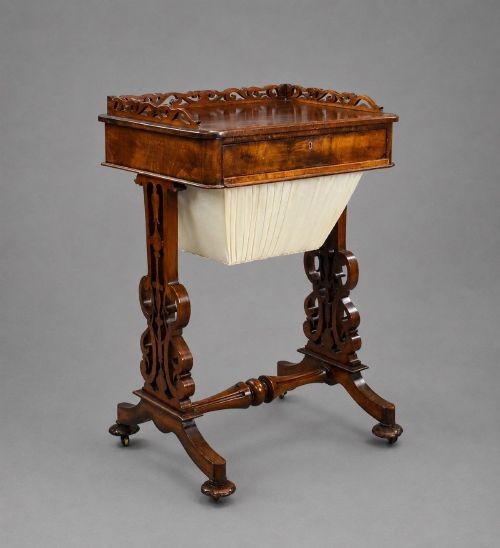
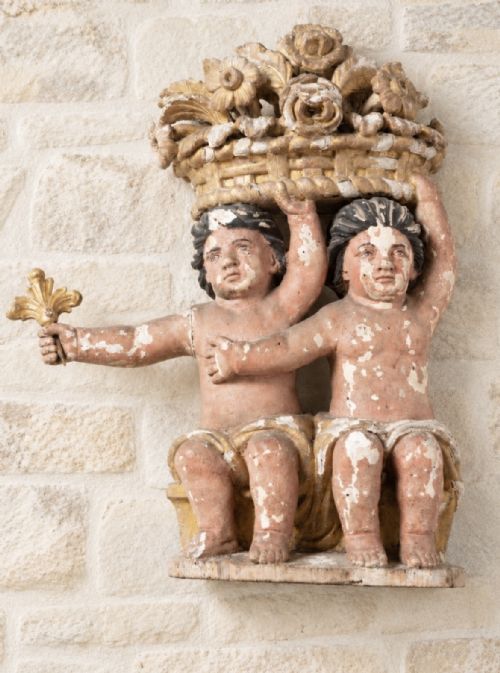
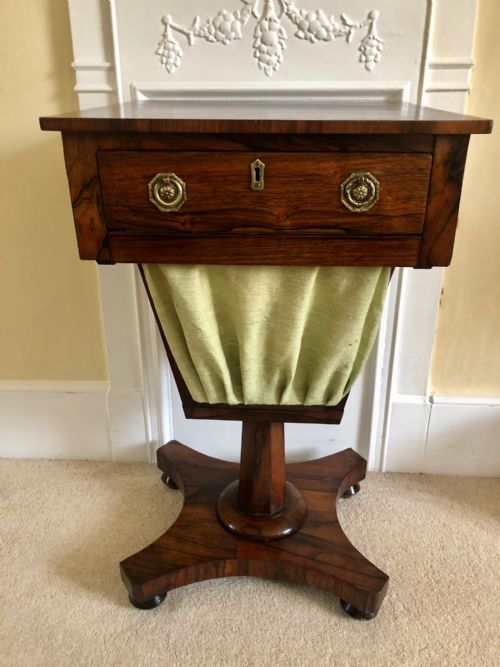
Buyers will most frequently encounter nineteenth-century occasional pieces and work tables featuring carved basket bases, alongside wall carvings from around eighteen hundred. These objects transition smoothly between practical storage and detailed sculptural display in traditional interiors.
Materials and construction
Craftsmen utilised dense timbers such as rosewood, walnut, burr walnut, mahogany, and oak to build these items, often pairing them with brass hardware and fabric interiors. Wood selection determined both the weight of the piece and the depth of detail achievable through hand carving.
Makers employed traditional joinery techniques combined with relief carving and turned elements to shape handles, bases, and panels. The natural grain of the timber provides the primary visual texture across both furniture bases and standalone wall carvings.
Carved Wood Basket Retail Price Guide 2026
Typical asking prices for carved wood basket among the pieces listed under this phrase on Sellingantiques today, from the lower quarter to the upper quarter. They describe what is for sale here now, not the wider market.
A nineteenth-century German Black Forest truffle collecting trug proves that even gathering underground fungi once demanded exceptional craftsmanship.
Craftsmanship and distinction
Quality rests upon the crispness of the hand carving and the selection of figured veneers, such as burr walnut or rosewood. Superior examples exhibit deep, clean relief work and well-balanced proportions that integrate structural support with decorative motifs.
The integration of the carved basket element within larger forms, such as card tables or centre tables, distinguishes standard production from exceptional pieces. Attention to detail in secondary timbers and the retention of original surface patination elevate the standing of an item.
The Carved Wood Basket Glossary
- Burr walnut
- A veneer taken from the warted growths of a walnut tree, prized for its swirling, highly figured grain patterns. It frequently surfaces on nineteenth-century table tops and pedestals.
- Work table
- A small movable table equipped with drawers, compartments, or hanging fabric bags for sewing and needlework. These often incorporate basket-like storage compartments underneath.
- Relief
- A sculptural technique where figures or designs project from a flat background. Wall carvings and decorative panels utilise this method to create depth.
- Trug
- A shallow horticultural container traditionally used for gathering fruit, flowers, or truffles. Wooden examples from the nineteenth century often feature sturdy bentwood construction.
- Rosewood
- A heavy, durable timber with a dark, richly grained appearance often utilised in Regency and Victorian furniture. It provides a smooth surface for polished finishes.
Carved Wood Basket: Frequently Asked Questions
What is a carved wood basket?
A carved wood basket encompasses both sculptural wall panels and functional containers shaped from timber by nineteenth-century artisans. These objects highlight traditional woodworking skills through detailed relief work and turned elements.
They serve as decorative wall accents or practical storage vessels, bringing natural textures and historical character into modern living spaces.
How were these items used originally?
Many examples functioned as utilitarian storage for logs, waste, or gathered produce in period homes. Others formed decorative components integrated into the bases of nineteenth-century games and sewing tables.
Their dual nature allowed them to sit by the fireside for daily chores or display floral motifs on parlour walls.
How do I style a carved wood basket?
Wall-mounted carvings work well as focal points above sideboards or mantlepieces, allowing the natural timber grain to stand out against plain walls. Freestanding bins and trugs fit naturally beside fireplaces or bookshelves to hold textiles and logs.
Pairing these items with contrasting smooth surfaces highlights the tactile quality of the hand-carved details.