






Carved Wood Bar
A carved wood bar brings genuine character to a room, offering both practical hospitality and fine craftsmanship from earlier centuries.
Carved Wood Bar
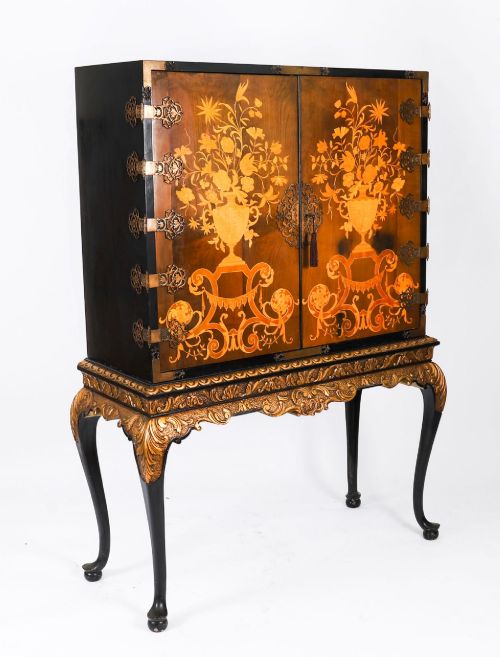
A carved wood bar encompasses various forms designed for entertaining and hospitality, ranging from substantial front and back counters to compact drinks cabinets and individual seating. When searching for a carved wood bar, buyers encounter pieces spanning the nineteenth century up through the nineteen-thirties, reflecting shifting domestic and public social habits.
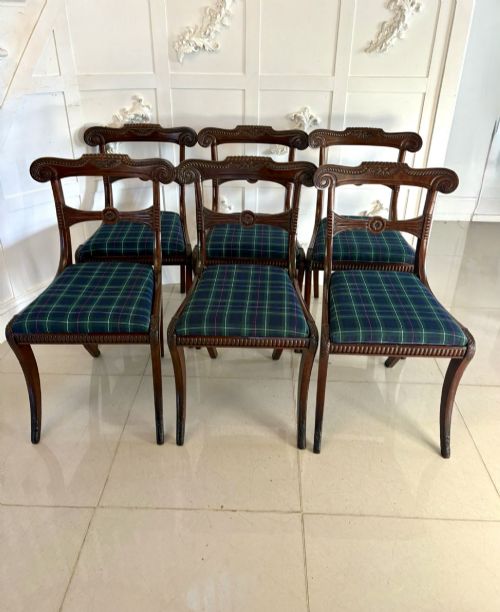
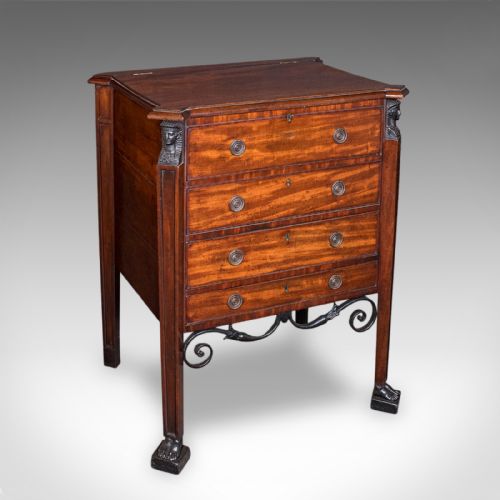
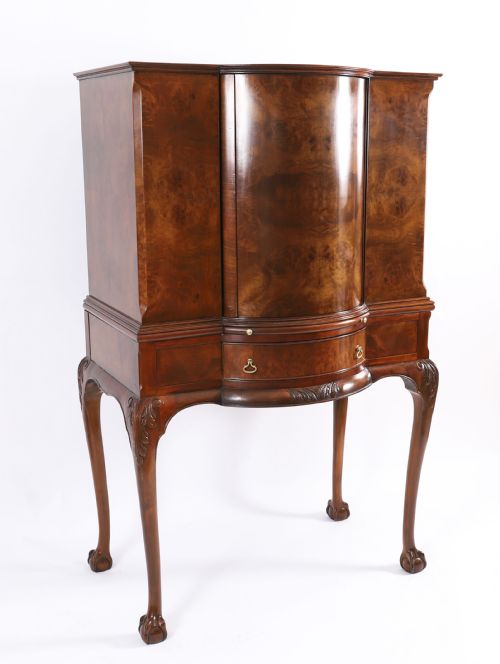
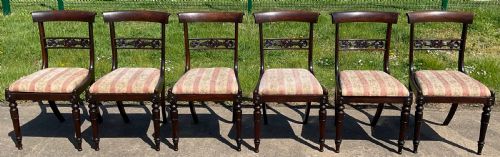
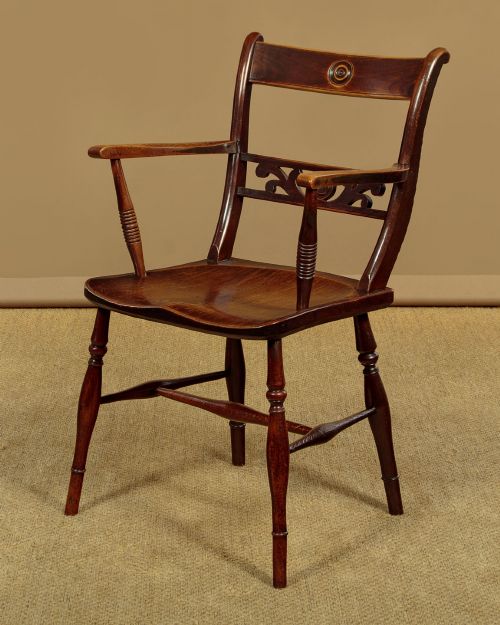
The selections on this page most frequently include cocktail cabinets in burr walnut alongside traditional dining chairs featuring characteristic bar backs. Public house counters and specialised dry bar cabinets also appear among these furnishings, demonstrating the broad scope of domestic and commercial joinery captured by the phrase.
How they were made
Cabinet makers utilised dense timbers such as mahogany, walnut, elm, and teak, frequently applying decorative burr walnut veneers to prominent exterior surfaces. Structural stability relied on traditional joinery methods, while visual appeal came from hand-carved details, turned wooden knobs, and occasional marquetry inlay.
Supplementary materials such as brass fittings, glass panels, and upholstered fabric elements appear alongside the primary woodwork. These components were assembled by hand, resulting in durable constructions designed to withstand regular use in both domestic parlours and commercial establishments.
Carved Wood Bar Retail Price Guide 2026
Typical asking prices for carved wood bar among the pieces listed under this phrase on Sellingantiques today, from the lower quarter to the upper quarter. They describe what is for sale here now, not the wider market.
What varies in quality
The standard of a carved wood bar rests primarily on the selection of timber and the precision of the joinery. Superior examples display carefully matched burr veneers and crisp, deep hand-carving that retains its original definition without softening over time.
Proportion and structural integrity further distinguish finer items from simpler production. Pieces that maintain balanced lines, sturdy frameworks, and well-executed internal fittings represent the higher tier of period craftsmanship.
James Reilly·Epstein
The Carved Wood Bar Glossary
- Bar back
- A chair design featuring a horizontal upper rail reminiscent of a traditional bar counter. This configuration provides sturdy back support while allowing clean lines visible in eighteenth and nineteenth-century seating.
- Cocktail cabinet
- A specialised piece of furniture designed for storing and serving alcoholic beverages. These enclosures typically feature drop-down preparation flaps, mirrored interiors, and dedicated bottle storage.
- Burr walnut
- A highly figured wood veneer obtained from the growths of walnut trees. Cabinet makers prize this material for its complex, swirling grain patterns that create decorative visual movement on cabinet doors.
- Marquetry
- The art of applying pieces of veneer to a structure to form decorative patterns and pictures. Craftsmen use contrasting woods to achieve detailed ornamentation on furniture surfaces.
- Chiffonier
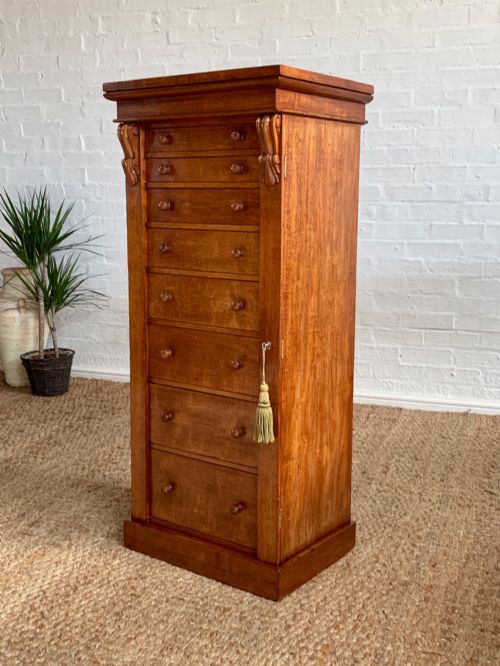
- A low sideboard or cabinet equipped with drawers and shelves. These items evolved during the nineteenth century to provide convenient storage and display space in dining rooms.
Carved Wood Bar: Frequently Asked Questions
How do I date a cocktail cabinet?
Dating a cocktail cabinet involves examining the primary timbers, hardware, and overall architectural style. Pieces from the nineteen-twenties and nineteen-thirties frequently employ burr walnut veneers and streamlined geometric forms.
Earlier nineteenth-century iterations often lean towards revival styles with heavier carved ornamentation. Internal fittings, such as original glass shelves and mirrored backplates, also provide clues to the manufacturing era.
Where were home bars used?
Home bars and drinks cabinets primarily served reception rooms, libraries, and dedicated entertaining spaces in domestic properties. They provided a centralized location for hosting guests and storing glassware.
Larger front and back counters originated in commercial public houses and inns. Over time, smaller domestic equivalents emerged to accommodate the changing social customs of the twentieth century.
How do I care for antique wood?
Maintaining antique wooden furniture requires stable environmental conditions away from direct sunlight and sudden temperature shifts. Regular dusting with a soft, dry cloth prevents particulate build-up on delicate carved surfaces.
Periodic application of appropriate wax polish helps nourish the timber and maintain its natural lustre. Avoid harsh chemical cleaners that can strip historic finishes and dry out the wood.