


Carved White Side Tables
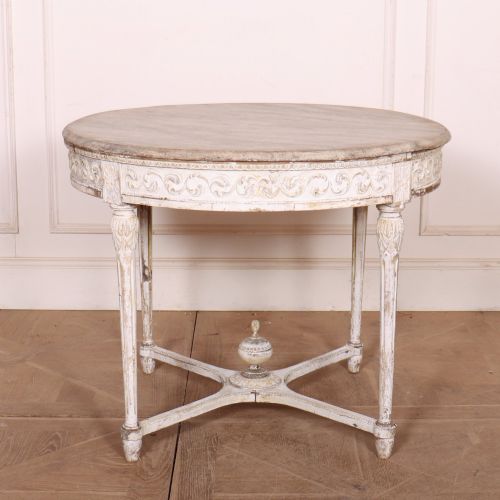
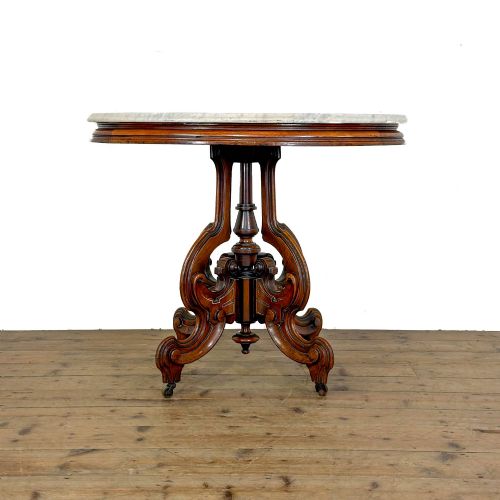
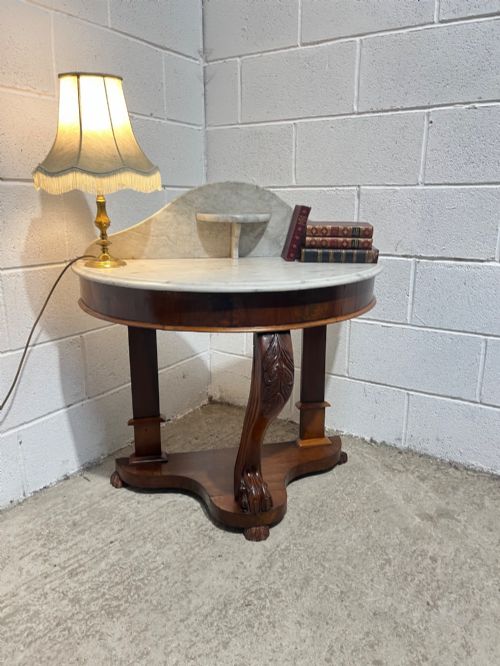
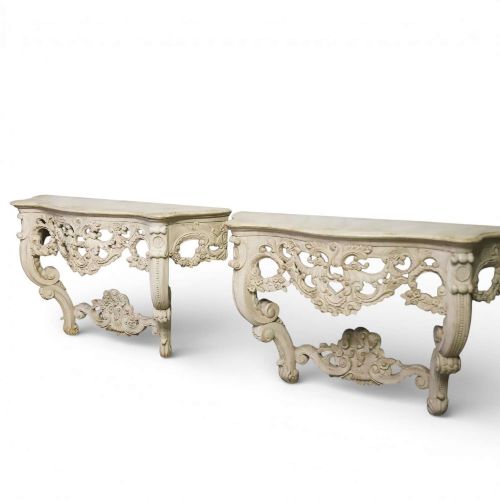
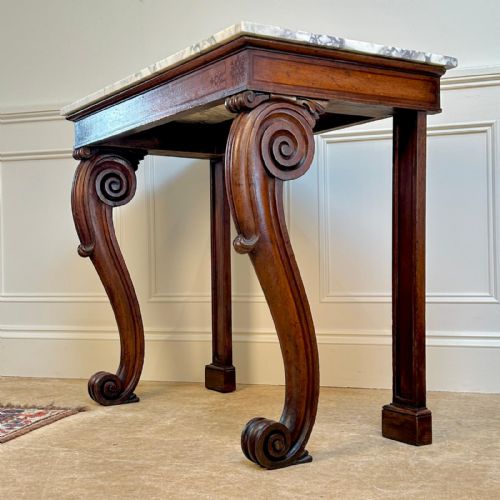
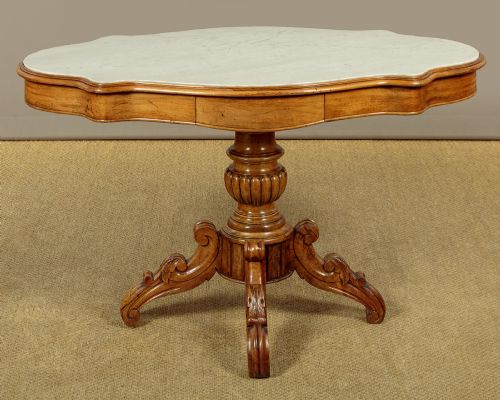
These carved white side tables bring marble, paint and giltwood together across Victorian, French Rococo and neoclassical forms to anchor a room.
Carved White Side Tables
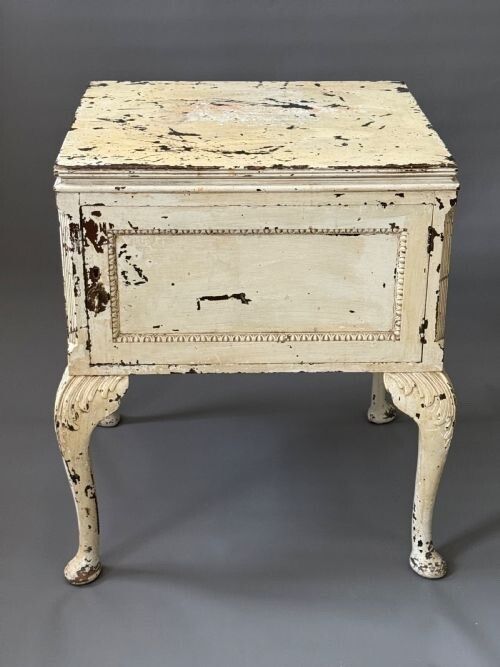
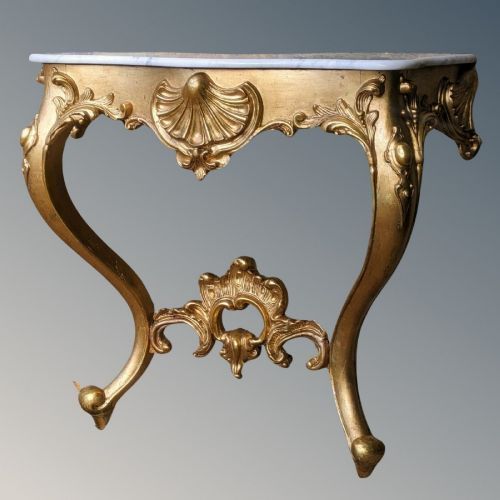
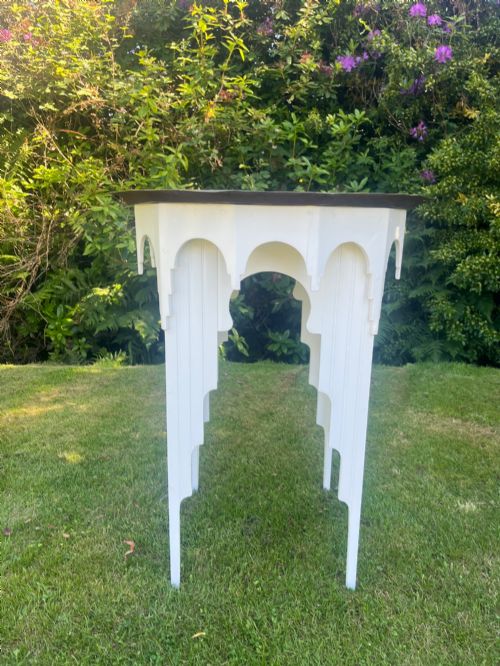
When hunting for carved white side tables, expect to encounter console tables, occasional tables and bedside cabinets originating from the eighteenth, nineteenth and early twentieth centuries. Many pieces wear painted finishes, gesso or giltwood alongside pale stone surfaces, moving through French Rococo, Victorian and neoclassical styles.
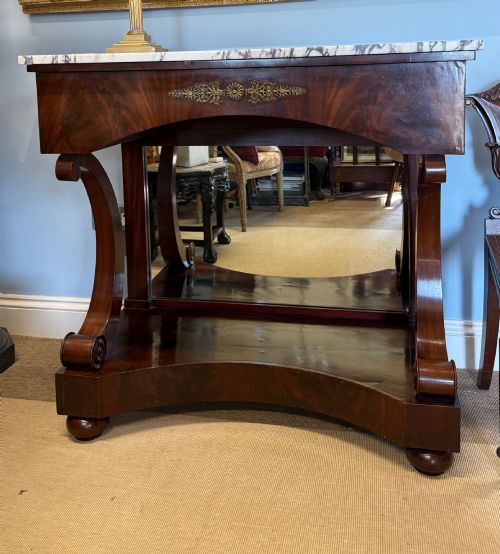
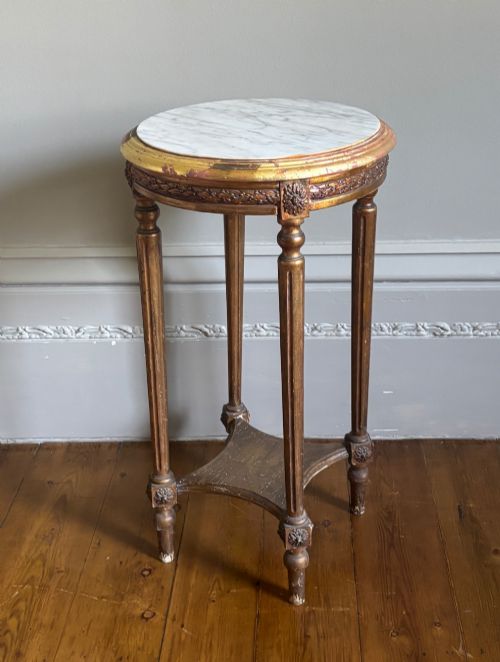
Console tables and wall-mounted pieces dominate the selection, frequently paired with white marble, Carrara or onyx tops. Alongside these stand occasional tables and gueridons, offering smaller footprints while retaining carved wooden frames and pale painted or gilded surfaces.
Origins span English, French, Italian and Anglo-Indian workshops, bringing varied regional interpretations to carved decoration. Whether dealing with a Baroque Italian table or a Victorian mahogany and marble combination, the core grouping balances carved timber structures with contrasting stone or painted tops.
Materials and construction
Makers shaped these tables from solid timbers including mahogany, oak, walnut and lime wood, often applying layers of paint, gesso or gold leaf to the carved surfaces. Woodcarving techniques define the styles, from heavy French Rococo scrolls to crisp neoclassical motifs.
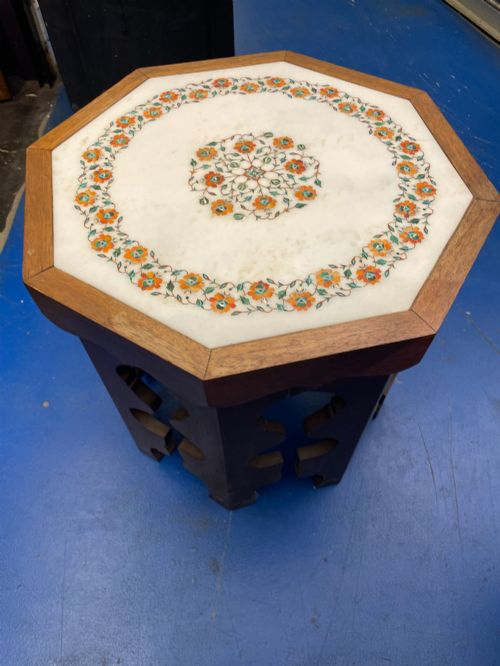
Heavy stone tops in white marble, Carrara marble, alabaster and onyx rest directly upon the wooden bases, requiring robust joinery to support the weight. Giltwood and painted finishes receive protective coatings, while marble slabs are polished smooth to contrast with the textured, carved frames beneath.
Carved wooden hounds and elephant seats occasionally join the furniture lineup, standing ready to support tabletops and hold items in place.
Determining quality
The crispness of the hand-carving separates master work from mass production, particularly in the depth of undercut foliage, scrolls and figures. Superior pieces retain sharp details in the wood, gesso and giltwood without blurring from overpainting or wear.
The integration between the heavy stone top and the wooden base dictates structural integrity. Top-tier examples feature dense, high-grade white marble or onyx correctly fitted to stable, heavy timber frames that show careful proportion and balanced weight distribution.
The Carved White Side Tables Glossary
- Console table
- A table designed to stand against a wall, frequently secured to it with brackets and topped with marble.
- Giltwood
- Timber coated with a thin layer of gold leaf over a prepared gesso ground, creating a reflective surface.
- Gesso
- A plaster-like mixture applied to wood surfaces as a smooth base for painting or gilding.
- Gueridon
- A small occasional table, often French in origin, raised on a central pillar or slender legs.
Carved White Side Tables: Frequently Asked Questions
Where do I put a console table?
These tables suit entryways, hallways and reception rooms where a shallow footprint allows them to sit flat against a wall.
Because many feature finished backs or mount directly to the wall, they anchor mirrors and lamps effectively without blocking floor space.
How do I clean a marble top?
Wipe the stone surface using a soft cloth dampened with warm water and mild, neutral soap.
Avoid acidic cleaners and harsh chemicals that etch or dull the polished finish of the white marble.
What is a gueridon table?
A gueridon is a small occasional table originating in seventeenth-century France, typically supported by a central column or tripod legs.
They function well beside armchairs or in corners to hold lamps and small decorative objects.
How do I identify a Victorian piece?
Victorian examples often employ dense timbers like mahogany and oak combined with heavy marble tops and dark painted finishes.
Stylistic cues draw heavily on earlier Gothic, Rococo and neoclassical revivals popular during the nineteenth century.