

Carved Walnut Chair Set
When gathering a carved walnut chair set, collectors secure matching groups of formal seating rooted in Victorian and Edwardian craftsmanship.
Carved Walnut Chair Set
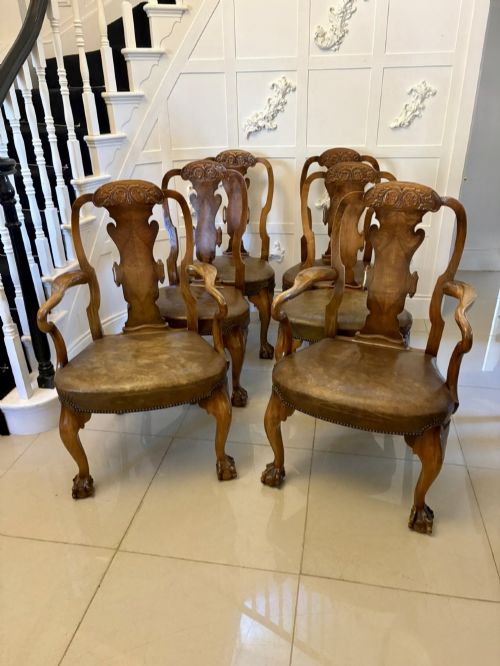
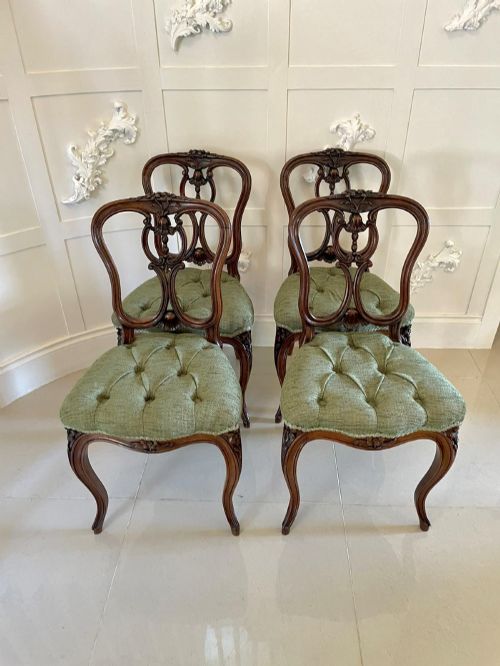
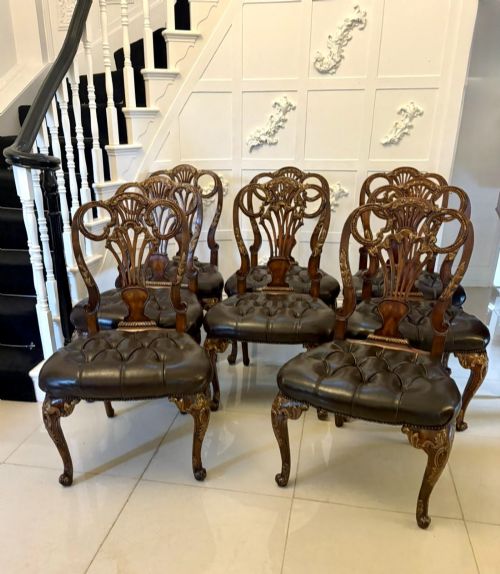
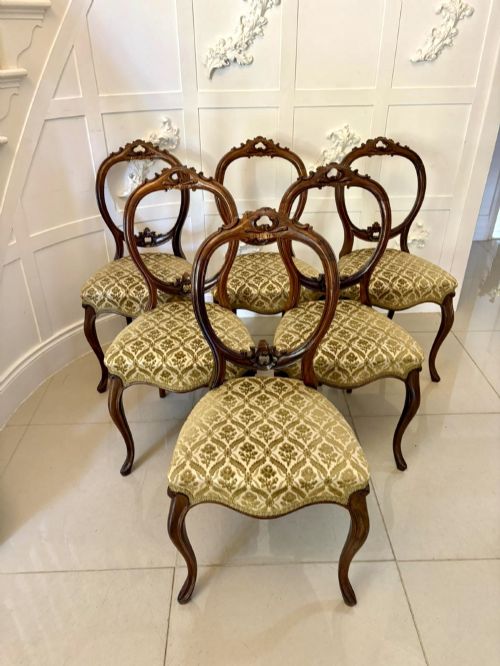
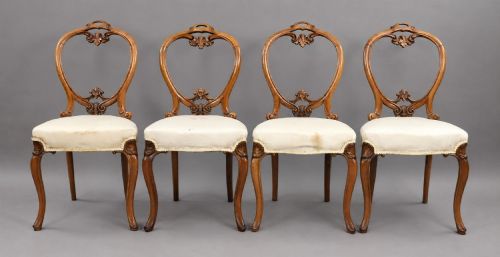
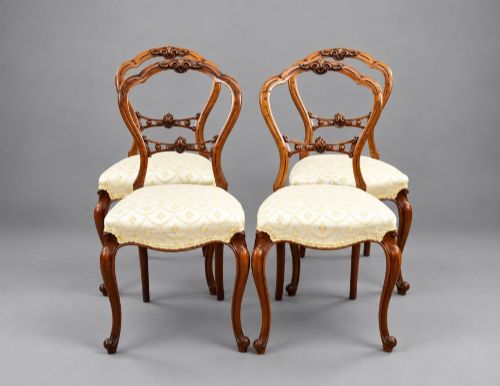
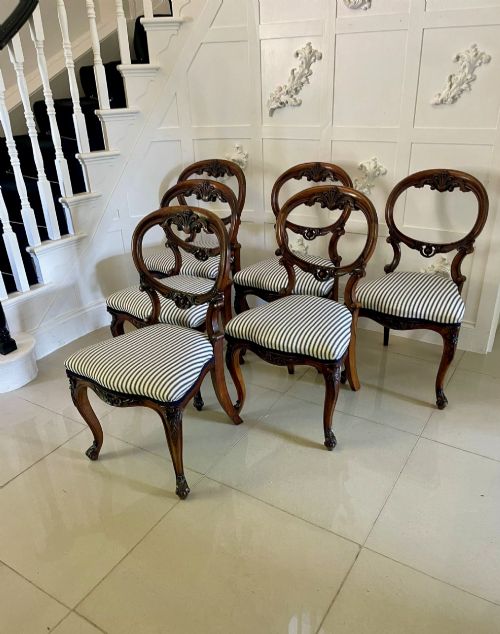
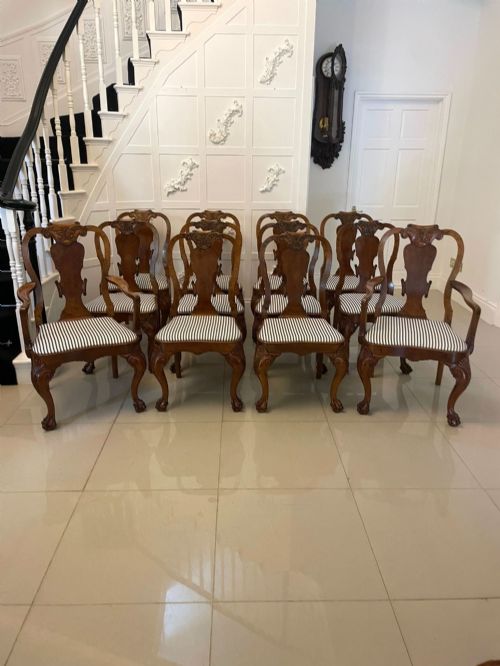
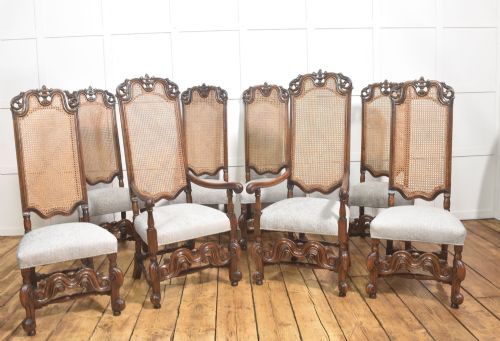
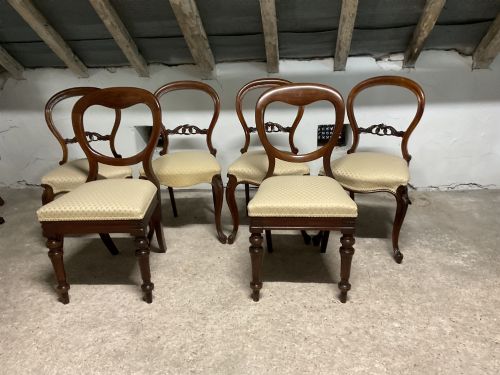
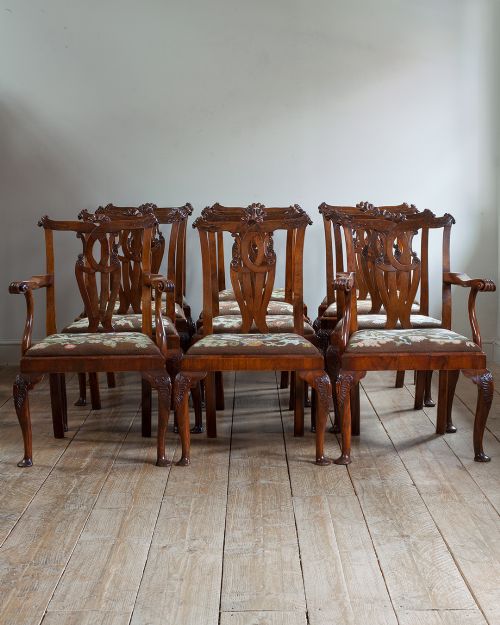
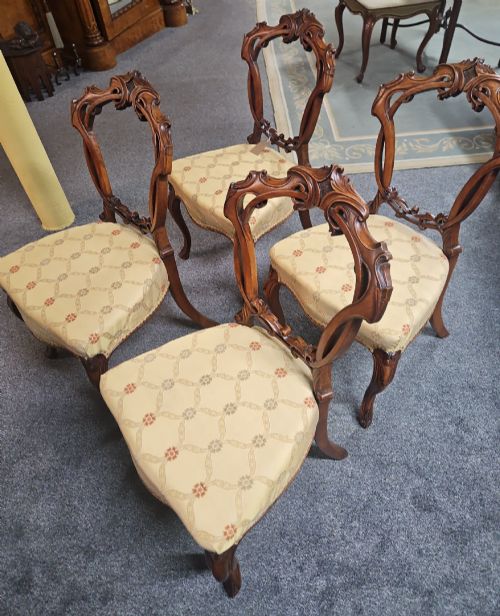
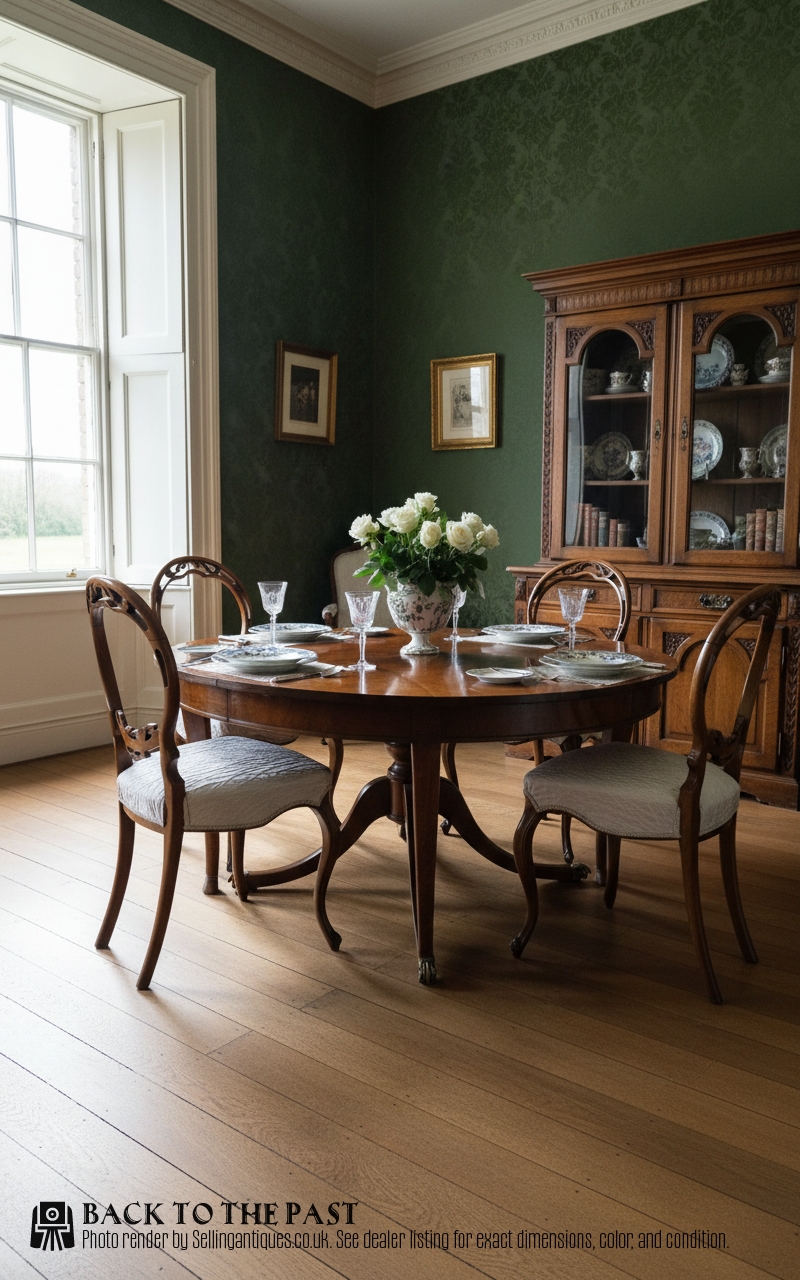
A carved walnut chair set primarily comprises matching groups of dining chairs, side chairs, and armchairs originating predominantly from the Victorian and Edwardian eras, alongside pieces echoing earlier 18th century and Carolean aesthetics. The most frequent discoveries on this page are Victorian dining chair sets featuring balloon back designs or elaborate carved frames.
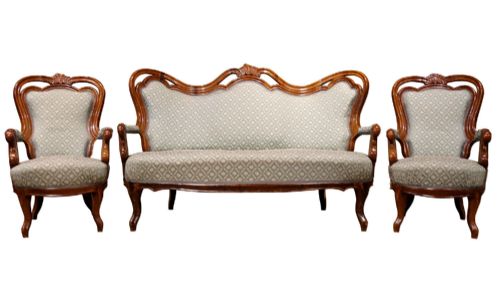
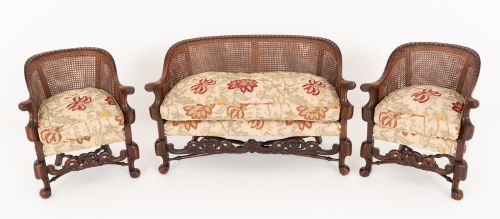
Beyond standard dining arrangements, the inventory extends to larger salon suites, drawing room groupings, and three-piece sets incorporating armchairs, side chairs, and sofas. These groupings reflect the formal entertaining habits of the nineteenth and early twentieth centuries, constructed to furnish unified reception spaces.
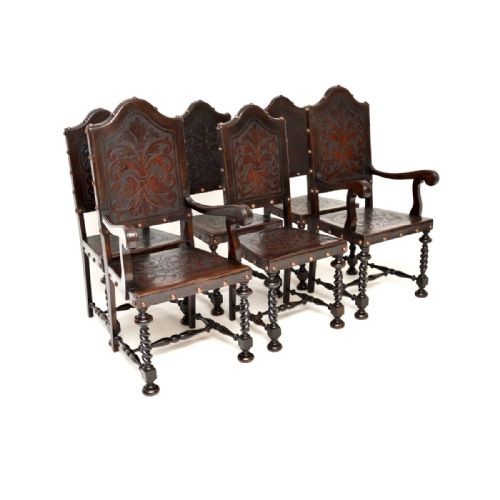
Origins vary from English workshops to continental European makers, encompassing specific regional tastes such as French Rococo Revival, Italian carving styles, and Spanish designs. Buyers encounter everything from intimate sets of four to extensive dining groups numbering twelve pieces.
Materials and Construction
Walnut serves as the primary structural timber across these sets, prized for its rich grain and suitability for deep, intricate relief carving. Cabinet makers frequently utilised burr walnut veneers on prominent surfaces like splat backs to add visual movement and depth.
Upholstery materials play an integral role in the construction, featuring historic and contemporary textiles including velvet, embossed leather, fabric, and traditional squab cushioning secured with brass detailing. Frames often incorporate structural reinforcement using hidden joinery to support the substantial weight of solid wood components and applied gilding where specified.
Several dining sets include secret carved animal motifs hidden amongst the scrolling foliage of the high walnut backs.
Distinctions in Execution
The standard of a carved walnut chair set is defined by the depth, crispness, and hand-carved detail of the ornamentation on the crest rails and splats. Superior examples display fluid, deeply undercut foliage and scrolls rather than shallow, mechanical milling.
Uniformity across the entire grouping marks the distinction between ordinary sets and exhibition quality pieces. Consistent grain matching, identical proportions across all chairs, and the preservation of original frames without mismatched replacements elevate the standing of a suite.
The Carved Walnut Chair Set Glossary
- Balloon back
- A chair back shaped in a continuous oval curve resembling a balloon, highly popular during the Victorian period. This form provides ergonomic support while offering a canvas for carved woodwork.
- Carolean
- A revival style referencing the reign of Charles II, characterised by rich carving, scrolling foliage, and crown motifs. Pieces in this taste often feature high backs and intricate pierced splats.
- Salon suite
- A matching set of upholstered seating comprising a sofa and multiple armchairs or side chairs designed for formal reception rooms. These suites display unified decorative themes throughout every piece.
- Burr walnut
- Timber sliced from walnut tree growths containing distorted grain patterns that create swirling, highly decorative circular motifs. It is typically applied as a veneer on prominent chair panels.
- Splati
- The vertical central strip of wood within a chair back connecting the seat to the top rail. In antique walnut seating, splats frequently feature elaborate carving or pierced designs.
Carved Walnut Chair Set: Frequently Asked Questions
Can I use these chairs for daily dining?
Most antique walnut dining chairs are structurally robust enough for regular daily use provided they are treated with reasonable care. Solid walnut frames offer lasting strength, though older joinery should be checked periodically by a professional.
Avoid placing heavy loads on delicate open-carved crest rails or antique upholstered arms. Gentle use ensures these historic seating groups remain functional for generations to come.
How do I identify Victorian balloon back chairs?
Look for the characteristic rounded oval frame enclosing the upper back above a solid wooden seat or upholstered pad. This specific silhouette dominated mid-nineteenth-century domestic seating across Britain.
Inspect the junction where the back meets the seat for traditional peg joinery and hand-carved walnut motifs. Subtle variations in the curvature often indicate whether a set originated in an English workshop or on the continent.
What defines the Carolean revival style?
The Carolean style draws inspiration from late seventeenth-century Restoration furniture, featuring heavily carved frames and intricate scrollwork. These pieces typically present high, narrow backs adorned with crown and putti motifs.
Original examples from the revival period incorporate dark walnut timbers and often feature cane panels or rich upholstery. The exuberant carving sets them apart from the simpler geometric lines of earlier periods.