





Carved Wall Box
A carved wall box is a piece of utility turned ornamental, made to hold candles, salt or bread within reach.
Carved Wall Box
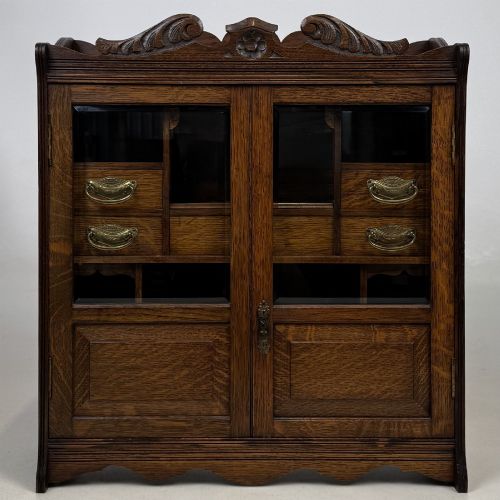
A carved wall box serves as a functional storage piece designed to hang securely in domestic spaces. These items range from simple eighteenth century candle boxes to elaborate walnut panetieres and small oak wall cabinets.
The selections here draw heavily from seventeenth, eighteenth and nineteenth century periods, utilising traditional British and continental woods. Buyers will frequently encounter oak and walnut forms intended to clear surfaces while adding texture to interior walls.
How they were made
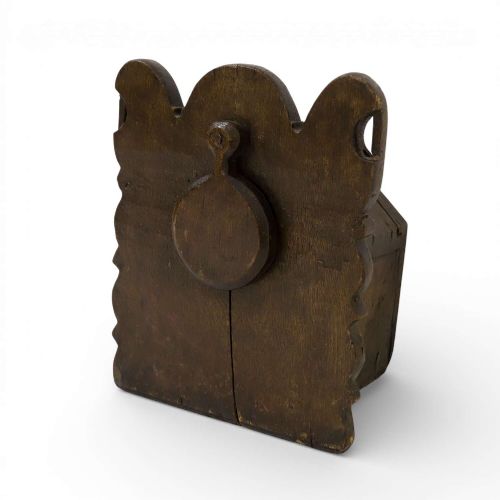
Craftsmen shaped these items using solid timbers such as oak, walnut, mahogany and fruitwood, often joining them with pegged mortise and tenon joints or dovetails. Surfaces display hand carving, scratch moulding and turned finials executed with basic bench tools.
Hardware played a practical role, incorporating original iron hinges, brass latches and glass panels where contents needed protection or visibility. Paint traces and natural wax finishes reveal the straightforward methods of early domestic joinery.
Carved Wall Box Retail Price Guide 2026
Typical asking prices for carved wall box among the pieces listed under this phrase on Sellingantiques today, from the lower quarter to the upper quarter. They describe what is for sale here now, not the wider market.
Listings feature oak, walnut, mahogany and fruitwood across seventeenth, eighteenth and nineteenth century periods.
What varies in quality
Quality rests on the crispness of the hand carving and the integrity of the timber used by the maker. Thick panels and deep relief work separate substantial utility pieces from simpler vernacular items.
The survival of original iron or brass hardware dictates the overall merit of a piece. Retained surface patination, such as early red paint traces or unblemished wax finishes, elevates an ordinary wall box above later altered examples.
The Carved Wall Box Glossary
- Panetiere
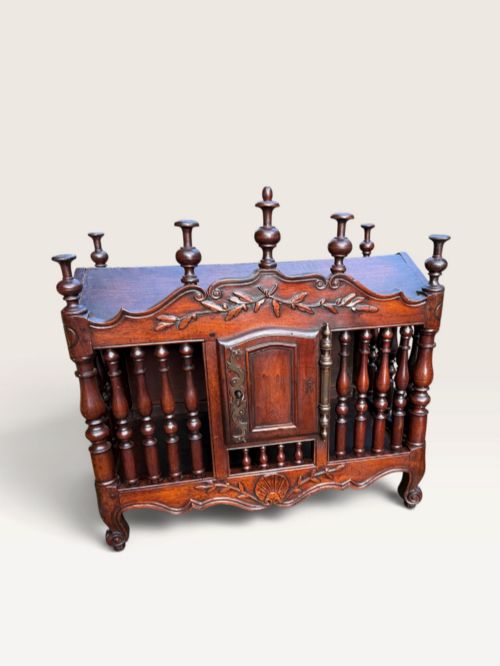
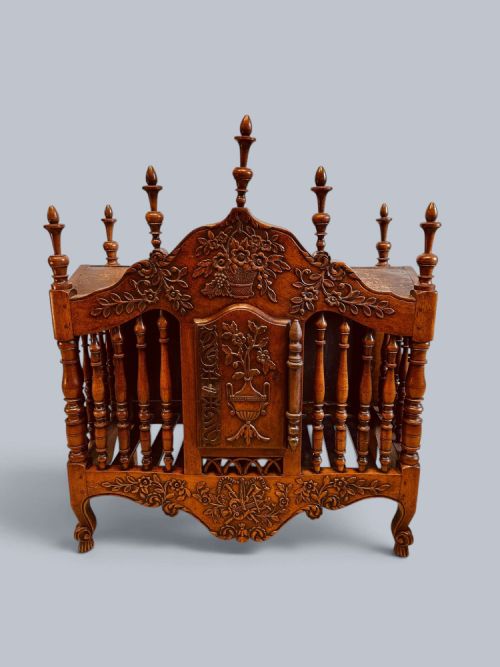
- A traditional French wall-mounted bread cage or cupboard designed with turned spindles to allow air circulation around loaves. These walnut or fruitwood pieces often feature carved details and finials.
- Salt box
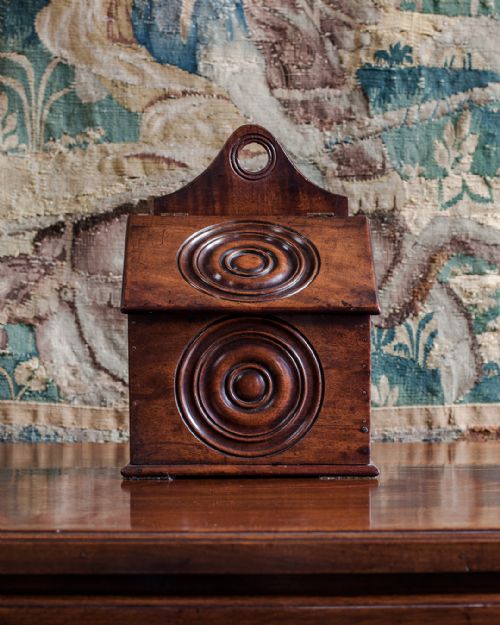
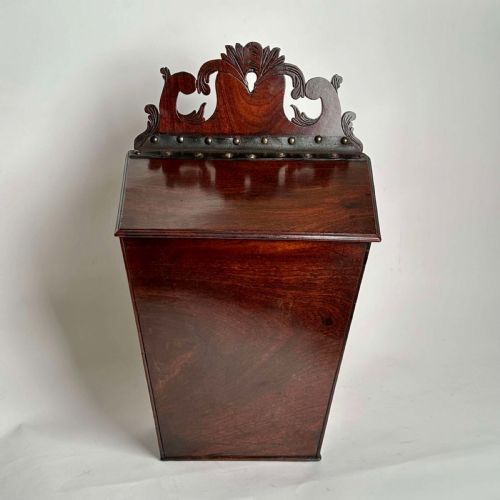
- A domestic wall-hanging container with a sloping lid, built to keep salt dry near a hearth. They are commonly fashioned from oak or mahogany with hinged wooden or iron fixings.
- Candle box
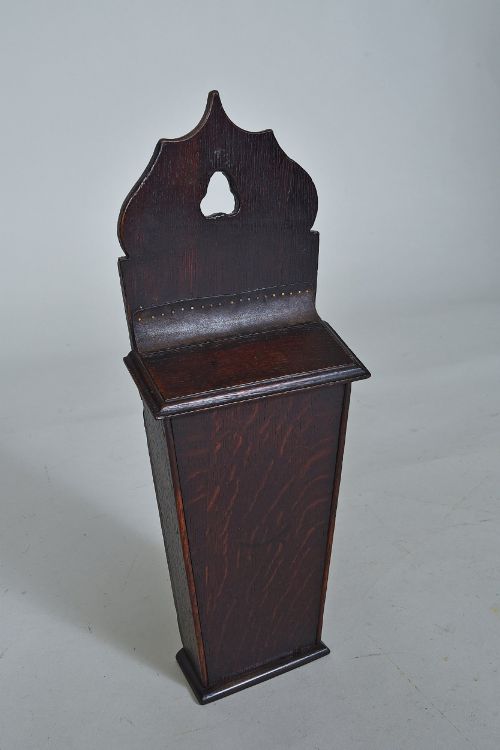
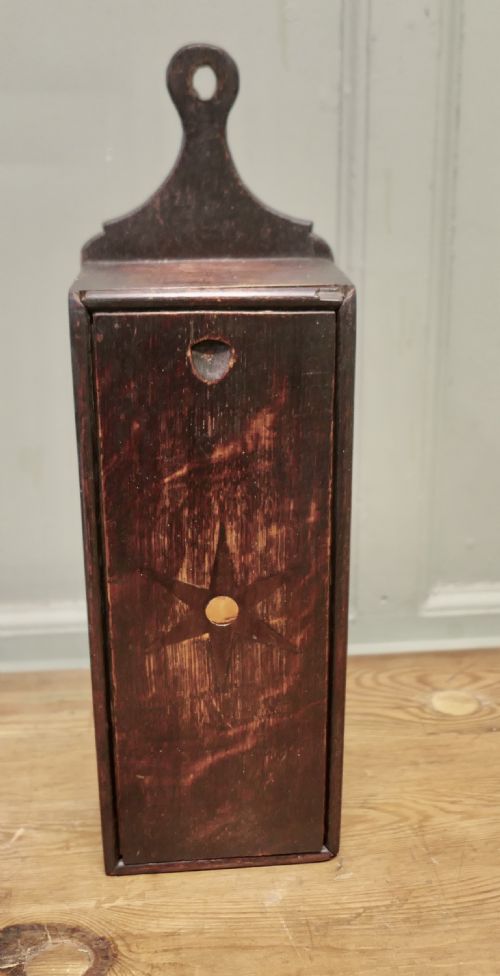
- A narrow hanging receptacle shaped to protect tallow or wax candles from dust and pests. Most examples seen here date from the eighteenth century and rely on sliding lids or hinged doors.
- Tramp art
- A style of carving utilising inexpensive materials, frequently cigar box wood, notched and layered with pocket knives. Wall boxes in this manner show repetitive geometric chip-carving patterns.
- Diorama
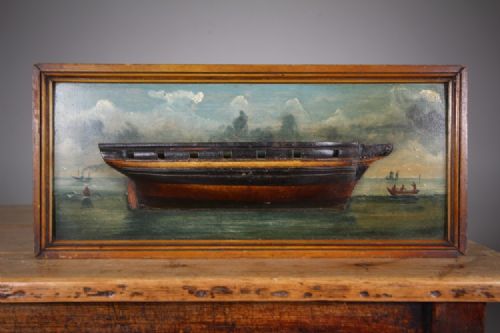
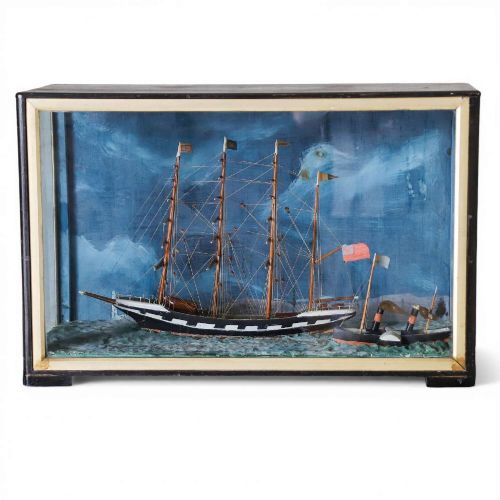
- A three-dimensional scenic display enclosed within a glazed wooden box, often depicting maritime subjects like sailing ships at sea. These items combine carved wooden hulls with painted backgrounds.
Carved Wall Box: Frequently Asked Questions
How were salt boxes used?
Salt boxes hung near the kitchen hearth to keep salt dry and easily accessible for daily cooking. The sloping lid allowed cooks to scoop out salt quickly with one hand.
Over time, exposure to kitchen smoke helped build a deep patina on the wood. These practical containers eventually transitioned into decorative wall hung pieces.
What is a French panetiere?
A panetiere is a specialised wall mounted cabinet originating in France to store and protect bread from rodents. The distinctive spindle sides permitted ventilation so the bread stayed fresh.
Wealthier households used walnut versions decorated with carved panels and turned finials. They served as both functional furniture and a display of domestic standing.
How do I hang a heavy oak wall box?
Most antique wall boxes feature original hanging slots or sturdy wooden brackets built into the back panel. Fixing them securely requires matching the weight of the box to appropriate wall anchors.
Distributing the load prevents strain on ancient joints and old timber. Placing them away from direct heat sources also protects the wood from splitting.
What is tramp art?
Tramp art is a form of decorative woodwork created by layering notched and carved chips of wood. Makers typically used scrap materials like discarded cigar boxes and simple pocket knives.
These textured pieces often took the form of small wall boxes and frames. The style relies on patience and geometric layering rather than expensive timber.