


Carved Timber Entry Chair
A carved timber entry chair stands ready in the hallway, offering a sculptural seat that welcomes visitors.
Carved Timber Entry Chair
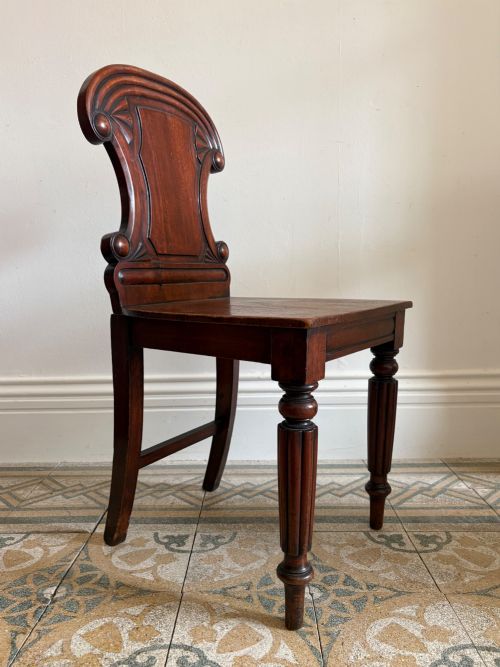
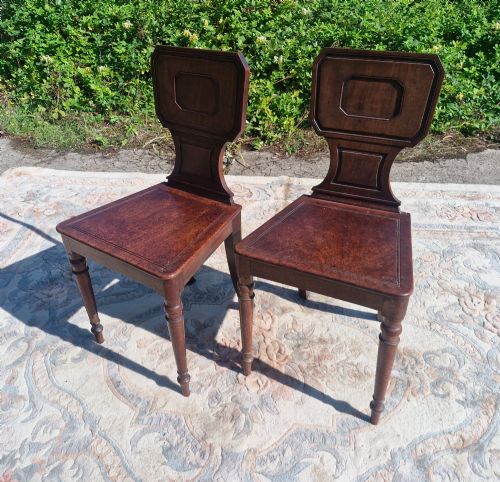
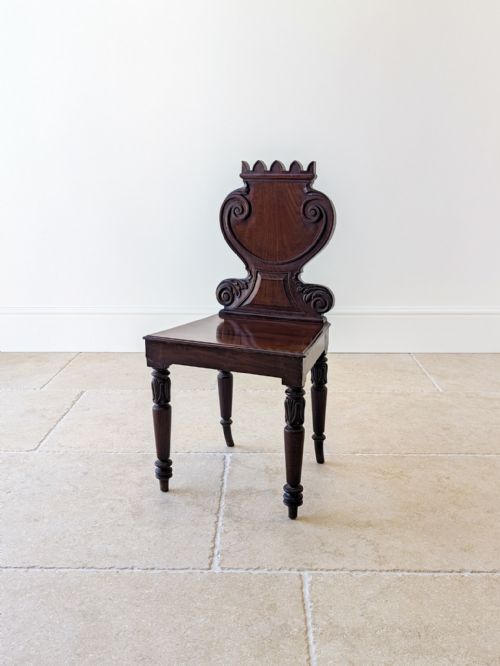
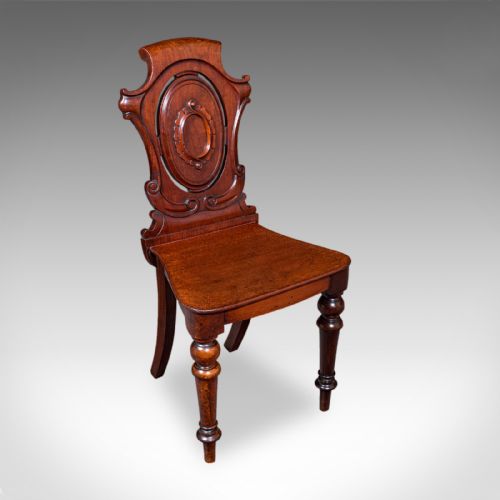
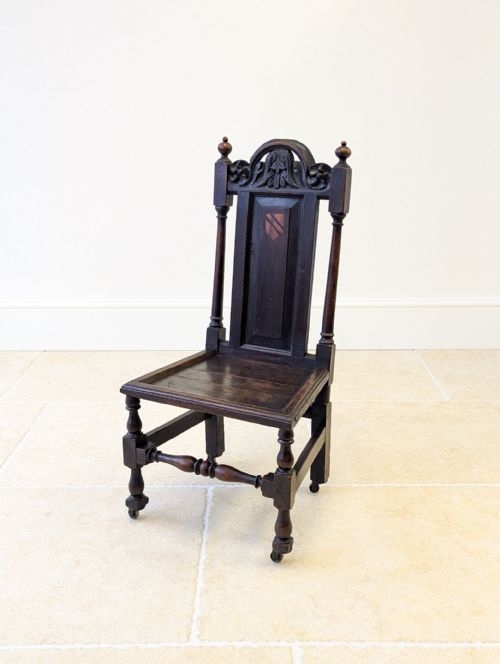
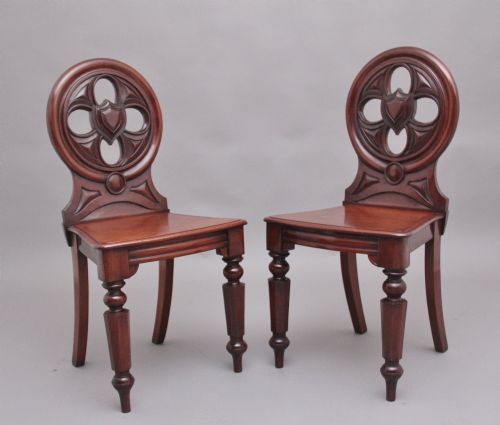
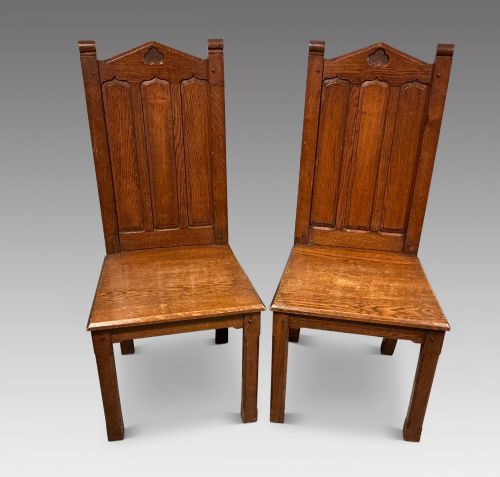
A carved timber entry chair typically takes the form of a rigid wooden seat designed for corridors, reception spaces and hallways rather than comfortable lounging. These pieces are intended to be admired visually and utilised briefly, featuring upright wooden backs that showcase intricate carving.
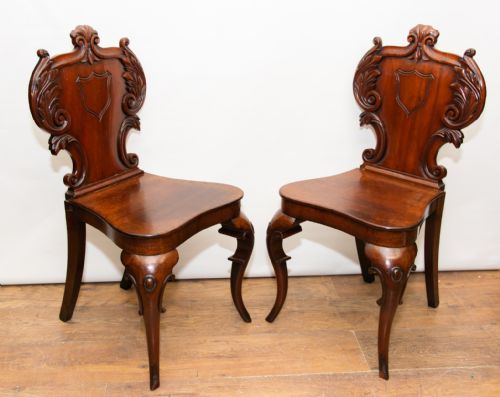
The selections available span from the geometric lines of the Georgian period through to the elaborate ornamentation of the Victorian era. Mahogany and oak dominate the forms, frequently appearing as matched pairs suited for symmetrical placement against a hallway wall.
Materials and Construction Methods
Cabinetmakers built these seats primarily using dense hardwoods such as mahogany, oak and walnut, which provided the structural integrity needed for deep relief carving. Solid timber panels formed the rigid backs, often shaped into shields or rounded shells before receiving hand-carved details.
Joints were typically secured using traditional timber joinery methods, while occasional pieces incorporated brass hardware or ceramic elements. The surfaces relied on the natural grain of the timber, polished to highlight the depth of the carved motifs.
Early visitors used these rigid wooden perches while waiting in drafty halls, proving that historical etiquette demanded a stiff spine.
Distinctions in Execution and Design
Quality in these seats rests upon the crispness and depth of the carved timber work. Finer examples display precise hand-chiseled details in shield backs, shells or foliage, whereas simpler versions rely on basic turned legs and minimal surface decoration.
The choice of primary wood also dictates standing, with dense figured mahogany and richly grained oak commanding greater appreciation than plain secondary timbers. The presence of documented workshop attribution elevates certain specimens above standard production pieces.
Holland & Sons·Gillows
The Carved Timber Entry Chair Glossary
- Hall Chair
- A rigid wooden seat designed for occasional use in corridors and entranceways rather than long periods of sitting.
- Shield Back
- A chair back shaped in the silhouette of a heraldic shield, frequently carved with central motifs or crests.
- Shell Back
- A decorative carved design resembling a scalloped seashell, popular on the upper panels of early timber seats.
- Jacobean Revival
- A nineteenth-century style imitating seventeenth-century British furniture through heavy proportions and geometric carved patterns.
- Gothic Revival
- An architectural and decorative style drawing inspiration from medieval ecclesiastical forms, featuring pointed arches and tracery.
Carved Timber Entry Chair: Frequently Asked Questions
Where should I place a hall chair?
These seats suit narrow spaces such as corridors, entryways and stair landings where deep furniture would obstruct movement. Because they lack upholstered cushions, they function primarily as sculptural accents rather than lounge seating.
Pairs look particularly balanced when positioned symmetrically against a hallway wall or flanking a console table.
How do I care for antique timber?
Maintain the wood by dusting with a dry cloth and avoiding direct sunlight, which can fade polished mahogany and oak surfaces. Keep the timber away from rapid temperature shifts and radiators to prevent splitting.
Applying a traditional beeswax polish periodically helps nourish the grain without building up heavy chemical residue.
Are these chairs comfortable for daily sitting?
They are deliberately built with upright wooden seats and rigid backs, designed for brief waits rather than relaxation. Eighteenth and nineteenth-century households used them in hallways for guests or callers who remained standing.
If you require long-term seating comfort, you will want to add a loose cushion to the wooden base.
How can I tell a Georgian chair from a Victorian one?
Georgian examples from the eighteenth and early nineteenth centuries generally exhibit restrained classical proportions and refined mahogany carving. Victorian pieces made after eighteen thirty often display heavier proportions alongside revival styles like Gothic or Jacobean.
Examining the grain, the joinery methods and the specific carved motifs helps clarify the likely period of manufacture.