



Carved Timber Coffee Table
A carved timber coffee table brings deeply figured grain, intricate relief work and grounded utility into a room.
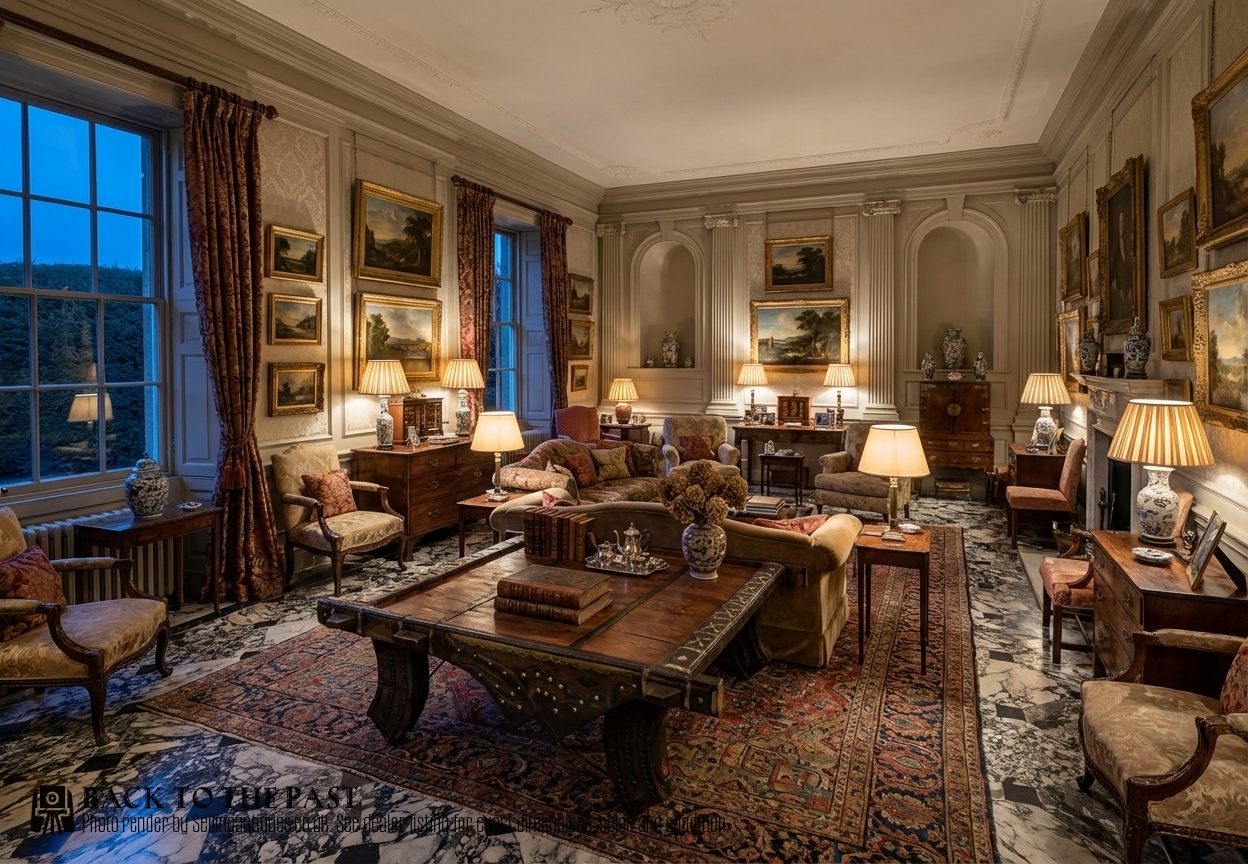
Carved Timber Coffee Table
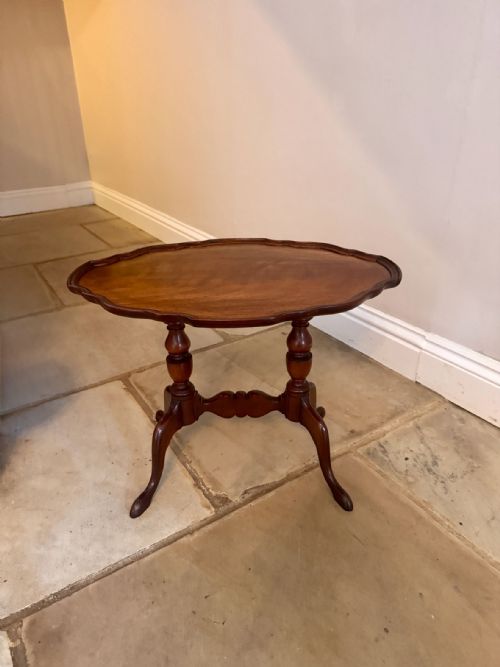
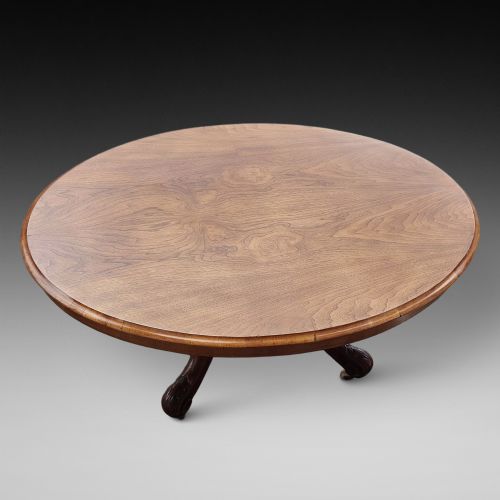
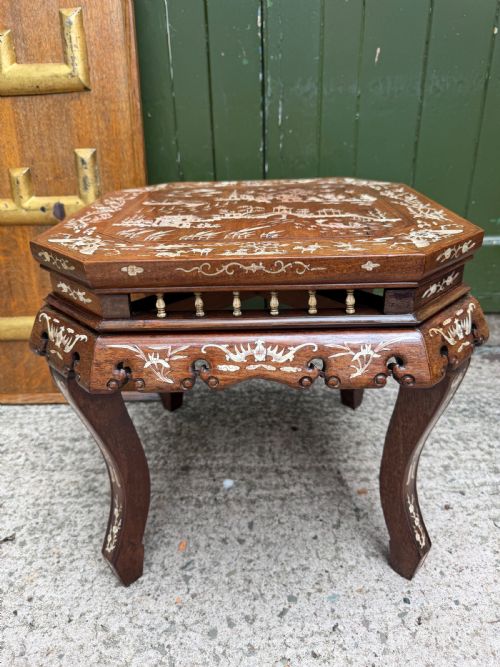
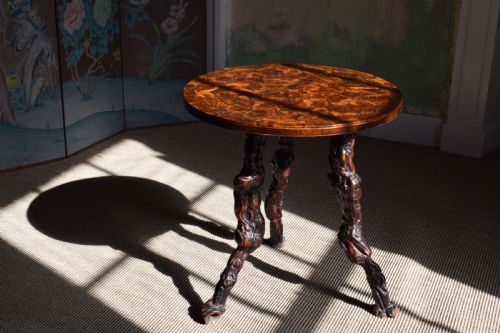
A carved timber coffee table spans low surface forms adapted from nineteenth-century Indian takhats, Chinese scholar's tables, Scandinavian country benches and British occasional furniture. You encounter examples ranging from heavy hardwood elephant tables and octagonal side pieces to painted Danish surfaces and sculptural walnut designs.
The selection encompasses diverse regional origins including Anglo-Indian, Burmese, Chinese, Austrian and English workshops across the eighteenth, nineteenth and early twentieth centuries. Low tables, nests, trunks and side tables frequently serve the modern coffee table function through their height and proportions.
How they were made
Construction relies heavily on dense timbers such as teak, rosewood, walnut, oak, mahogany and fruitwood, sometimes accented with brass, iron or bone inlay. Artisans shaped these materials using hand carving techniques to execute complex figural motifs, grape vines, and geometric borders.
Joinery methods reflect regional traditions, from traditional Chinese recessed-leg framing to heavy European turning and rustic pegged construction. Surfaces often receive ebonised finishes, hand painting, or waxed polishes that highlight the natural figure of the hardwood.
Carved Timber Coffee Table Retail Price Guide 2026
Typical asking prices for carved timber coffee table among the pieces listed under this phrase on Sellingantiques today, from the lower quarter to the upper quarter. They describe what is for sale here now, not the wider market.
Geographic origins span Anglo-Indian, Chinese, Japanese, Danish, Austrian, and English workshops, encompassing coffee tables, trunks, and nests.
What varies in quality
Quality reveals itself in the depth and sharpness of the hand carving, where crisp undercutting distinguishes master work from softer, mechanical relief. The choice and stability of the timber, particularly dense rosewood, hongmu or figured walnut, dictate the physical weight and enduring structural integrity of the table.
Design cohesion also separates standard regional pieces from exceptional examples, such as those retailed by Liberty of London or executed in specific Anglo-Japanese and Qing Dynasty styles. Original patination and the survival of integrated secondary materials like bone or brass elements elevate a piece.
Liberty of London
The Carved Timber Coffee Table Glossary
- Takhat
- A low, heavy Indian platform table traditionally used for seating or resting objects. These low surfaces provide generous proportions well suited to contemporary living rooms.
- Hongmu
- A category of dense, dark Chinese hardwoods prized for furniture making. This heavy material accepts fine detail work and develops a deep natural sheen over time.
- Japonisme
- A nineteenth-century European artistic movement influenced by Japanese art and design. Pieces in this style incorporate asymmetric layouts and naturalistic motifs.
- Trefoil
- A three-lobed decorative ornament resembling a clover leaf. You find this shape utilised in the top profiles and leg assemblies of Arts and Crafts furniture.
Carved Timber Coffee Table: Frequently Asked Questions
How do I style a carved timber coffee table?
A carved timber coffee table works well as a central anchor in a room with neutral upholstery, allowing the detailed relief work and rich wood tones to stand out.
Keep surface styling minimal to let the craftsmanship of the timber grain and carved borders remain visible.
Are these tables suitable for everyday use?
Most of these pieces were originally built as side tables, low platforms, or scholar's stands rather than standard modern lounge tables. Their solid hardwood construction nonetheless provides sturdy daily utility.
Use coasters and protective pads to safeguard antique polish and hand-carved surfaces from moisture and heat.
How do I identify the period of a carved table?
Dating relies on examining the timber species, joinery methods, tool marks left by hand carving, and stylistic markers such as Anglo-Indian motifs or Qing Dynasty proportions.
Comparative analysis of regional forms, from nineteenth-century Burmese work to eighteenth-century European fruitwood, helps establish a reliable timeframe.
What is an opium table?
An opium table is a traditional low surface originating in East Asia, designed for use while seated on floor mats or cushions. Their compact height and sturdy proportions make them practical for modern coffee table placement.
These pieces often feature simple recessed legs and solid hardwood construction.