

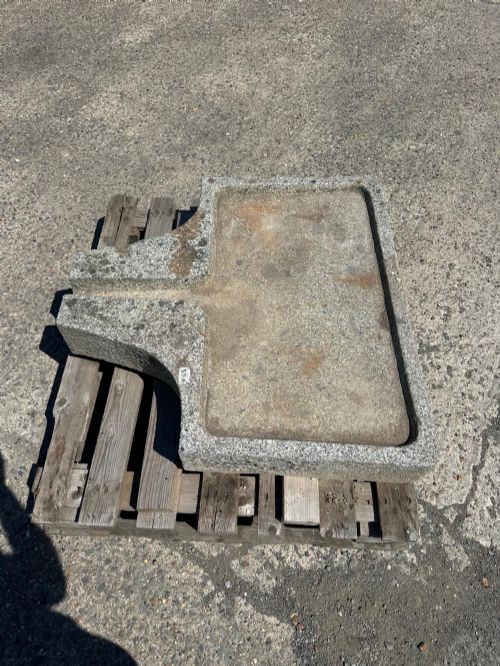

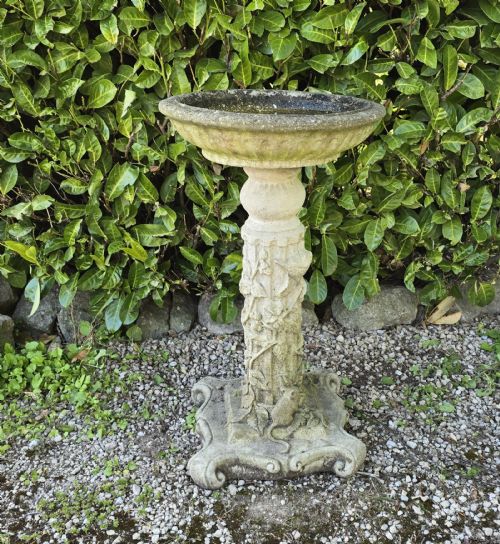


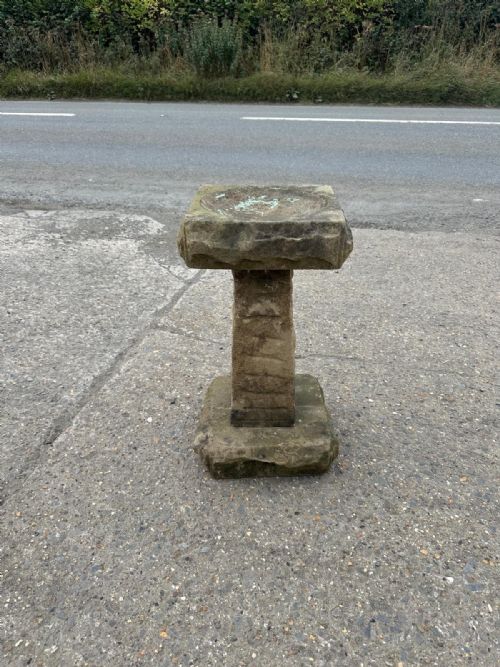


Carved Stone Garden Feature
A carved stone garden feature anchors an outdoor space with genuine age, ranging from robust agricultural relics to classical garden ornaments.
Carved Stone Garden Feature
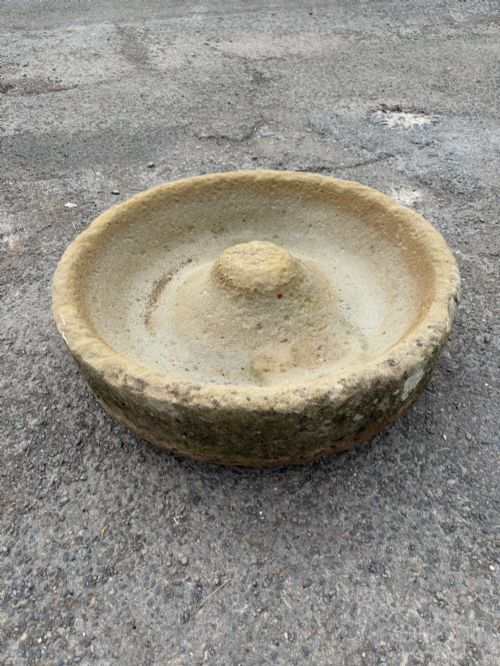
When you search for a carved stone garden feature, you encounter heavy functional antiques and decorative garden ornaments originating from the eighteenth, nineteenth, and early twentieth centuries. The selection spans utilitarian farm survivals like staddle stones and millstones alongside classical birdbaths, planters, and architectural salvage.
You are most likely to meet weathered granite staddle stones and sandstone mill components on this page, reflecting agricultural heritage. Pieces range from rustic vernacular items to neoclassical revivals, often bearing mature surfaces of moss and lichen developed over decades outdoors.
Materials and construction methods
Stonemasons shaped these items directly from natural deposits using hard-wearing geological materials including granite, sandstone, limestone, Purbeck stone, and marble. Utility and permanence dictated the choice of stone, ensuring resistance to frost and weathering.
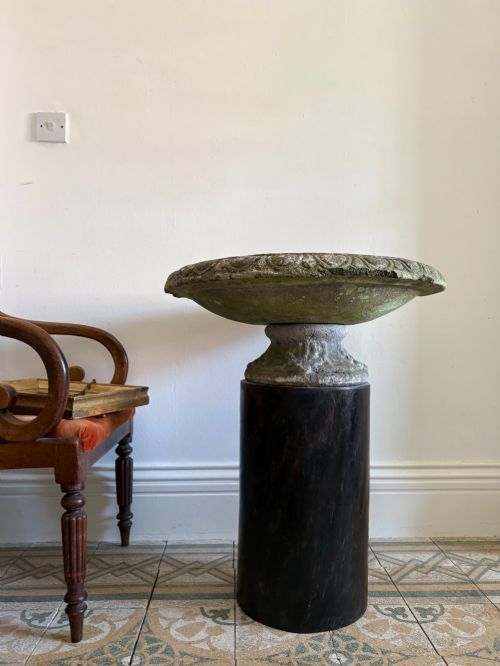
Alternative forms utilise cast stone and reconstituted stone poured into moulds to achieve classical profiles like Roman funerary altars and neoclassical birdbaths. Forged iron handles and tethering attachments were sometimes incorporated into functional agricultural stones.
Carved Stone Garden Feature Retail Price Guide 2026
Typical asking prices for carved stone garden feature among the pieces listed under this phrase on Sellingantiques today, from the lower quarter to the upper quarter. They describe what is for sale here now, not the wider market.
Listings incorporate nineteenth century items alongside eighteenth century vernacular antiques and Edwardian cast stone pieces.
Assessing quality in stone items
Quality rests in the geological integrity of the material and the crispness or honesty of the original hand-carved execution. Natural geological variation means denser granites and hard sandstones weather more predictably than softer limestone formations.
The character of the surface patination distinguishes superior examples, where decades of organic growth such as moss and lichen integrate naturally with the carved profile. Proportion and architectural balance separate plain agricultural utility from refined neoclassical design.
The Carved Stone Garden Feature Glossary
- Staddlestone
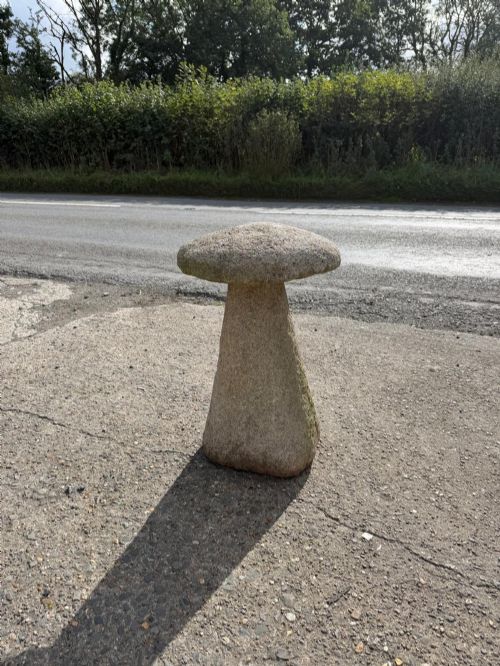
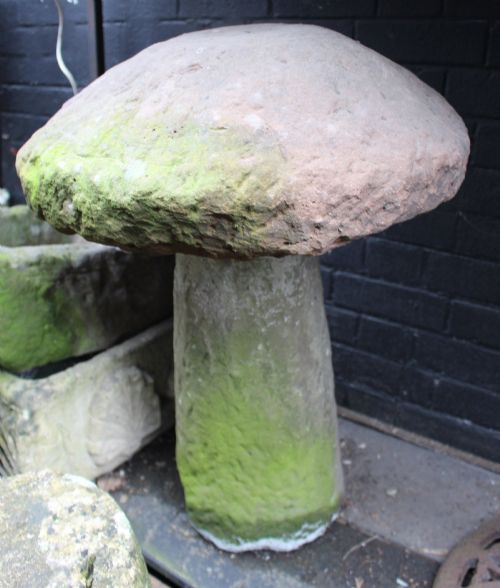
- A mushroom-shaped support stone originally used to raise granaries and barns off the ground to keep damp and vermin away. These are typically hewn from granite or sandstone.
- Millstone
- A heavy circular stone disc used in pairs for grinding grain or minerals. They feature central eyes and characteristic radial grooves.
- Cast stone
- A refined building product manufactured from aggregate and binder to emulate natural cut stone. It became popular for architectural ornaments during the nineteenth and twentieth centuries.
- Weathering
- The natural surface degradation and biological colonisation caused by exposure to the elements. This process produces desirable patination on external stone.
- Neoclassical
- A style drawing on the classical art and architecture of ancient Greece and Rome. It appears on this page in birdbaths, planters, and funereal altars.
Carved Stone Garden Feature: Frequently Asked Questions
What is a staddle stone used for?
Originally, staddle stones served as sturdy support pillars for wooden granaries, lifting agricultural storage buildings clear of damp soil and preventing rodents from climbing inside.
Today, they are placed in gardens as sculptural focal points or paired together to support low timber structures like pergolas and garden benches.
How do I care for antique stone?
Antique stone requires very little maintenance because the materials are naturally robust and designed to withstand permanent outdoor exposure. Allowing moss and lichen to develop adds desirable historic character.
Avoid using harsh chemical cleaners or pressure washers, as these aggressive methods strip away centuries of natural weathering and damage the stone surface.
Are millstones very heavy?
Millstones and grindstones are exceptionally dense masses of solid granite, sandstone, or limestone designed to crush heavy grain. Their immense weight is essential for their original industrial function.
Specialist lifting equipment and careful route planning are necessary when positioning them in a garden landscape.
How can I tell natural stone from cast stone?
Natural stone displays random geological veining, tool marks from the mason's chisel, and variations unique to the quarried block. Granite and sandstone show crystalline structures or granular bedding planes.
Cast stone often reveals a uniform texture and relies on moulded repetitive details without the individual tool signatures left by hand carving.