


Carved Stone Desk
These pieces form a carved stone desk collection of functional and decorative accessories, bringing substantial weight and mineral texture to a study workspace.
Carved Stone Desk
A carved stone desk selection spans functional scholarly tools and decorative lighting items created from dense mineral substances. Buyers browsing this phrase encounter items designed to organise workspace equipment or illuminate a surface through natural geological forms.
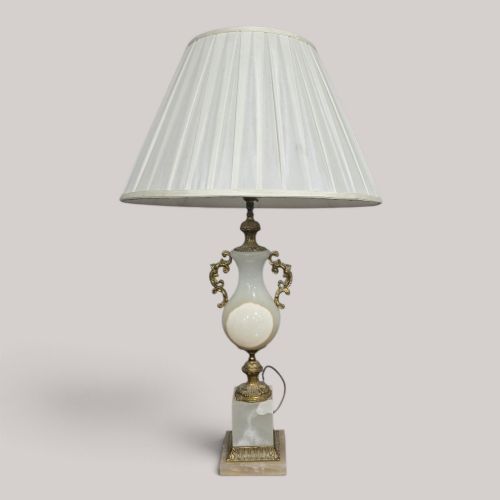
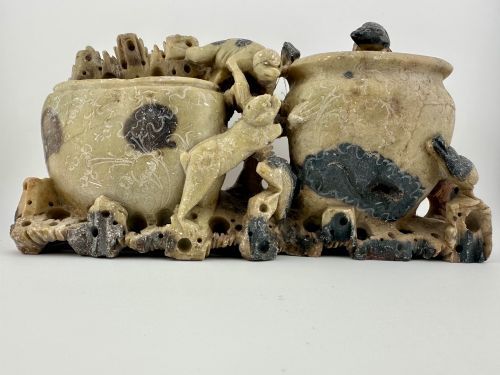
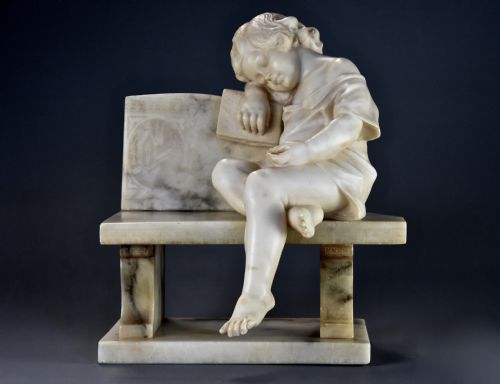
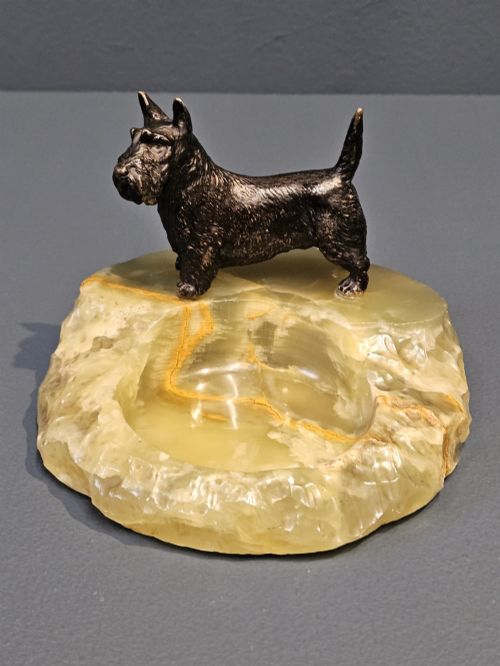
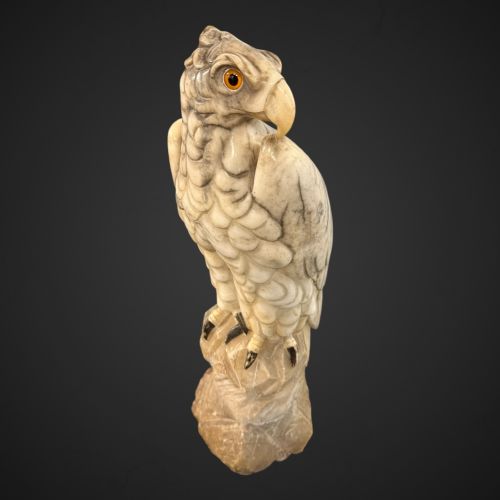
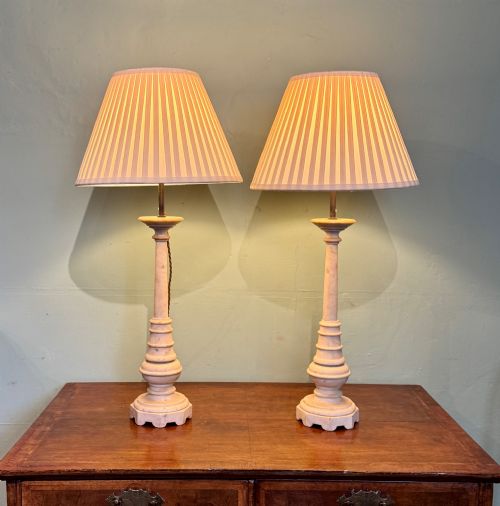
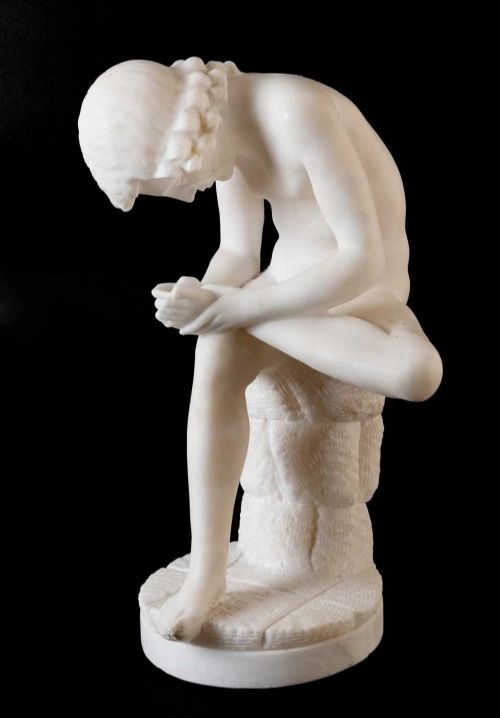
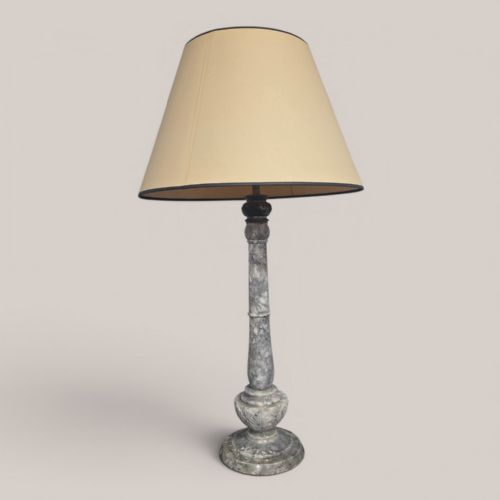
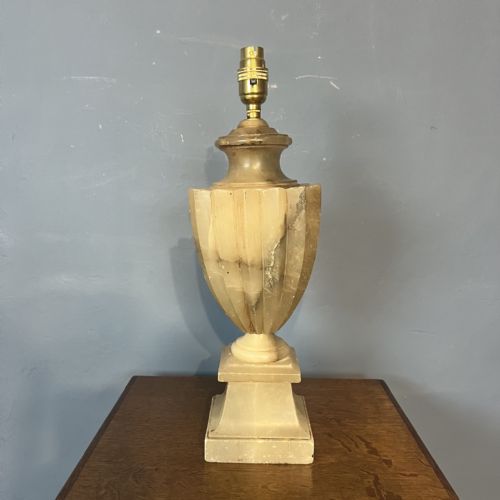
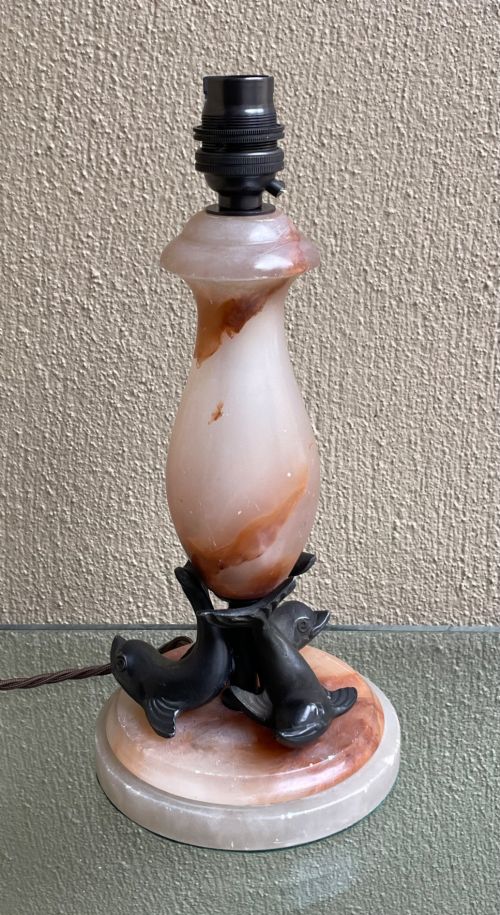
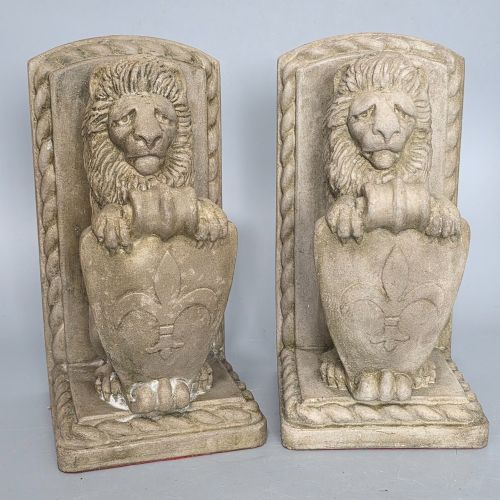
The objects originating from these listings heavily favour lighting and scholar's desk items from the nineteenth and early twentieth centuries. Alabaster table lamps, marble bookends, and soapstone brush washers dominate the physical forms observed across the inventory.
Materials and carving techniques
Alabaster, marble, soapstone, and jade serve as the primary geological substances shaped by makers. Artisans utilise chisels and abrasive polishing methods to transform raw mineral blocks into smooth sculptures, seals, and lamp bodies.
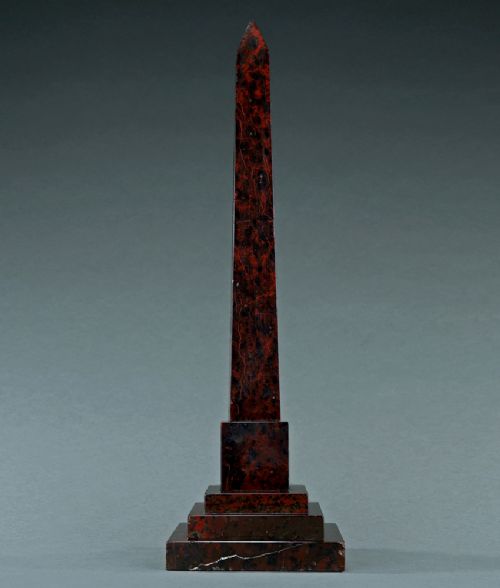
Inlaid stone techniques appear in desk pieces and inkstands, combining contrasting marbles and lapislazuli into geometric or figurative patterns. Surface treatments range from matte soapstone finishes to high-gloss polished Carrara and serpentine marble.
Carved Stone Desk Retail Price Guide 2026
Typical asking prices for carved stone desk among the pieces listed under this phrase on Sellingantiques today, from the lower quarter to the upper quarter. They describe what is for sale here now, not the wider market.
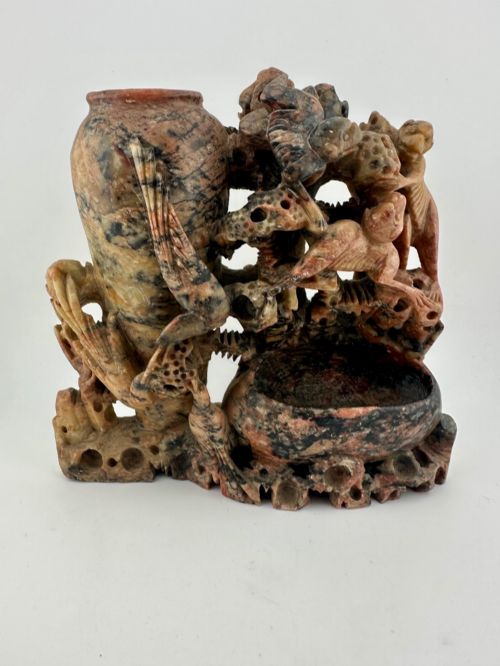
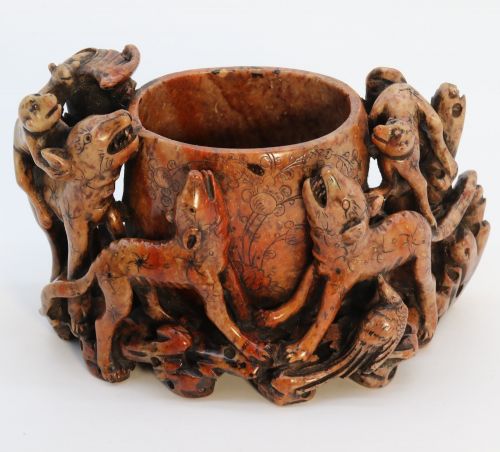
Several stone desk pieces double as miniature menageries, populated entirely by carved marble squirrels, stone frogs, and jade lions.
Assessing quality in mineral carving
The selection of the raw stone dictates visual depth, with unblemished jade and finely veined Carrara marble representing superior material choice. Workmanship is also measured by the stability of assembled components, particularly in multi-part alabaster lamps and inlaid specimen pieces.
The Carved Stone Desk Glossary
- Soapstone
- A talc-schist mineral easily carved into intricate scholar's objects like brush washers and seals. Its softness allows for deep relief work.
- Alabaster
- A fine-grained mineral frequently utilised for table lamps and architectural figures due to its translucent quality when lit. It reacts sensitively to moisture.
- Dog of Fo
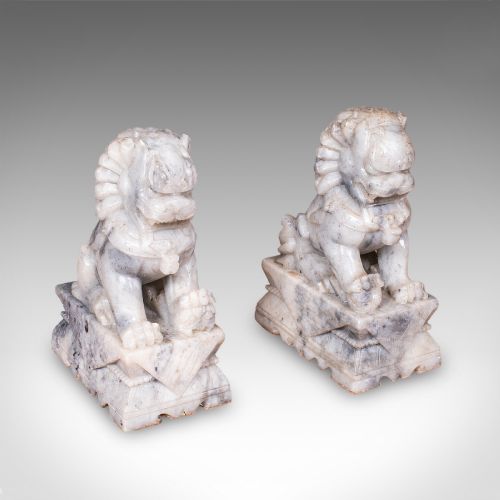
- A traditional guardian lion motif commonly sculpted from jade or soapstone for desk seals and bookends. These mythical creatures symbolise protection.
- Specimen Marble
- Multi-coloured marble fragments assembled into geometric or pictorial mosaic patterns on desk weights and inkstands. It reflects Grand Tour collecting tastes.
- Seal
- A carved stamp depicting figures or dragons, used with vermilion paste to apply signatures. Chinese examples frequently utilise soapstone or jade.
Carved Stone Desk: Frequently Asked Questions
What is a scholar's desk group?
A scholar's desk group comprises scholar's items such as brush pots, brush washers, and seals made from materials like soapstone or jade. These accessories formed the traditional toolkit for scholars in East Asian traditions.
They were employed for calligraphy and painting, serving both practical functions and meditative roles in a study. The carving often depicts symbolic animals or natural scenes.
How do I date a marble desk piece?
Dating relies on examining the tooling marks, the geological source of the marble, and stylistic indicators such as Art Deco geometry or Victorian proportions. Earlier pieces often display hand-chiseled undersides and simpler mounting hardware.
Comparative analysis with documented Grand Tour souvenirs or dated Qing dynasty carvings helps narrow the production window. Examination of any attached felt, brass fittings, or wiring provides further chronological clues.
Are soapstone carvings fragile?
Soapstone is a relatively soft stone that can chip or scratch if dropped or mishandled against hard surfaces. While sturdier than glass, protruding elements like dragon tails or lion paws require careful handling.
Display these items away from high-traffic desk edges to prevent accidental impacts. Regular dusting with a soft brush maintains the finish without risking abrasion.