



Carved Serpentine Marble
Carved serpentine marble objects bring rich mineral tones and sculptural weight into a room, spanning Grand Tour souvenirs and substantial furniture tops.
Carved Serpentine Marble
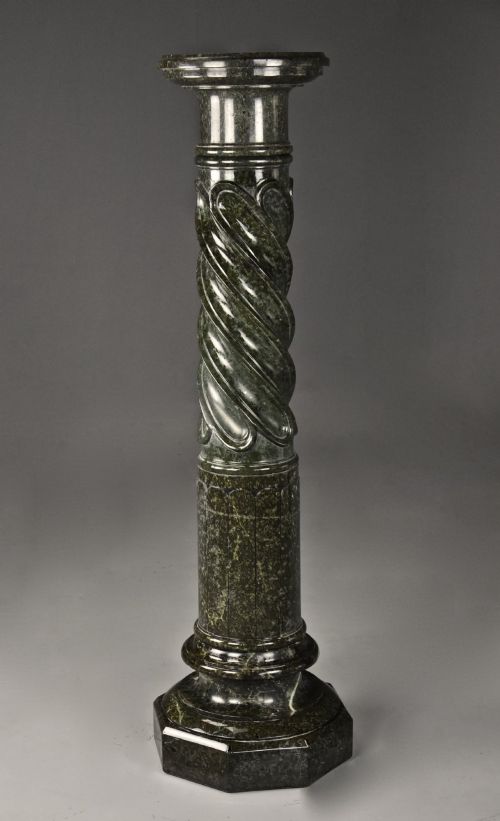
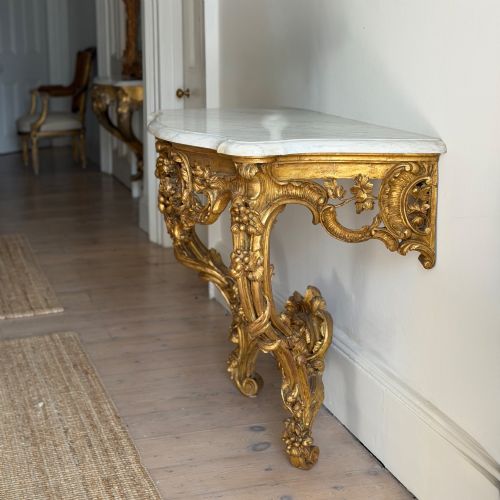
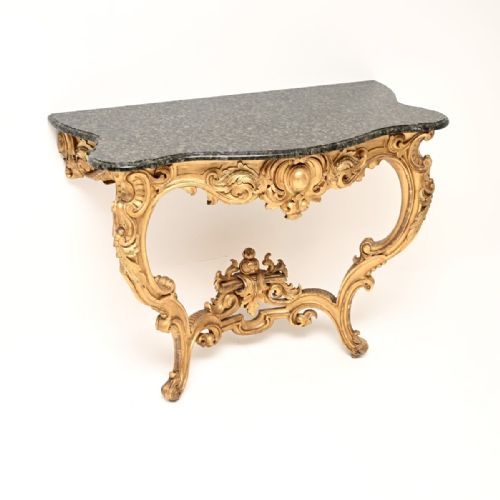
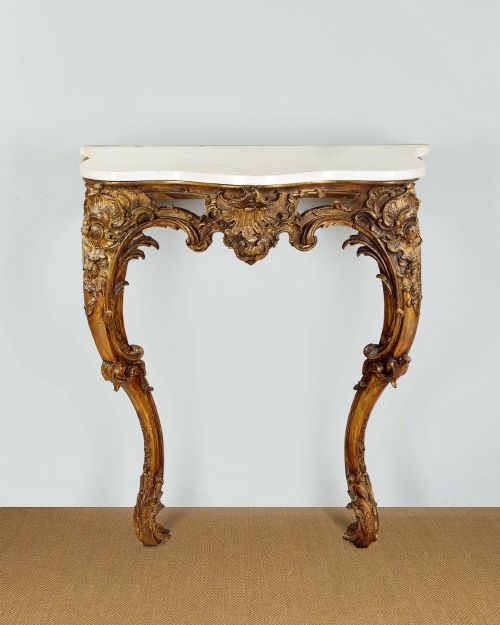
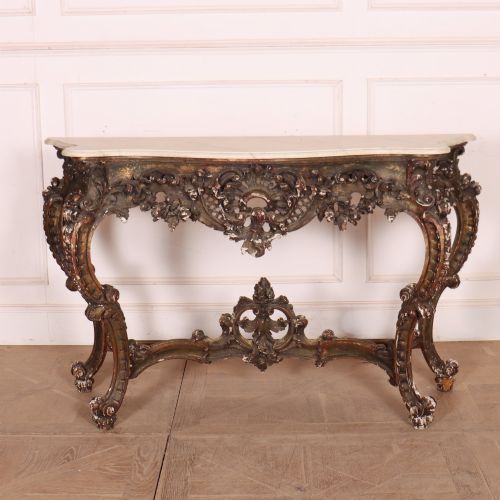
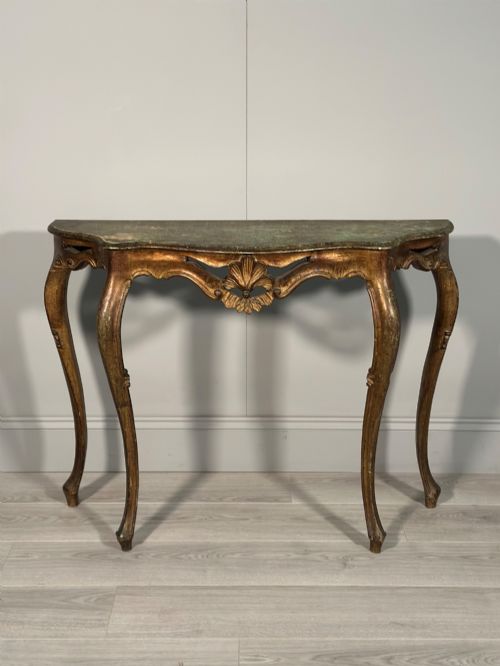
When you search for carved serpentine marble, you encounter objects shaped from magnesium-rich stone, ranging from small models of animals to substantial architectural pedestals and console tables. The material itself dictates the character of each piece, showing mottled greens, deep reds, and dark veins that catch the light.
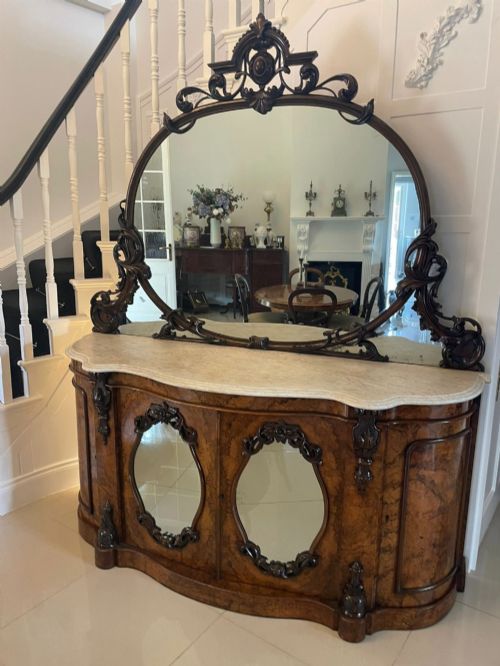
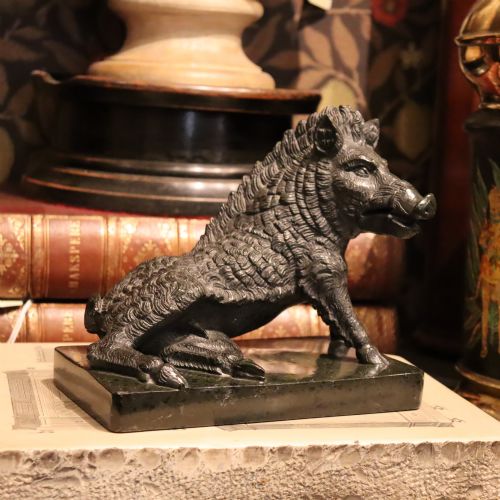
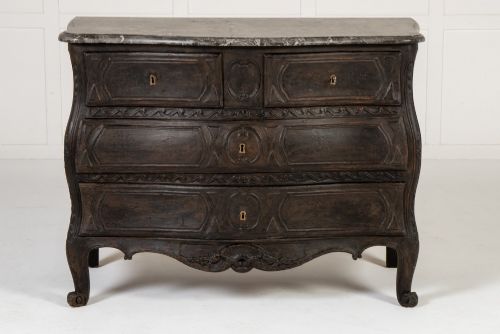
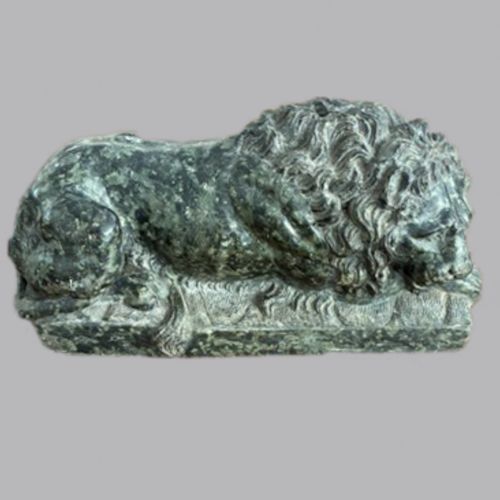
The selection on this page leans heavily toward nineteenth-century works, including Grand Tour souvenirs carved in Italy and domestic English models. You will find table tops cut with undulating serpentine fronts alongside carved figures of lions, boars, and classical statues.
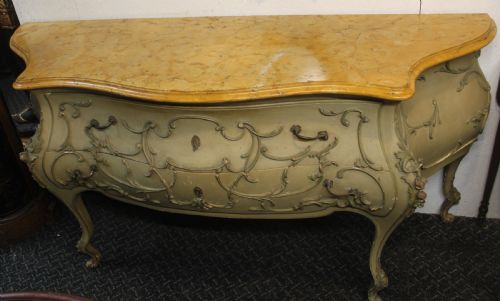
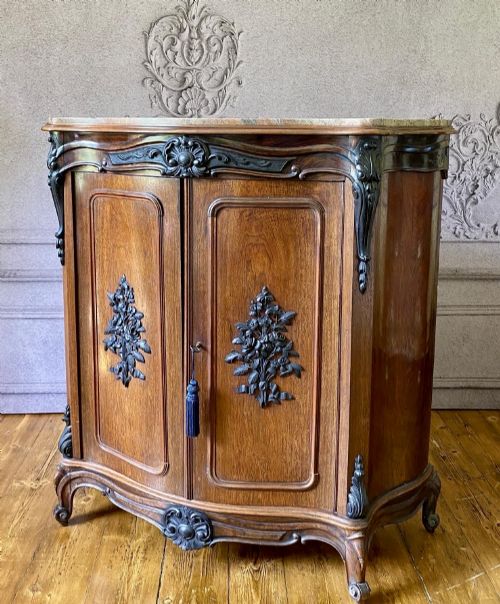
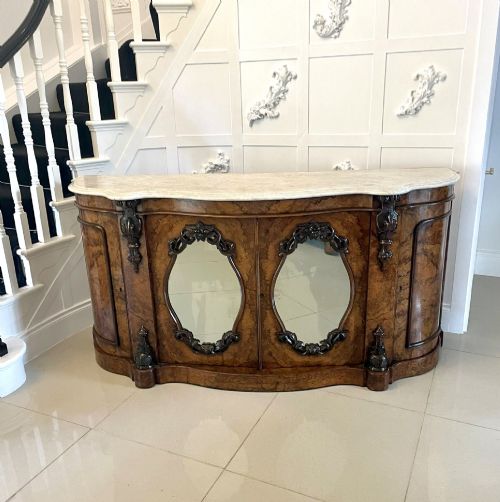
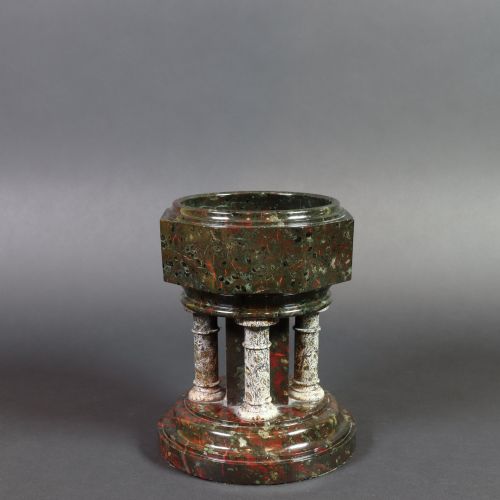
Larger forms appear as credenzas and sideboards fitted with heavy stone slabs, while smaller decorative items take the shape of obelisks, fonts, and columns. These pieces reflect periods from the eighteenth century through to the early twentieth, encompassing Neoclassical and Victorian revival tastes.
What varies in quality
Quality rests upon the crispness of the carving and the depth of the stone's polish. Finer sculptural pieces display accurate anatomical detail and smooth surfacing, whereas simpler items show softer edges and less varied mineral patterns.
The integration between the stone top and its wooden base marks the standard of construction in furniture pieces. Superior examples feature timber frames carved with precision and fitted flush to heavy, well-figured marble slabs.
Carved Serpentine Marble Retail Price Guide 2026
Typical asking prices for carved serpentine marble among the pieces listed under this phrase on Sellingantiques today, from the lower quarter to the upper quarter. They describe what is for sale here now, not the wider market.
Listings feature walnut, giltwood, and oak frames paired with carved serpentine marble dating from the eighteenth to the early twentieth century.
The Carved Serpentine Marble Glossary
- Serpentine marble
- A dense, mottled green or red stone rich in magnesium silicate. It takes a high polish and shows distinctive veining.
- Grand Tour
- A nineteenth-century travel custom where wealthy Europeans collected classical art and stone models in Italy. These souvenirs often replicated famous antiquities.
- Console table
- A wall-mounted or freestanding table supported by consoles or legs. They frequently carry heavy marble tops with shaped fronts.
- Credenza
- A low cabinet used for storage and display, commonly topped with marble during the Victorian period. They often feature burr walnut veneers.
- Obelisk
- A tall, four-sided tapered monument ending in a pyramid top. In decorative arts, these are carved from solid blocks of coloured stone.
Carved Serpentine Marble: Frequently Asked Questions
What is serpentine marble?
Serpentine marble is a magnesium silicate rock with a smooth, mottled appearance, often showing shades of green or red.
It is distinct from traditional limestone marble due to its mineral composition and distinctive veining.
How do I care for a marble top?
Clean the surface using a soft cloth and warm water, avoiding acidic solutions that can etch the stone.
Wax or polish can be applied periodically to maintain the shine on the finished surface.
What is a Grand Tour souvenir?
Grand Tour pieces were small sculptures, models, or architectural fragments purchased by travellers in Italy during the nineteenth century.
They were carved from local stones like serpentine marble to replicate famous classical antiquities.
Where were these pieces used?
Large console tables and sideboards served as formal display furniture in nineteenth-century reception rooms and hallways.
Smaller items like obelisks and figures decorated mantelpieces, libraries, and side cabinets.