


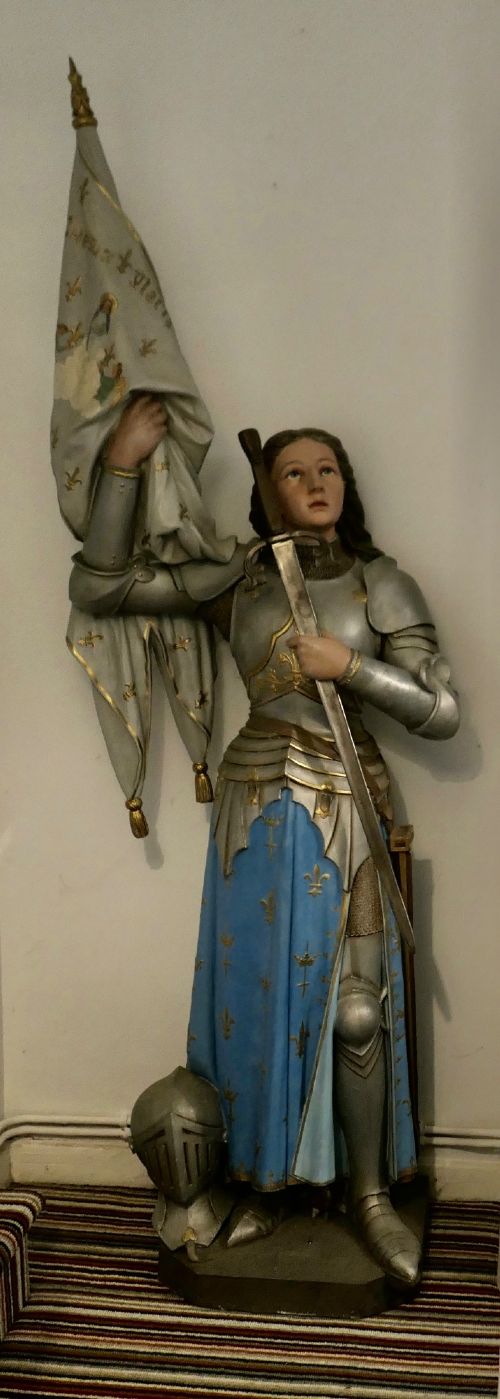
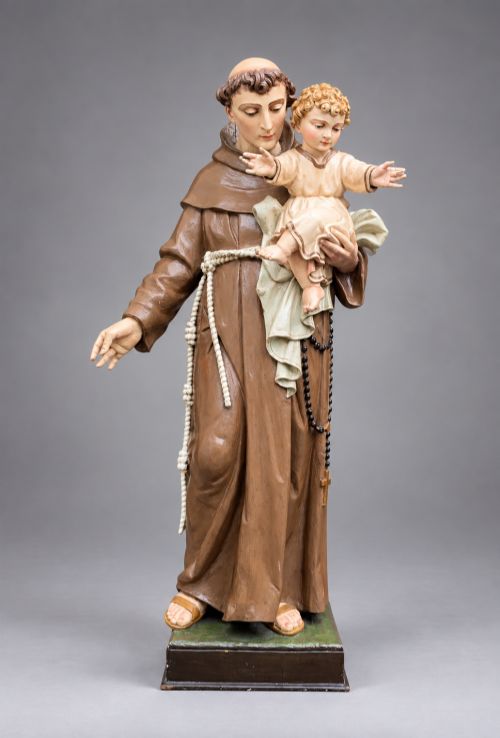
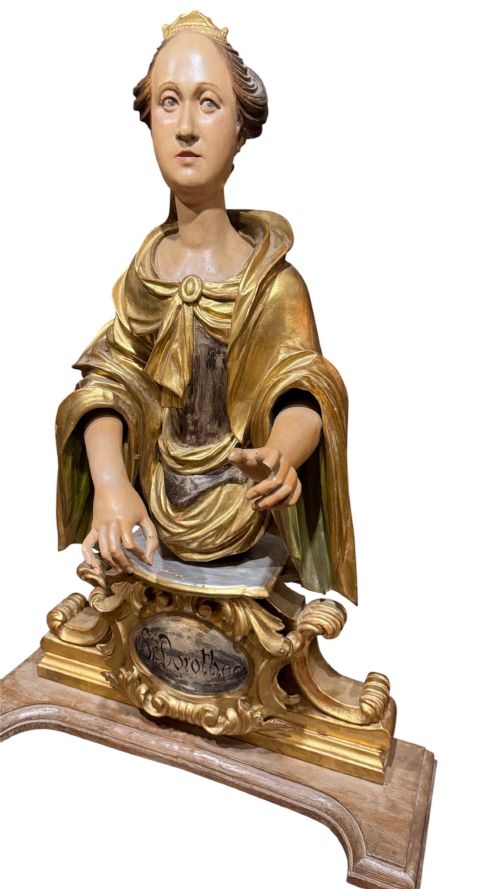
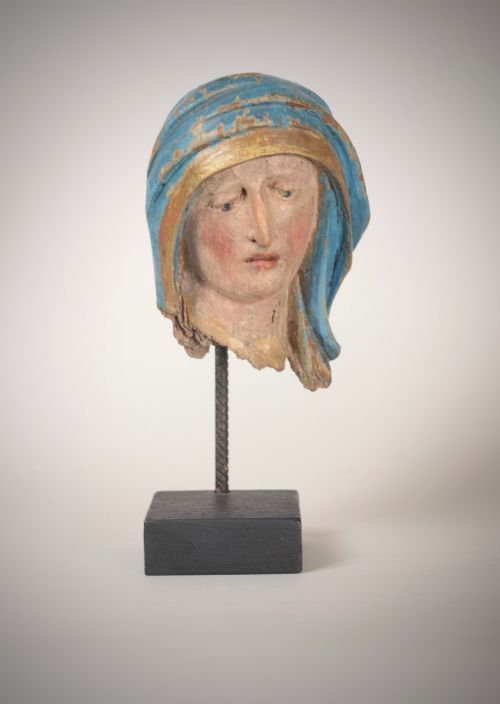
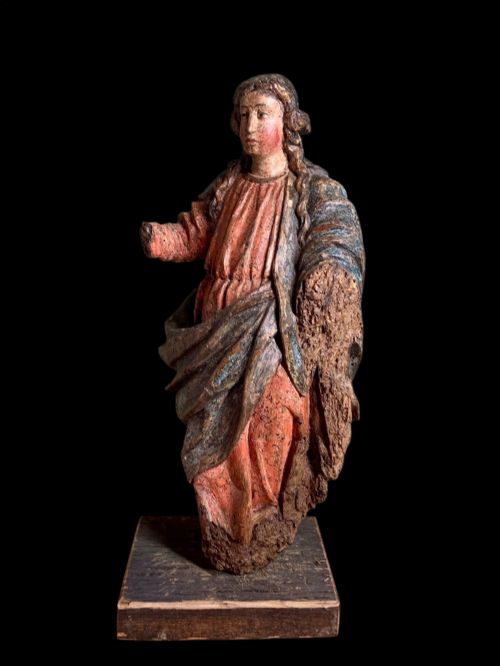

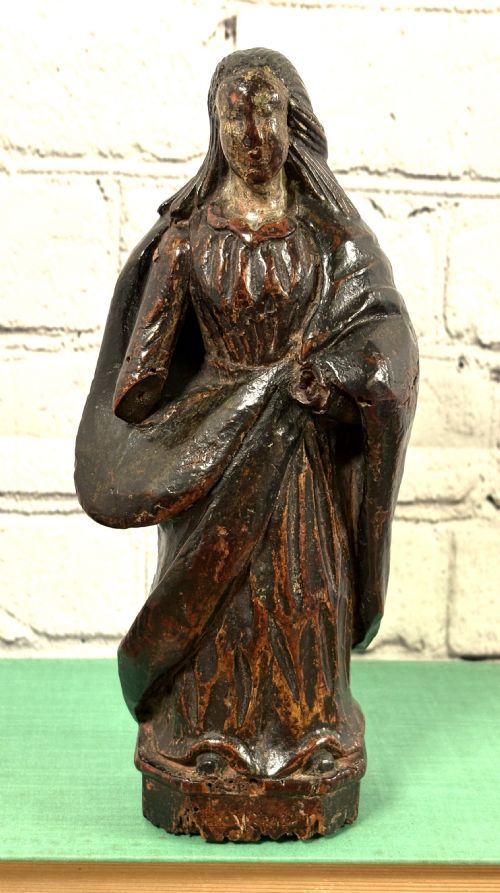
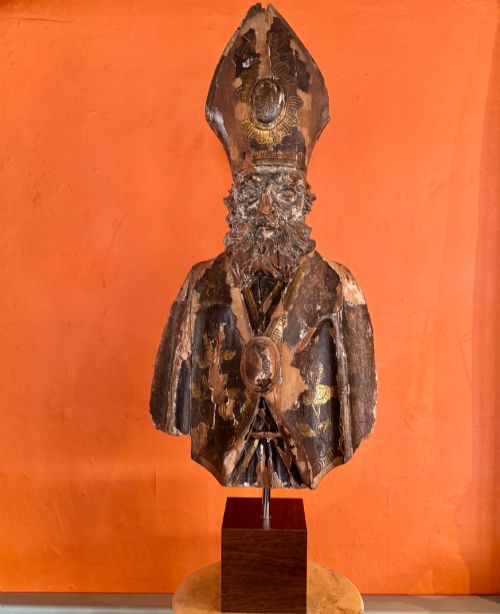
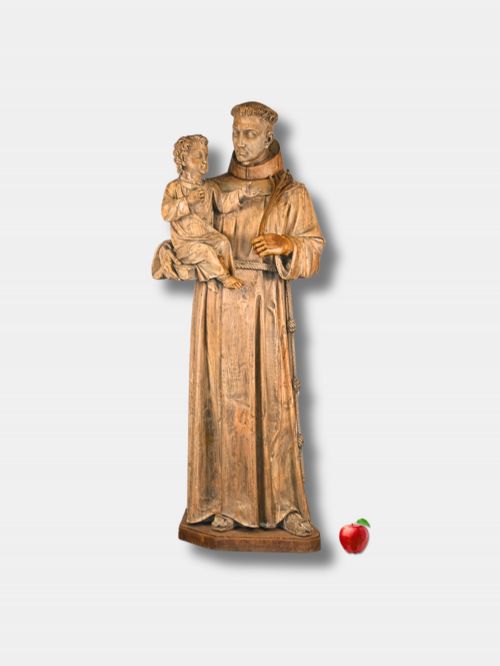


Carved Saint Sculpture
A carved saint sculpture brings centuries of devotion into a room, offering tangible history through wood, gesso, and pigment.
Carved Saint Sculpture
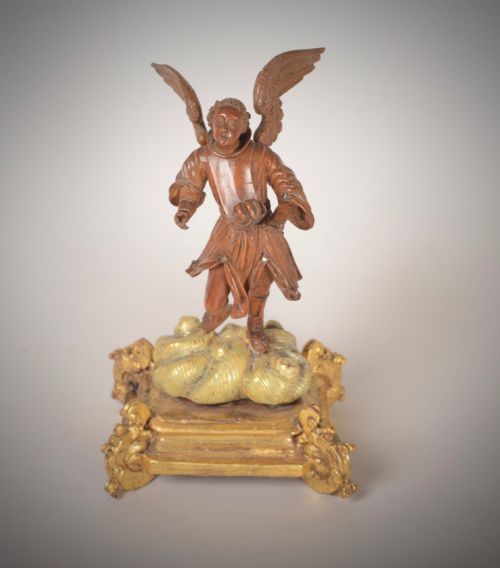
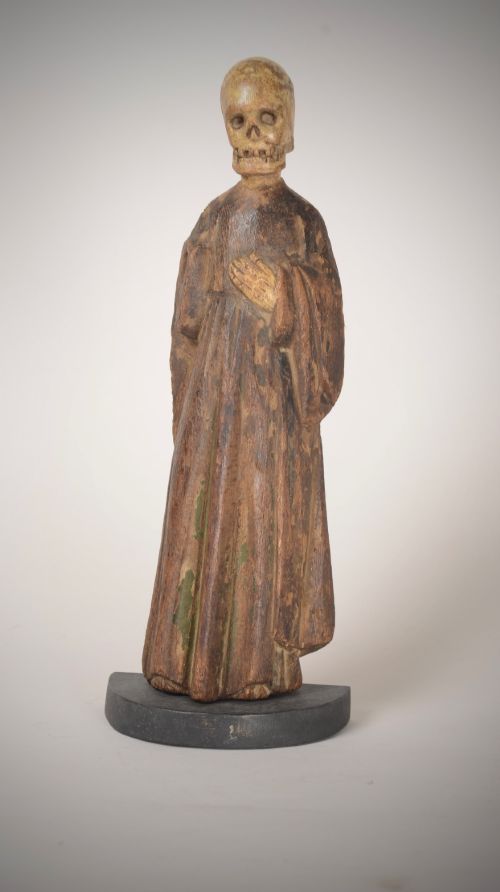
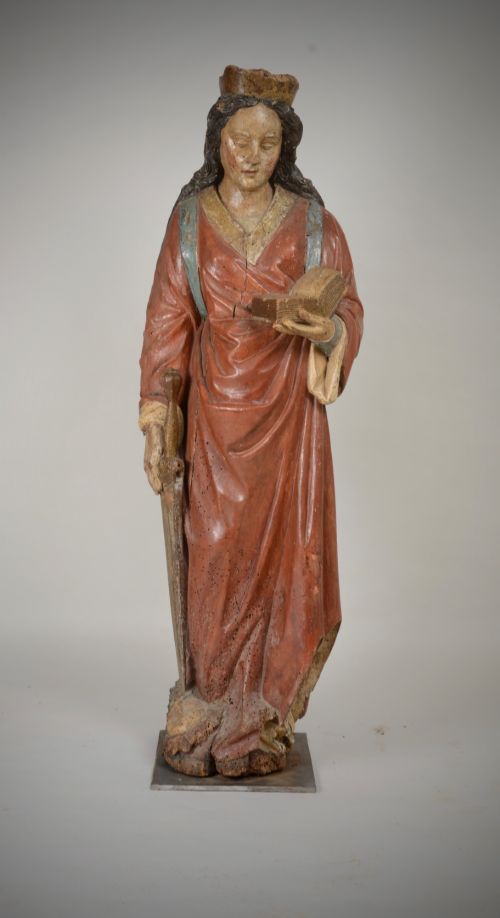
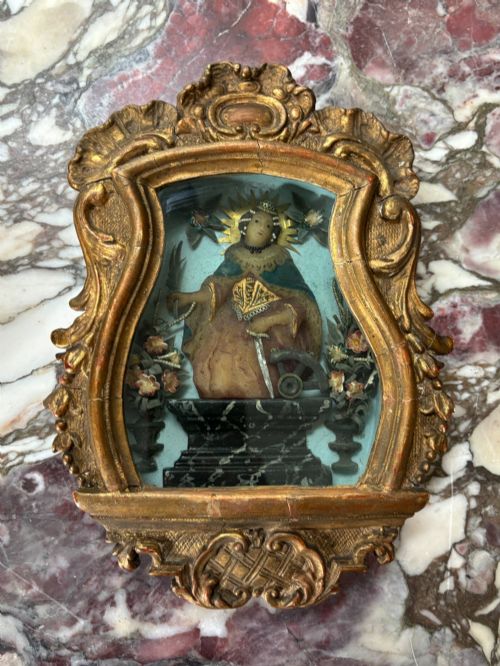
A carved saint sculpture represents figures of veneration, historical protectors, and biblical personages produced across Europe from the pre-16th century through to the modern era. When exploring this selection, buyers frequently encounter oak, lime wood, and fruitwood figures emanating from German, Italian, Flemish, and French workshops.
The objects range from full-length statues of figures such as Saint Anthony, Saint John, and the Virgin and Child down to architectural fragments and ecclesiastical busts. Continental Baroque, Renaissance, and Gothic styles dominate the forms, reflecting the religious architecture and private chapels for which they were originally carved.
Earlier examples display the rigid drapery and solemn postures typical of medieval workshops, whilst later pieces adopt the dynamic movement and theatricality of the 17th and 18th centuries. Every piece carries the physical marks of historical ecclesiastical use, often retaining traces of their original devotional context.
How they were made
Carvers worked primarily in regional hardwoods such as oak, lime wood, applewood, and occasionally pine, selecting timber suited to the intricate detailing required for robes and facial expressions. The raw wood was shaped using gouges and chisels, often leaving tool marks visible on the unvarnished reverses of larger figures.
Surfaces were frequently prepared with a layer of gesso, a fine plaster ground that provided a smooth base for subsequent gilding with gold leaf or application of polychrome paint. Artisans employed oil and tempera pigments to render lifelike flesh tones, rich robes, and intricate patterns upon the carved wood.
Many sculptures were constructed as hollow forms or assembled from multiple joined timber sections to prevent the wood from splitting as it aged. Fragments often reveal the internal pegging and canvas reinforcement utilised by historical makers to stabilize complex carvings.
Carved Saint Sculpture Retail Price Guide 2026
Typical asking prices for carved saint sculpture among the pieces listed under this phrase on Sellingantiques today, from the lower quarter to the upper quarter. They describe what is for sale here now, not the wider market.
The inventory includes continental European pieces showing Renaissance, Gothic, and Baroque stylistic traditions.
What varies in quality
The fidelity of the anatomical carving and the expressiveness in the face distinguish exceptional sculpture from standard workshop production. Master carvers captured hands, drapery folds, and facial gazes with profound psychological depth, whereas lesser pieces rely on stiff, repetitive profiling.
The survival of original surface treatments plays a major role in the integrity of a piece, separating untouched polychromy and gilding from later overpainting or stripped timber. Sculptures retaining their early gesso and pigment layers offer a truer historical record of the maker's original intent.
Proportion and scale also dictate distinction, particularly in figures designed to be viewed from specific architectural elevations where perspective was manipulated by the carver. The depth of undercut work in the wooden folds demonstrates the technical ambition of the workshop.
Franz Keller
The Carved Saint Sculpture Glossary
- Polychrome
- Painted in several colours. This finish was commonly applied over a gesso ground on wooden religious figures to create realistic garments and flesh tones.
- Gesso
- A plaster mixture used as a smooth base for painting or gilding on wood. It was applied to carved surfaces before the application of gold leaf or colour.
- Limewood
- A pale, fine-grained timber favored by continental carvers. Its uniform density allowed artisans to execute extremely intricate undercut details without splitting.
- Baroque
- An ornate artistic style prevalent in the 17th and 18th centuries. Sculptures from this period emphasise dynamic movement, swirling drapery, and emotional intensity.
- Gothic
- A medieval style spanning the 12th to 16th centuries. Figures from this tradition feature vertical emphasis, linear drapery folds, and contemplative expressions.
- Donor figure
- A sculpture depicting the person who commissioned a religious work of art. These figures often appear kneeling in prayer alongside saints or sacred scenes.
Carved Saint Sculpture: Frequently Asked Questions
How do I date a carved saint sculpture?
Dating relies on stylistic clues such as the cut of the robes, the posture of the figure, and the tooling marks visible on the unpainted reverse. Comparing the carving conventions to known regional periods helps narrow down the century of production.
Wood analysis and the composition of the gesso ground also provide scientific indicators of age. Examining how the timber has dried and aged naturally over time confirms historical manufacture.
Were these figures meant for churches?
Many large statues and ecclesiastical busts originated in churches, abbeys, and monastic chapels where they served as focal points for prayer and procession. Others were commissioned for private domestic shrines or altarpieces in wealthy households.
Smaller figures often stood in household niches or travelled with itinerant clergy. Their initial placement determined their scale and whether the back of the sculpture was finished with detail.
Should I clean the original paint?
Original polychrome and gilding should be left undisturbed, as aggressive cleaning removes fragile historical layers. Dusting gently with a soft, dry brush is generally sufficient for maintenance.
Professional conservators should be consulted if structural stabilization or careful surface cleaning is required. Preserving the patina ensures the historical integrity of the wood and paint remains intact.
How do I identify the saint depicted?
Saints are typically recognised by their traditional attributes, such as objects they hold, animals accompanying them, or specific items of clothing. For instance, Saint Anthony is frequently depicted with a book or the Christ Child, while bishops wear mitres.
Inscriptions, monograms carved into the base, or local regional devotion records also assist in identification. Missing attributes can sometimes be deduced from the positioning of the hands.